
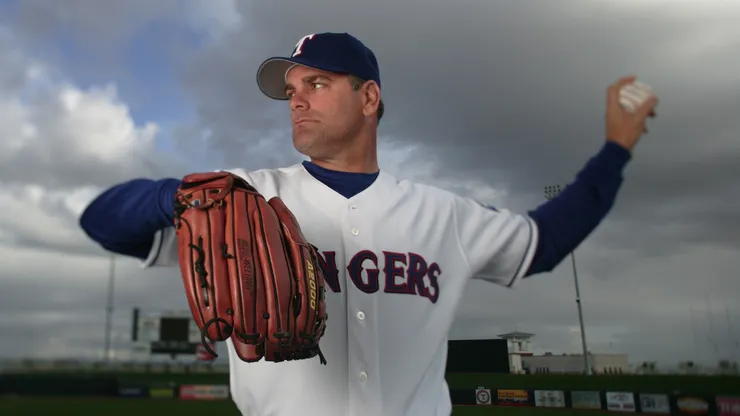
For more than sixty years, the Texas Rangers have been a stage for both raw power and subtle mastery. From Ryan’s record seven no-hitters to Beltre’s 3,166 career hits, the franchise has seen athletes redefine the limits of skill.
Across decades, their legends have left marks beyond statistics. Gonzalez’s MVP seasons and Hamilton’s .359 batting average in 2010 tell stories of dominance, resilience, and the moments that made fans leap from their seats.
From pitchers who intimidated lineups to hitters who could change games in a swing, each profile reveals a blend of numbers, narrative, and the intangible spark that turned ordinary MLB seasons into unforgettable eras.
Adrian Beltre
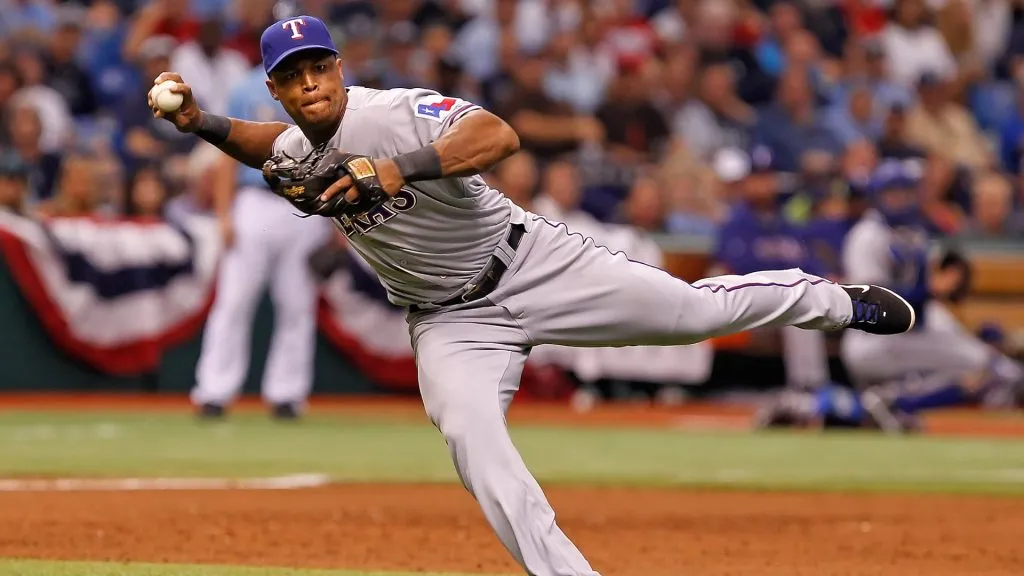
Adrian Beltre (Source: J. Meric/Getty Images)
Adrian Beltre embodied quiet excellence. The Hall of Fame third baseman, who spent eight seasons with Texas (2011–2018), was the perfect balance of offensive firepower and defensive brilliance.
He combined Gold Glove defense with a rare mix of contact and power, ultimately surpassing 3,000 career hits and nearly 500 home runs. He retired as one of the most respected players of his generation, and his Rangers years cemented his legacy as the face of the franchise.
Juan Gonzalez
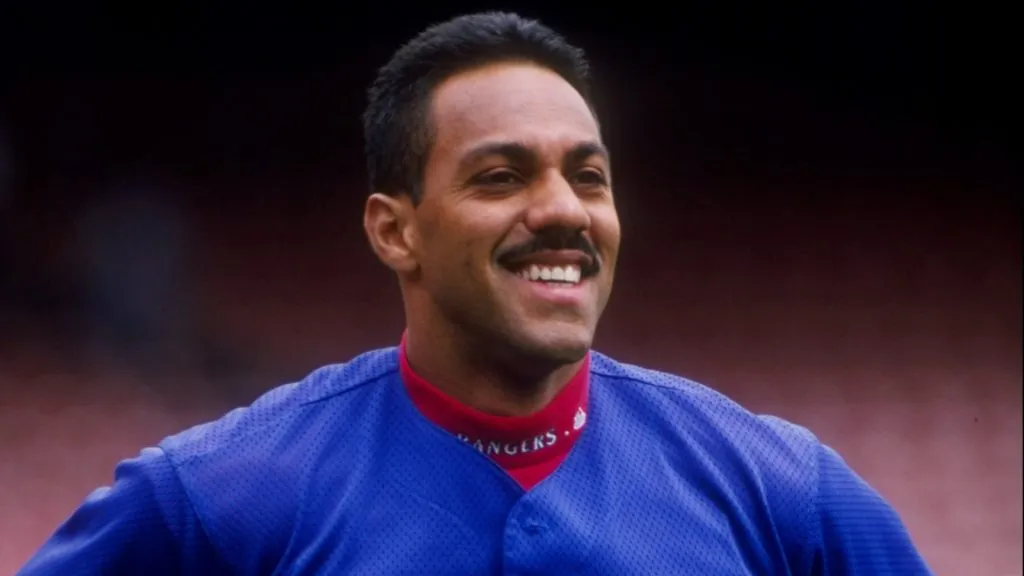
Juan Gonzalez (Source: Otto Greule Jr. /Allsport)
Juan Gonzalez was the face of the Rangers’ power surge in the 1990s. A two-time American League MVP (1996, 1998), he terrorized pitchers with his explosive bat, leading the league in home runs and RBIs multiple times.
He remains among the franchise leaders in home runs, RBIs, and extra-base hits, and his towering shots electrified Arlington Stadium like few others. For a generation of fans, “Juan Gone” defined Rangers baseball.
Josh Hamilton
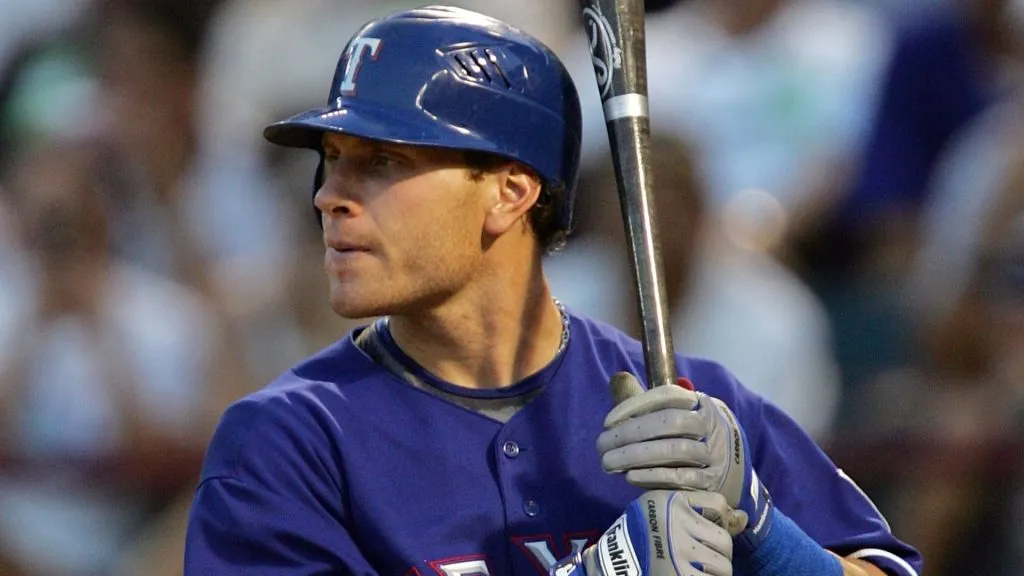
Josh Hamilton (Source: Ronald Martinez/Getty Images)
Josh Hamilton’s story was as much about redemption as raw talent. During his first stint with Texas (2008–2012), he became the centerpiece of a team that reached back-to-back World Series.
His 2010 MVP season, where he hit .359 with tremendous power, was a career peak, and he also delivered some of the most unforgettable moments in Rangers history, including his Home Run Derby heroics. Despite personal struggles, his impact in Arlington remains undeniable.
Ivan Rodriguez
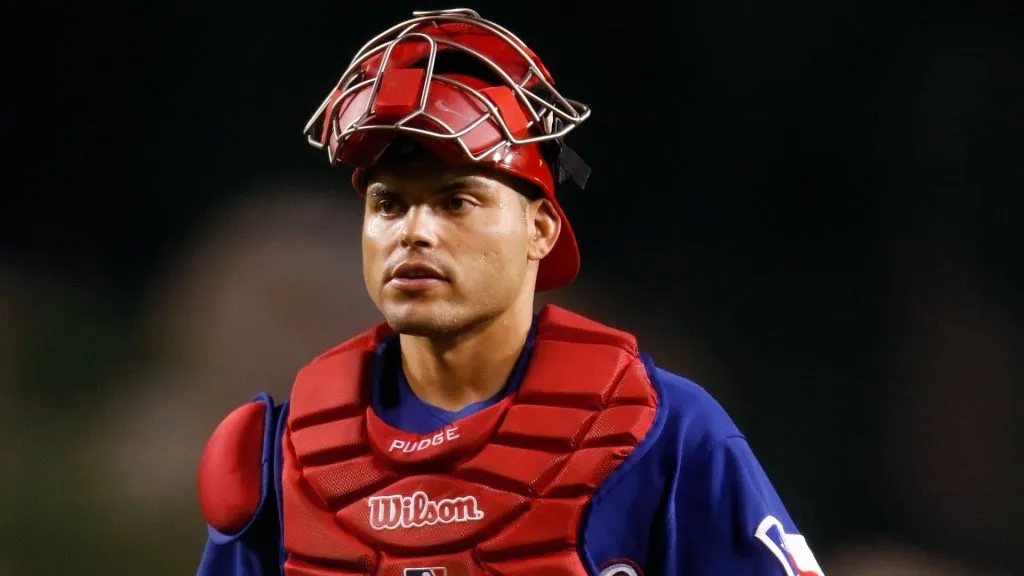
Ivan Rodriguez (Source: Jeff Gross/Getty Images)
Few catchers in MLB history combined defense and offense like Ivan Rodriguez. Debuting as a teenager in 1991, Pudge became the backbone of the Rangers for over a decade. He won the 1999 AL MVP while hitting .332 with power, and his cannon arm made base stealing nearly impossible. He captured 13 Gold Gloves in his career, the most ever by a catcher, and remains one of the most iconic figures to ever wear a Rangers uniform.
Rafael Palmeiro
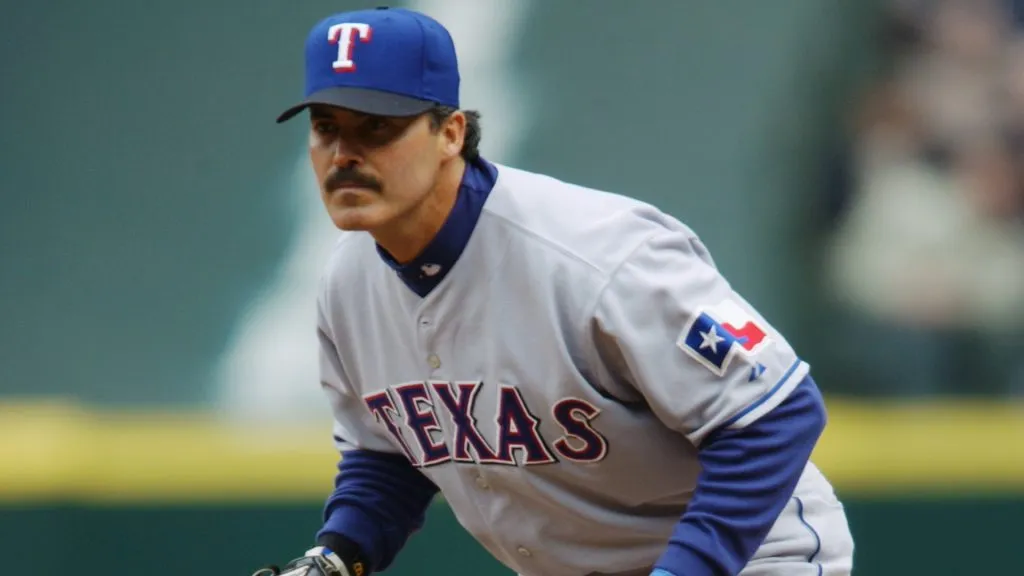
Rafael Palmeiro (Source: Otto Greule/Getty Images)
Rafael Palmeiro was a model of offensive consistency during his years in Texas. The smooth-swinging first baseman delivered power and contact, surpassing both 500 career home runs and 3,000 hits.
In a Rangers uniform, he was a perennial threat in the middle of the order, producing RBIs year after year. Though his career was not without controversy, his production left a significant mark on the franchise record books.
Nolan Ryan
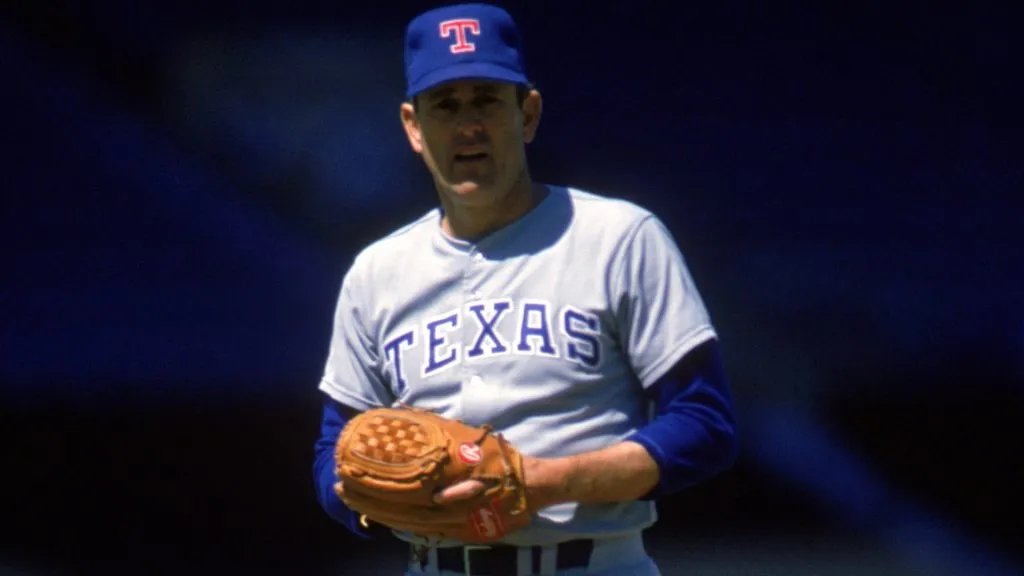
Nolan Ryan (Source: Rick Stewart/Getty Images)
Nolan Ryan was already a legend when he joined the Rangers in 1989, but his time in Texas only amplified his mythos. Even in his 40s, he threw no-hitters, racked up strikeouts, and intimidated hitters with his overpowering fastball.
His seven career no-hitters remain untouched, and he became the face of Texas baseball in the 1990s. Beyond numbers, his competitive fire and longevity made him a cultural icon in Arlington.
Michael Young
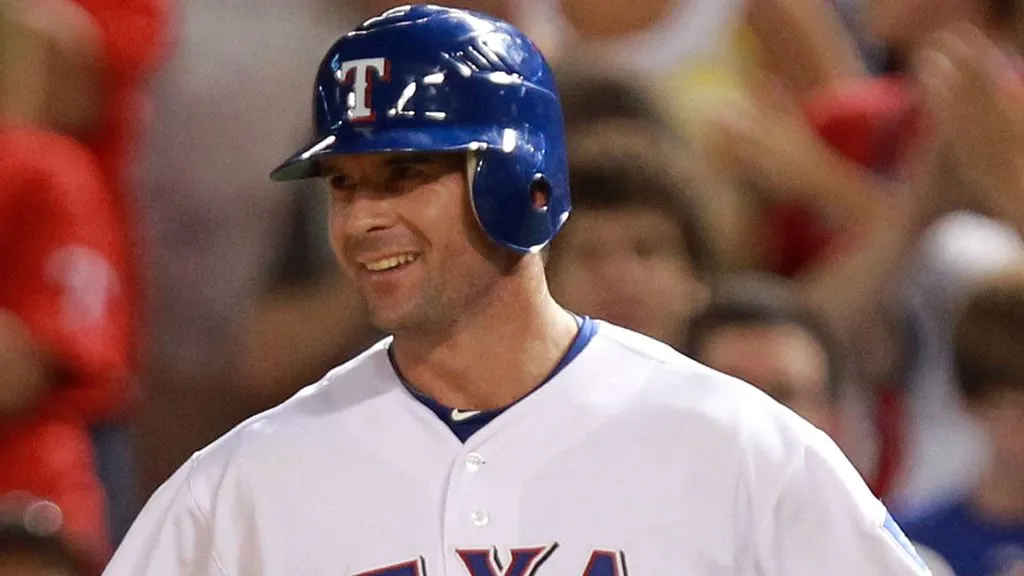
Michael Young (Source: Ronald Martinez/Getty Images)
Michael Young was the steady heartbeat of the Rangers for more than a decade. Known for his reliability and versatility, he set franchise records in games played, hits, doubles, and at-bats.
He won the 2005 AL batting title, was selected to seven All-Star Games, and served as a quiet but respected leader during the Rangers’ rise to prominence. When Texas retired his number 10, it was a tribute to a career defined by professionalism and consistency.
Alex Rodriguez
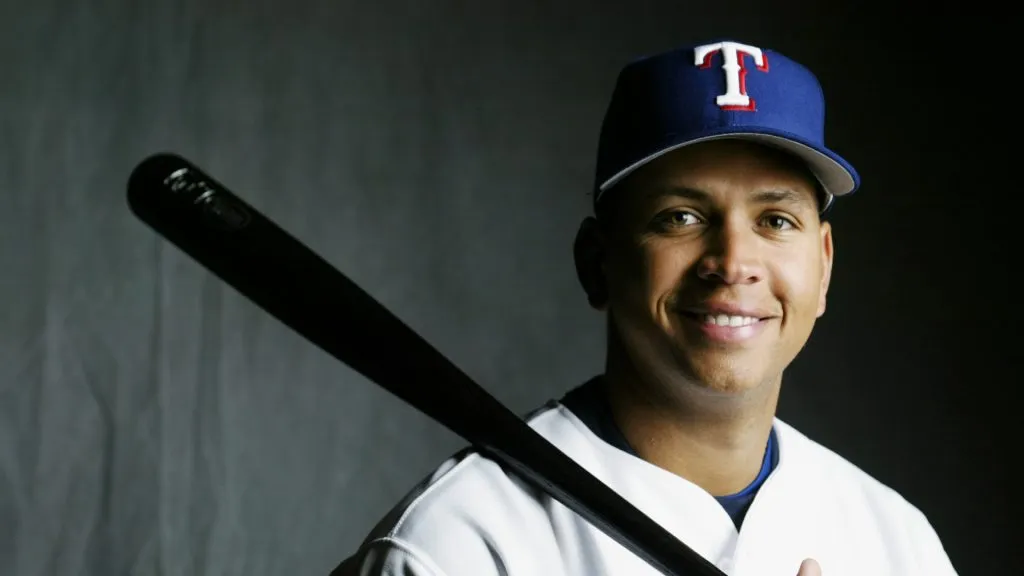
Alex Rodriguez (Source: Brian Bahr/Getty Images)
Alex Rodriguez’s time with the Rangers was short but statistically jaw-dropping. Signing a then-record contract in 2001, A-Rod led the American League in home runs in each of his three Texas seasons.
He won the 2003 MVP award while hitting .298 with 47 home runs, despite the team’s struggles. Though his tenure was clouded by controversy and an eventual trade to the Yankees, his offensive production remains among the most dominant in franchise history.
Buddy Bell
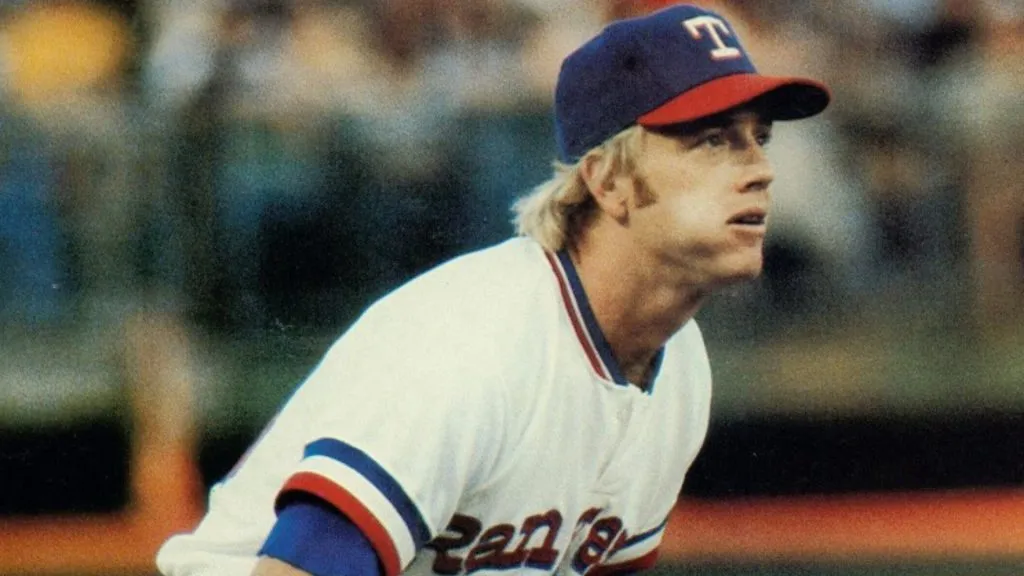
Buddy Bell (Source: Baseball Hall of Fame)
Buddy Bell may not have boasted gaudy offensive numbers, but he provided stability and defensive excellence for the Rangers during the late 1970s and early ’80s. A five-time All-Star and six-time Gold Glove winner, he anchored the infield with his smooth glove work at third base. He was a respected clubhouse leader and remains one of the most underappreciated stars in Rangers history. His value was as much about presence as performance.
Ian Kinsler
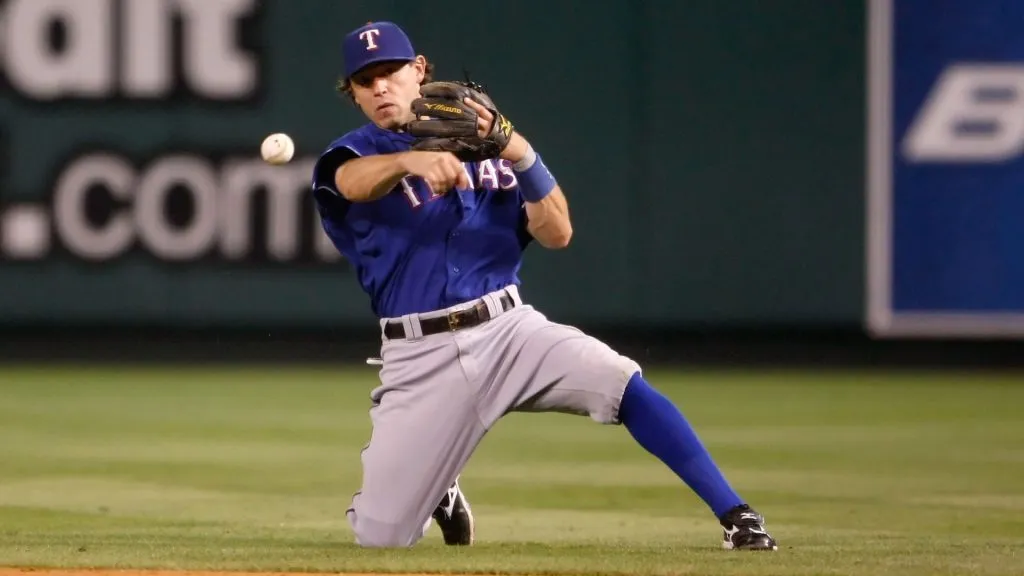
Ian Kinsler (Source: Jeff Gross/Getty Images)
Ian Kinsler was a spark plug for the Rangers during his eight seasons in Arlington (2006–2013). The second baseman combined power and speed, becoming one of the rare players to record multiple 30-30 seasons.
A three-time All-Star and two-time Gold Glove winner, he contributed key offense during Texas’s World Series runs. His fiery competitiveness made him a fan favorite, and his induction into the Rangers Hall of Fame confirmed his impact on the franchise.
Elvis Andrus
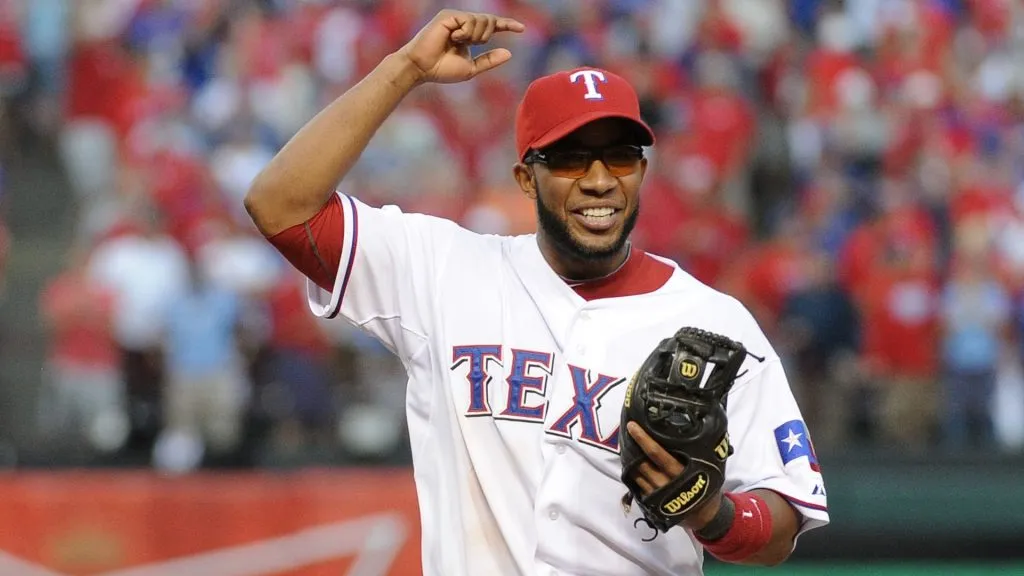
Elvis Andrus (Source: Harry How/Getty Images)
Elvis Andrus broke into the majors as a 20-year-old shortstop in 2009 and quickly became the steady glove and spark for the Rangers. Known for his lightning speed and consistency, he holds the franchise record for stolen bases (305), and also ranks near the top in games played, at-bats, triples, runs, and hits.
Being a fixture “up the middle,” he anchored the defense in Texas’s back-to-back World Series appearances in 2010–11, and was inducted into the Rangers Hall of Fame in 2025. His approach wasn’t always about flash—but rather doing everything well, becoming a foundational piece of Rangers history.
Ruben Sierra
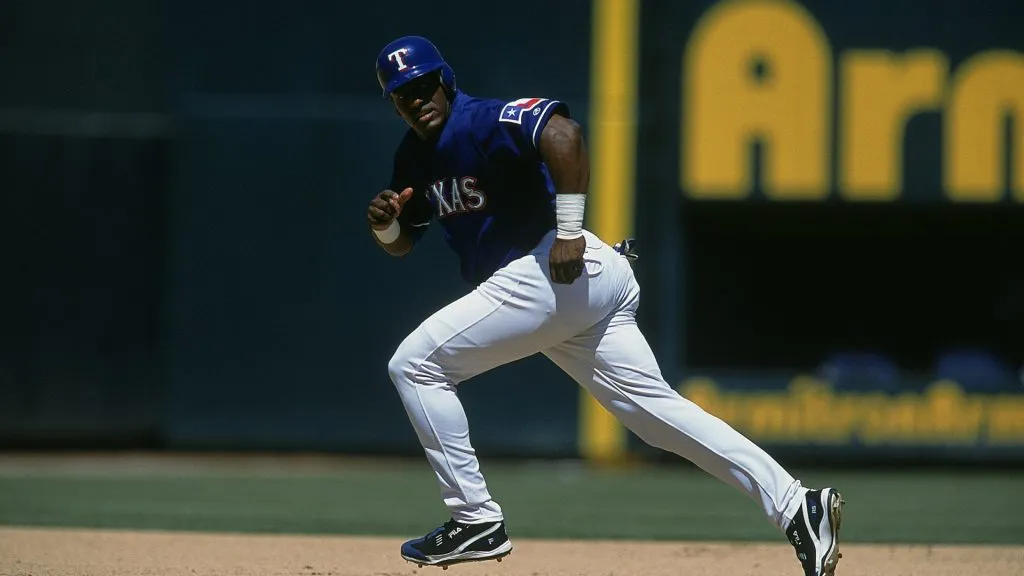
Ruben Sierra (Source: Ronald Martinez /Allsport)
A power-bat and fan favorite in Rangers lore, Ruben Sierra delivered for Texas across multiple stints (mid-‘80s to early 2000s). He combined room-shaking home runs with high RBI totals and led the American League in several offensive categories, including in 1989 when he set franchise records for triples, RBIs, total bases, and extra-base hits.
He also claimed the AL Comeback Player of the Year in 2001 after returning to form as a designated hitter. Though his defense was less heralded, his offensive peaks and memorable moments make him one of the Rangers’ best.
Kenny Rogers
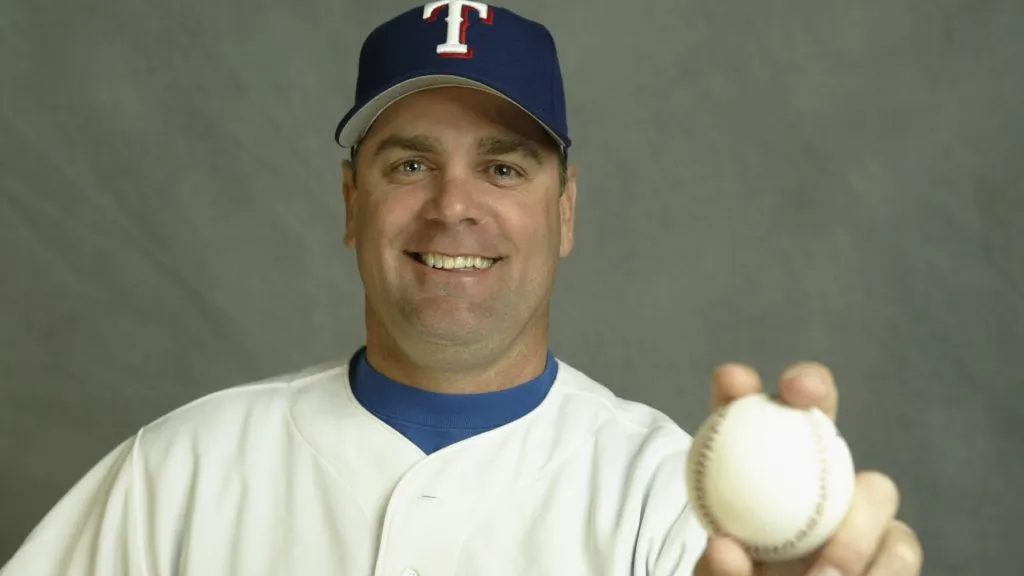
Kenny Rogers (Source: Getty Images)
As a pitcher, Kenny Rogers gave the Rangers some of their most unforgettable moments on the mound. Most famously, he threw a perfect game on July 28, 1994, becoming only the second Ranger to achieve that feat.
Beyond that singular gem, he was durable, a steady rotation presence, and a leader in big games. While his overall career had ups and downs, for Texas he is synonymous with clutch starts and strong veteran leadership in the rotation.
Charlie Hough
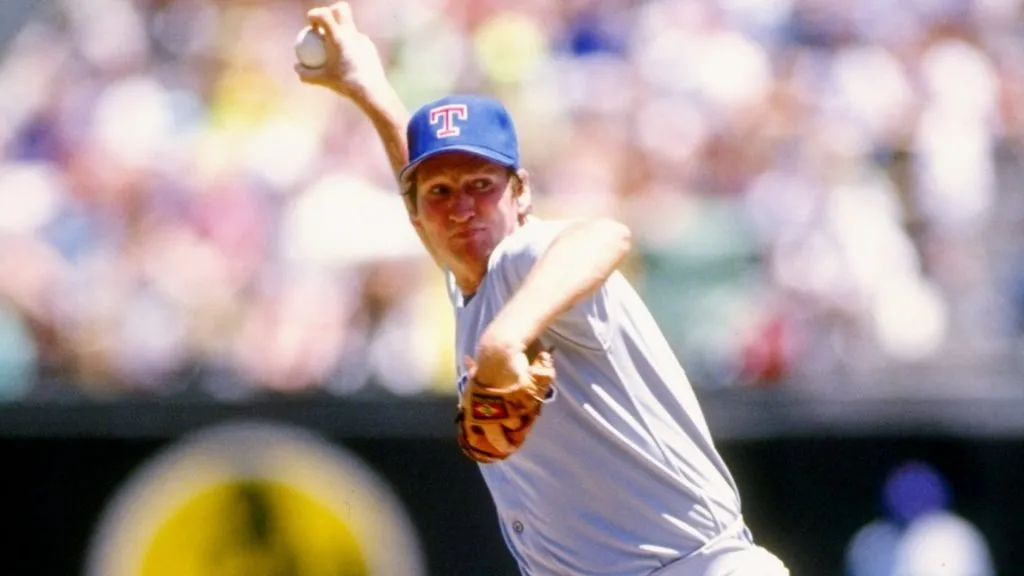
Charlie Hough (Source: Otto Greule /Allsport)
The “Texan Knuckleball” himself, Charlie Hough’s tenure with the Rangers is a story of reinvention and longevity. Originally a reliever with the Dodgers, he was purchased by Texas in 1980 and transitioned into a starting pitcher.
In his 30s, he found the knuckleball, and for over a decade he leaned on it heavily—at times almost exclusively—delivering extraordinary seasons: 40 starts in 1987, winning many games, throwing numerous complete games, and setting club records in wins, strikeouts, innings pitched, complete games, and more. His style was unconventional, but his results earned him enduring respect.
Jim Sundberg
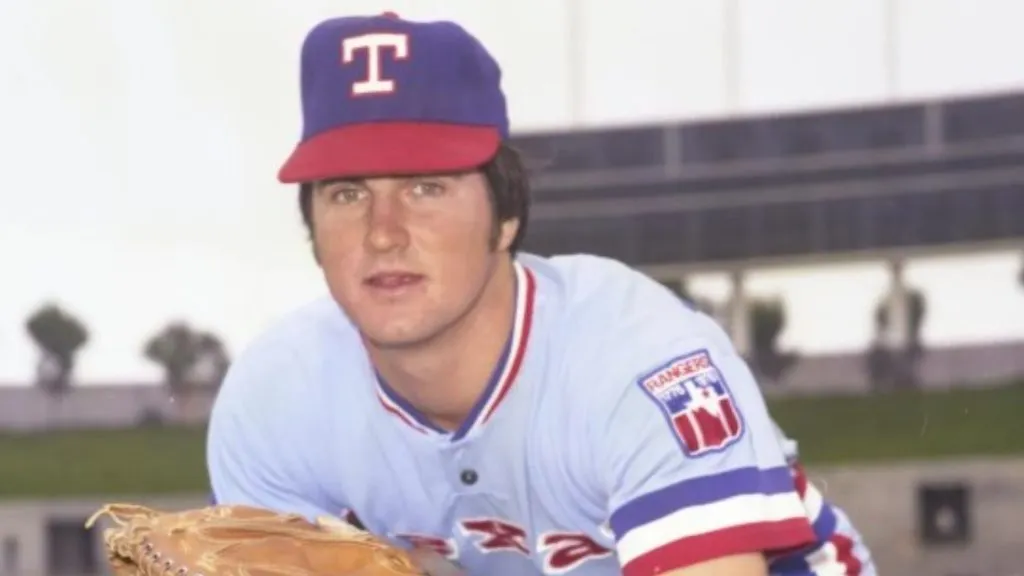
Jim Sundberg (Source: Baseball Hall of Fame)
Jim Sundberg was the prototype of a defensive catcher. From his debut in the mid-1970s until the late ’80s, he was among the best in the league at managing pitching staffs, throwing out base runners, and framing pitches—earning six Gold Gloves.
He was also an All-Star multiple times, and though his bat was never overpowering, his leadership, durability, and defensive excellence made him a cornerstone behind the plate for many Rangers seasons. His influence went beyond stats: pitchers trusted him, and he helped shape several pitching staffs into more competitive units.
Julio Franco
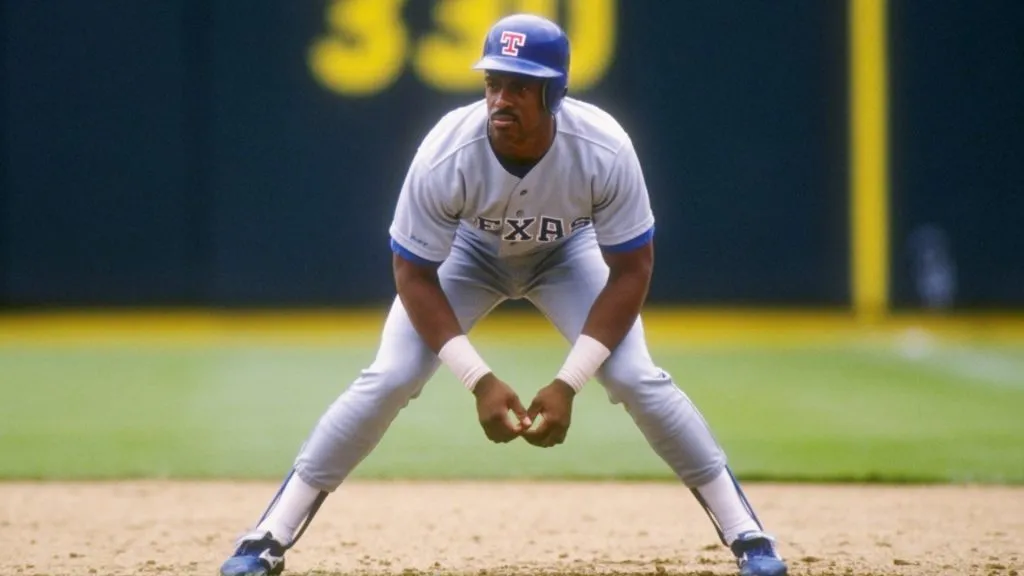
Julio Franco (Source: Otto Greule /Allsport)
Julio Franco’s career with the Rangers is a masterclass in longevity and hitting craft. In 1991, he won the first American League batting title in Rangers history, hitting .341 while putting up over 200 hits, stealing bases, and being a constant threat at the plate.
Even late into his career, he maintained high batting averages and a disciplined approach. His bat control, ability to adjust, and competitiveness carried him well beyond what many expected. He proves that age, when paired with skill and determination, can become one of baseball’s great stories.
Yu Darvish
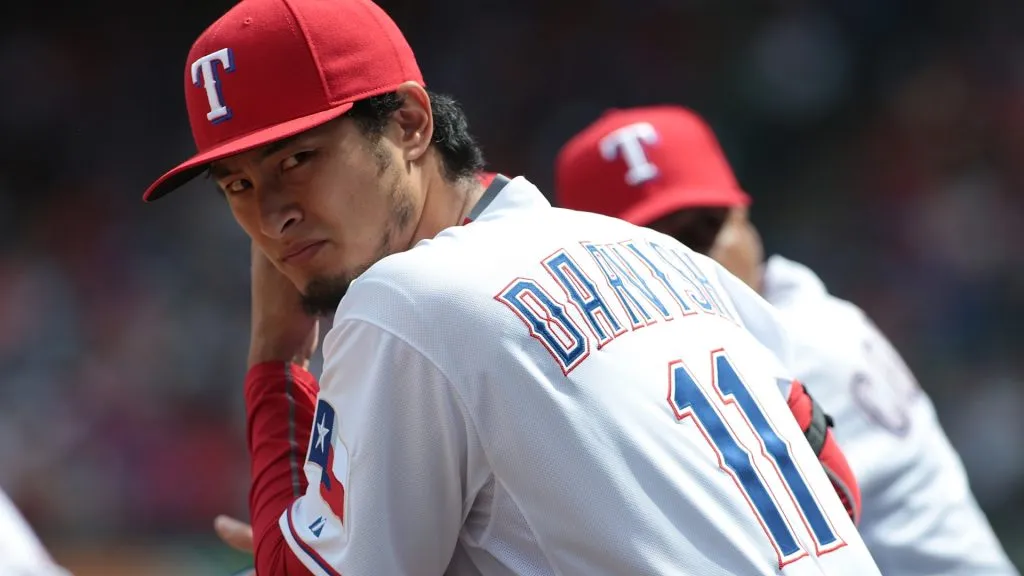
Yu Darvish (Source: Rick Yeatts/Getty Images)
Yu Darvish arrived in Texas with big expectations in 2012—and mostly delivered. Already a star in Japan, he became a frontline starter for the Rangers: someone who could overpower hitters with a wide arsenal, strikeout specialists, and bring playoff hope.
In his first seasons, he led the AL in strikeouts, earned All-Star nods, came close in Cy Young voting, and turned in dominant stretches. His ability to miss bats, mix pitches, and handle high leverage innings made him one of the most feared arms in the Texas rotation during his time there.
Mark Teixeira
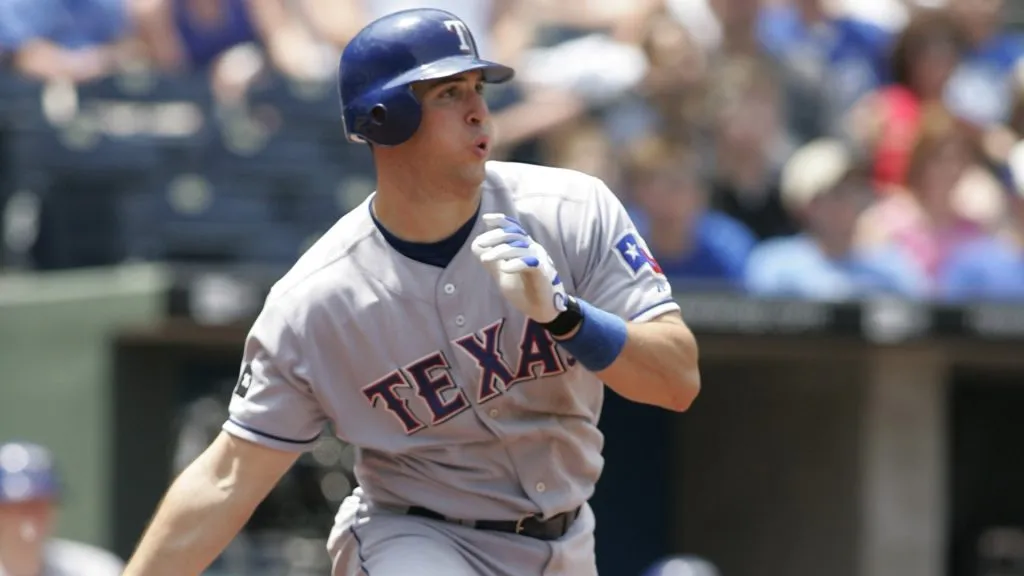
Mark Teixeira (Source: G. N. Lowrance/Getty Images)
Mark “Tex” Teixeira got his professional start with the Rangers after being taken in the first round in 2001. Over his five seasons in Texas (2003-2007), he matured into a gold-glove first baseman with power, becoming one of the young cornerstones of the lineup.
He blazed early, showing power at the plate, great defensive reliability at first base, and forming part of the core that the Rangers built around before trading him, in a blockbuster move, later in his career. Even though his best seasons came elsewhere, his foundational years in Arlington helped set the tone for what the Rangers could aspire to offensively and defensively.
Fergie Jenkins
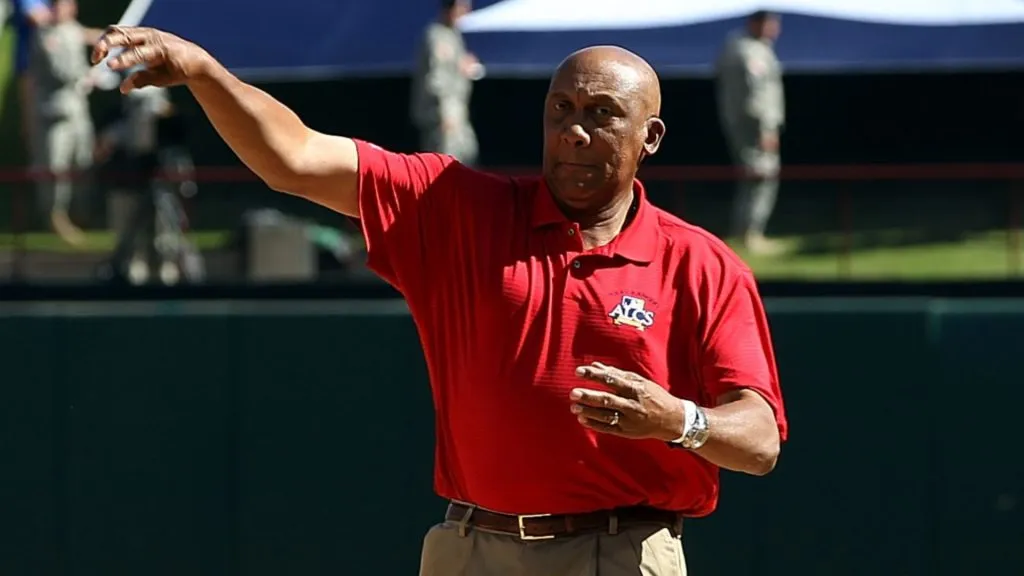
Ferguson Jenkins (Source: Brad Newton-Pool/Getty Images)
Ferguson “Fergie” Jenkins brought to Texas a master’s command of the mound during his stint with the Rangers from 1974 through 1981. Already a Cy Young winner, he kept his reputation high with consistent performance—he racked up impressive strikeout totals, threw numerous shutouts, and was among the league’s top pitchers in wins and ERA when with Texas. His presence gave the Rangers not just wins, but legitimacy: having a Hall of Famer anchoring the rotation helped raise expectations for the franchise.
Rusty Greer
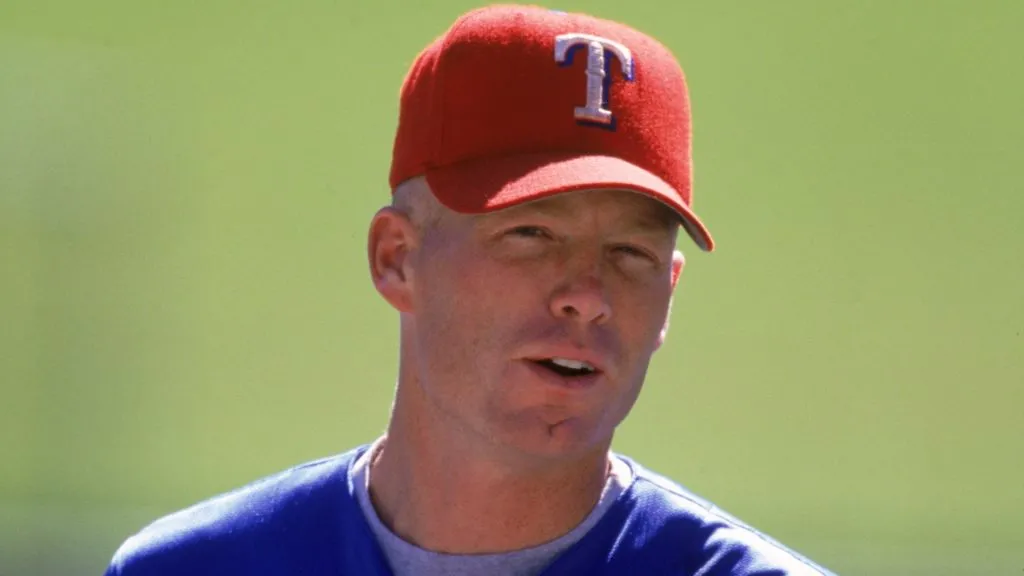
Rusty Greer (Source: Chris Covatta /Allsport)
Rusty Greer was the kind of outfielder whose heart matched the hustle, and whose bat backed it up. Playing exclusively for the Rangers from 1994 to 2002, he hit over .300 multiple seasons, piled up extra-base hits, drove in runs, and became beloved for both his production and his style—diving catches, gritty at-bats, and clutch moments. He holds a career .305 batting average with Texas, and his consistency made him a fan favorite and a fixture in team lore.
Toby Harrah
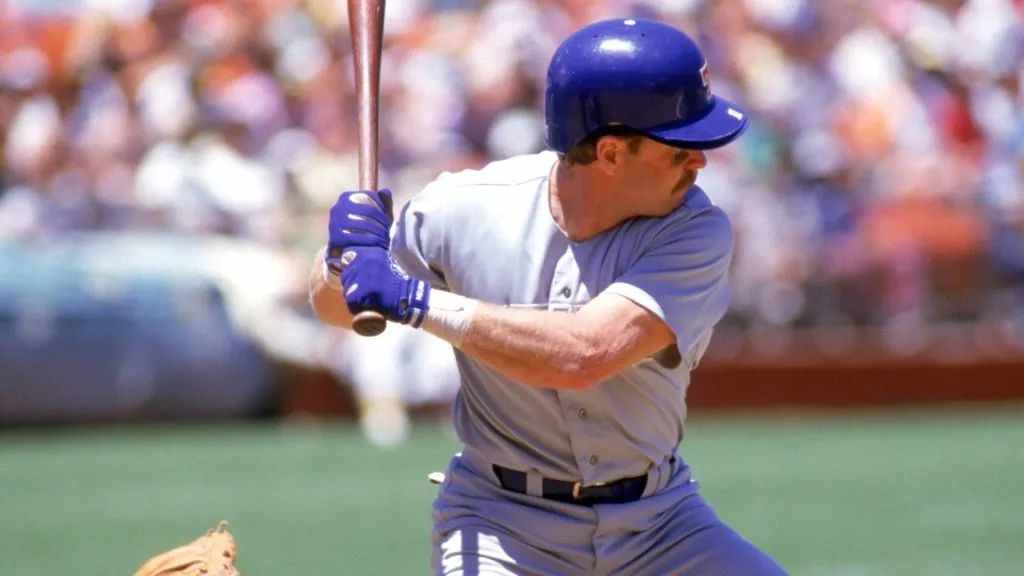
Toby Harrah (Source: Otto Greule Jr/Getty Images)
Toby Harrah’s Rangers career spanned both shortstop and third base, and he became known as one of the franchise’s most versatile and durable infielders. Between the late 60s and mid-80s, he contributed offensively with power and batting average, made multiple All-Star appearances, and was recognized for his glove work.
His ability to adapt—both infield positions and roles—helped stabilize the Rangers during eras when consistency was rare. His longevity and multi-faceted contributions make him a vital piece of Ranger history.
Harold Baines
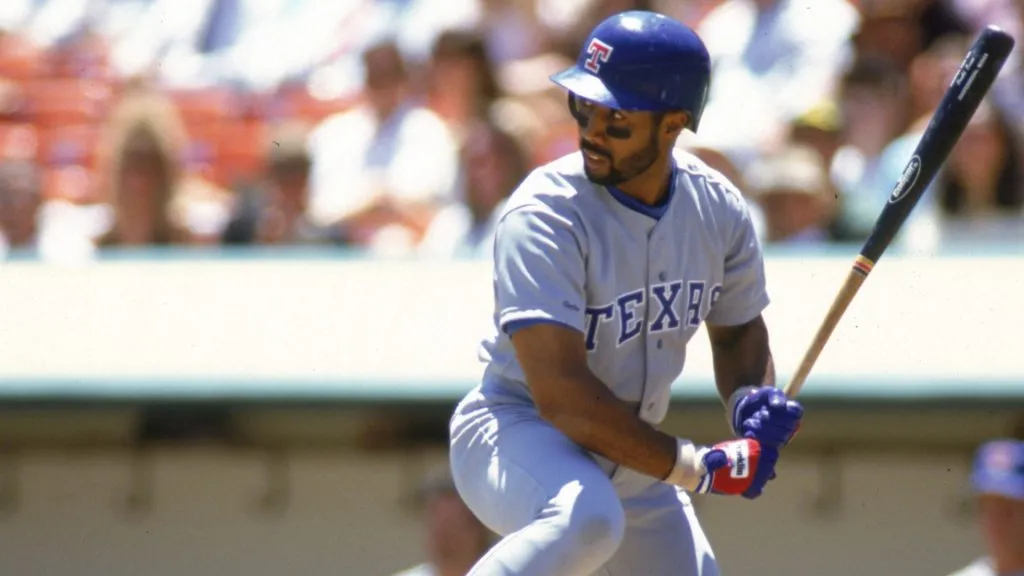
Harold Baines (Source: Otto Greule Jr/Getty Images)
Harold Baines’ time with the Rangers may not be the most season-packed of his long career, but it added meaningful texture to his legacy. Acquired in a trade from the White Sox in 1989, he brought his veteran bat and clutch hitting to Texas.
Even though he was primarily a designated hitter later, he showed flashes of power, hit for average, and remained one of the quieter but effective contributors among the team’s offense. His overall career numbers (nearly 2,900 hits, 384 home runs) make it obvious why he belongs among the top Rangers, even if his peak years occurred elsewhere.
Nelson Cruz
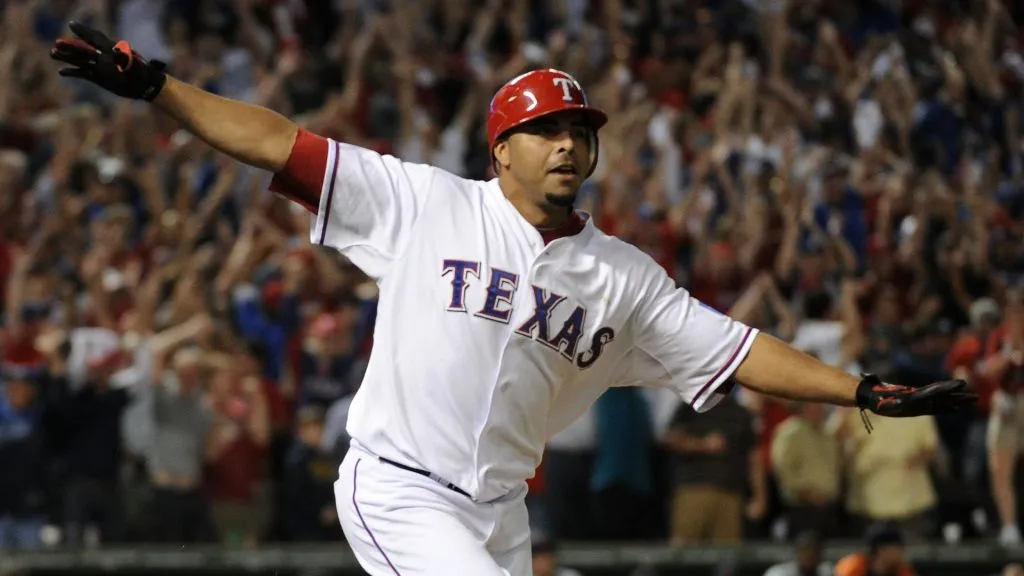
Nelson Cruz (Source: Harry How/Getty Images)
“Boomstick” Nelson Cruz joined the Rangers in mid-2006 and eventually became one of the most feared hitters in the American League during his time in Texas. He played a key role in the Rangers’ 2010 and 2011 AL pennant runs, showing power, clutch homering, and an ability to deliver in big moments.
He posted solid slash lines, accumulated impressive WAR, and contributed leadership as the team competed for world titles. His offense provided an edge when it mattered, and his Rangers period is among his most celebrated.
Johnny Oates
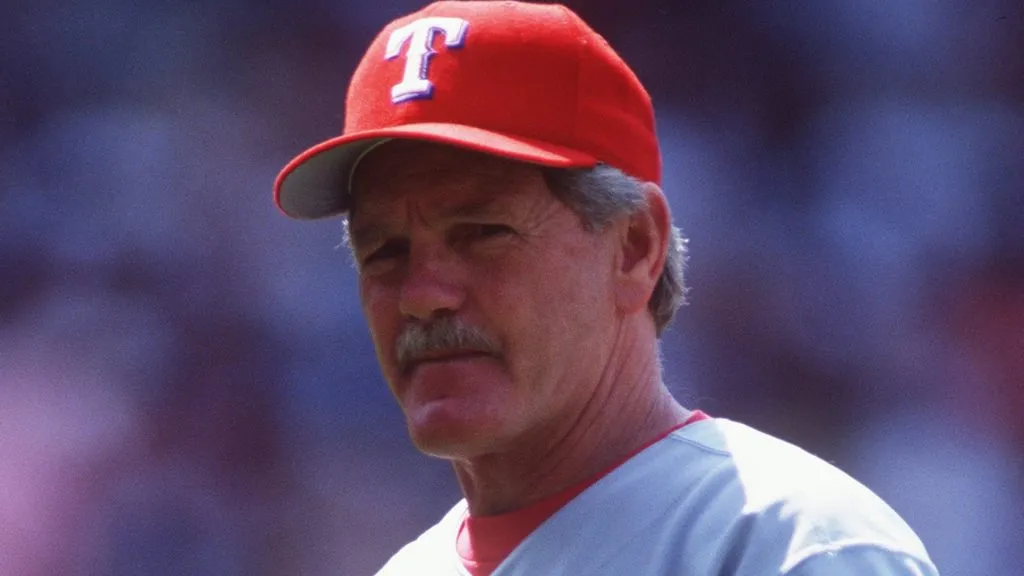
Johnny Oates (Source: Rick Stewart/ALLSPORT)
Johnny Oates earned his place among the best for having transformed the Rangers identity as their manager. Taking over in 1995, he led the club to its first ever postseason appearance (1996), and repeated that success in 1998 and 1999, claiming AL West titles each time.
His leadership helped rally a team that had long struggled to find footing in the playoff picture. Though postseason success was limited, his role in laying a foundation, forging culture, and ultimately having his number retired (#26) make him more than just a manager — a significant architect of Rangers’ rise.
Dean Palmer
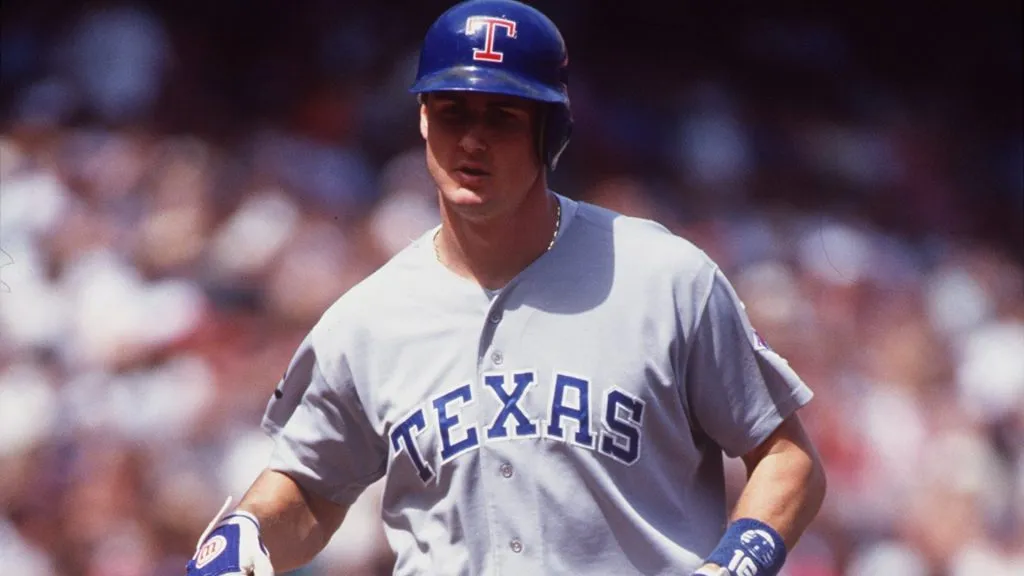
Dean Palmer (Source: Al Bello/ALLSPORT)
Dean Palmer was the go-to third baseman for the Rangers through much of the 1990s. Though he sometimes faced criticism for high strikeout totals, he delivered power—he had multiple 30-plus home run seasons with Texas—along with steady run production and occasional clutch moments.
He also provided a reliable glove at the hot corner and was part of the offensive core during Texas’ ascent toward postseason contention. His impact in the lineup solidified third base as one of his strongest positions in franchise history.