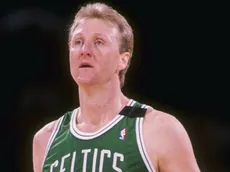
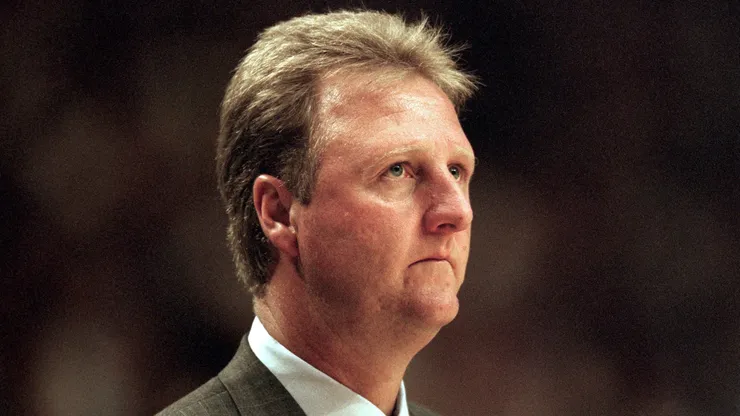
Larry Bird is undoubtedly one of the greatest legends the NBA has ever seen. A symbol of the league’s golden era, Bird is synonymous with the Boston Celtics, where he spent all 13 seasons of his illustrious career. During his time as a player, Bird secured three league MVP awards and played a pivotal role in leading the Celtics to three championships in 1981, 1984, and 1986.
Bird’s connection to the Celtics extended well beyond his playing days. After retiring, he seamlessly transitioned into a role in the team’s front office, believing he would never work for another organization. However, his perspective on loyalty and alignment with the team began to shift over time.
In his book Bird Watching: On Playing and Coaching the Game I Love, the Celtics icon revealed the exact moment when he realized his working relationship with the franchise was coming to an end.
“I knew my days with the Celtics were over when I told our owner that Sherman Douglas was the most valuable guy on our team, and then he traded him a month later,” Bird candidly shared.
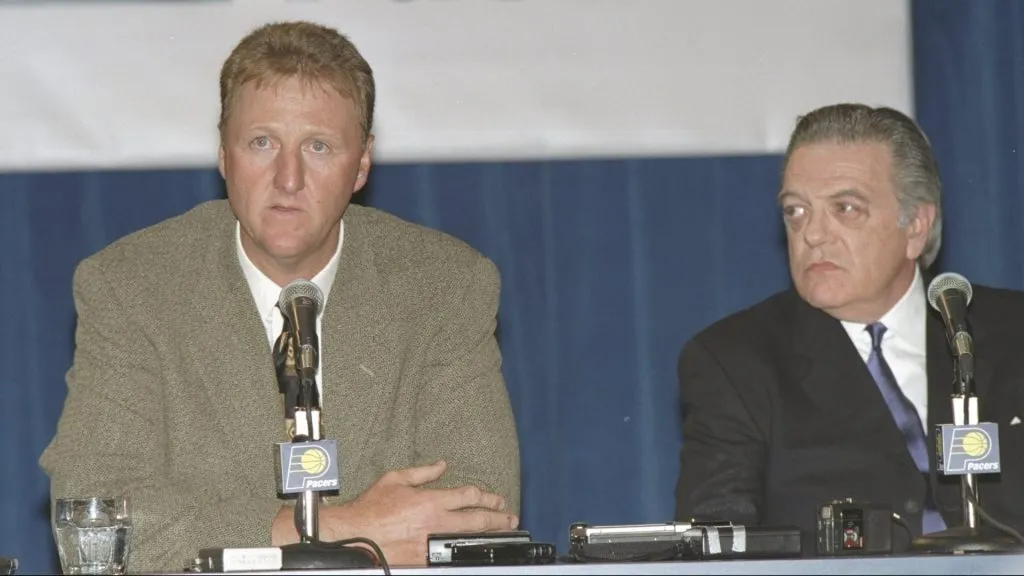
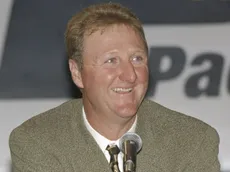
Larry Bird is introduced as the new Indiana Pacers head coach by team president Donnie Walsh. (Matthew Stockman /Allsport/ Getty Images)
Douglas’ trade marked a turning point
For Bird, the Douglas trade represented more than just a roster change—it symbolized a fracture in his working relationship with the organization. He felt his input was being disregarded.
“[They] would ask my advice about certain personnel moves, then turn around and do whatever they wanted,” Bird explained. “I mean, why ask my opinion if you don’t really care what I think?”
Bird’s post-Celtics career
After leaving the Celtics’ front office in 1997, Bird accepted an offer to become head coach of the Indiana Pacers, despite having no prior coaching experience. In his rookie season, he guided the Pacers to 58 wins, a significant improvement from the 39 victories the team posted the previous year, earning NBA Coach of the Year honors.
Bird’s coaching tenure culminated in leading the Pacers to the 2000 NBA Finals, where they fell to the Los Angeles Lakers in six games. In 2003, Bird returned to the Pacers as president of basketball operations, a position he held until 2017. During his tenure, he was named NBA Executive of the Year for the 2011-12 season.