
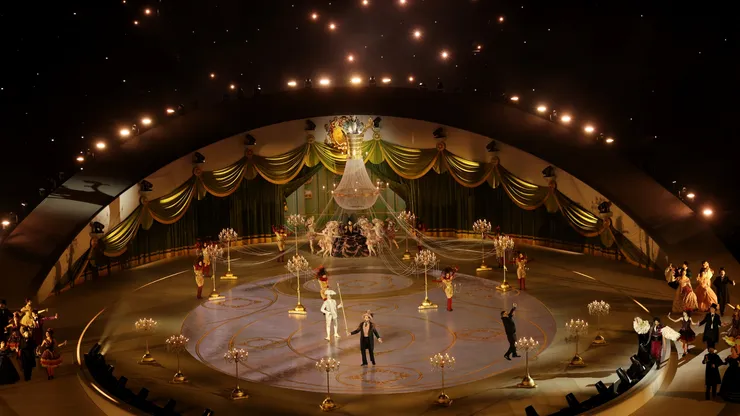
When the Milano‑Cortina 2026 Winter Olympics finale unfolded under the ancient arches of Verona’s Arena, the closing ceremony wasn’t just a theatrical farewell — it was the product of a sprawling human endeavor.
Behind the spectacle on stage lay layers of coordination, rehearsal and logistics. From dancers and musicians to technicians and volunteers, the workforce assembled for the ceremony numbered in the high hundreds.
Such gatherings highlight a recurring Olympic paradox: for every dazzling moment captured on camera, there are countless contributors working out of view. It was a testament to the scale of collaboration behind modern pageantry.
The workforce behind the closing ceremony
The Verona Arena, bathed in lights and Olympic pageantry, hosted the grand finale of the Milano‑Cortina 2026 Winter Games. But behind the dazzling performances, hundreds of people had been quietly orchestrating the spectacle for months, turning abstract concepts into synchronized motion.
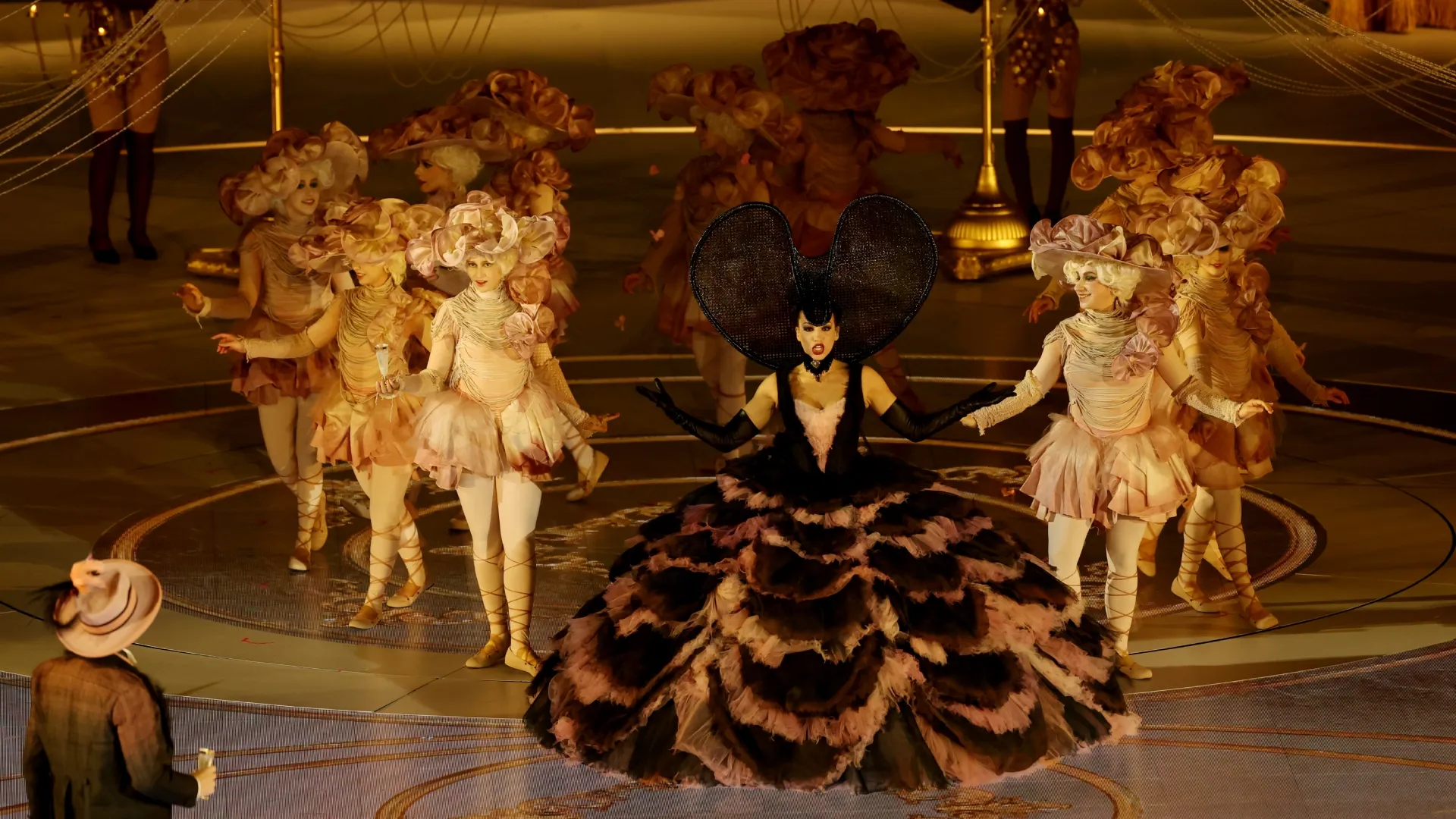
Carolina Lopez Moreno performs during the Milano Cortina 2026 Winter Olympics Closing Ceremony (Source: Dean Mouhtaropoulos/Getty Images)
Organizers confirmed that more than 1500 professionals and volunteers contributed to the ceremony, as Wired reported. Choreographers, costume designers, stage technicians and audio‑visual experts worked alongside performers.
Volunteers played a pivotal role in coordinating rehearsals, guiding athletes and managing logistics behind the scenes. Their work often went unnoticed, yet it was essential in maintaining the flow of the show, from the precise placement of props to the timing of music cues and pyrotechnics.
The ceremony also reflected Italy’s cultural identity, integrating music, dance and storytelling. Behind these artistic expressions were teams translating creative vision into reality — a reminder that while athletes compete for medals, equally monumental efforts unfold behind the curtain.