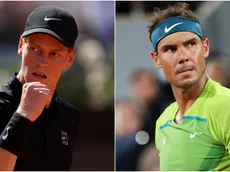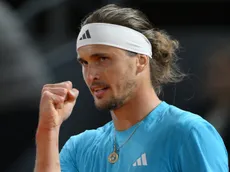
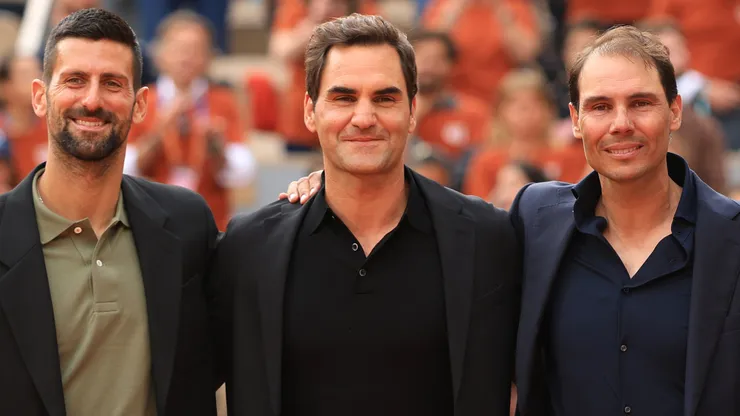
Roger Federer, Rafael Nadal, and Novak Djokovic have cemented their legacy as three of the greatest players in tennis history, boasting a staggering combined total of 66 Grand Slam titles. But according to Michael Chang, the youngest male player to ever win a Grand Slam, their impact extends far beyond their achievements on the court.
Chang, who won Roland Garros in 1989 at just 17 years old and faced off against Federer during his career, recently spoke with CLAY about how the “Big Three” revolutionized the locker room atmosphere.
“Federer and Nadal changed the culture in the locker room, to be honest with you. The generation that we followed was very competitive, didn’t really talk to each other,” Chang explained. “Roger, Rafa, and even Novak, they changed the culture very much so in the locker room”.
“On the court, it’s business. You want to play as hard as you can. But off the court, those guys were kind to everybody,” he continued. “Whether you are the ranked No 2 in the world or whether you are the 100th-ranked guy in doubles… They treated you like the same”.
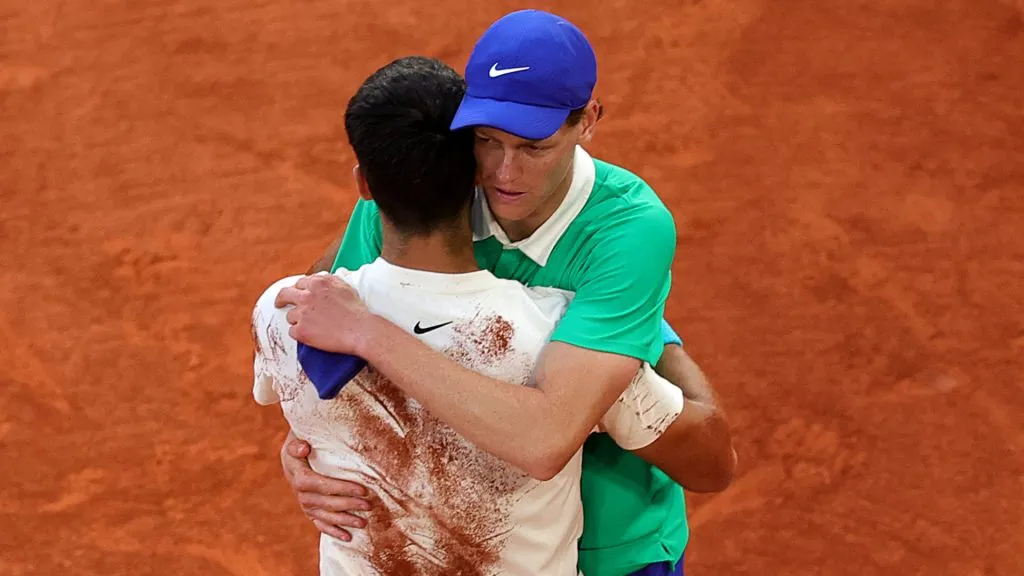
Carlos Alcaz hugs Jannik Sinner after their Roland Garros final. (Julian Finney/Getty Images)
Today’s stars continue the legacy of the ‘Big Three’
Chang noted that the current generation, led by players like Carlos Alcaraz and Jannik Sinner, has embraced the values introduced by Federer, Nadal, and Djokovic.
“I think that has carried on through this generation. Because they have respect for everybody,” Chang said. “Carlos and Jannik are great with their fellow players. They are great with the fans and with the kids. I have seen that first-hand. I think they have a very healthy respect for one another”.
Chang also reflected on the contrasting dynamics of earlier rivalries during the era of John McEnroe, Jimmy Connors, and Ivan Lendl. While those players respected each other professionally, there was little camaraderie off the court.
“Different than in years past, like a McEnroe-Connors or a McEnroe-Lendl. That was a little bit like not friends,” he continued. “I think their rivalry is one of intensity on the court, but a great deal of respect off the court”.