Pittsburgh’s baseball legacy is carved from decades of unforgettable talent. From historic pennant runs to dramatic playoff moments, the Pirates have showcased players whose impact resonates far beyond stat lines and highlight reels.
Some swung bats that could change a game in an instant, others commanded the field with precision and leadership, building eras of excellence. Together, they’ve forged a franchise identity rich in triumph, struggle and unforgettable moments.
Some of the greatest Pirates capture the essence of the team’s storied past. It’s a portrait of athletes whose talent, resilience, and flair turned Pittsburgh into a city synonymous with MLB passion and history.
Willie Stargell
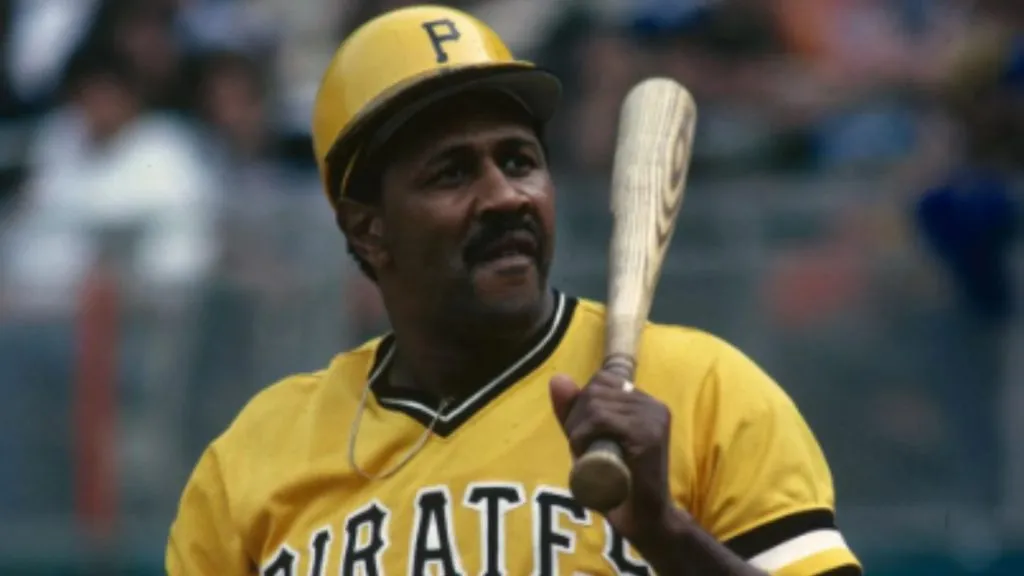
Willie Stargell (Source: Baseball Hall of Fame)
Willie Stargell, affectionately known as “Pops,” was the embodiment of power and leadership for the Pittsburgh Pirates during the 1970s. With 475 career home runs, he led the National League in homers in 1971 and 1973. His towering blasts became a symbol of the team’s resilience and spirit.
His influence extended beyond his bat; he was a unifying force in the clubhouse, earning the respect of teammates and opponents alike. In 1979, his leadership propelled the Pirates to a World Series title, a victory that resonated deeply within the Pittsburgh community. His legacy is immortalized with a statue at PNC Park, standing alongside fellow legends Roberto Clemente and Honus Wagner.
Barry Bonds
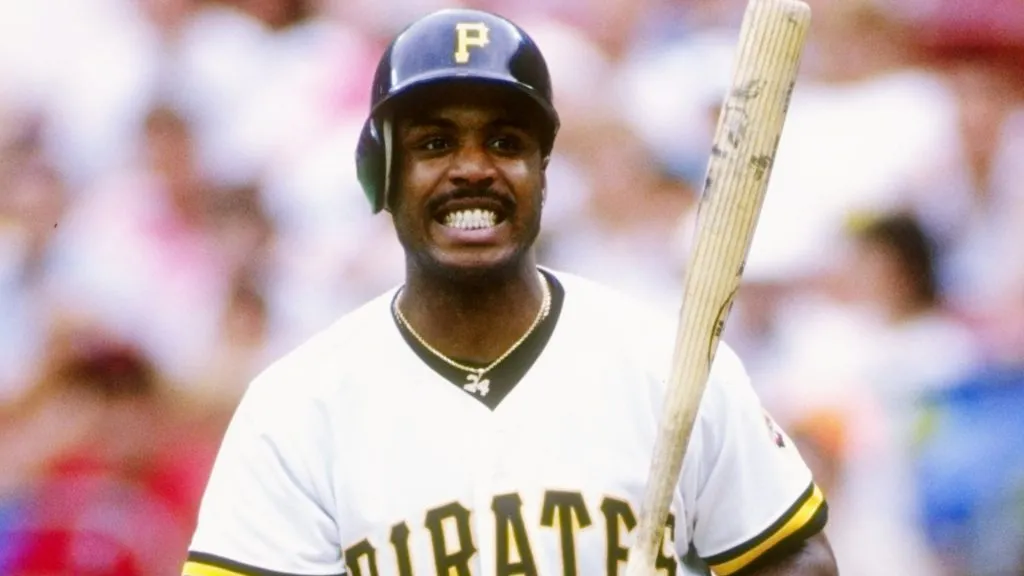
Barry Bonds (Source: Jeff Hixon /Allsport)
Barry Bonds‘ journey with the Pittsburgh Pirates was the prologue to a legendary career. Debuting in 1986, he quickly showcased his exceptional talent, earning National League Rookie of the Year honors.
His time in Pittsburgh laid the foundation for what would become a record-shattering career, including seven MVP awards and a total of 762 home runs. While his tenure with the Pirates was relatively brief, it was instrumental in shaping his path to becoming one of the most formidable hitters in baseball history.
Honus Wagner
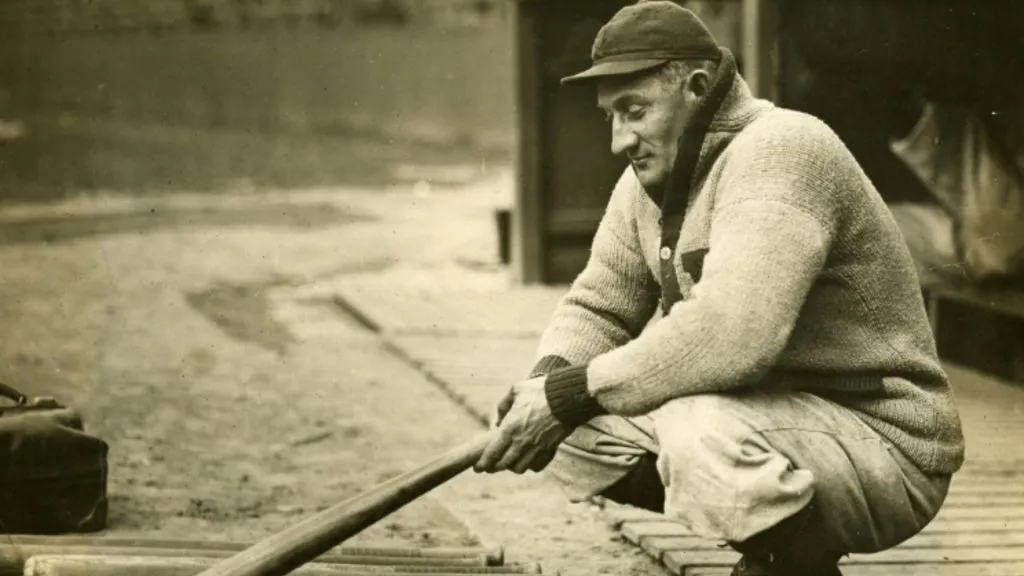
Honus Wagner (Source: Baseball Hall of Fame)
Honus Wagner, known as “The Flying Dutchman,” was a trailblazer in early 20th-century baseball. Playing 21 seasons with the Pirates, he was a versatile player, excelling both offensively and defensively.
He secured eight National League batting titles and was renowned for his speed and fielding prowess. His influence extended beyond his playing days, becoming a symbol of the sport’s integrity and skill. Inducted into the Hall of Fame in 1936, he remains a cornerstone of the Pirates’ storied history.
Babe Adams
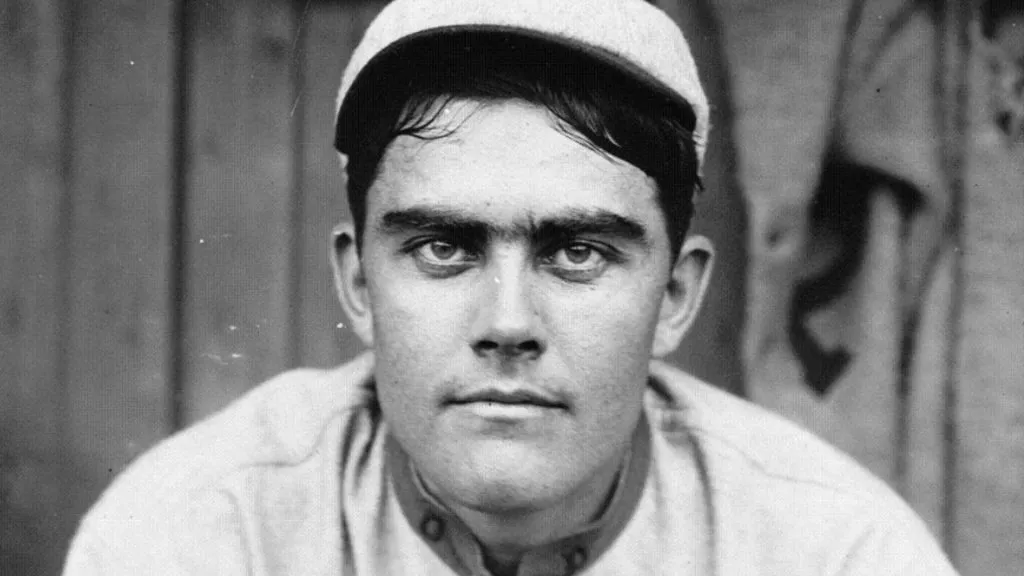
Babe Adams (Source: Society for American Baseball Research)
Babe Adams was a quiet yet formidable presence on the mound for the Pittsburgh Pirates. Debuting in 1906, he played a pivotal role in the team’s 1909 World Series victory, delivering a remarkable 1.11 ERA during the season.
His exceptional control and consistency made him a reliable starter, earning him a place among the franchise’s early pitching legends. His contributions were instrumental in establishing the Pirates as a competitive force in the early 20th century.
John Candelaria
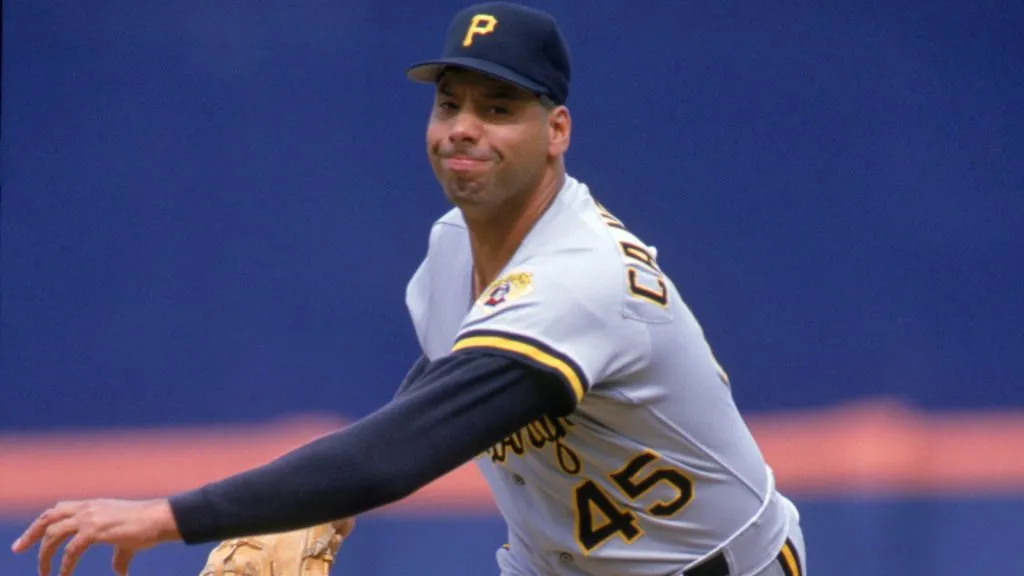
John Candelaria (Source: Stephen Dunn/Getty Images)
John Candelaria, affectionately known as “Candy Man,” was a dominant left-handed pitcher for the Pirates from 1975 to 1985. His imposing presence on the mound and ability to overpower hitters made him a key figure in the Pirates’ pitching rotation.
His performances were marked by his poise and precision, earning him an All-Star selection in 1977. His contributions were vital in maintaining the Pirates’ competitive edge during his tenure.
Al Oliver
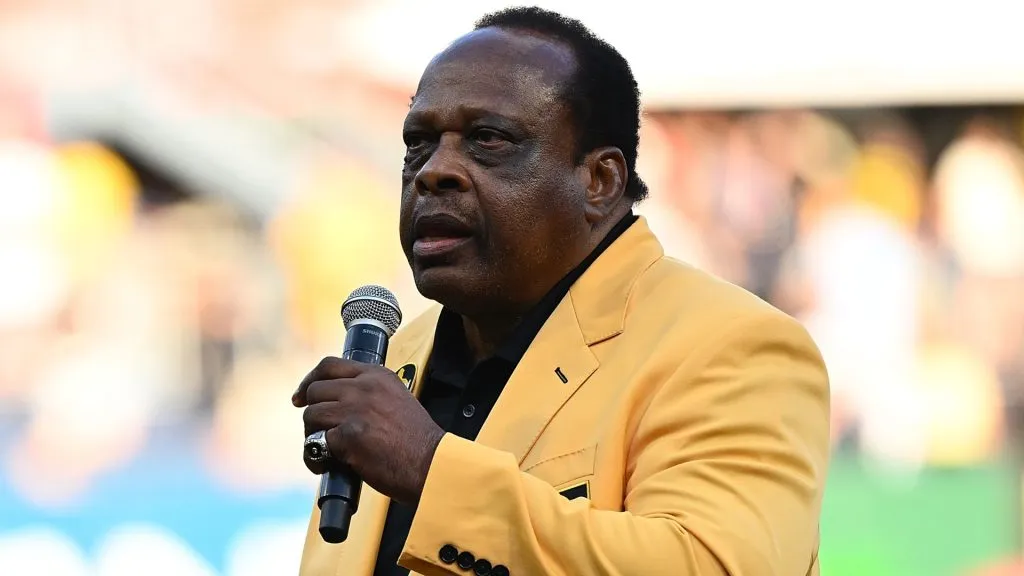
Al Oliver (Source: Justin Berl/Getty Images)
Al Oliver was a cornerstone of the Pittsburgh Pirates’ offense during the 1970s. Joining the team in 1968, he quickly established himself as a reliable hitter, leading the team in hits, doubles, and triples throughout the decade.
His consistency at the plate and ability to drive in runs were instrumental in the Pirates’ success, including their 1971 World Series championship. His contributions solidified his legacy as one of the franchise’s most dependable and skilled hitters.
Andy Van Slyke
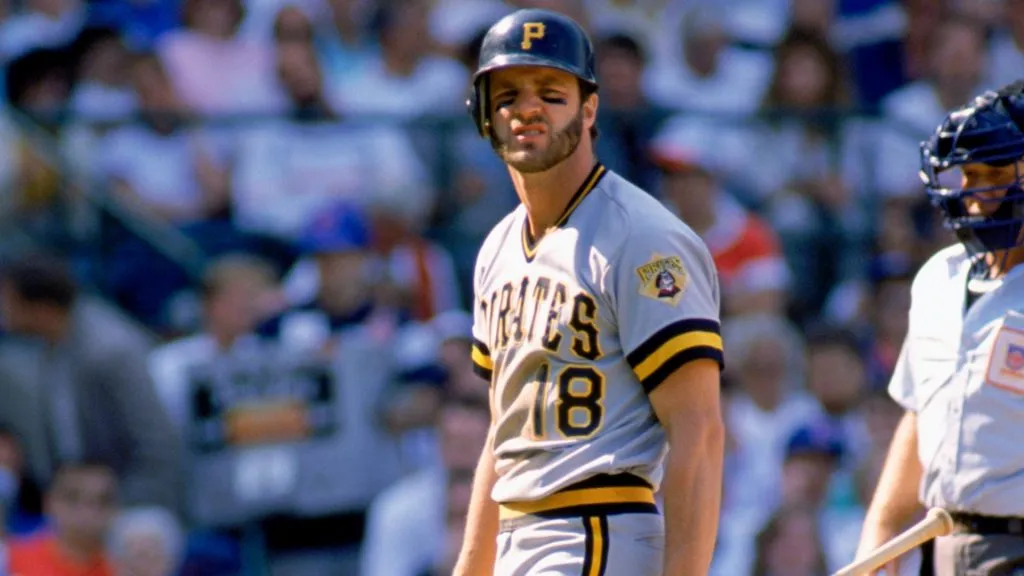
Andy Van Slyke (Source: Jonathan Daniel/Getty Images)
Andy Van Slyke was the embodiment of defensive excellence in the Pittsburgh Pirates’ outfield during the late 1980s and early 1990s. Acquired in a trade with the St. Louis Cardinals, he brought a level of athleticism and commitment that transformed the Pirates’ defense.
His exceptional range and ability to make highlight-reel catches earned him multiple Gold Glove awards. His presence not only bolstered the Pirates’ defense but also set a standard for future generations of outfielders.
Ralph Kiner
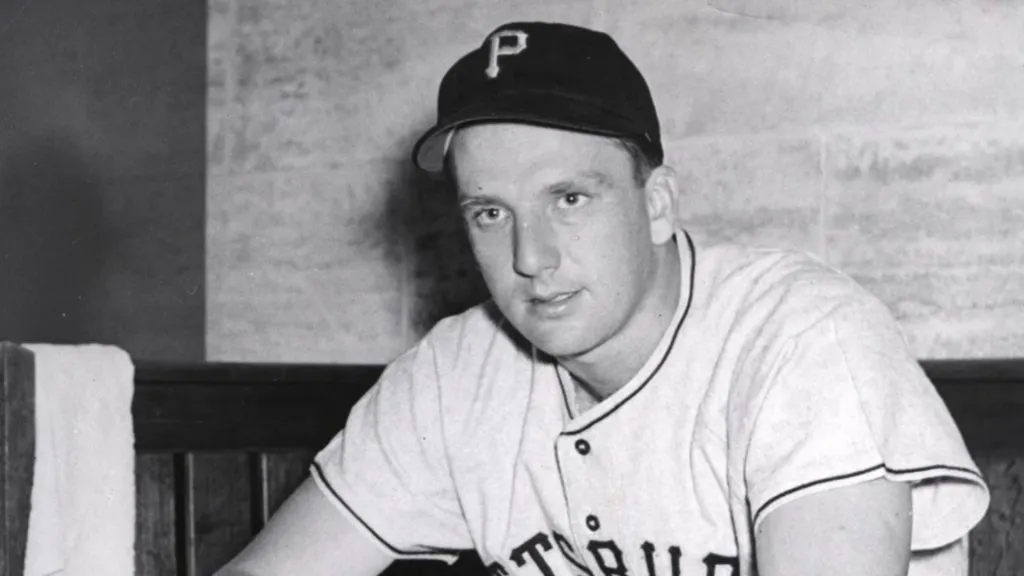
Ralph Kiner (Source: Baseball Hall of Fame)
Ralph Kiner‘s tenure with the Pittsburgh Pirates in the late 1940s and early 1950s was marked by unparalleled power hitting. Leading the National League in home runs for seven consecutive seasons, his prowess at the plate made him a formidable presence.
His ability to consistently clear the fences earned him a reputation as one of the game’s premier sluggers. Beyond his offensive contributions, his leadership and dedication to the game left an indelible mark on the Pirates’ legacy.
Paul Waner
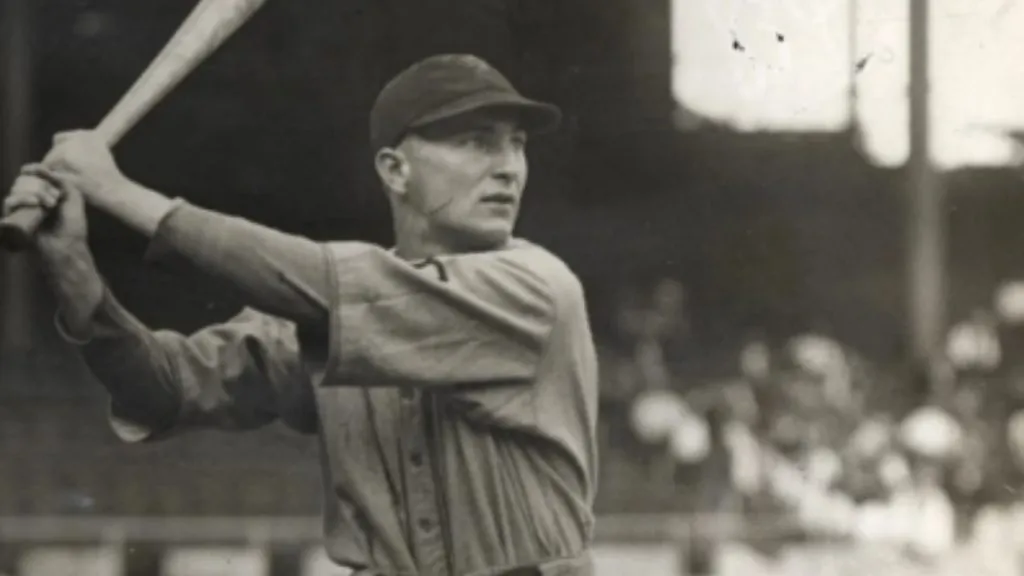
Paul Waner (Source: Baseball Hall of Fame)
Paul Waner, known as “Big Poison,” was a cornerstone of the Pittsburgh Pirates’ offense during the 1920s. With a career batting average of .333, he consistently delivered at the plate, accumulating over 3,000 hits.
His keen eye and ability to make contact set the tone for the Pirates’ lineup. He played a pivotal role in the team’s success, contributing to their 1927 National League pennant and earning the National League MVP award that same year.
Arky Vaughan
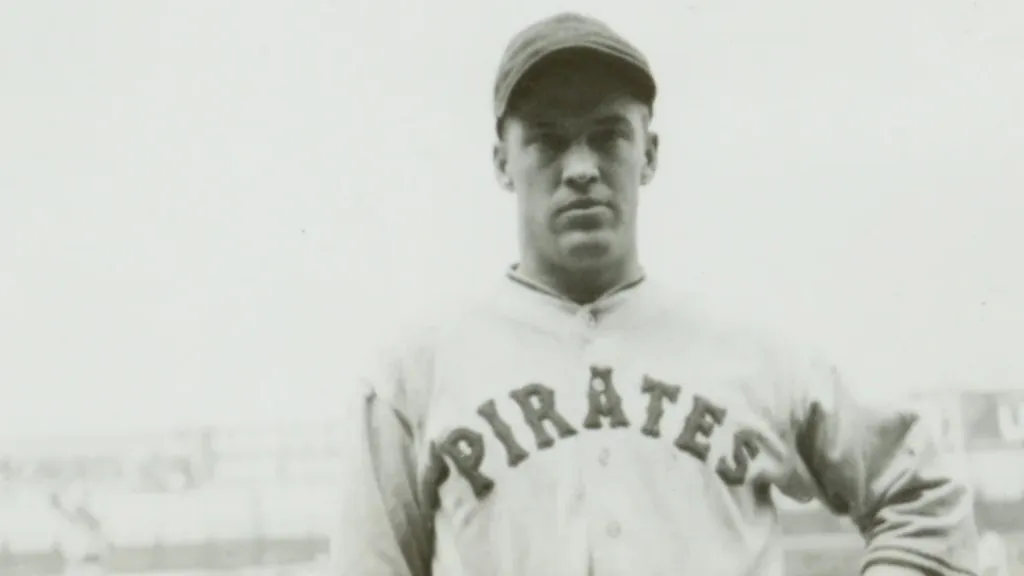
Arky Vaughan (Source: Baseball Hall of Fame)
Arky Vaughan‘s tenure with the Pittsburgh Pirates in the 1930s was characterized by his exceptional batting skills and defensive prowess. Retiring with a .318 career batting average, his 1935 season remains a franchise record with a .385 average and .491 on-base percentage.
His ability to consistently hit for average and his solid defensive play at shortstop made him one of the premier players of his era. Inducted into the Hall of Fame in 1985, his legacy continues to resonate in Pittsburgh’s baseball history.
Roberto Clemente
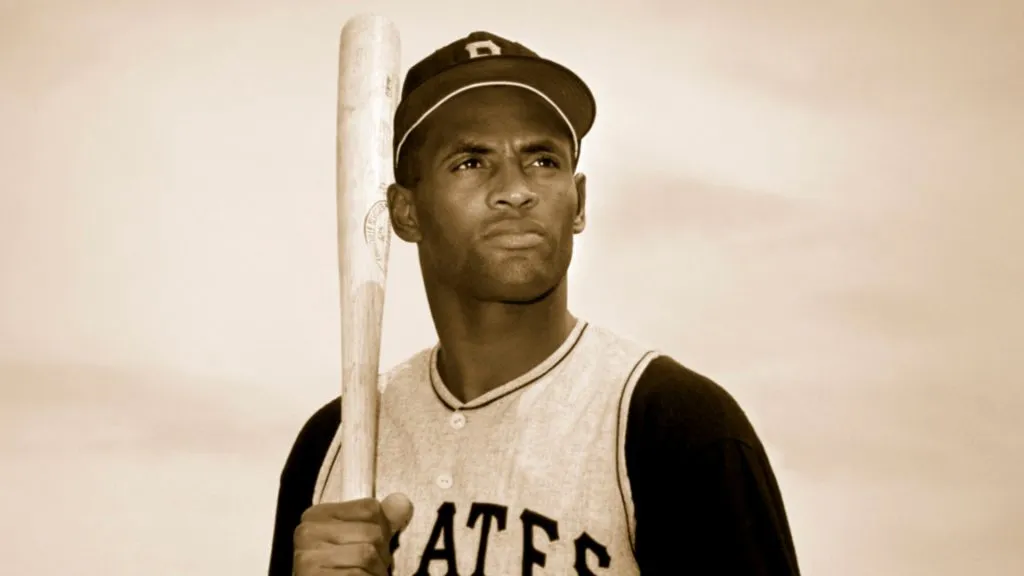
Roberto Clemente (Source: robertoclemente.com)
Roberto Clemente‘s impact on the Pittsburgh Pirates and the world extended far beyond his remarkable achievements on the field. With 3,000 career hits, 12 Gold Gloves, and an MVP award in 1966, he was a standout right fielder.
His humanitarian efforts, particularly his commitment to aiding Latin American countries, solidified his status as a global icon. Tragically, his life was cut short in a plane crash while delivering aid to Nicaragua, but his legacy endures through the Roberto Clemente Award, honoring players who exemplify his humanitarian spirit.
Max Carey
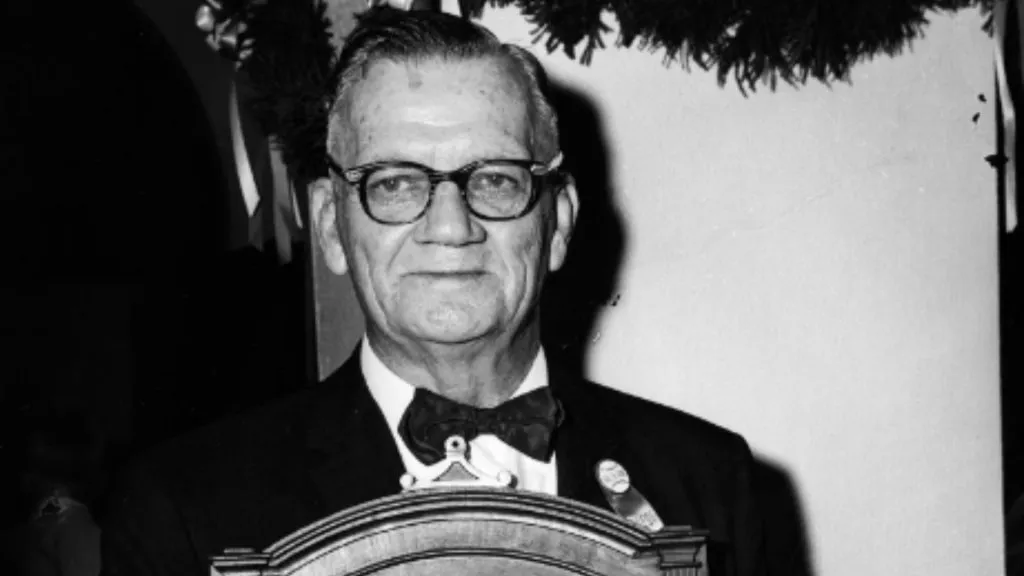
Max Carey (Source: Baseball Hall of Fame)
Max Carey‘s tenure with the Pittsburgh Pirates from 1910 to 1926 was marked by his exceptional speed and defensive capabilities. Leading the National League in stolen bases for ten seasons, he set a standard for base running that few could match.
His ability to cover ground in center field and his aggressive baserunning were instrumental in the Pirates’ success during his era. Inducted into the Hall of Fame in 1961, his contributions to the game are still celebrated today.
Fred Clarke
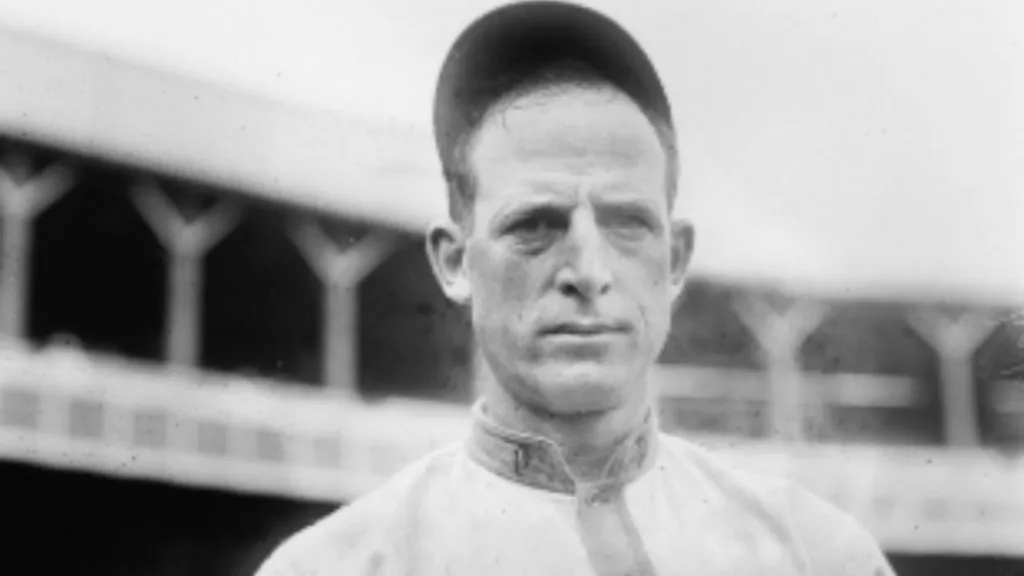
Fred Clarke (Source: Society for American Baseball Research)
Fred Clarke‘s dual role as both player and manager for the Pittsburgh Pirates in the early 1900s was instrumental in establishing a winning culture. With a .312 career batting average, he led by example on the field, while his strategic acumen guided the team to success.
Under his leadership, the Pirates secured the 1909 World Series title, a testament to his effective management and leadership skills. Inducted into the Hall of Fame in 1945, his legacy as a pioneer in baseball’s managerial history endures.
Wilbur Cooper
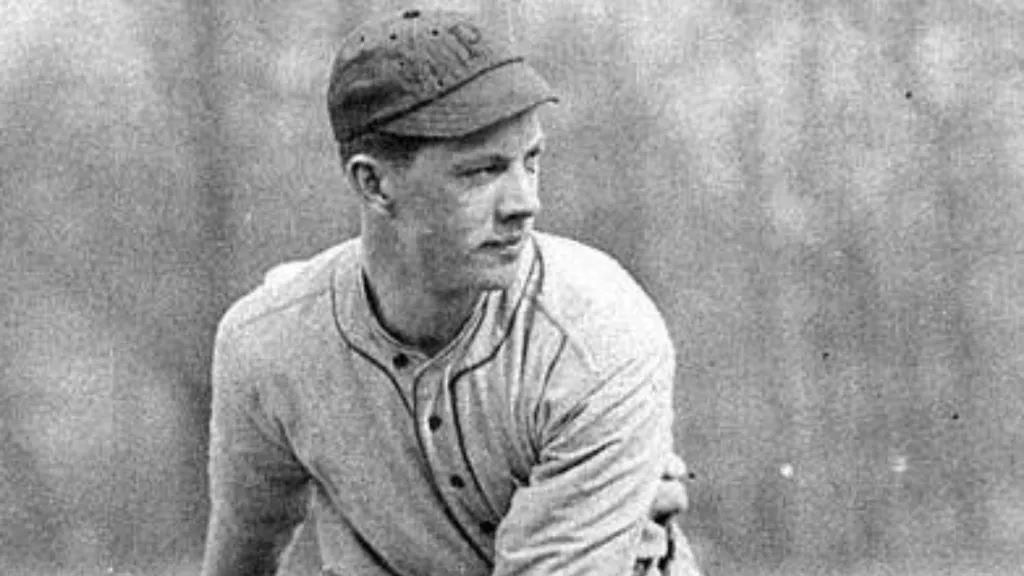
Wilbur Cooper (Source: This Day In Baseball)
Wilbur Cooper‘s contributions to the Pittsburgh Pirates’ pitching staff in the early 20th century were marked by his durability and consistency. As the first National League left-hander to win 200 games, his ability to take the mound regularly and deliver quality starts made him a cornerstone of the Pirates’ rotation.
With a career ERA of 2.89 and over 1,250 strikeouts, his performances were instrumental in the team’s competitive standing during his era. His legacy as a reliable and effective pitcher remains a significant part of the Pirates’ history.
Dave Parker
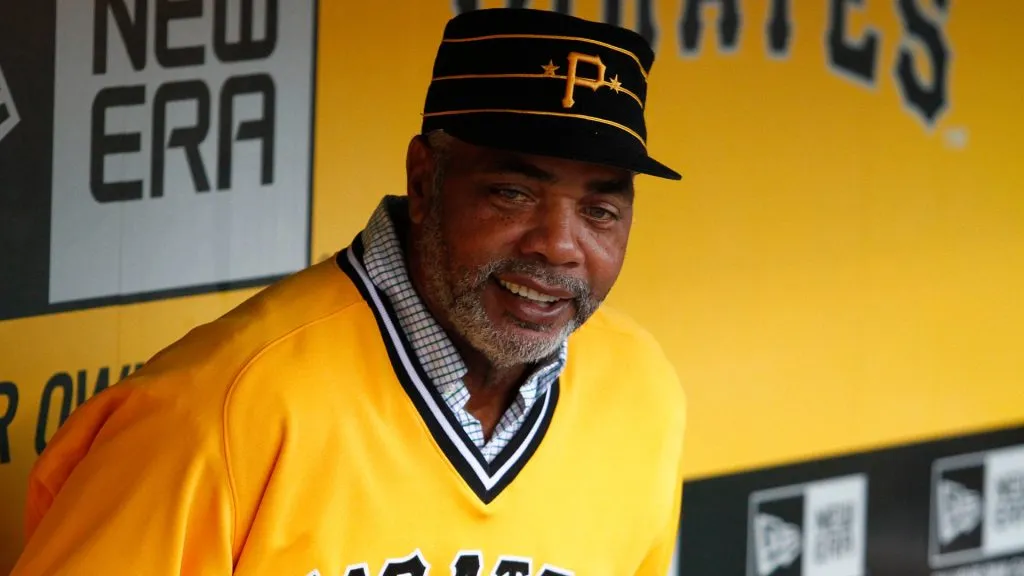
Dave Parker (Source: Justin K. Aller/Getty Images)
Dave Parker, known as “The Cobra,” brought a unique blend of power, precision, and personality to the Pittsburgh Pirates during the 1970s and 1980s. With a career .290 batting average, 339 home runs, and 1,493 RBIs, his offensive prowess was complemented by his three Gold Glove awards in the outfield.
His leadership and contributions were pivotal in the Pirates’ 1979 World Series championship. Inducted into the Pirates Hall of Fame in 2022, his legacy continues to inspire future generations.
Sam Leever
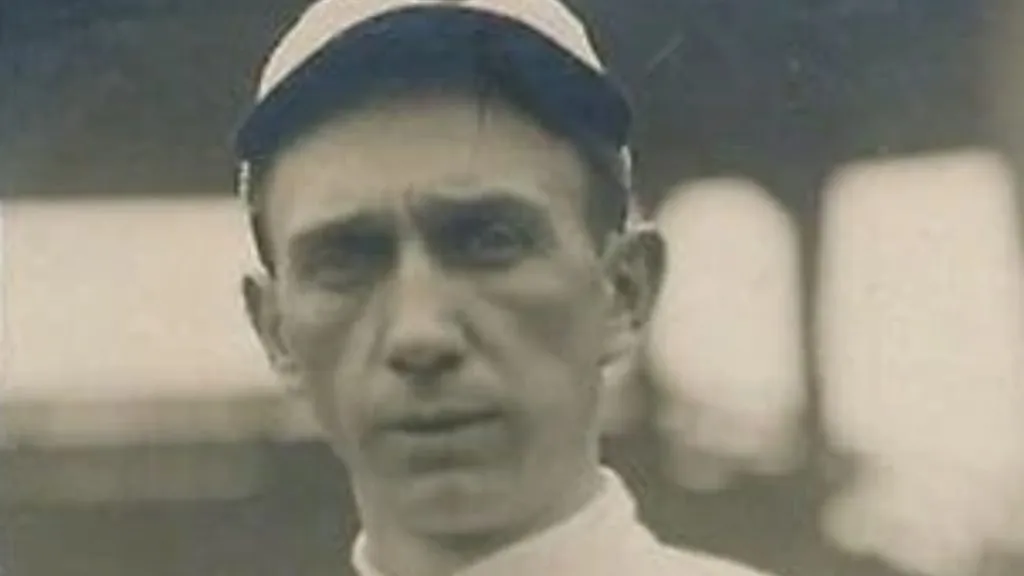
Sam Leever (Source: Baseball Wiki – Fandom)
Sam Leever‘s role as a pitcher for the Pittsburgh Pirates in the early 1900s was characterized by his consistency and effectiveness. With a career ERA of 2.47, he was known for his ability to keep hitters off balance and manage games effectively.
His steady performances contributed to the Pirates’ competitiveness during his tenure. While not as widely recognized as some of his contemporaries, his contributions were integral to the team’s success in the early 20th century.
Mark Ellis
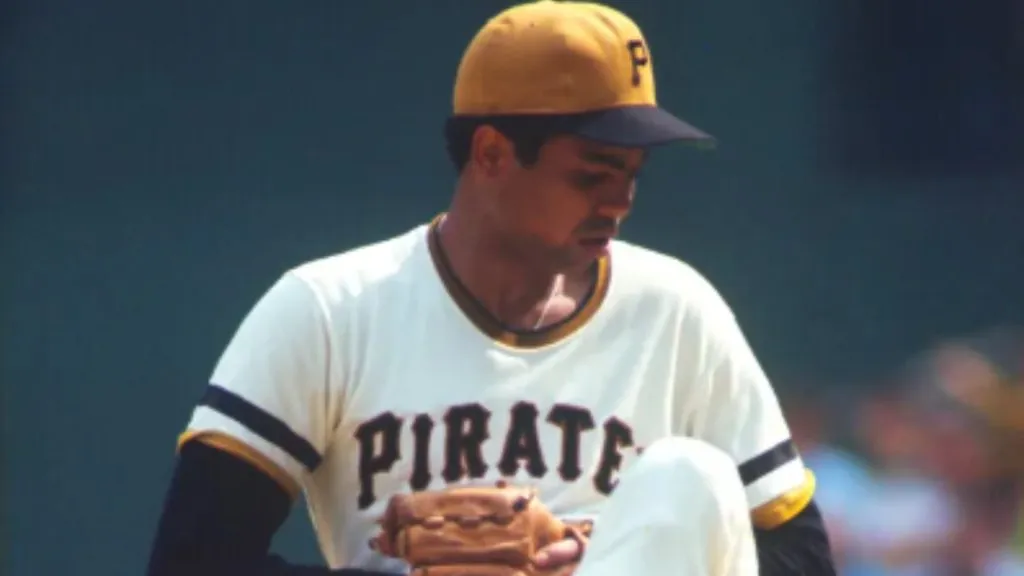
Mark Ellis (Source: talkSPORT)
Mark Ellis, though not a Pirate by birth, etched his name into Pittsburgh’s baseball lore during his brief tenure with the team. Known for his impeccable defensive skills, he boasted a career .991 fielding percentage, ranking among the top second basemen in MLB history.
His swift reflexes and sharp instincts made him a reliable presence in the infield. While his time with the Pirates was short-lived, his contributions to the game left a lasting impression.
Bob Friend
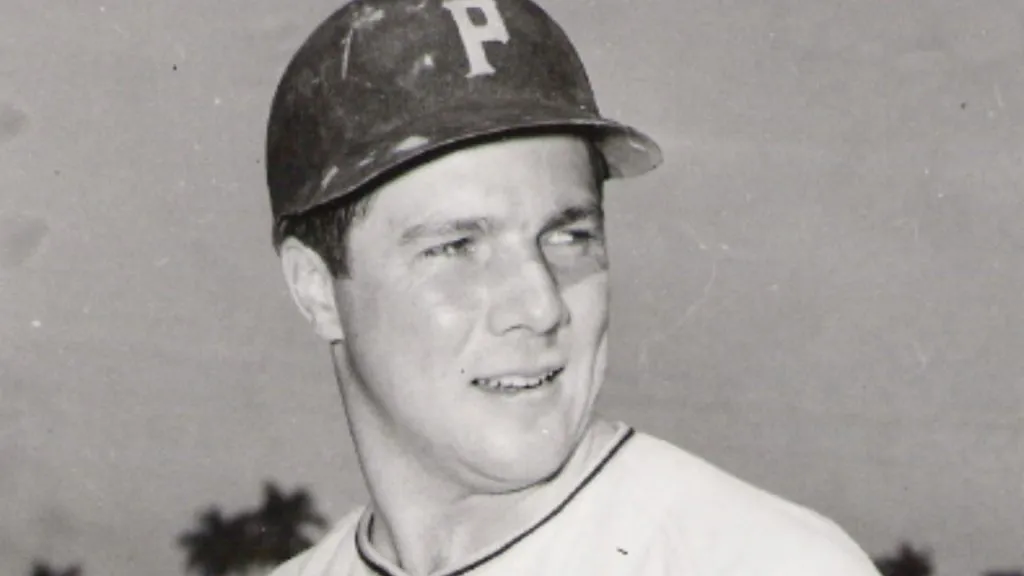
Bob Friend (Source: Baseball History Comes Alive)
Bob Friend, affectionately known as “The Warrior,” was a mainstay in the Pirates’ pitching rotation during the 1960s. With a career spanning over a decade, his consistency and durability were his trademarks. He amassed 197 wins and 1,734 strikeouts, solidifying his reputation as a reliable starter. His contributions were pivotal in the Pirates’ success during his era.
Lloyd Waner
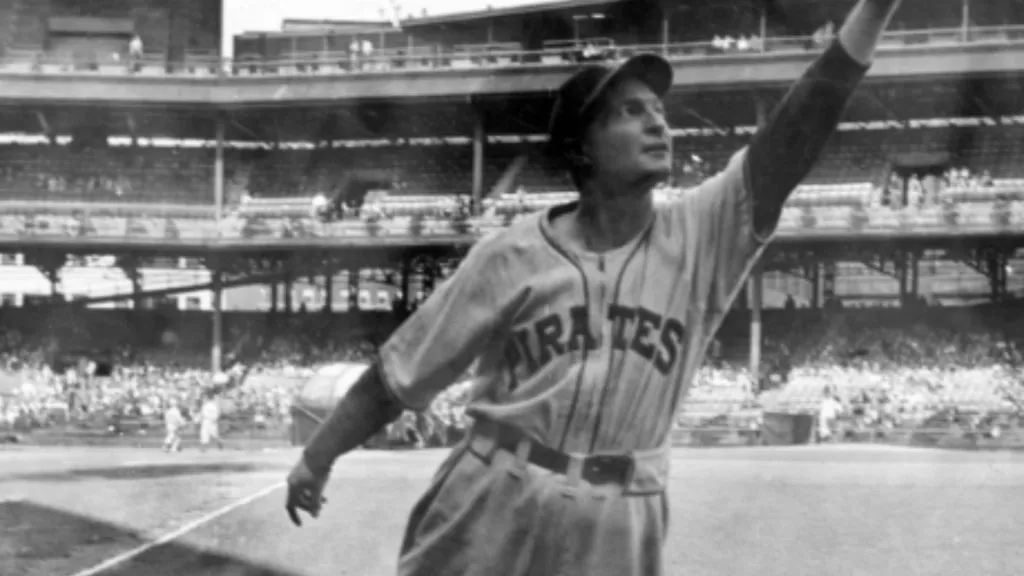
Lloyd Waner (Source: Baseball Hall of Fame)
Lloyd Waner, the younger brother of Paul Waner, carved out his own legacy with the Pirates. Known for his speed and defensive prowess, he amassed over 2,500 hits in his career. His ability to cover ground in center field and his swift baserunning made him a valuable asset to the team. While overshadowed by his brother’s fame, his contributions were integral to the Pirates’ success.
Tommy Leach
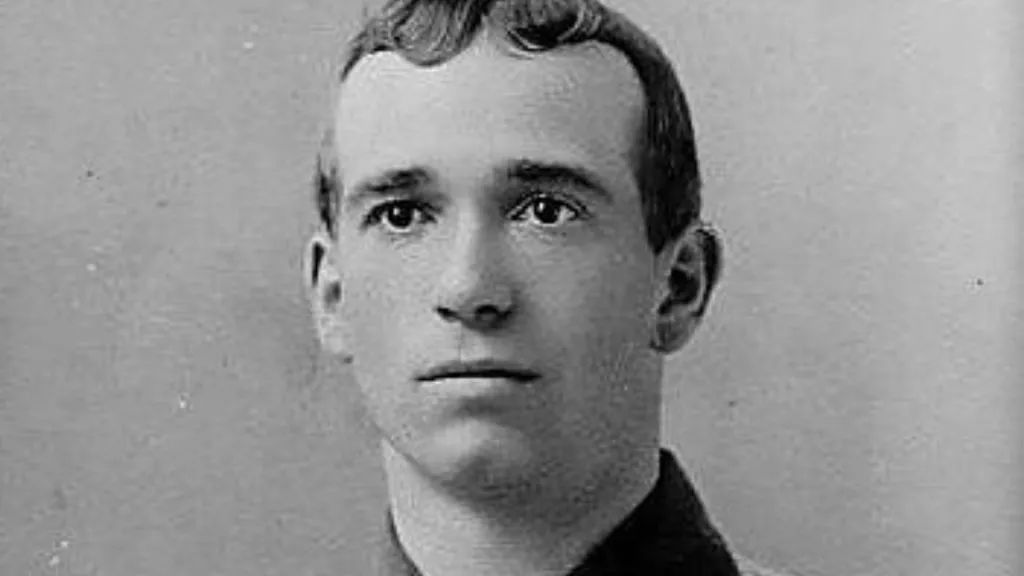
Tommy Leach (Source: This Day In Baseball)
Tommy Leach was a pioneer of versatility in early 20th-century baseball. He played multiple positions, including shortstop, second base, and third base, showcasing his adaptability. He led the National League in home runs in 1902 with six and played in the first modern World Series in 1903 with the Pirates, hitting four triples to set a record that still stands. His ability to excel in various roles made him a valuable asset to the team.
Andrew McCutchen
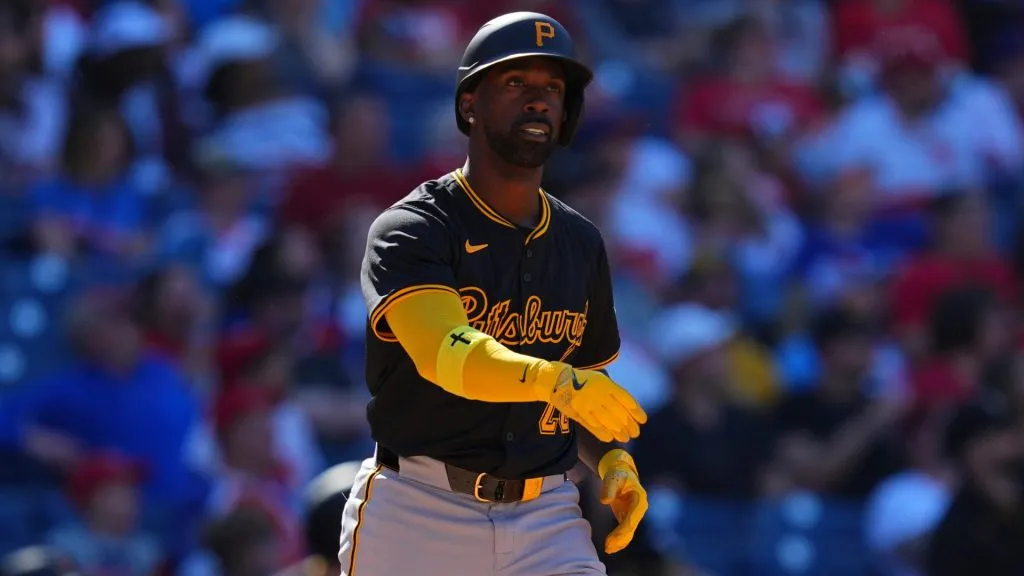
Andrew McCutchen (Source: Mitchell Leff/Getty Images)
Andrew McCutchen, often referred to as “Cutch,” was the face of the Pirates for over a decade. Debuting in 2009, his dynamic playstyle and leadership qualities quickly endeared him to fans.
He was a five-time All-Star and the 2013 National League MVP, leading the Pirates to their first postseason appearance in over two decades. His return to Pittsburgh in 2024 was met with widespread acclaim, reaffirming his status as a franchise legend.
Pie Traynor
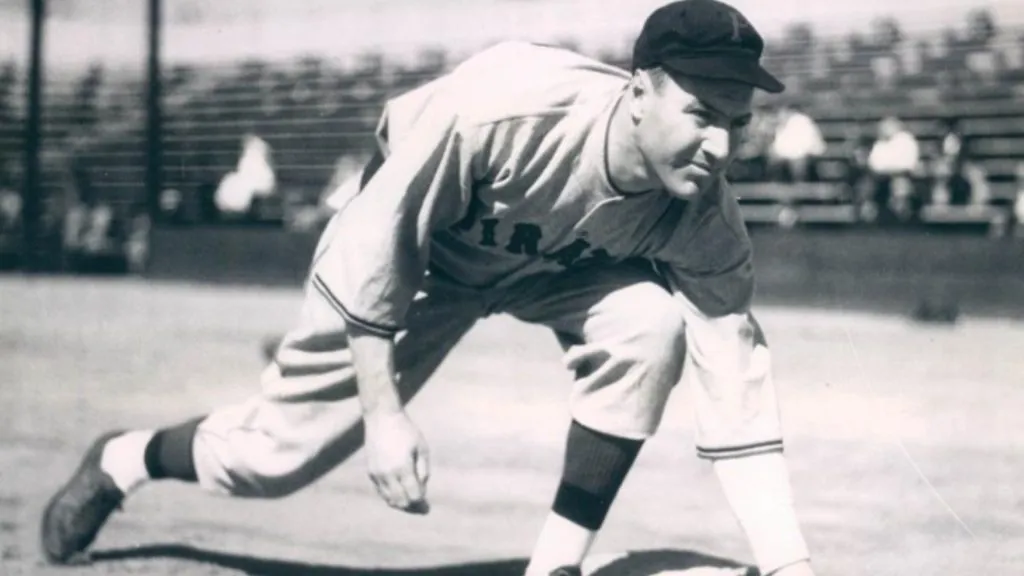
Pie Traynor (Source: This Day In Baseball)
Pie Traynor was widely regarded as the premier third baseman of his era. His defensive prowess and consistent batting made him a cornerstone of the Pirates’ lineup. His leadership on and off the field set a standard for excellence, earning him a place in the Baseball Hall of Fame in 1948. His legacy continues to influence the game today.
Bill Mazeroski
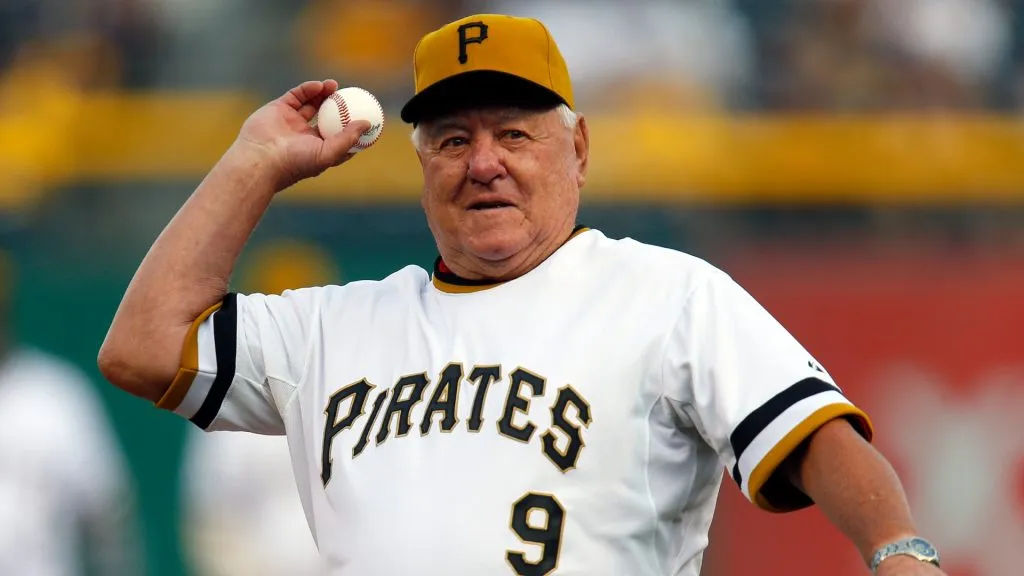
Bill Mazeroski (Source: Justin K. Aller/Getty Images)
Bill Mazeroski‘s name is forever linked to the 1960 World Series, thanks to his legendary walk-off home run in Game 7. A stalwart second baseman, his defensive skills were unparalleled, earning him ten Gold Glove awards. His clutch performances and leadership were instrumental in the Pirates’ success during the 1960s.
Vern Law
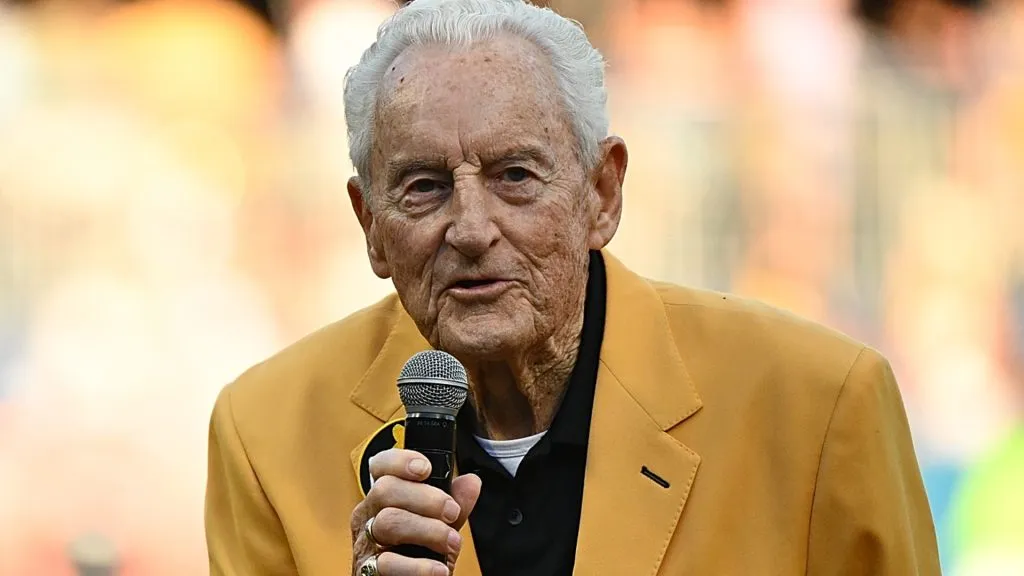
Vern Law (Source: Justin Berl/Getty Images)
Vern Law‘s 1960 season remains one of the most remarkable in Pirates history. Not only did he secure a 20-9 record, but he also won the Cy Young Award, becoming the first Pirate to do so. His contributions were pivotal in the Pirates’ World Series victory that year. His legacy as a dominant pitcher endures in Pittsburgh’s rich baseball history.
Gus Suhr
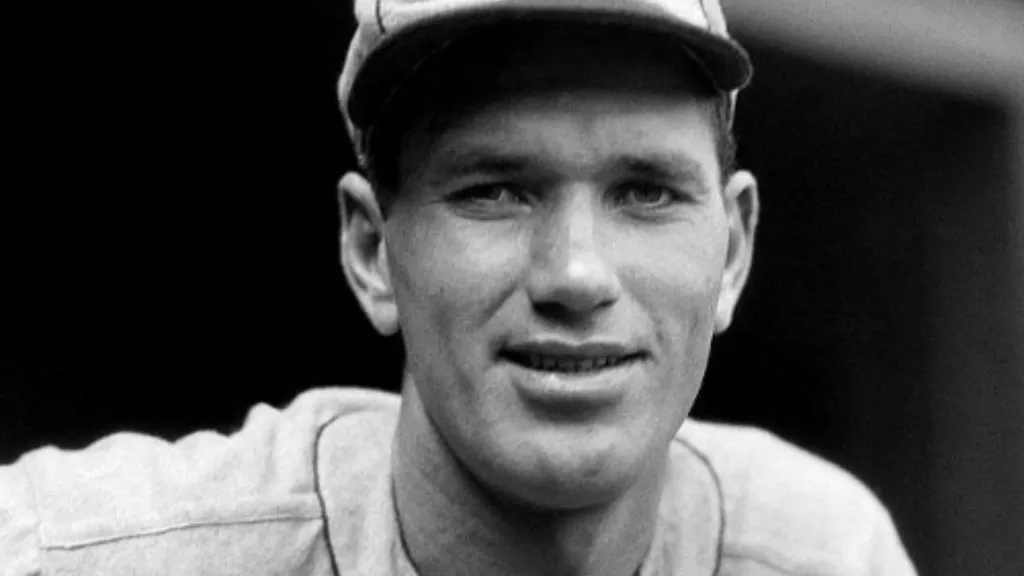
Gus Suhr (Source: This Day In Baseball)
Gus Suhr anchored first base for the Pirates throughout the 1930s, a steady presence in an era defined by grit and grind. Debuting in 1930, he quickly became known for his consistency at the plate and his dependability in the field.
Durability was his calling card. From 1931 to 1937, he played in 822 consecutive games, a National League record at the time. In his rookie campaign, he belted 17 homers and drove in 107 runs, establishing himself as a reliable run-producer.
By the end of his Pittsburgh tenure, he carried a .279 batting average, logged more than 1,300 games at first base, and earned an All-Star nod in 1936. He wasn’t the flashiest Pirate, but his toughness and reliability made him indispensable to the franchise’s fabric.