The Dodgers’ story is more than a tale of wins and losses; it is a saga colored by unforgettable names who shaped baseball. From Brooklyn’s early diamond battles to Los Angeles’ bright lights, their legacy is written by icons.
Some brought dynasties to life, others carried heartbreaks on their shoulders, but all left marks that echoed beyond the scoreboard. To wear Dodger Blue has meant embodying resilience, brilliance and a spirit that defined entire eras.
This is not just a ranking, but a journey through decades of MLB excellence. Legends emerge, moments resurface and the heartbeat of a franchise reveals itself through the stories of extraordinary players who defined generations.
Sandy Koufax
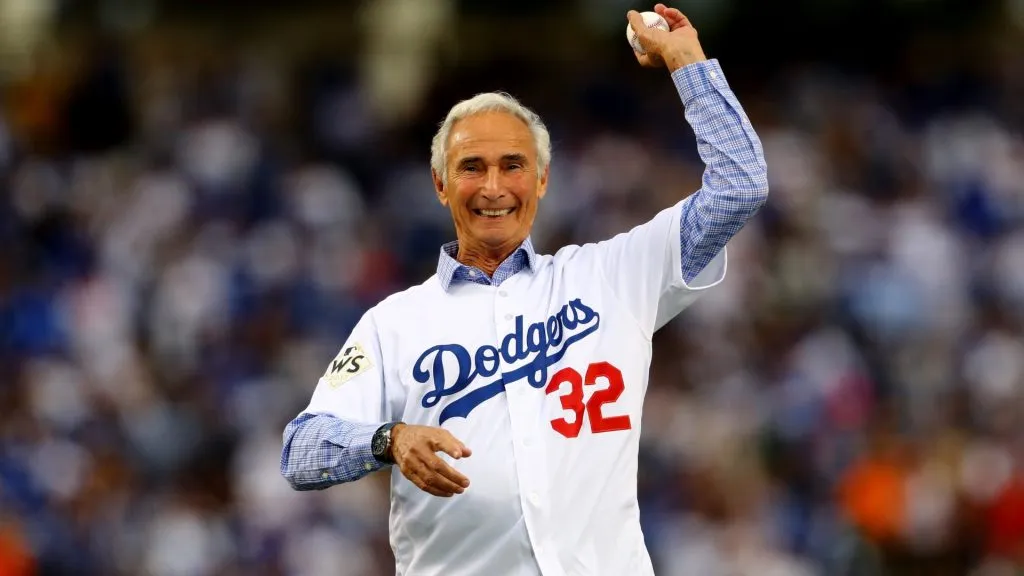
Sandy Koufax throws out the ceremonial first pitch before game seven of the 2017 World Series. (Source: Tim Bradbury/Getty Images)
A left-handed force in an era of giants, Sandy Koufax distilled dominance in every pitch. His perfect game in 1965—marked by 14 strikeouts, the first thrown at night, and only two baserunners allowed—etched him into Dodger lore as both precision artist and fierce competitor.
Beyond the mound, he embodied integrity, famously choosing faith over fame by sitting out a World Series game for Yom Kippur. Though his career spanned just 12 seasons, his impact—165 wins, Hall of Fame honors, and unmistakable legacy—far outweighs its length.
Don Drysdale
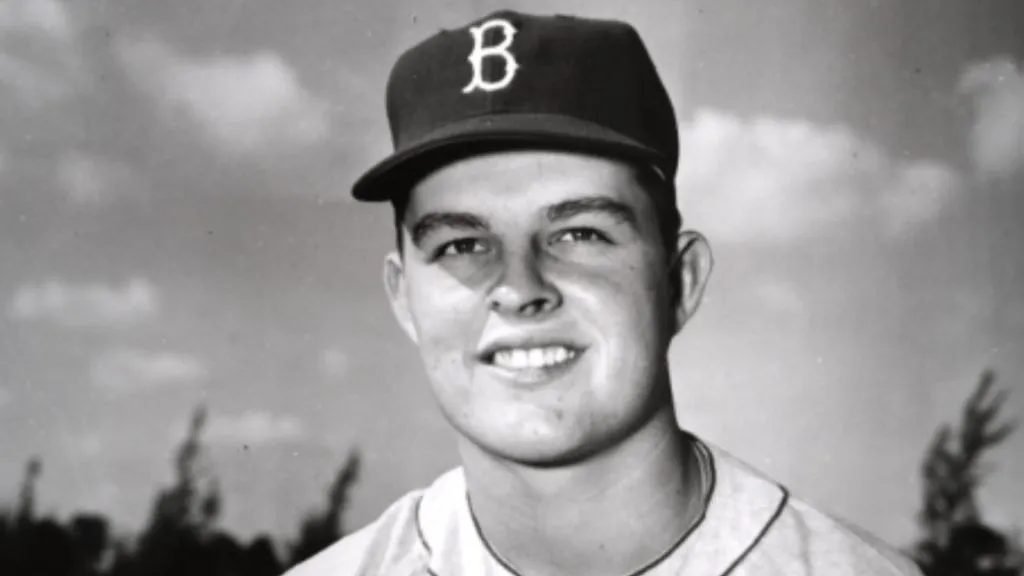
Don Drysdale (Source: Baseball Hall of Fame)
Nicknamed “Big D,” Don Drysdale was the living embodiment of intimidation. With a sidearm fastball and a flair for the brushback pitch, he dominated hitters, famously treating home plate as if only the middle belonged to batters.
His 58.2 consecutive scoreless innings in 1968—and six consecutive shutouts—remained a benchmark of pitching excellence for decades. A three-time World Series champion and Cy Young winner, he wasn’t just a power arm; he was a gritty competitor and, later, a resonant voice in broadcasting.
Jackie Robinson
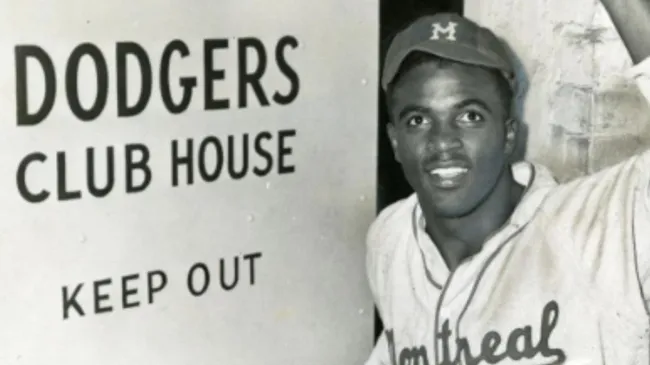
Jackie Robinson (Source: Baseball Hall of Fame)
More than an athlete, Jackie Robinson was a catalyst for change. As the first Black player in modern Major League Baseball, he shattered the sport’s color barrier in 1947—a debut that reverberated far beyond the diamond.
With a .313 career batting average, Rookie of the Year and MVP honors, and six consecutive All-Star appearances, his achievements were as extraordinary as his courage. He helped usher in the Dodgers’ first World Series win in 1955, casting a hopeful shadow over American culture and civil rights.
Don Sutton
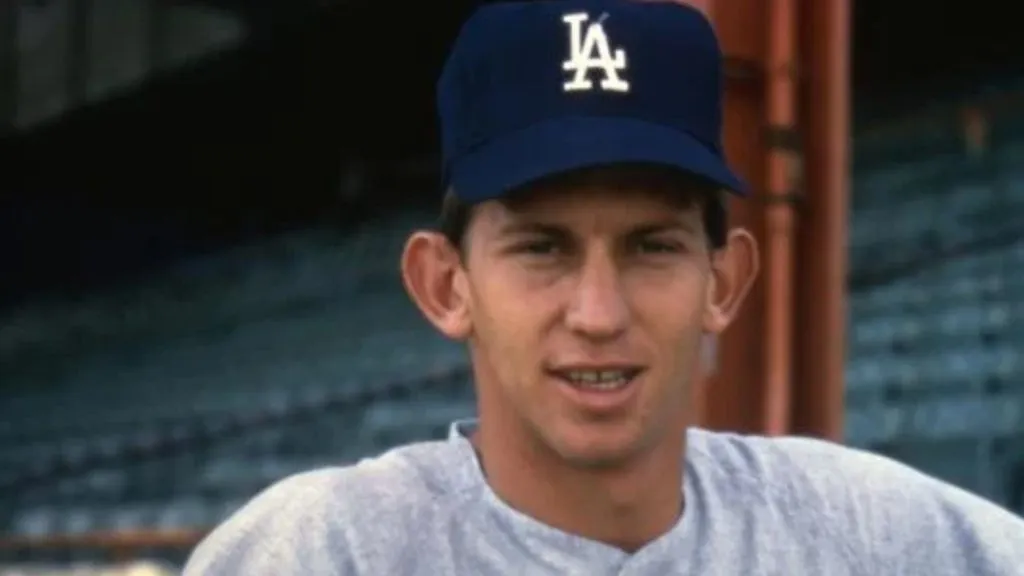
Don Sutton (Source: Baseball Hall of Fame)
The model of durable excellence, Don Sutton spent 16 of his 23 MLB seasons in Dodger blue. He amassed 324 career wins and ranked among the top all-time strikeout leaders—a testament to both longevity and consistency.
Unlike flashier stars, his quiet precision and workhorse ethic forged him into a pitcher’s pitcher. After playing, he shifted seamlessly into broadcasting, reinforcing his calling for the game off the field as well as on.
Duke Snider
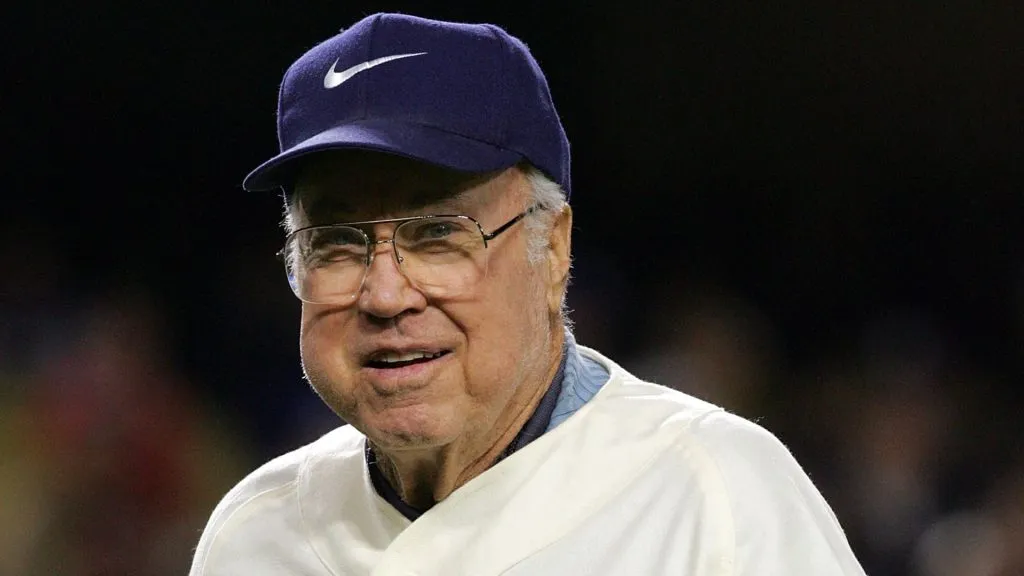
Duke Snider throws out the first pitch before the Dodgers take on the Chicago Cubs in Game Three of the NLDS during the 2008 MLB playoffs. (Source: Lisa Blumenfeld/Getty Images)
A cornerstone of the Dodgers’ powerful attack in mid-century, Duke Snider‘s smooth swing and stadium presence made him a fan favorite. While detailed stats here are limited, his role as one of Brooklyn’s offensive leaders helped shape the franchise’s identity—imbuing it with a blend of star power and consistency that resonated deeply with fans.
Pedro Guerrero
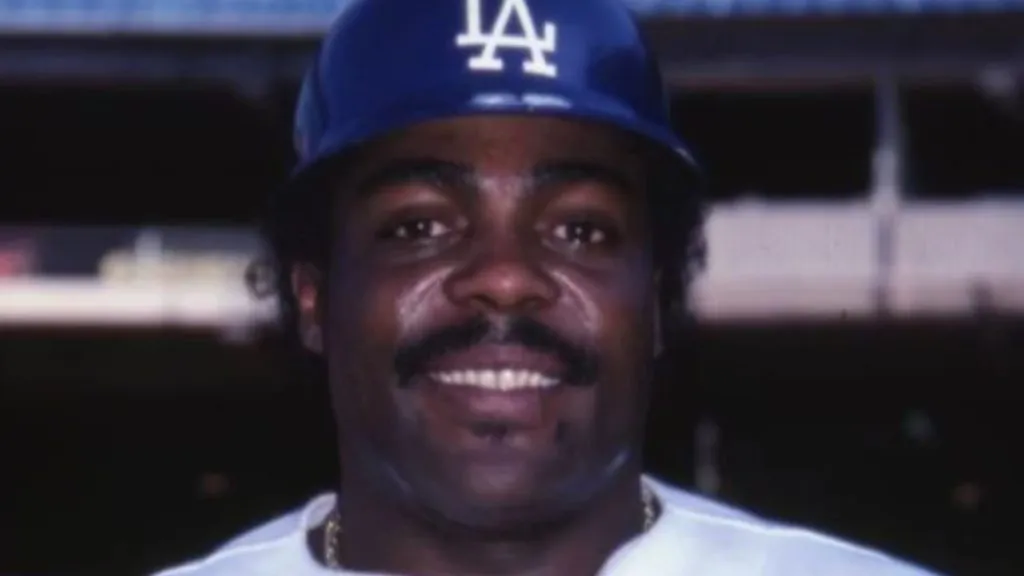
Pedro Guerrero (Source: Baseball Hall of Fame)
Pedro Guerrero, a Dominican powerhouse, brought a unique blend of power and versatility to the Dodgers’ lineup during his tenure from 1978 to 1988. Known for his explosive bat, he led the team in batting average, home runs, RBIs, and slugging percentage in 1981, earning him the World Series MVP.
In 1985, he made history as the first Dodger to hit 30 home runs and steal 20 bases in a single season, showcasing his all-around prowess. Despite facing personal challenges later in life, including a legal battle and a life-threatening stroke, his resilience and contributions to the Dodgers’ legacy remain indelible.
Fernando Valenzuela
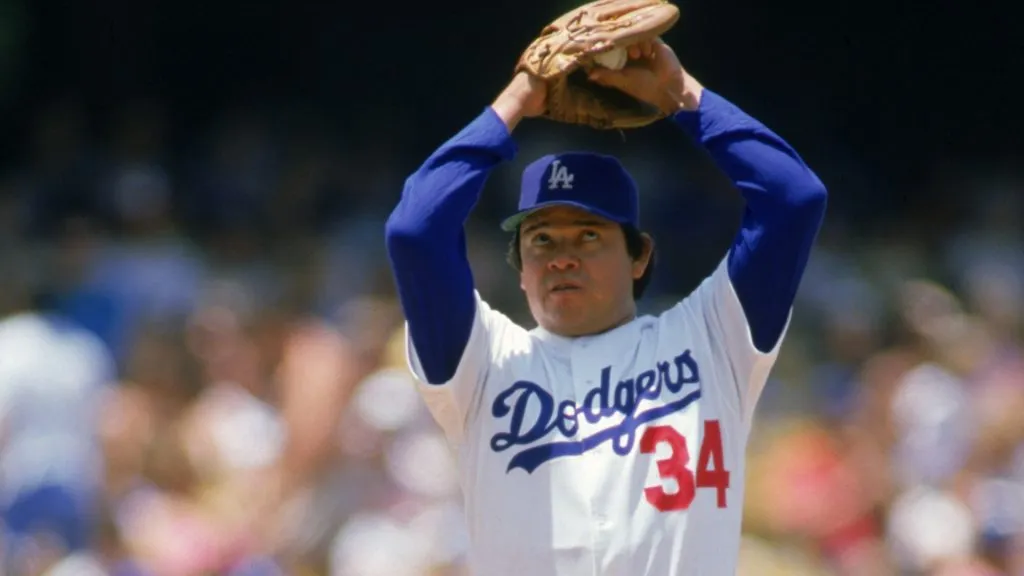
Fernando Valenzuela #34 of the Los Angeles Dodgers winds up for a pitch during a June, 1986 MLB season game. (Source: Mike Powell/Getty Images)
In 1981, a slender left-hander from a tiny Mexican village sparked “Fernandomania”—a cultural whirlwind that reshaped baseball fandom. Fernando Valenzuela became the first pitcher to win Rookie of the Year and the Cy Young in the same season, while also becoming a symbol of connection for Mexican-American fans.
His presence drew swelling crowds to Dodger Stadium and deepened ties across communities displaced by Chavez Ravine’s shameful history. Even long after retiring, he remained a beloved voice in Spanish-language broadcasts—an enduring testament to the bonds he forged.
Clayton Kershaw
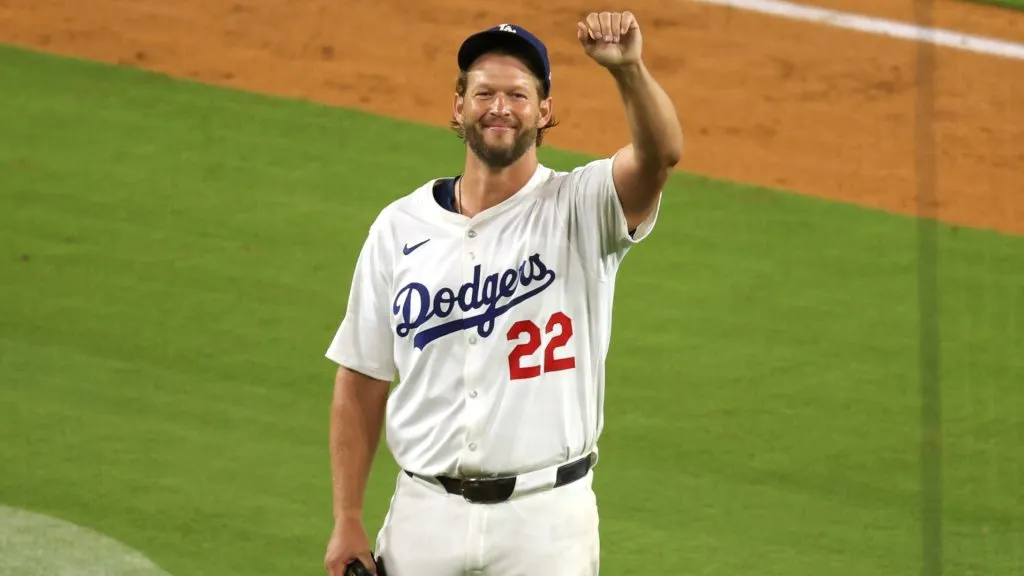
Clayton Kershaw #22 of the Los Angeles Dodgers celebrates after striking out Vinny Capra #41 of the Chicago White Sox in 2025. (Source: Harry How/Getty Images)
Clayton Kershaw has been the cornerstone of the Los Angeles Dodgers’ pitching staff since his debut in 2008. Renowned for his devastating slider and pinpoint control, he has redefined excellence in pitching.
Over his illustrious career, he has amassed three Cy Young Awards, an MVP in 2014, and ten All-Star selections. In 2025, he achieved a monumental milestone by becoming the 20th pitcher in MLB history to record 3,000 career strikeouts, solidifying his legacy among the game’s elite.
Roy Campanella
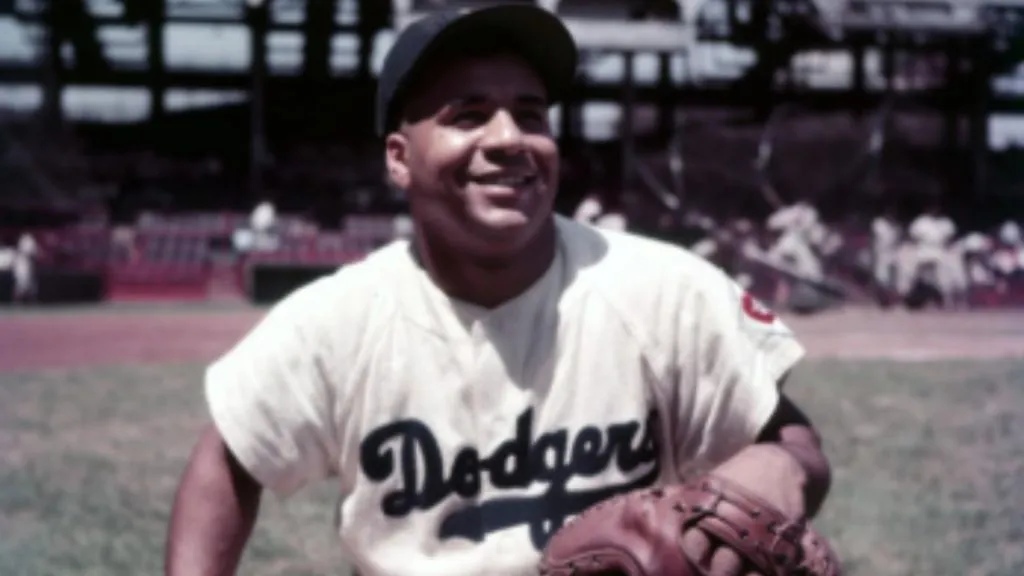
Roy Campanella (Source: Baseball Hall of Fame)
Roy Campanella was a pioneering catcher for the Brooklyn Dodgers and a three-time National League MVP. After breaking into the majors in 1948, he became one of the most dominant catchers in the league, known for his powerful bat and strong defensive skills.
Tragically, his career was cut short in 1958 due to a car accident that left him paralyzed. Despite this, he remained involved in baseball and became an advocate for the disabled, inspiring many with his resilience and determination. Inducted into the Baseball Hall of Fame in 1969, his legacy endures as a symbol of excellence and perseverance in the face of adversity.
Tommy Lasorda
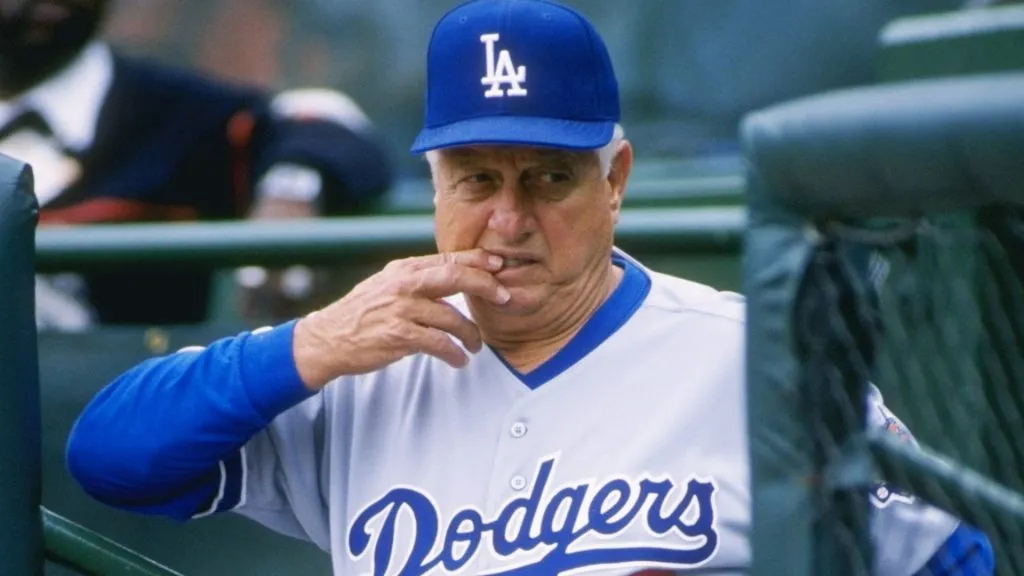
Tommy Lasorda of the Los Angeles Dodgers watches his team during a game against the San Francisco Giants in 1996. (Source: Getty Images)
Tommy Lasorda was the embodiment of Dodger Blue, serving as the team’s manager from 1976 to 1996. Under his leadership, the Dodgers won two World Series titles and four National League pennants, becoming a dominant force in baseball during the 1980s.
Known for his fiery passion and colorful personality, he was a tireless advocate for his players and the game. His influence extended beyond the field, as he played a key role in the development of international baseball, particularly in Italy. Inducted into the Baseball Hall of Fame in 1997, his impact on the Dodgers and the sport of baseball is immeasurable.
Orel Hershiser
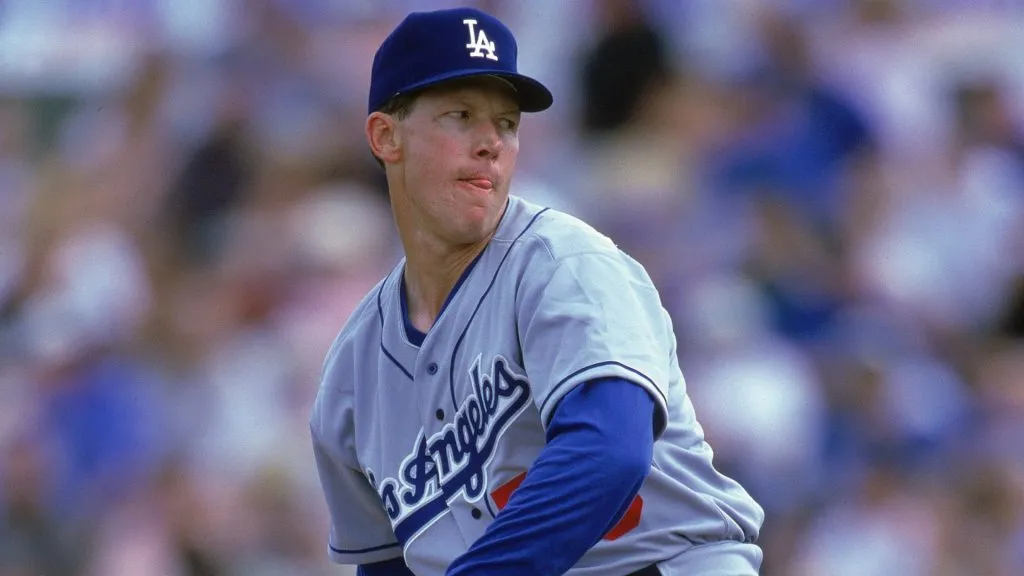
Orel Hershiser #55 of the Los Angeles Dodgers winds back to pitch the ball during the Spring Training Game in 2000. (Source: Getty Images)
Orel Hershiser, nicknamed “Bulldog,” was a dominant pitcher for the Dodgers during the late 1980s and early 1990s. In 1988, he set a major league record by pitching 59 consecutive scoreless innings, a feat that remains unmatched.
His performance in the 1988 postseason was instrumental in the Dodgers’ World Series victory, earning him the World Series MVP and the Cy Young Award that same year. After retiring as a player, he transitioned into broadcasting and coaching, continuing to contribute to the Dodgers’ legacy.
Pee Wee Reese
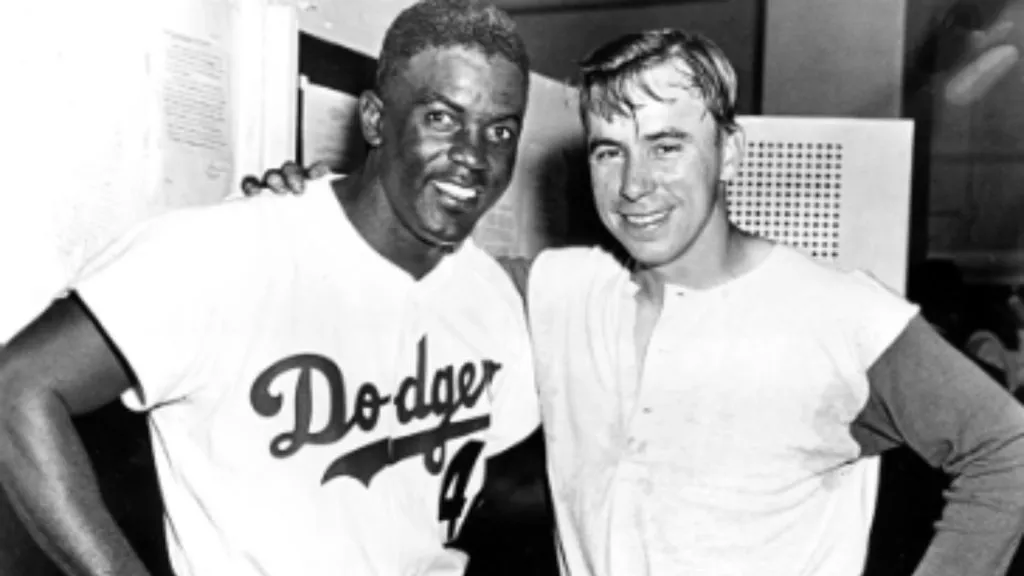
Pee Wee Reese (R) (Source: Baseball Hall of Fame)
Pee Wee Reese was the heart and soul of the Dodgers during their Brooklyn years. As a shortstop, he was a ten-time All-Star and a key contributor to seven National League championships and one World Series title.
He is perhaps best remembered for his support of Jackie Robinson during the early days of integration. In a powerful gesture, he placed his arm around Robinson during a game, signaling solidarity and helping to ease the racial tensions of the time. Inducted into the Baseball Hall of Fame in 1984, his legacy is one of leadership, compassion, and excellence on the field.
Mike Piazza
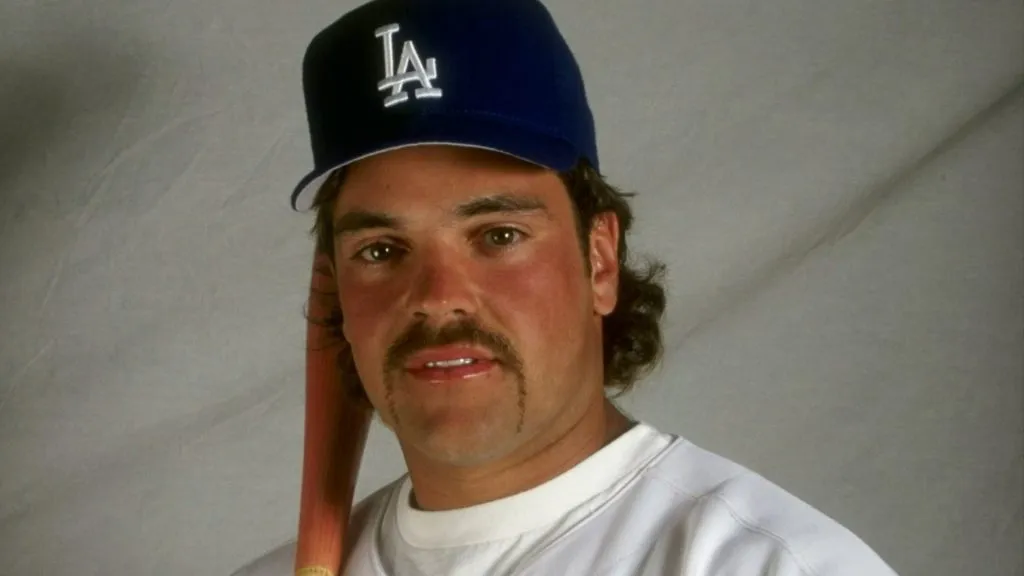
Mike Piazza #31 of the Los Angeles Dodgers at Spring Training at the Holman Stadium in 1998. (Source: Tom Hauck /Allsport)
Mike Piazza was one of the most prolific offensive catchers in baseball history. Drafted by the Dodgers in the 62nd round of the 1988 MLB Draft, he quickly rose through the ranks, making his major league debut in 1992.
In 1997, he had a standout season with the Dodgers, batting .362 with 40 home runs and 124 RBIs, finishing second in MVP voting. Although he spent the majority of his Hall of Fame career with the New York Mets, his early years with the Dodgers were instrumental in his development and success.
Maury Wills
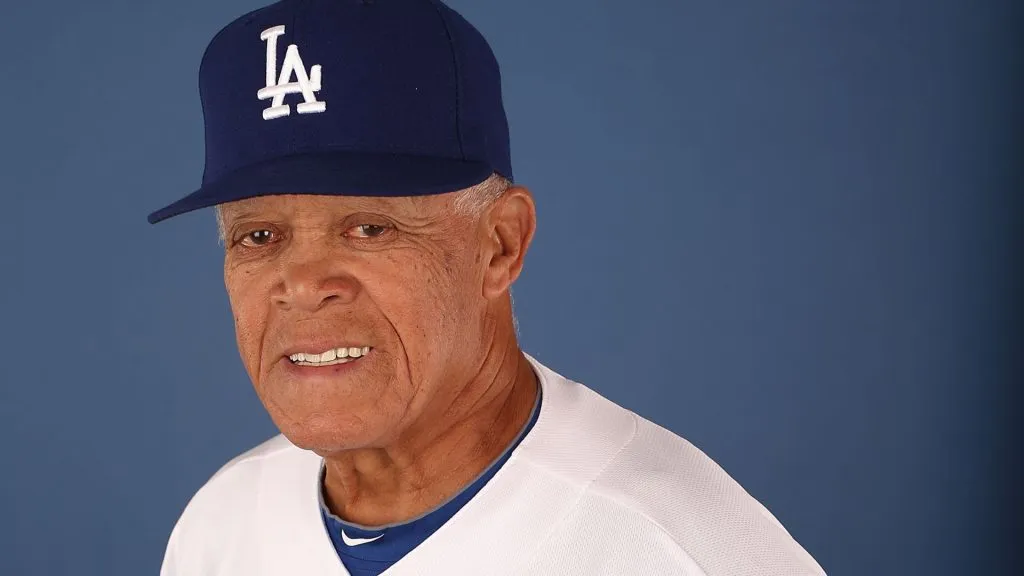
Maury Wills #30 of the Los Angeles Dodgers poses for a portrait during spring training photo day in 2013. (Source: Christian Petersen/Getty Images)
Maury Wills revolutionized the game with his base-stealing prowess. In 1962, he set a major league record by stealing 104 bases, a feat that earned him the National League MVP award.
He was a seven-time All-Star and played a key role in three Dodgers World Series championships in 1959, 1963, and 1965. His aggressive baserunning and leadership were integral to the Dodgers’ success during his tenure with the team.
Brickyard Kennedy
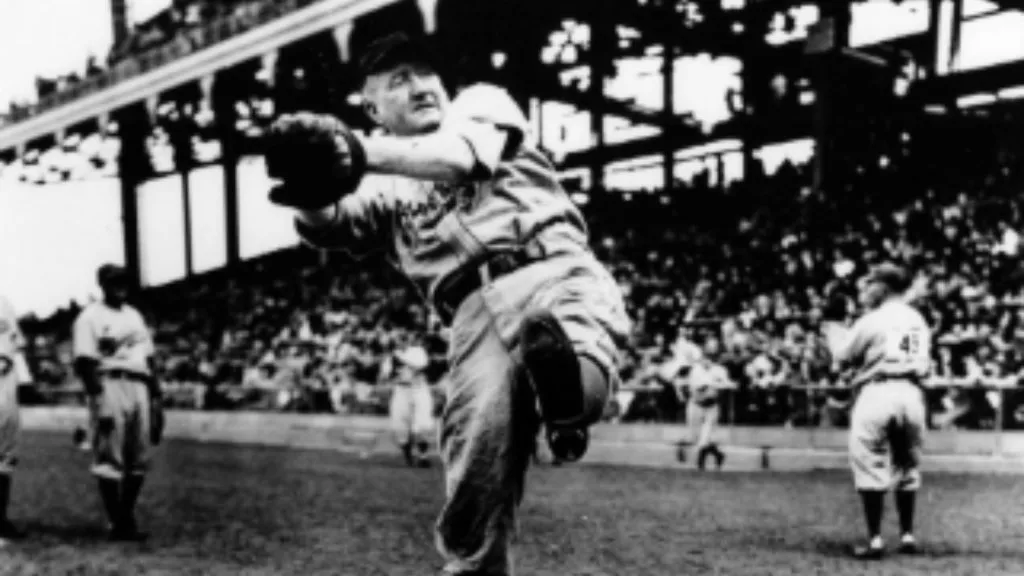
Brickyard Kennedy (Source: Dodger Thoughts)
Brickyard Kennedy, known as “Roaring Bill,” was a pitcher for the Brooklyn Dodgers in the early 20th century. He played during a time when the team was transitioning from the Brooklyn Tip-Tops to the Brooklyn Robins.
His contributions to the team were part of the foundation that would lead to the Dodgers’ future success. While his playing career was brief, his role in the team’s early years is a testament to the long-standing tradition of excellence in the franchise.
Walter Alston
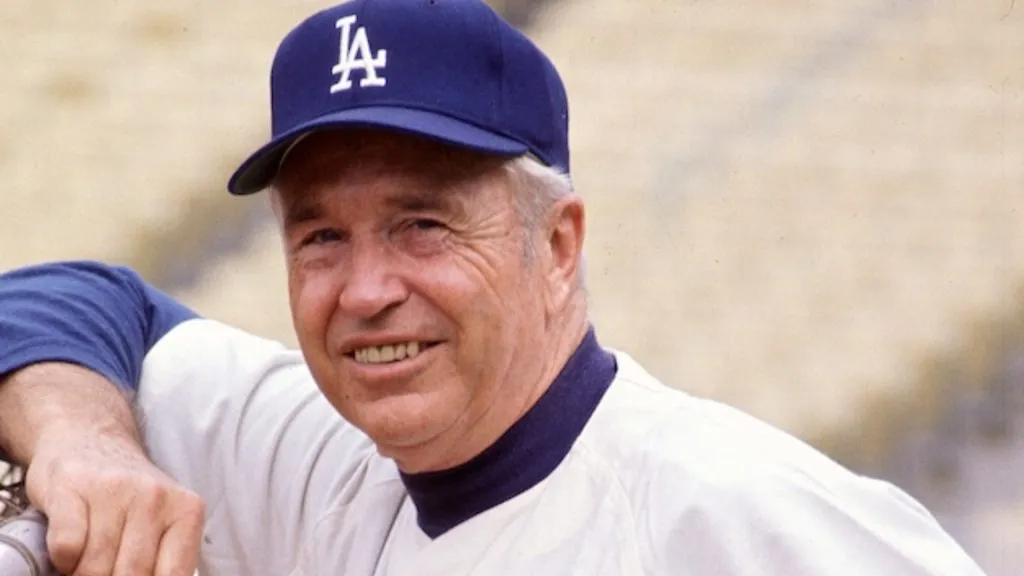
Walter Alston (Source: Dodger Blue)
Walter Alston‘s managerial tenure with the Dodgers spanned from 1954 to 1976, a period marked by consistent success and stability. Affectionately known as “The Quiet Man,” he led the team to seven National League pennants and four World Series titles, including the only championship won while the club was still in Brooklyn. His calm demeanor and strategic acumen earned him six Manager of the Year awards and a place in the Baseball Hall of Fame in 1983.
His influence extended beyond the dugout. He was instrumental in maintaining the Dodgers’ competitive edge during a transformative era in baseball, overseeing the integration of the team and the development of future Hall of Famers. His number 24 was retired by the Los Angeles Dodgers in 1977, solidifying his legacy as a cornerstone of the franchise’s history.
Steve Garvey
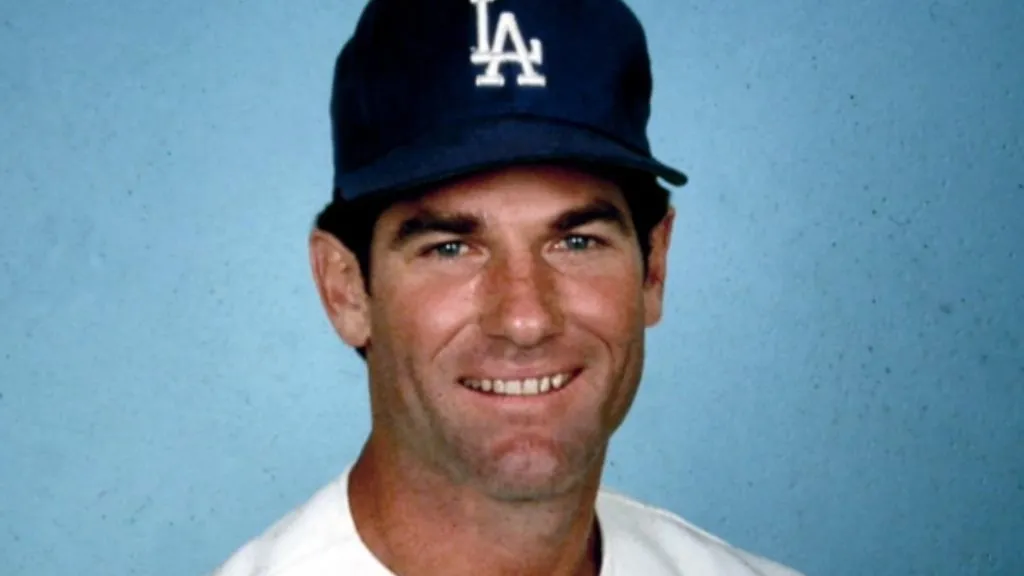
Steve Garvey (Source: IMDb)
Steve Garvey‘s name is synonymous with durability and clutch performance. Known as “Mr. Clean” for his clean-cut image, he played 1,207 consecutive games, a National League record that stood for decades. Over his 14-year career, he was a 10-time All-Star, 1974 NL MVP, and a key contributor to the Dodgers’ 1981 World Series championship.
His postseason prowess was equally impressive. In 45 playoff games for the Dodgers, he amassed a .346 batting average, 10 home runs, and 22 RBIs, slugging .571 for an OPS of .942. His consistent performance in high-pressure situations cemented his status as one of the franchise’s all-time greats.
Gil Hodges
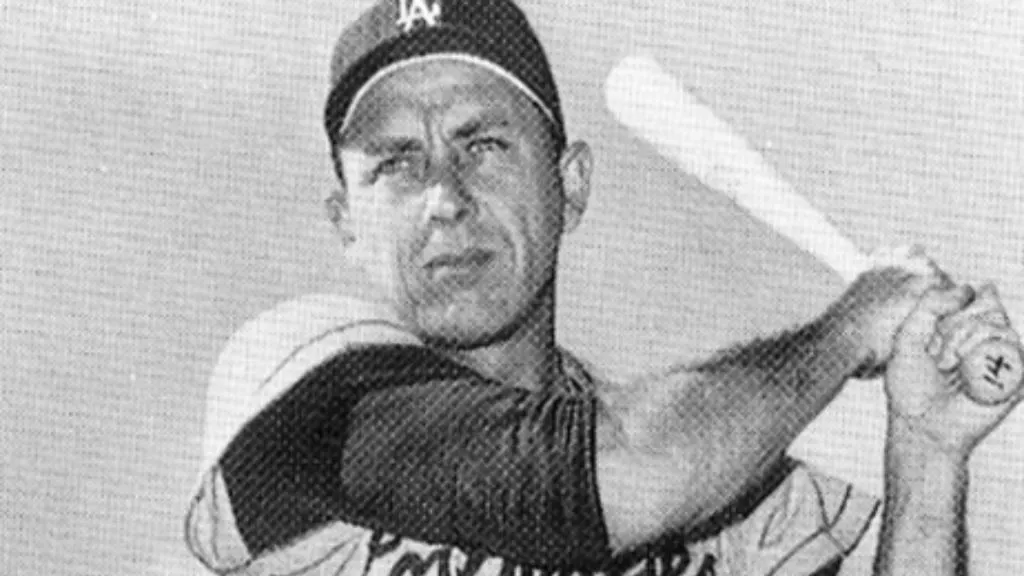
Gil Hodges (Source: Walter O’Malley)
Gil Hodges‘ legacy is defined by his leadership both as a player and a manager. After serving in World War II and earning a Bronze Star for heroism, he returned to the Dodgers and became a stalwart at first base. He played a pivotal role in the team’s success, including their 1955 World Series victory, where he hit .391.
His impact extended beyond his playing days. He managed the New York Mets to a World Series title in 1969, further solidifying his reputation as a respected leader in the baseball community. Inducted into the Baseball Hall of Fame in 2022, his legacy endures as a symbol of dedication and excellence.
Dazzy Vance
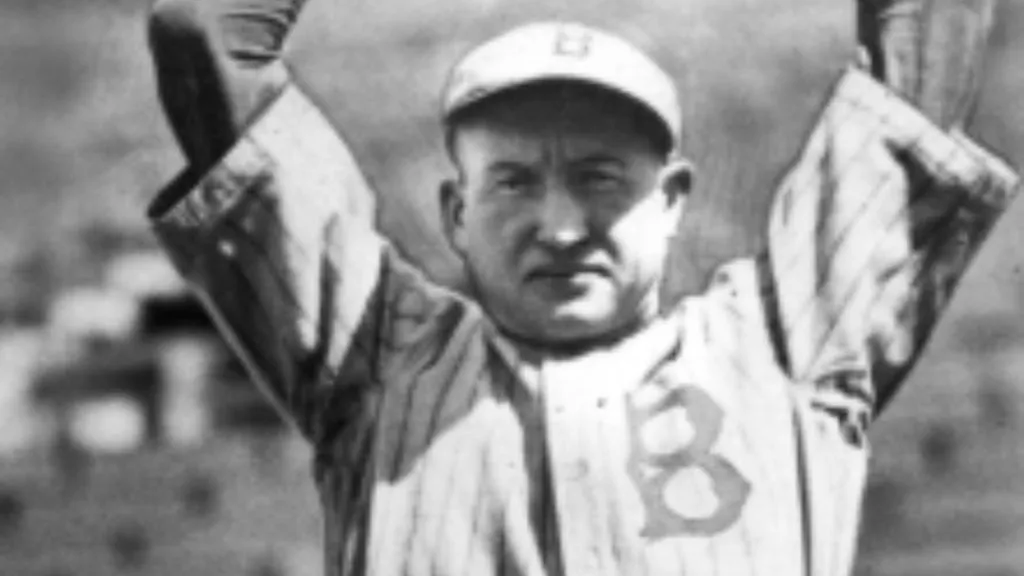
Dazzy Vance (Source: Baseball Hall of Fame)
Dazzy Vance was a dominant force on the mound during the 1920s, leading the National League in strikeouts for seven consecutive seasons from 1922 to 1928. In 1924, he won the pitching Triple Crown, leading the league with 28 wins, a 2.16 ERA, and 262 strikeouts, the third of seven consecutive seasons in which he led the league in strikeouts.
His blazing fastball and relentless work ethic made him a fan favorite and a nightmare for opposing hitters. His contributions to the Dodgers’ success during the early 20th century were instrumental in establishing the franchise’s rich pitching tradition.
Zack Wheat
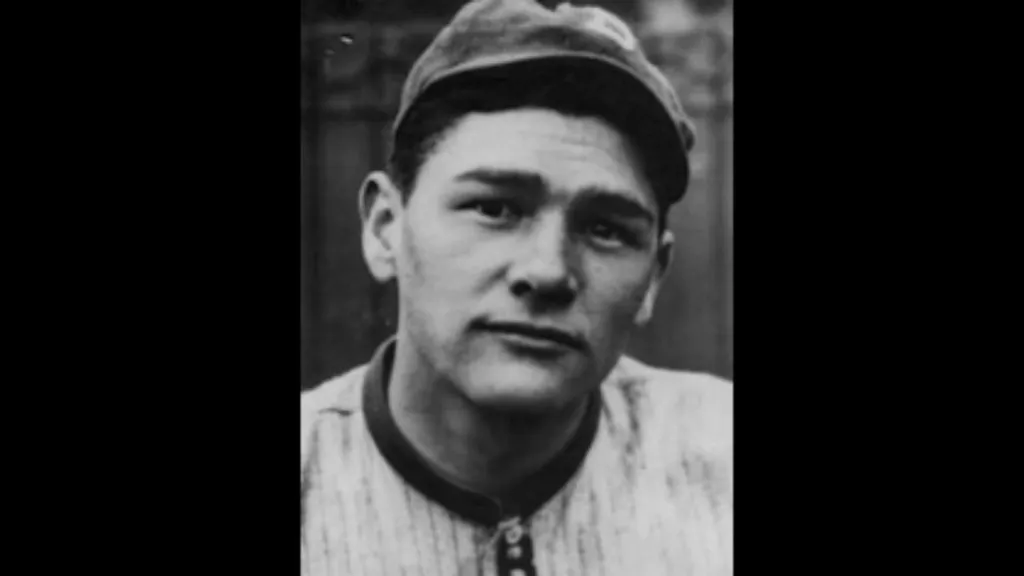
Zack Wheat (Source: MLB)
Zack Wheat was a graceful outfielder for the Brooklyn Dodgers, recording 2,884 hits and a .317 career batting average. Referred to by former Brooklyn Dodgers executive Branch Rickey as the “best outfielder Brooklyn ever had,” he led the National League in putouts as a left fielder seven times and was known for his exceptional fielding skills.
His consistency and reliability made him a mainstay in the Dodgers’ lineup for nearly two decades. His contributions were vital during the “Dead Ball Era,” a time when power hitting was less prevalent, and his ability to get on base and make contact was invaluable to the team’s success.
Willie Davis
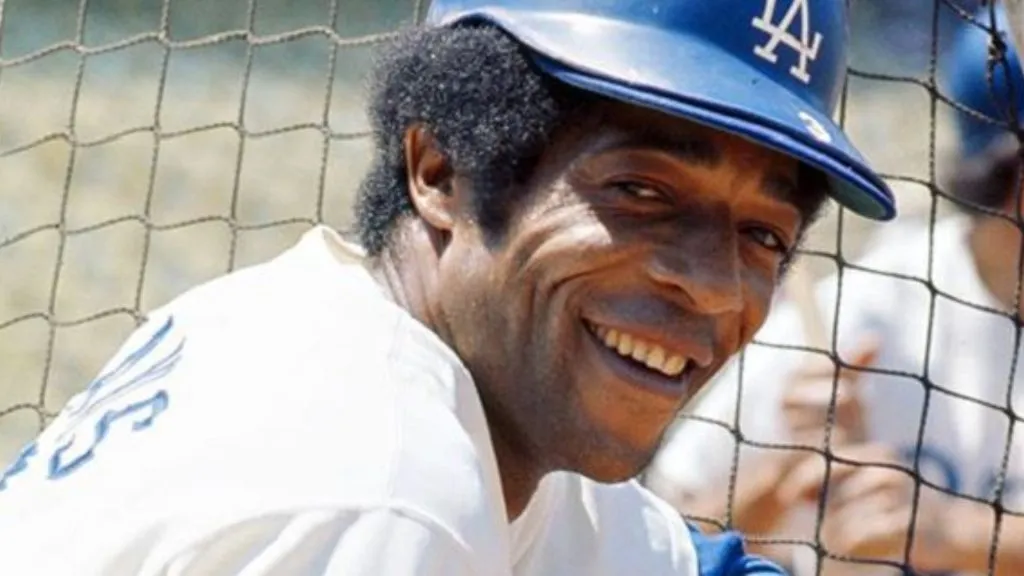
Willie Davis (Source: LA Dodgers Talk)
Willie Davis, affectionately known as “3-Dog,” was a dynamic center fielder whose speed and defensive prowess left an indelible mark on the Dodgers. He holds Los Angeles club records for career hits (2,091), runs (1,004), triples (110), at-bats (7,495), total bases (3,094), and extra-base hits (585).
His 31-game hitting streak in 1969 remains the longest by a Dodger, showcasing his consistency and ability to perform under pressure. A three-time Gold Glove Award winner, his contributions were instrumental in the Dodgers’ success during the 1960s and early 1970s.
Ron Cey
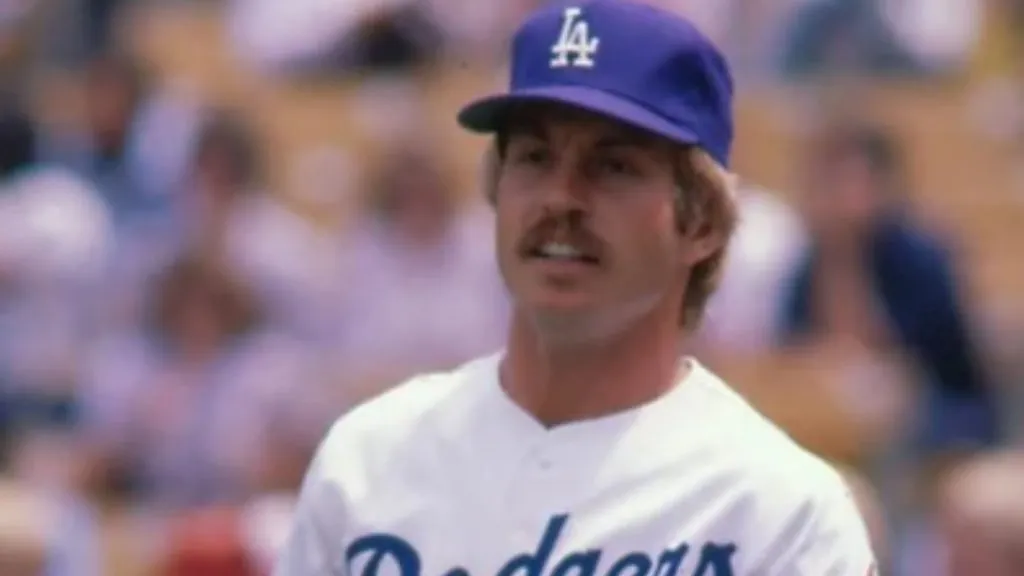
Ron Cey (Source: Baseball Hall of Fame)
Ron Cey, nicknamed “The Penguin,” was a cornerstone of the Dodgers’ infield during the 1970s and early 1980s. He earned major league All-Star honors six times, played in four World Series, and was a World Series Co-Most Valuable Player with Steve Garvey in 1981.
His consistent bat and reliable glove made him a key figure in the Dodgers’ lineup, contributing to the team’s success during a transformative era in baseball. His ability to perform in clutch situations solidified his status as one of the franchise’s all-time greats.
Ramon Martinez
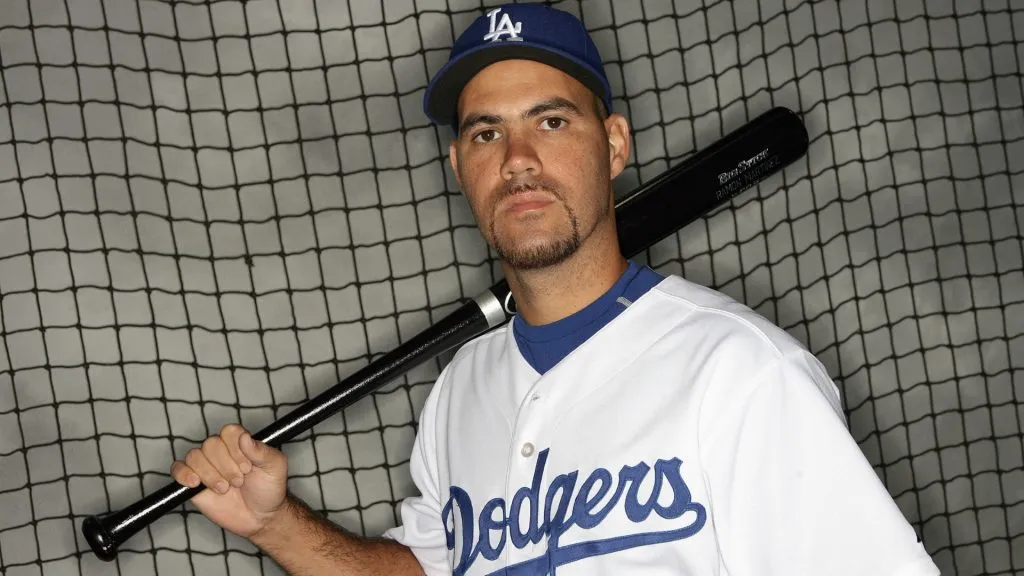
Ramon Martinez #18 of the Los Angeles Dodgers poses during Photo Day on February 27, 2007. (Source: Doug Benc/Getty Images)
Ramon Martinez was a standout pitcher for the Dodgers in the late 1980s and 1990s. In 1990, he won 20 games and tied a franchise game-record with 18 strikeouts, showcasing his dominance on the mound.
Despite battling injuries throughout his career, his resilience and skill were evident. He also hurled a no-hitter during his tenure with the team, further cementing his place in Dodgers’ lore.
Eric Gagne
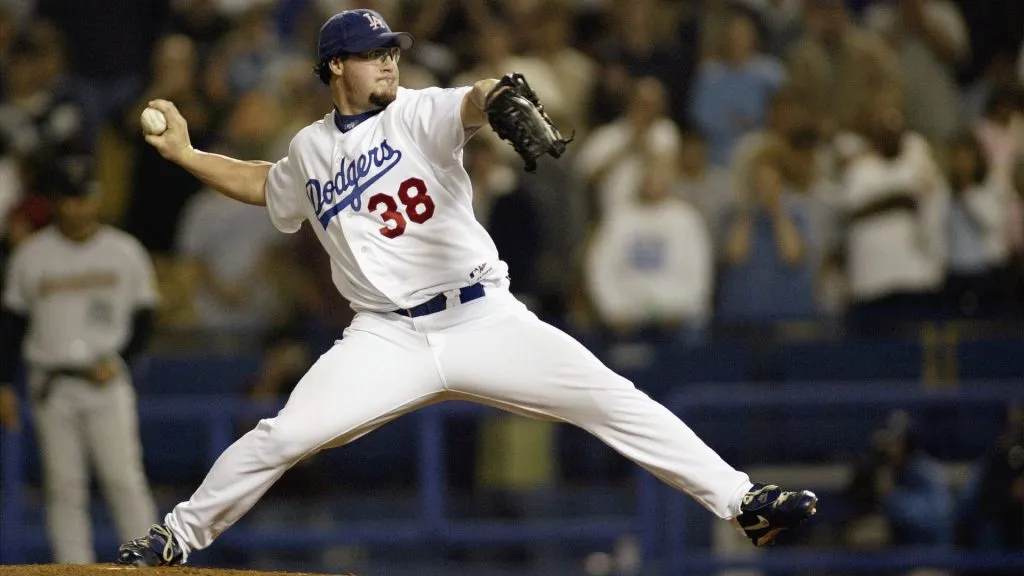
Eric Gagne #38 of the Los Angeles Dodgers delivers the ball during the game against the Houston Astros in 2003. (Source: Robert Laberge/Getty Images)
Eric Gagne was a dominant closer for the Dodgers in the early 2000s, known for his overpowering fastball and devastating slider. In 2003, he set a major league record by converting 84 consecutive save opportunities, a testament to his consistency and dominance.
His performance earned him the National League Cy Young Award in 2003, making him the first and only closer to win the prestigious honor. His contributions were vital in securing victories during tight games, solidifying his legacy as one of the most effective closers in Dodgers’ history.
Kirk Gibson
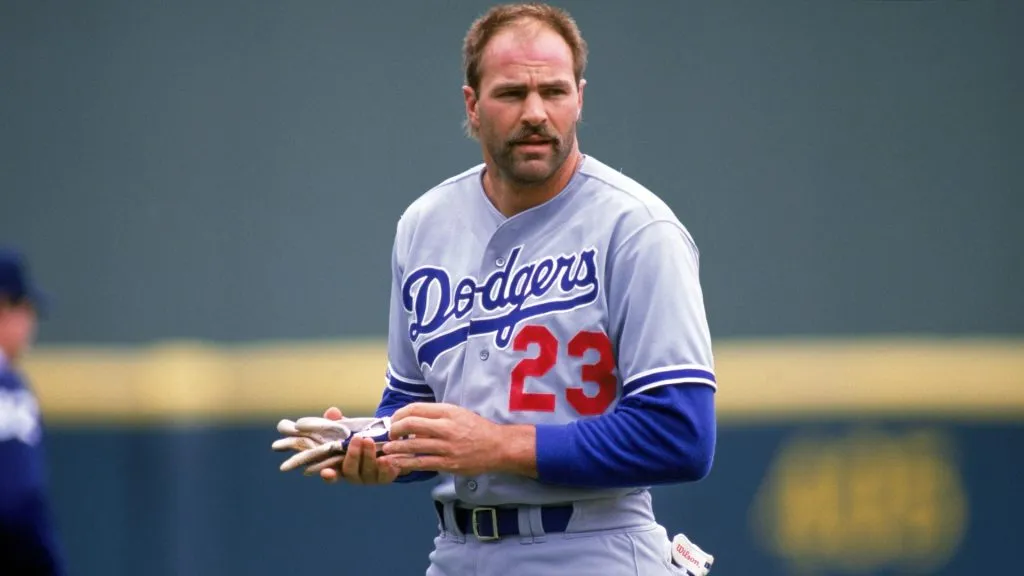
Kirk Gibson #23 of the Los Angeles Dodgers with his helmet off during a 1988 season game. (Source: Stephen Dunn/Getty Images)
Kirk Gibson‘s name is forever etched in Dodgers’ lore due to his iconic walk-off home run in Game 1 of the 1988 World Series. Despite being injured and not expected to play, his dramatic two-run homer off Dennis Eckersley propelled the Dodgers to a memorable victory.
That moment encapsulated his gritty determination and clutch performance under pressure. His contributions during the postseason were instrumental in the Dodgers’ 1988 World Series championship, marking one of the most unforgettable moments in baseball history.