
The debate over Pete Rose’s place in Cooperstown continues to stir emotions across the baseball world. While his record-setting career at the plate remains unmatched, his permanent ban from Major League Baseball has kept him locked out of the Hall of Fame for more than three decades.
Now, a prominent voice has stepped forward. Cincinnati Reds manager Terry Francona, a figure respected across generations of the game, has made it clear where he stands on Rose’s Hall of Fame credentials.
“I know I oversimplify things, but what Pete did as a player—if he’s not in, there is no Hall of Fame,” Francona said in an interview with ESPN. “But I get it. There are some things that … I’m glad I don’t have to make those decisions.”
Personal history and professional respect
Francona’s view isn’t based on distant admiration. He and Rose shared a clubhouse in 1984 with the Montreal Expos, and later reconnected in Cincinnati during the 1987 season, when Rose was managing the Reds. Their shared history adds weight to Francona’s opinion—and highlights the personal respect behind his words.

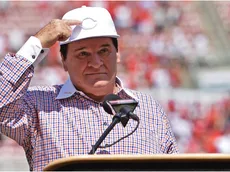
Former Philadelphia Phillies player Pete Rose acknowledges the crowd prior to the game against the Washington Nationals at Citizens Bank Park on August 7, 2022 in Philadelphia, Pennsylvania. (Photo by Mitchell Leff/Getty Images)
Rose’s ban from baseball stems from his involvement in gambling on MLB games, including Reds games, during his time as both a player and manager. In August 1989, he was officially placed on the ineligible list. Two years later, the Baseball Hall of Fame ruled that no player on that list would be considered for induction, cementing Rose’s exclusion.
The Commissioner’s decision and what lies ahead
Everything changed last fall when Commissioner Rob Manfred posthumously lifted Rose’s ban, along with that of 16 other deceased individuals. The move reopened the door for Rose to be considered by the Classic Baseball Era Committee, which votes next in December 2027.
SurveyShould Pete Rose be inducted into the Baseball Hall of Fame now that his ban has been lifted?
Should Pete Rose be inducted into the Baseball Hall of Fame now that his ban has been lifted?
ALREADY VOTED 0 PEOPLE
To be inducted, Rose will need 12 of 16 votes (75%) from the committee. If he falls short, he won’t appear on the ballot again until the 2030 cycle. With his case once again in the spotlight, support from baseball lifers like Francona may prove influential—if not decisive.