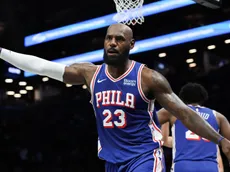
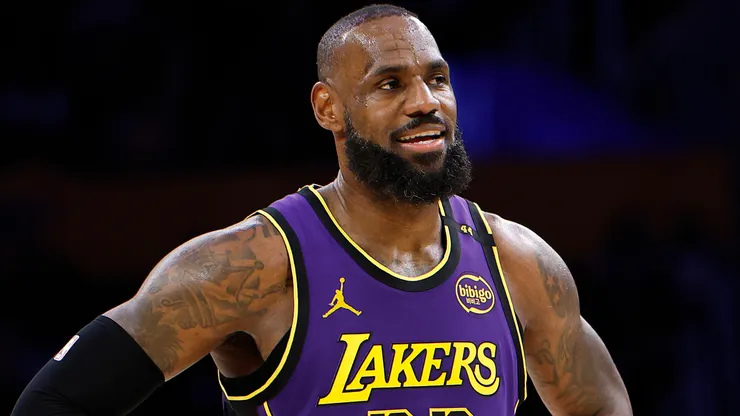
LeBron James continues to be a pivotal figure in NBA history, consistently showcasing his extraordinary talent and impact on the game. Despite his achievements, he faces criticism, with some blaming him for certain changes in the league’s structure. Notably, Charles Barkley pointed fingers at James, attributing the second apron arrival to him. In response, a former player swiftly countered him claims by scrutinizing his Barkley’s professional career.
“I remember Charles Barkley got drafted to a team with Moses Malone, maybe Dr. J and Maurice Cheeks. Then I remember Charles Barkley going to Houston and then he teamed up with Hakeem Olajuwon and then Scottie Pippen was also there. That sounds like teaming up if I’m wrong… And now we’re talking about the second acre and exists. Did we forget our history? His own history,” Richard Jefferson said, via Road Trippin’ podcast.
While Charles Barkley has often criticized LeBron James for forming superteams, he attempted something similar by joining the Rockets in 1996 for league dominance. His effort did not succeed, but blaming LeBron solely for the creation of the second apron seems unfair. Stellar teams have long been part of the NBA‘s history, as seen with the Lakers during the eras of Kareem Abdul-Jabbar and Magic Johnson or the Bulls with Michael Jordan and Scottie Pippen.
In 2023, the NBA introduced a second salary cap “apron” to rein in soaring player salaries and promote competitive balance. If implemented earlier, it might have complicated moves like LeBron James joining the Miami Heat or Kevin Durant’s shift to the Golden State Warriors. Similar scenarios in the late 1990s, such as Charles Barkley’s move to the Houston Rockets, demonstrate that it is not solely the fault of today’s veteran superstars.
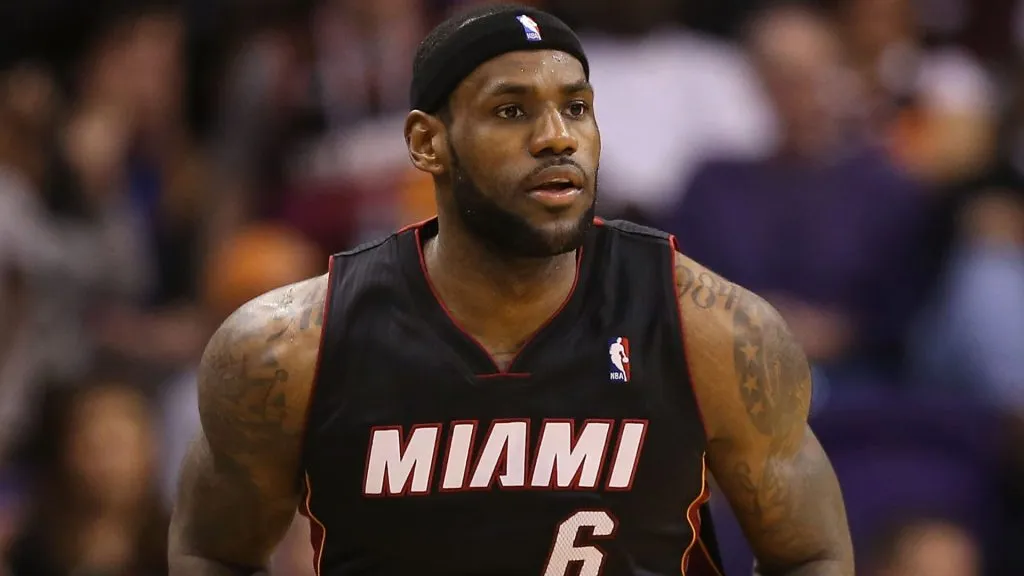
LeBron James #6 of the Miami Heat during the NBA game.
Are the current salary cap rules helping the development of NBA’s young stars?
The NBA’s new salary rules have curtailed superteams, balancing competition and benefiting some franchises. Without the ability to stack lineups with stars, teams like the San Antonio Spurs, Minnesota Timberwolves and Oklahoma City Thunder are investing in youth. As a result, Victor Wembanyama, Anthony Edwards, Jalen Williams and Shai Gilgeous-Alexander have emerged as league stars, a feat less feasible if superstars were easily attainable.
Although young players have emerged as key solutions for franchises, having multiple potential superstars in the roster may not be sustainable in the future. Rising salaries could limit the team in the future, potentially forcing them to part with some stars if they fail to win championships that justify such spending. Consequently, new rules will significantly impact franchise futures despite boosting young talent.