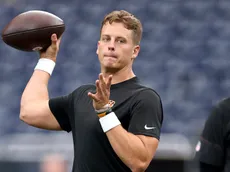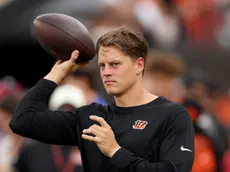
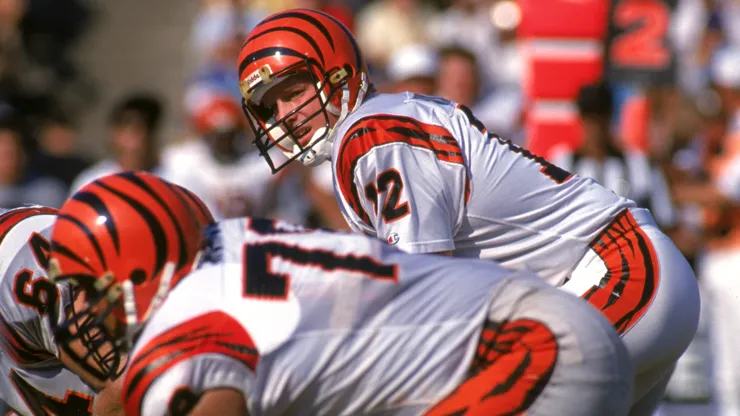
There’s a certain defiance in the Cincinnati stripes, a mix of rust-belt grit and quiet brilliance. It lives in the players who ran through the noise, carried the city’s doubts, and turned ordinary games into moments that felt like folklore.
From the concrete chill of Riverfront to the renewed pulse at Paycor, each generation brought its own fire. Some danced through defenses, others broke bones in silence — all of them shaping an NFL team that learned to find beauty in the fight.
These 25 names are more than highlights or stats; they are the heartbeat of a franchise built on persistence and pride. Through decades of heartbreak and revival, they became the Bengals’ truest measure of greatness.
Anthony Muñoz
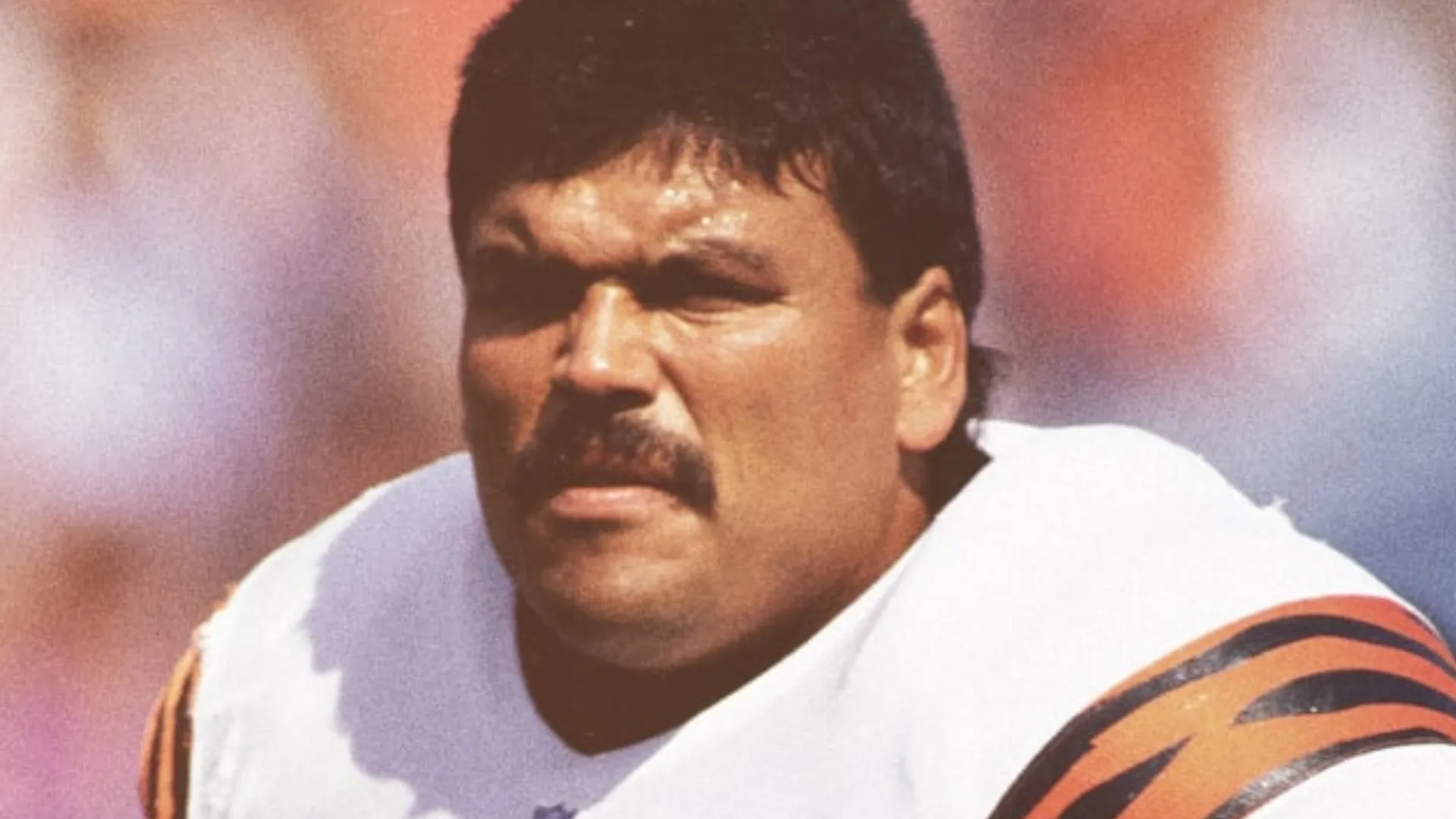
Anthony Muñoz (Source: Cincinnati Bengals)
The discussion of offensive line greatness in NFL history begins with the towering figure of Anthony Muñoz. A product of the 1980 NFL Draft, he anchored the Bengals’ offensive line as the undisputed best left tackle of his generation, often cited in broader debates as the greatest offensive lineman of all time. His physical dominance was matched only by his rare agility, making him a devastating run blocker and an impregnable wall in pass protection.
His unparalleled consistency over 13 seasons earned him 11 Pro Bowl selections and nine First-team All-Pro honors, a record of sustained excellence that is nearly unmatched at his position. He was the anchor of two Super Bowl-reaching teams and became the franchise’s first-ever inductee into the Pro Football Hall of Fame, establishing the benchmark for greatness within the organization.
Ken Anderson
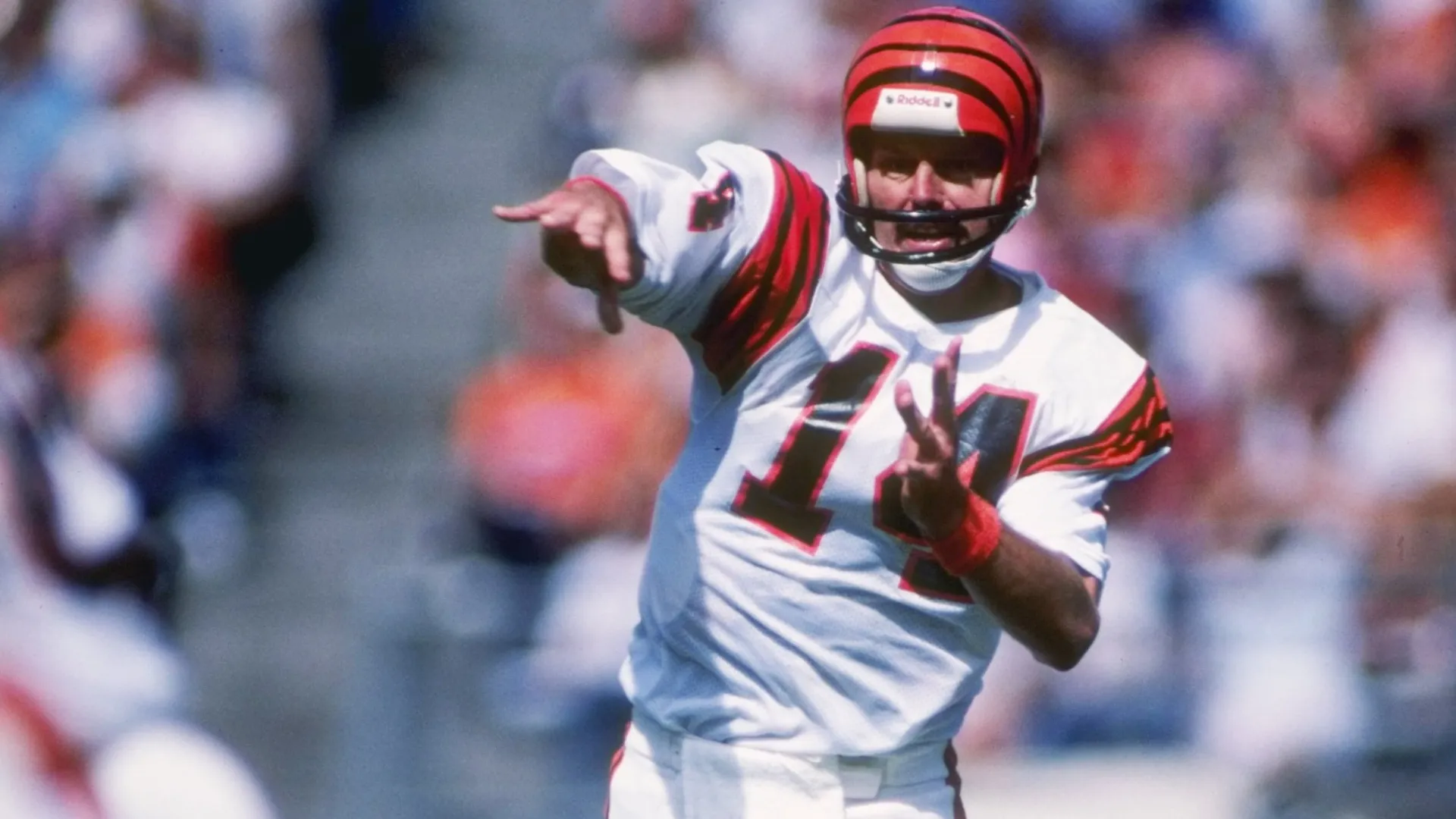
Ken Anderson (Source: Allsport /Allsport)
Ken Anderson was the intellectual field general who orchestrated the Bengals’ offense through the 1970s and early 1980s, bridging two distinct eras of franchise history. Known for his quiet intelligence and exceptional accuracy, he became a pioneer in the West Coast offense, achieving the singular feat of winning four NFL passing titles—a testament to his mastery of the offense’s complex timing.
His career pinnacle arrived in 1981 when he was named the NFL MVP and led the Bengals to their first-ever Super Bowl appearance. Despite the advent of the modern quarterback era, his efficiency remains a statistical marvel. He provided the necessary stability, veteran leadership, and precise passing required to transform the Bengals from an expansion team into a perennial contender.
Boomer Esiason
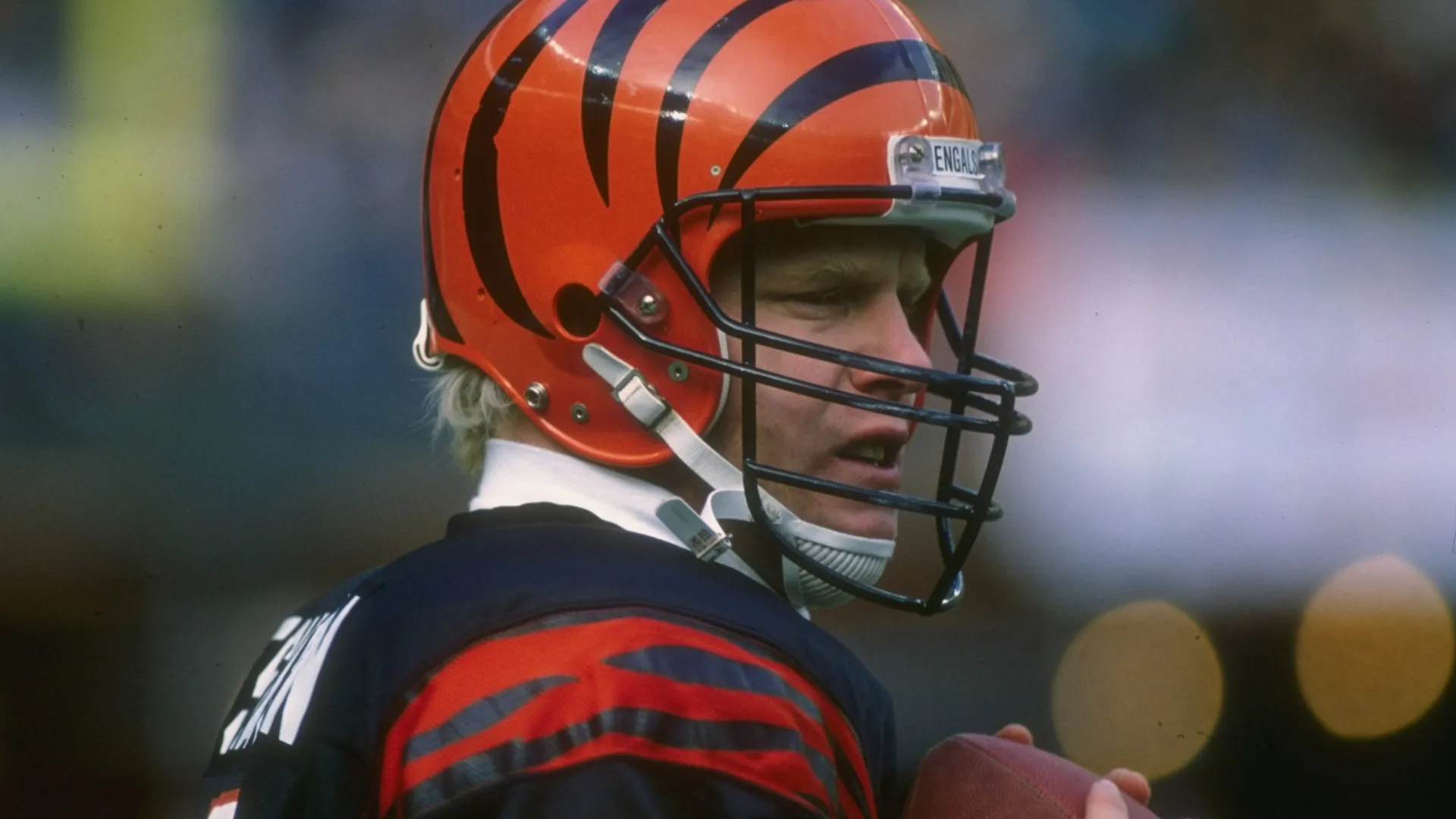
Boomer Esiason (Source: Getty Images)
Boomer Esiason brought a blend of fiery leadership, exceptional athleticism, and a strong left arm to the Bengals’ quarterback position. He was the charismatic face of the franchise’s second golden era, defined by his ability to execute the run-and-shoot offense with aggressive, high-risk precision. His flair for the dramatic made him a constant highlight reel.
The peak of his career was his 1988 NFL MVP season, during which he led the Bengals to Super Bowl XXIII. He was a dynamic, mobile threat who could extend plays and challenge defenses deep downfield. His powerful presence and outspoken nature cemented his status as one of the most exciting and memorable signal-callers in franchise history.
Chad Ochocinco
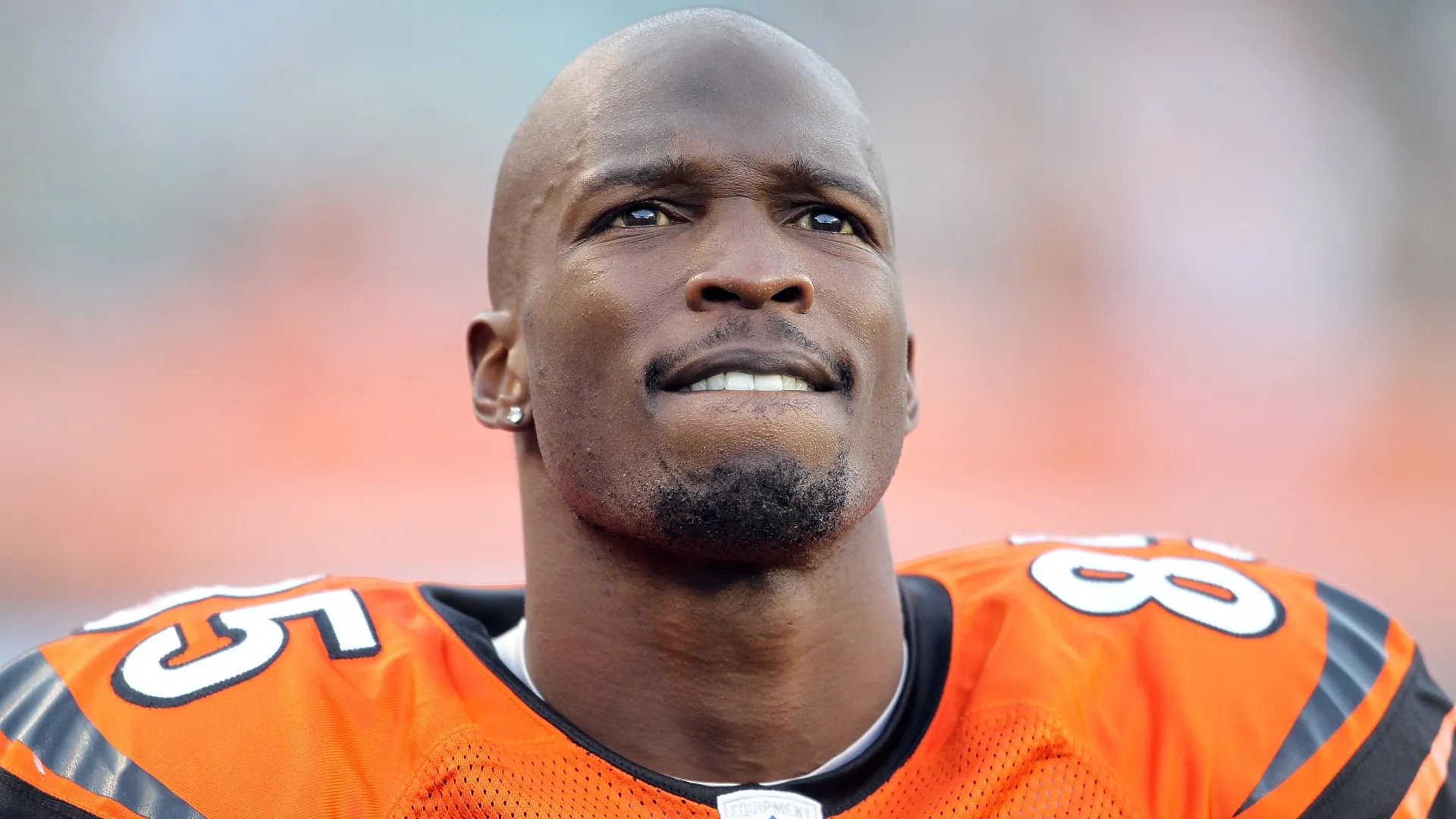
Chad Ochocinco (Source: Andy Lyons/Getty Images)
Chad Ochocinco (born Chad Johnson) was the definitive showman of the modern Bengals era, injecting a theatrical level of flair and personality into the wide receiver position. While his antics and flamboyant celebrations often captured national headlines, his talent was undeniable: he recorded seven 1,000-yard receiving seasons and was selected to six Pro Bowls.
His unique blend of speed, precise route-running, and competitive fire made him one of the most productive receivers of his era. His public persona, marked by self-promotion and a unique connection with fans, made him the must-watch player for an entire generation of football fans, creating a lasting legacy that combines elite skill with unforgettable showmanship.
Isaac Curtis
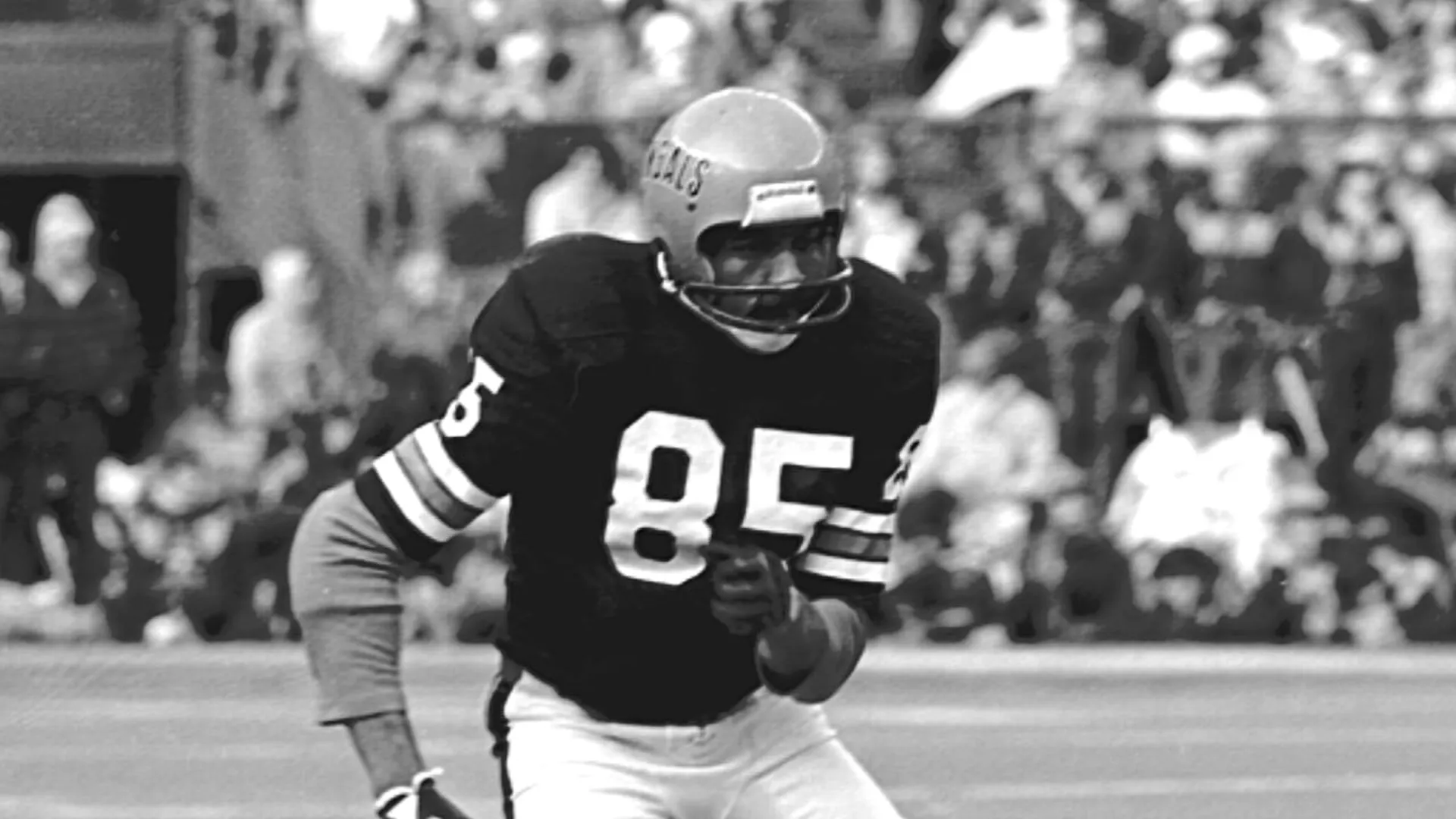
Isaac Curtis (Source: Cincinnati Bengals)
Isaac Curtis was the quintessential deep threat whose blinding speed fundamentally altered the way defensive coordinators planned against the Bengals. Drafted in 1973, he immediately established himself as one of the fastest and most dangerous wide receivers in the entire NFL, a key factor in Ken Anderson’s success in the passing game.
He was selected to four Pro Bowls and finished his career with a remarkable 17.1 yards per reception, a testament to his consistent ability to run past defensive backs. His speed was so legendary that he forced opposing teams to employ new coverage strategies. He was the initial downfield playmaker who brought a sophisticated, explosive element to the Bengals’ early offenses.
Cris Collinsworth
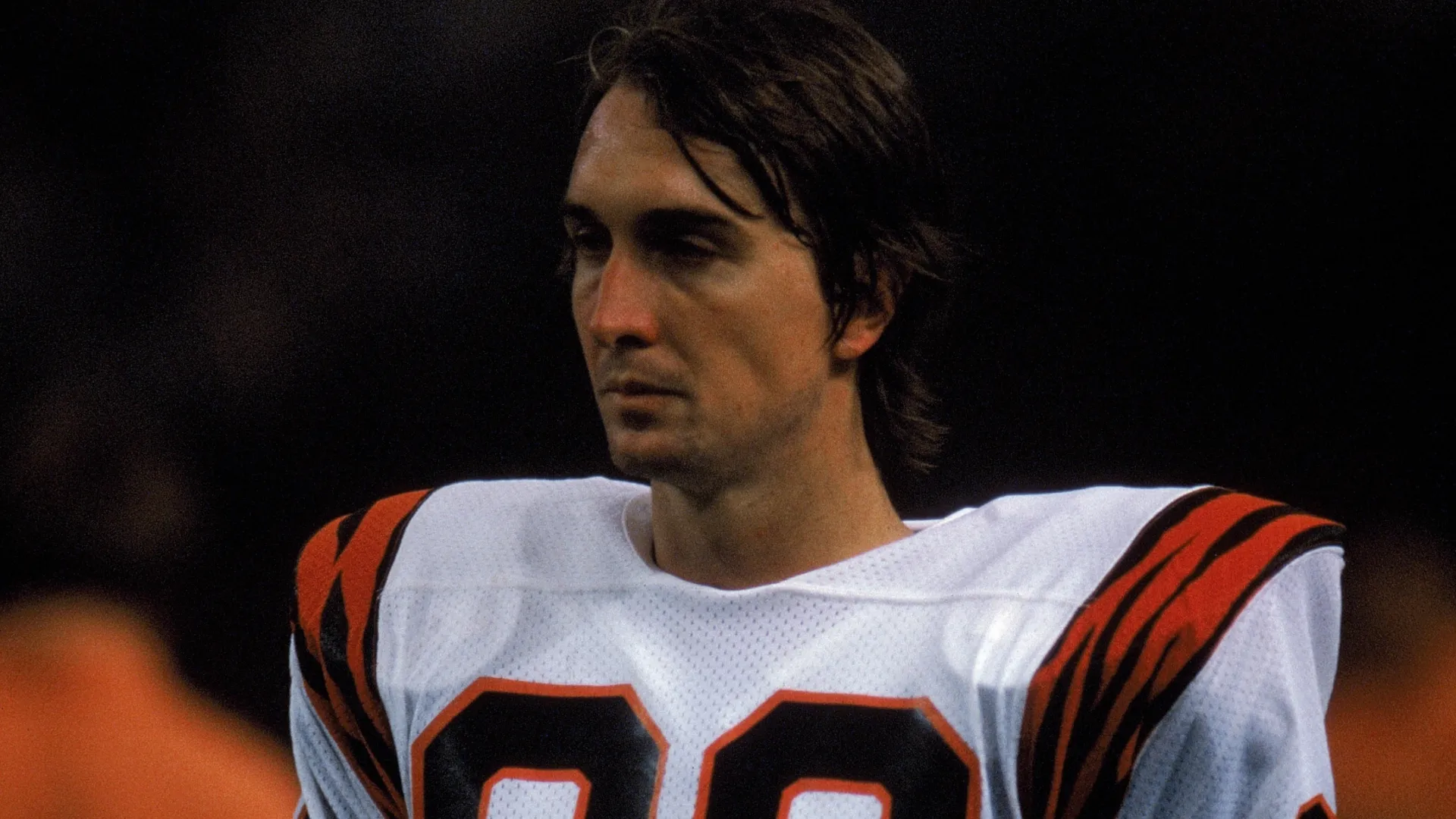
Cris Collinsworth (Source: Tony Duffy/Getty Images)
Cris Collinsworth’s impact on the Bengals is dual-layered, defined by his elite production on the field and his lasting celebrity after his playing career. As a wide receiver, he was a dominant force, leading the team in receiving yards a remarkable seven times and earning three Pro Bowl selections during his eight seasons in Cincinnati.
His greatness stemmed from his surprising blend of size, speed, and exceptional hands, making him a difficult matchup for any defensive back. He was a central component of the two Bengals teams that reached the Super Bowl in the 1980s. His memorable on-field success paved the way for his equally prominent second career as one of the most recognizable voices in sports broadcasting.
Tim Krumrie
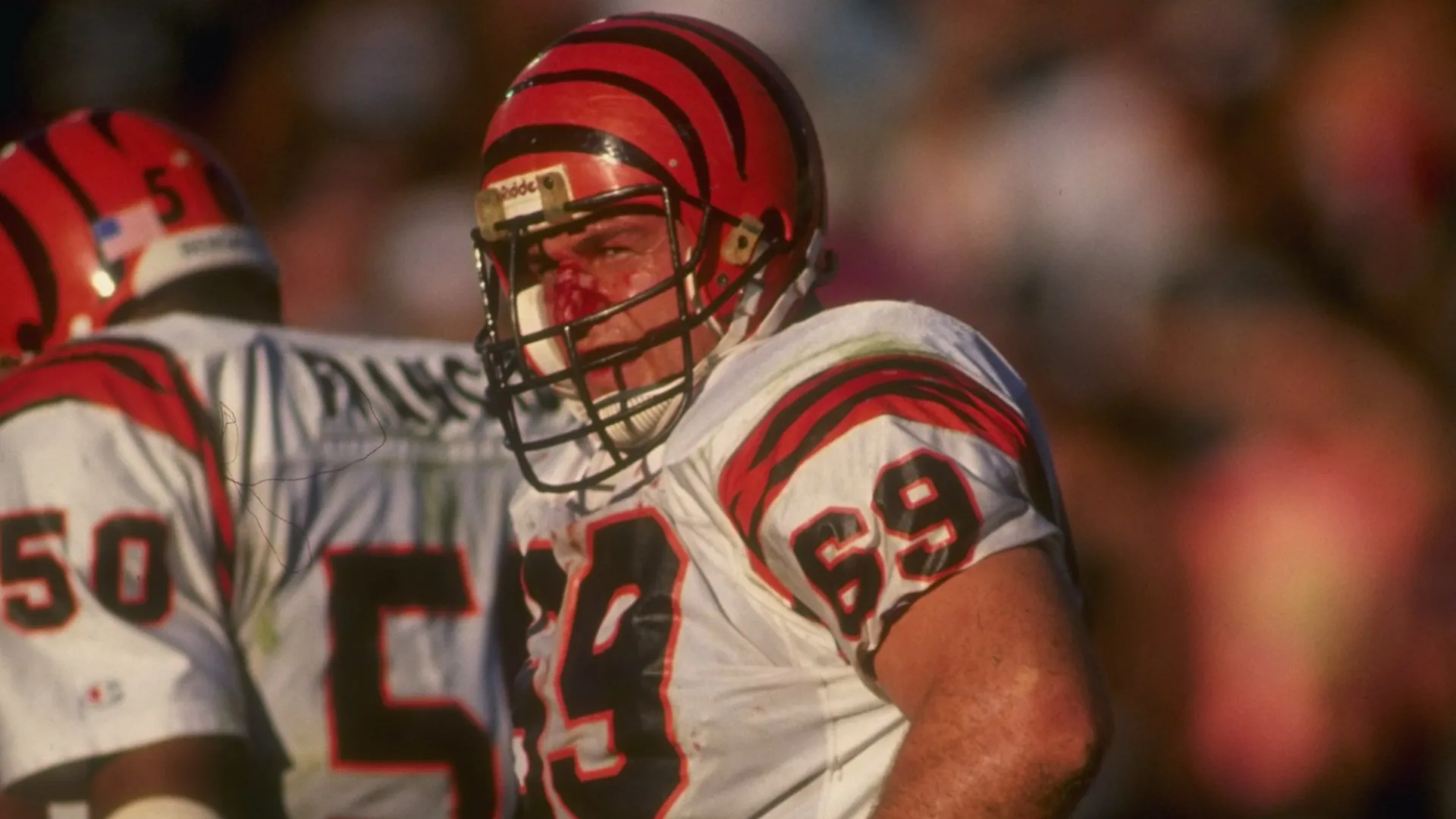
Tim Krumrie (Source: Mike Powell /Allsport)
Tim Krumrie was the rugged, relentless defensive tackle whose tenacity became the emotional and physical soul of the Bengals’ defense during the 1980s. Known for his non-stop motor and legendary toughness, he was the unheralded engine in the trenches, earning two Pro Bowl selections and anchoring the defensive line that propelled the team to Super Bowl XXIII.
His career is tragically remembered for the devastating leg injury he suffered early in that Super Bowl, a moment that demonstrated his unbelievable grit. Despite the severity of the injury, he still attempted to cheer on his teammates from the sideline, cementing his reputation as one of the most respected and physically toughest players to ever wear the Bengals uniform.
Ken Riley
Ken Riley (Source: Cincinnati Bengals)
Ken Riley‘s career is a testament to longevity and ball-hawking brilliance that was long overlooked by the Pro Football Hall of Fame. A versatile athlete who converted from quarterback to cornerback, he played his entire 15-year career with the Bengals and retired as one of the most prolific interceptors in NFL history. He amassed 65 career interceptions, a figure that, for decades, ranked among the all-time leaders.
His sustained excellence was defined by his uncanny intelligence and ability to read opposing quarterbacks. Despite his passing in 2020, his legacy finally received its due recognition with his well-deserved posthumous induction into the Hall of Fame in 2023. His story is one of ultimate vindication, cementing his status as the foundational defensive back of the franchise.
Lemar Parrish
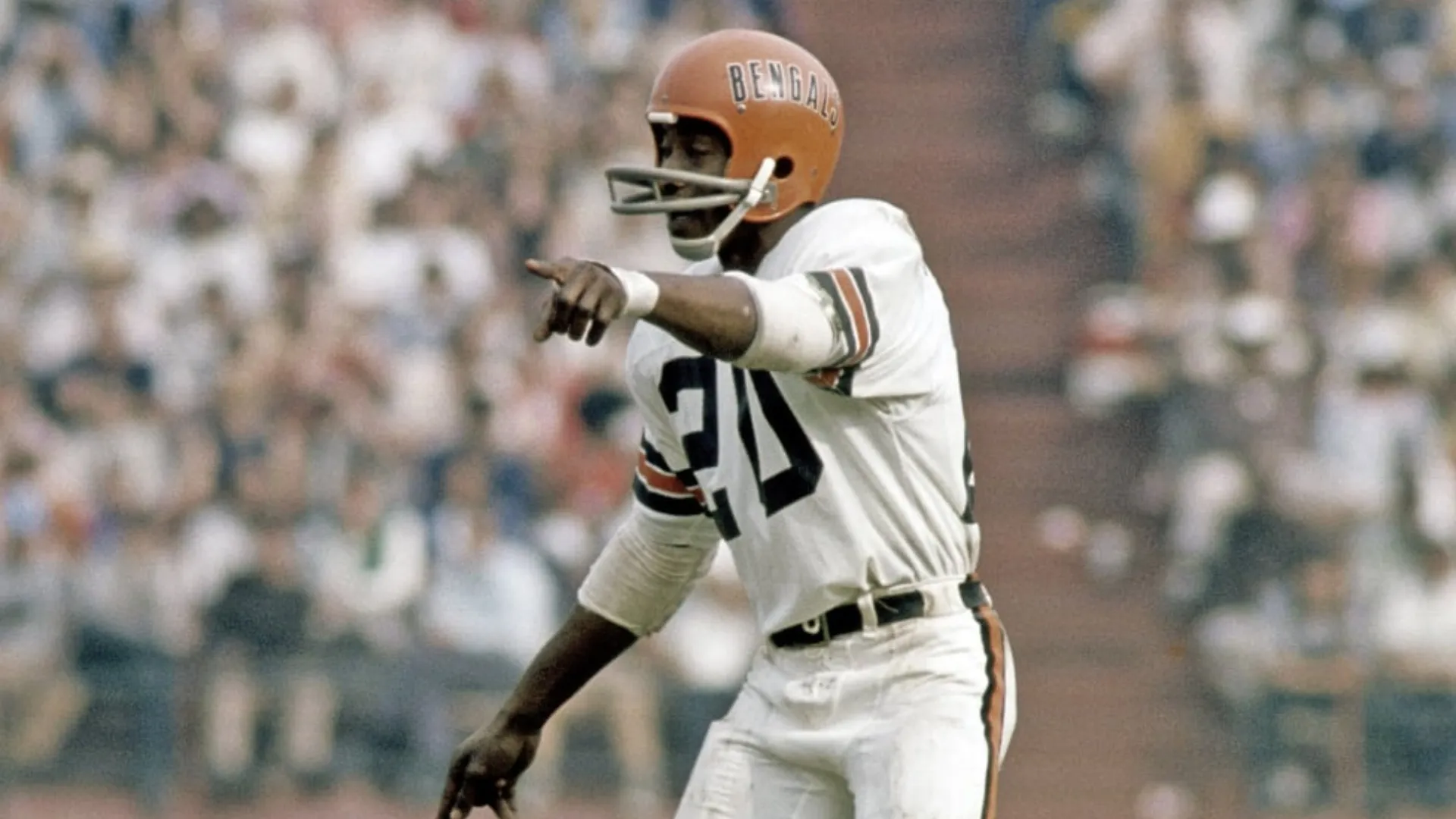
Lemar Parrish (Source: Cincinnati Bengals)
Lemar Parrish was one of the most explosive and versatile defensive backs in the history of the Bengals franchise, earning a reputation as a dangerous playmaker in both the secondary and on special teams. During his nine seasons in Cincinnati, he earned six Pro Bowl selections, showcasing elite speed and closing ability that made him a constant threat to intercept passes.
His true greatness, however, lay in his prowess as a return man. He returned four interceptions and four punts for touchdowns with the Bengals, making him one of the most dynamic athletes of the era. His two-way threat defined the team’s early defensive identity, providing game-changing moments and electrifying plays that few defensive players could match.
Corey Dillon
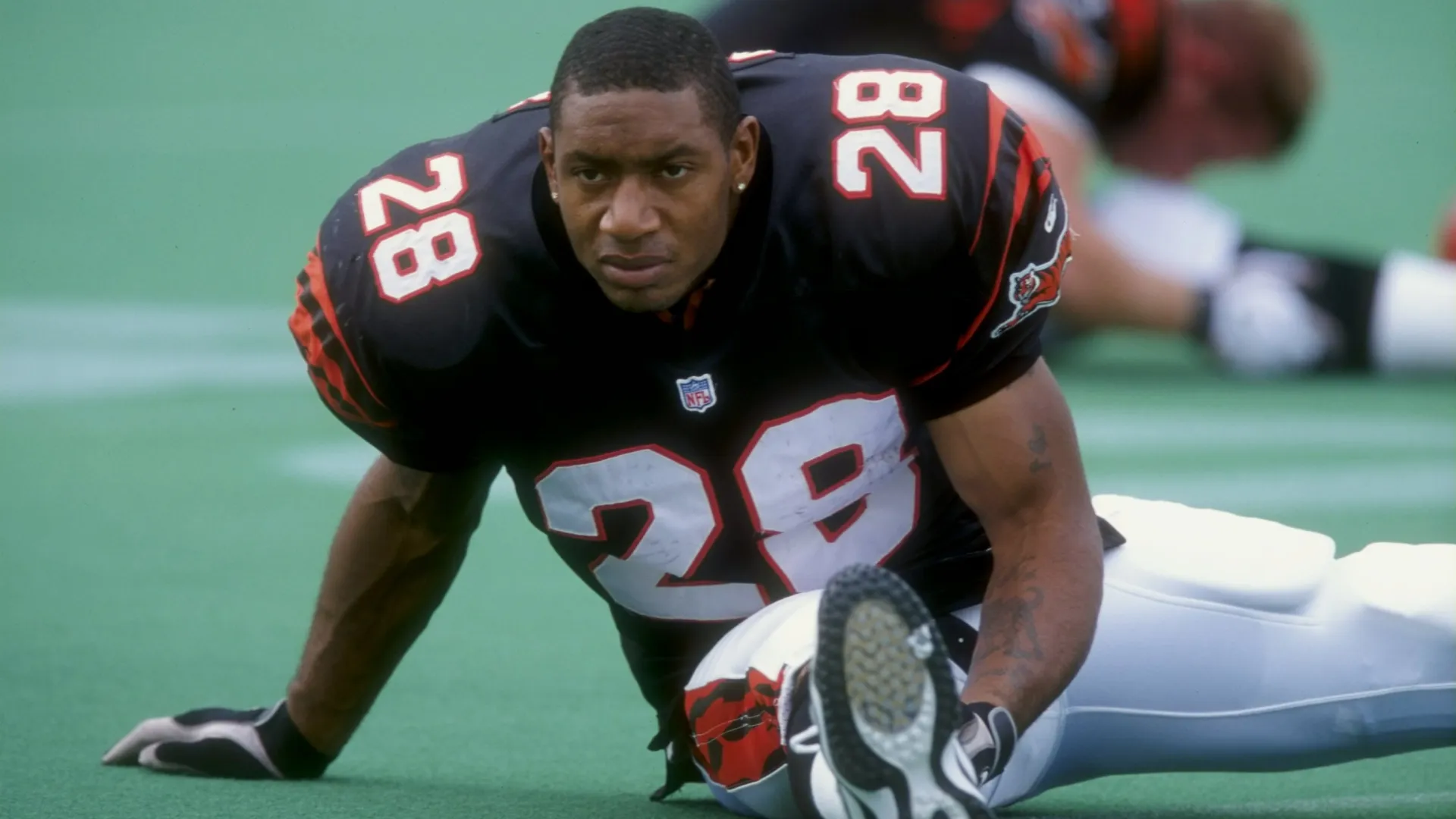
Corey Dillon (Source: Stephen Dunn /Allsport)
Corey Dillon was the physically dominant running back who provided the Bengals with their first major ground threat of the 1990s, defining an era of powerful, punishing running. Drafted in 1997, he quickly set a franchise benchmark for durability and production, rushing for over 1,000 yards in six of his seven seasons in Cincinnati.
His career in Cincinnati is highlighted by a single, explosive performance: he set an NFL rookie record in 1997 with 246 rushing yards in one game. While his tenure was marked by some public friction regarding team culture, his on-field dominance was unquestionable. He remains a top-tier running back in franchise history, setting the stage for future elite rushers in Cincinnati.
Willie Anderson
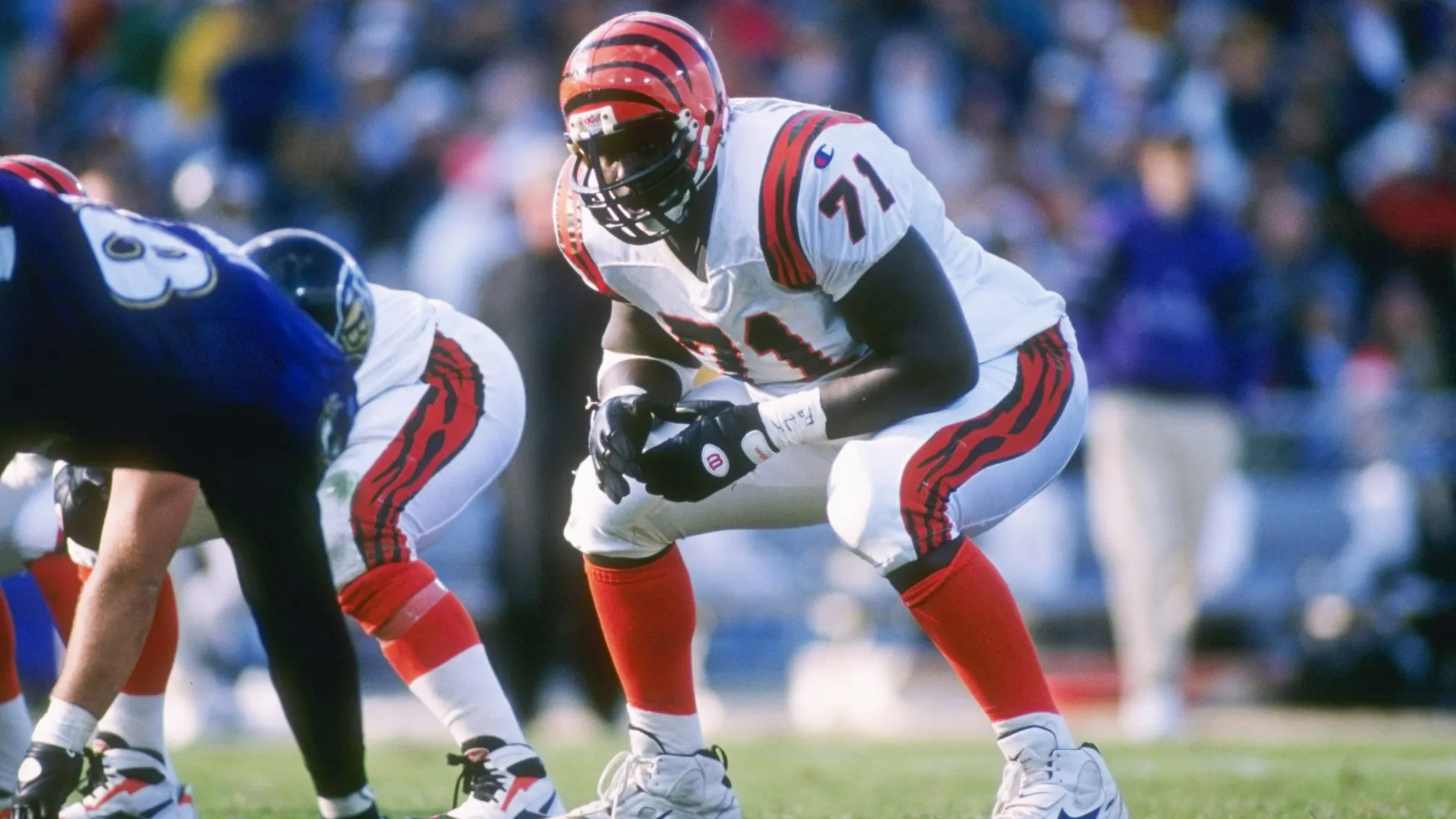
Willie Anderson (Source: Doug Pensinger /Allsport)
Willie Anderson was the towering, reliable presence at right tackle who anchored the Bengals’ offensive line and defined the team’s commitment to protecting the quarterback for over a decade. He was a model of consistency and strength, earning four consecutive Pro Bowl selections and three First-team All-Pro honors during his 12 seasons with the team.
His excellence was crucial in the franchise’s transition from a perennial loser to a playoff contender in the mid-2000s, providing the necessary protection that allowed quarterbacks to thrive. His technical mastery and durability were hallmarks of his game, making him one of the most respected offensive linemen of his era and an indispensable veteran leader.
Joe Burrow
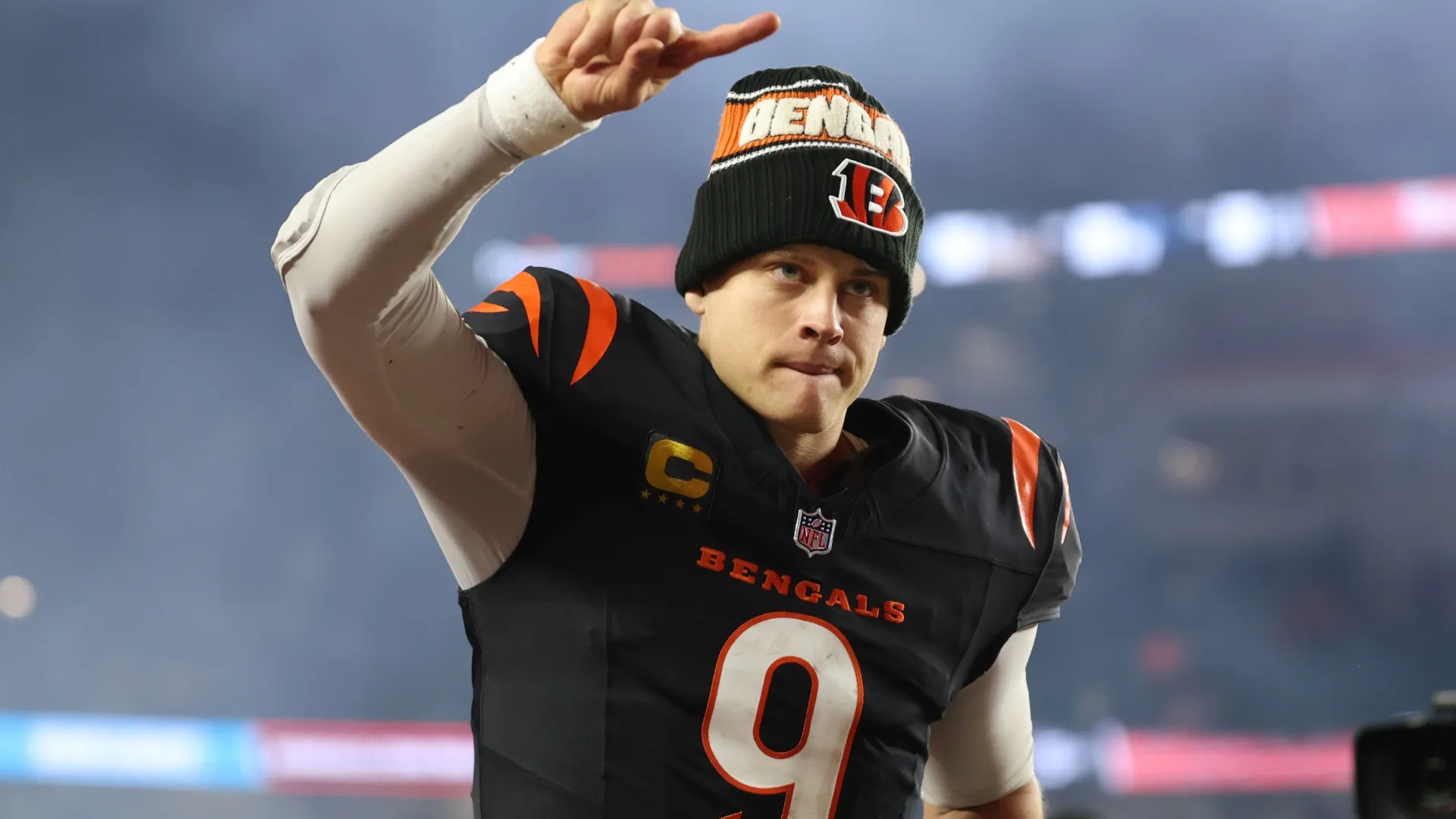
Joe Burrow (Source: Andy Lyons/Getty Images)
Joe Burrow‘s arrival in Cincinnati in 2020 marked the single most dramatic turning point in the modern history of the Bengals franchise. Coming from LSU, “Joey B” immediately injected elite confidence and surgical precision into the locker room, leading a transformation that vaulted the Bengals from chronic losers to Super Bowl contenders in just his second full season.
His exceptional composure under immense pressure, combined with an ability to deliver the ball with pinpoint accuracy in tight windows, has allowed him to establish league-leading passer ratings and completion percentages that place him among the NFL’s elite.
He didn’t just change the Bengals’ culture; he rewrote the team’s record book and expectations. He guided the team to back-to-back AFC Championship appearances and an unexpected run to Super Bowl LVI.
Despite suffering a devastating injury in his rookie season, his resilience earned him the AP Comeback Player of the Year award, proving that he is the undeniable leader who has restored excitement and consistent success to Who Dey Nation.
A.J. Green
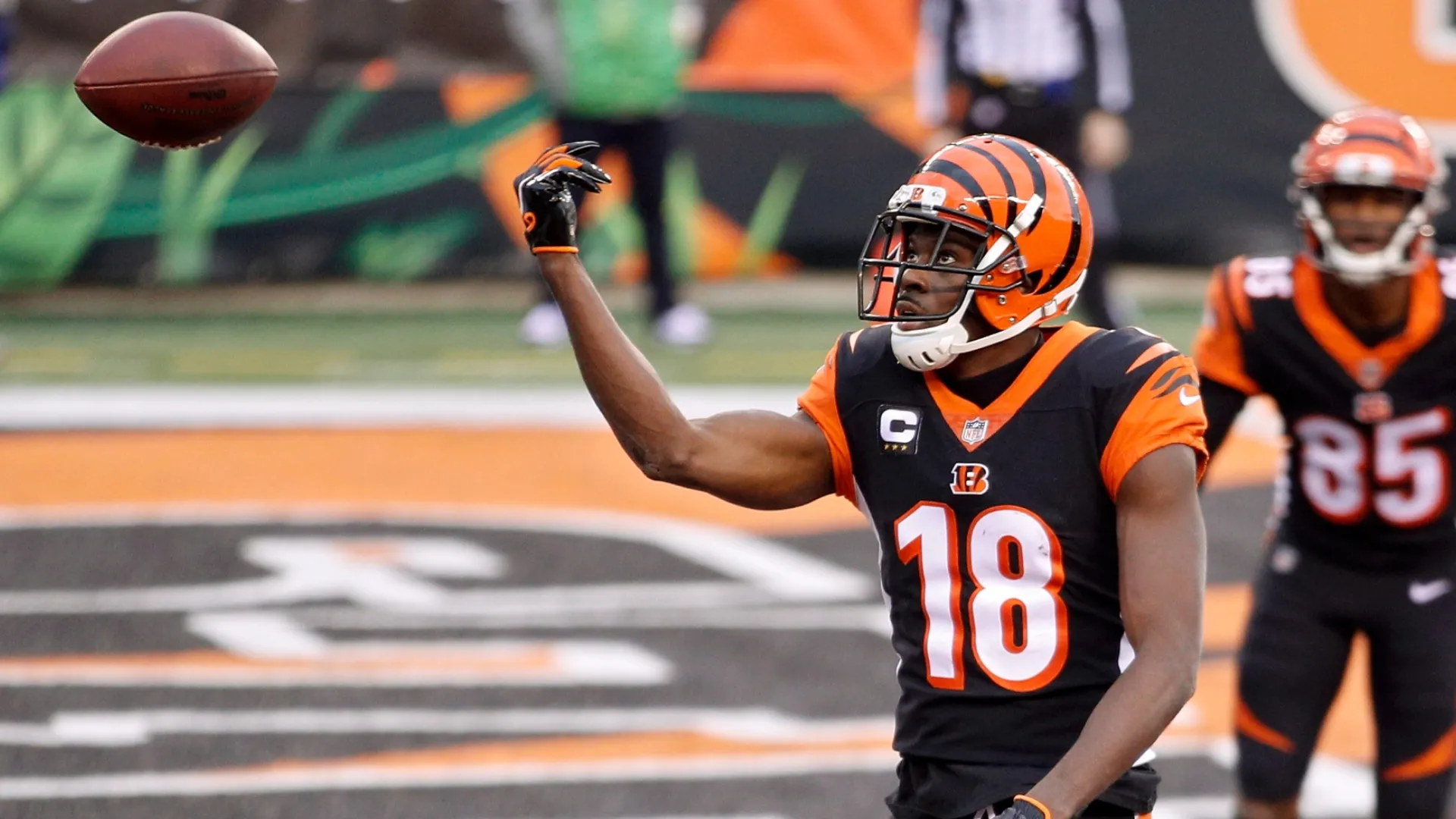
A.J. Green (Source: Michael Hickey/Getty Images)
A.J. Green possessed a rare blend of height, athleticism, and body control that made him an elite, must-watch wide receiver for the Bengals for a decade. Drafted fourth overall in 2011, he immediately delivered, starting his career with a remarkable seven consecutive Pro Bowl selections and six 1,000-yard seasons.
His signature was his ability to make gravity-defying catches in traffic, often hauling in spectacular, one-handed grabs that became routine highlights. He became the primary offensive weapon that elevated the franchise’s passing attack, setting numerous team records and defining the offense through his graceful, dominant play before the arrival of the team’s current superstar receiving corps.
Reggie Williams
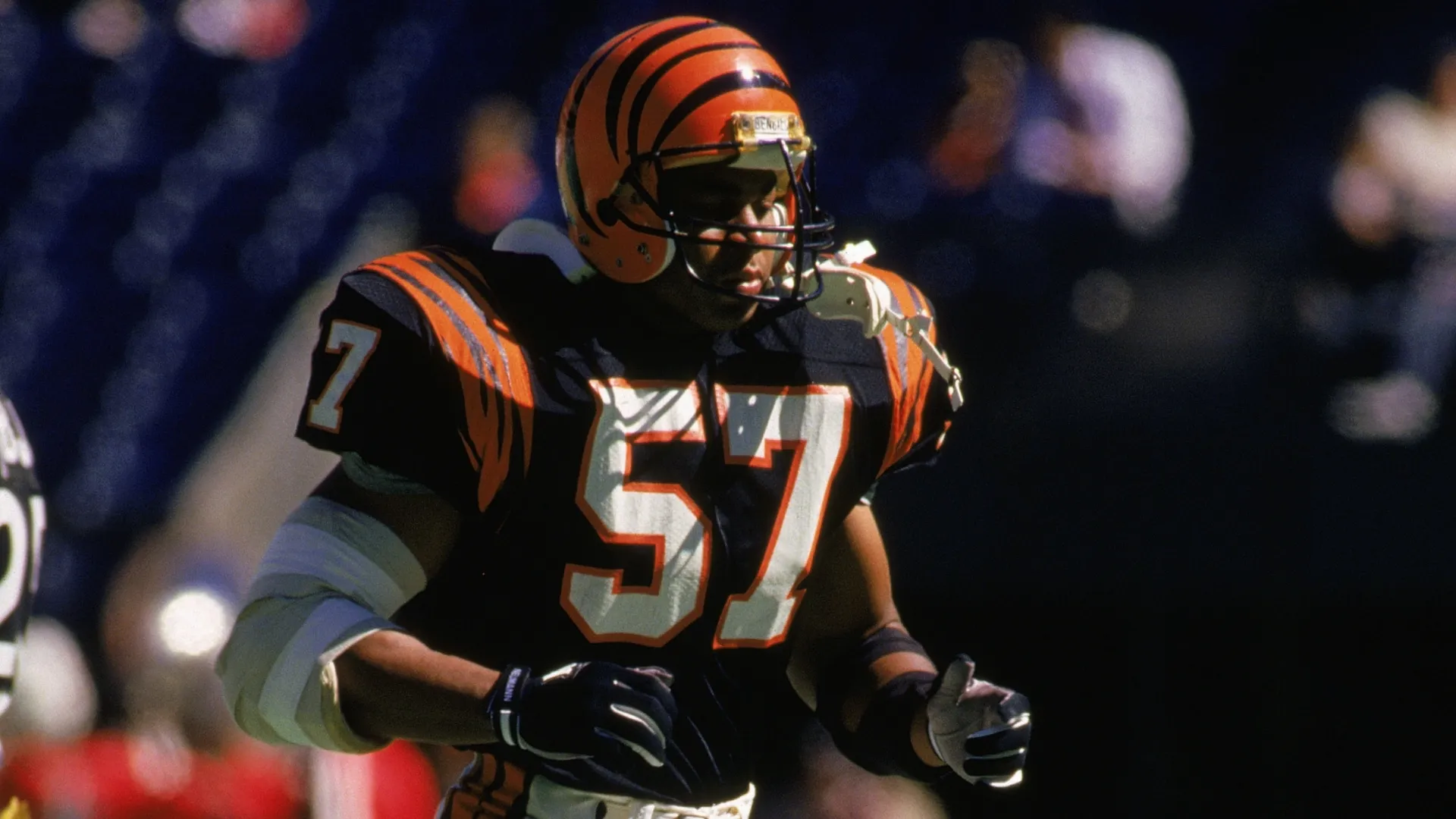
Reggie Williams (Source: Rick Stewart/Getty Images)
Reggie Williams’ legacy is defined not just by his performance as a linebacker, but by his profound impact as a leader and a standard-bearer for the Bengals franchise for 14 seasons. As a defensive cornerstone throughout the 1970s and 1980s, he was a versatile and intelligent player who provided consistent run-stopping ability and a powerful presence in the locker room.
Beyond the tackles, he was a distinguished graduate of Dartmouth and served on the Cincinnati City Council during his playing career, highlighting his immense commitment to civic responsibility. He received the prestigious Walter Payton NFL Man of the Year Award in 1986, cementing his reputation as a unique and indispensable figure whose leadership transcended the field.
Carl Pickens
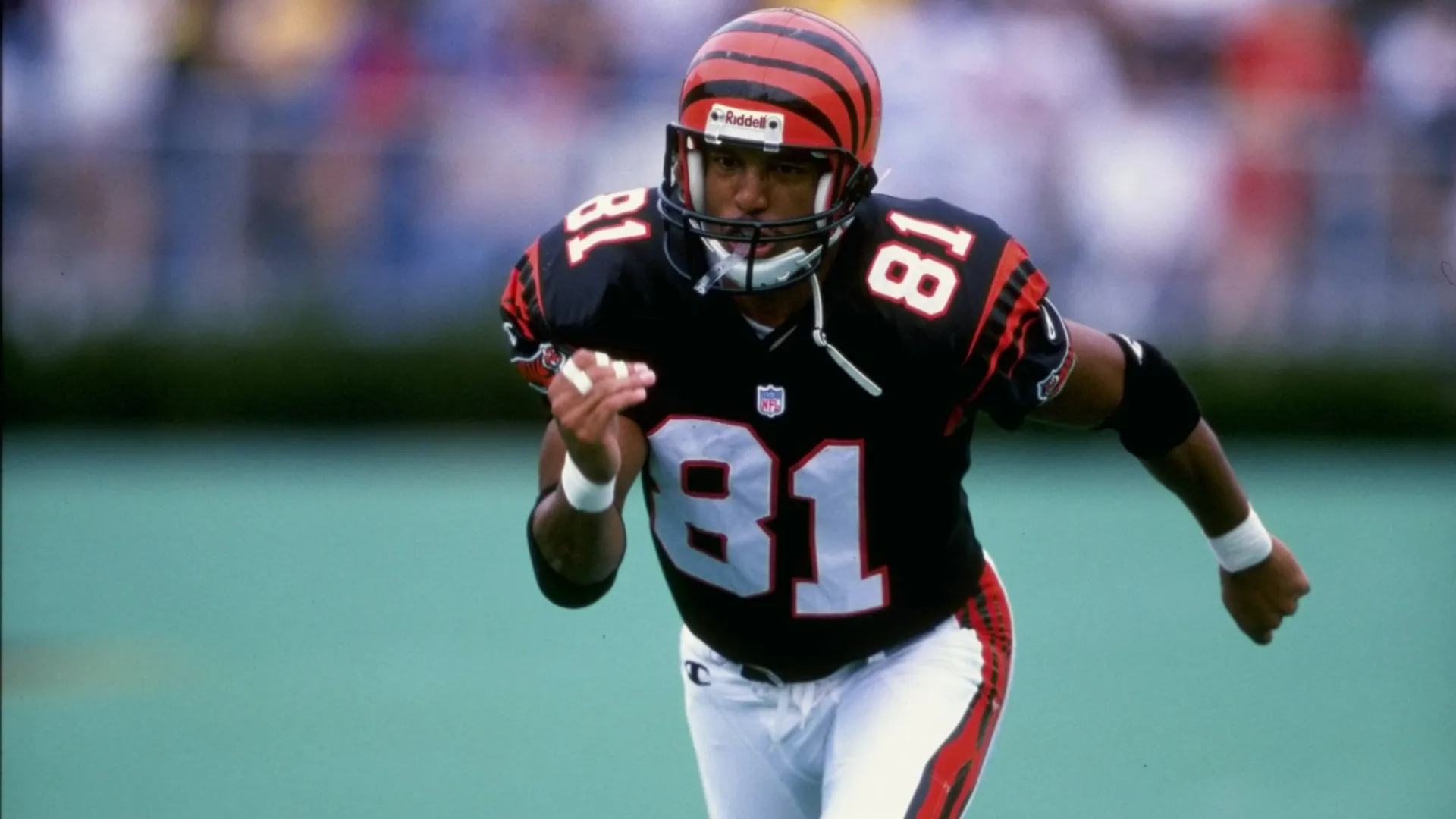
Carl Pickens (Source: Stephen Dunn /Allsport)
Carl Pickens was the explosive wide receiver who provided the Bengals with a dynamic, physical threat throughout the 1990s. Known for his robust frame and exceptional hands, he was a master of contested catches and a consistent scorer, earning two Pro Bowl selections and the 1996 Comeback Player of the Year Award.
His peak production was phenomenal, highlighted by his 1995 season where he led the entire NFL with 17 receiving touchdowns, a franchise record that stood for years. Despite playing during one of the most challenging periods in Bengals history, his high-level statistical output made him one of the most reliable and exciting offensive weapons of the era.
David Fulcher
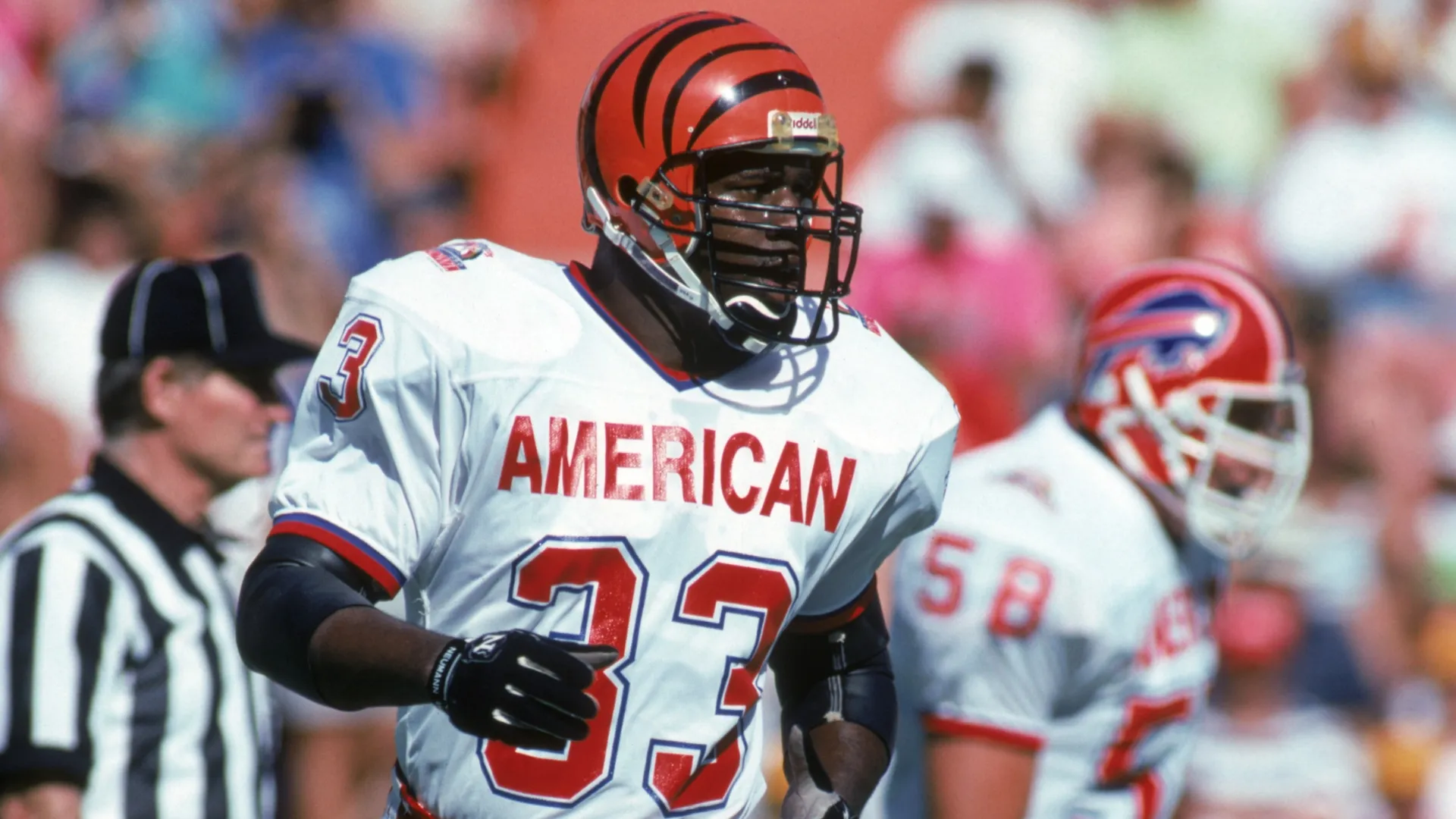
David Fulcher (Source: George Rose/Getty Images)
David Fulcher, famously nicknamed “The Judge,” was the punishing, hard-hitting safety whose intensity anchored the Bengals’ defense during their 1980s resurgence. A three-time Pro Bowl selection and two-time First-team All-Pro, he was one of the most intimidating and versatile defensive backs of his time, equally capable of delivering bone-jarring hits and covering receivers.
His presence was a statement: he brought a necessary swagger and ferocity to the defense that perfectly complemented the team’s high-powered offense. His memorable play during the run to Super Bowl XXIII solidified his reputation as a defensive icon whose physical dominance set the tone for the entire unit.
Geno Atkins
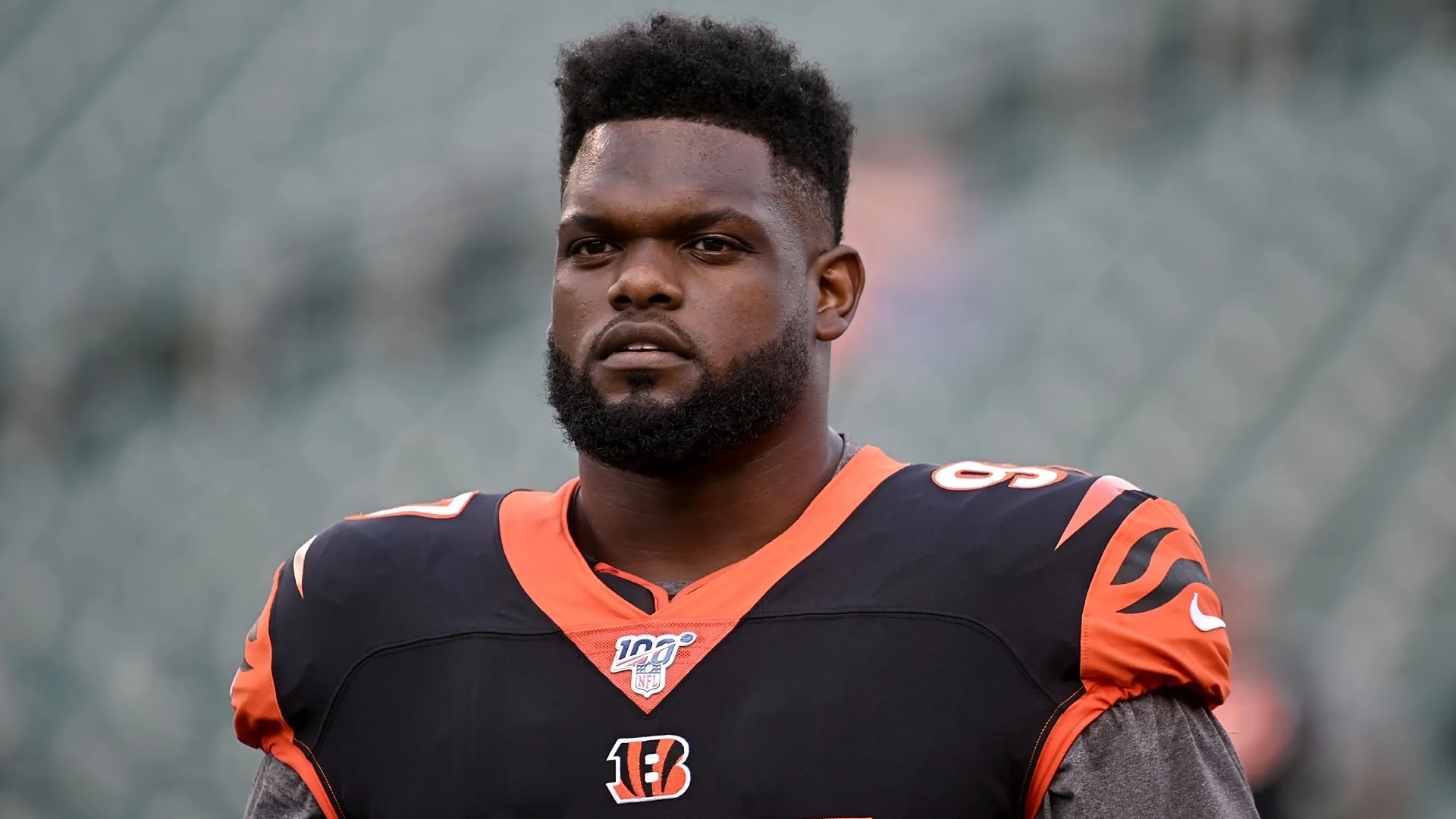
Geno Atkins (Source: Bobby Ellis/Getty Images)
Geno Atkins was the interior defensive force whose explosive speed and relentless pressure redefined the defensive tackle position for the Bengals in the 2010s. Despite his undersized stature for the position, he utilized a lightning-quick first step and exceptional leverage to become one of the most consistent pass-rushing threats in the NFL, earning eight Pro Bowl selections.
His dominance in the middle of the defensive line was foundational to the Bengals’ streak of playoff appearances under coach Marvin Lewis. His sheer ability to generate interior pressure fundamentally altered opposing offensive game plans, cementing his status as one of the most disruptive defensive players in franchise history and a modern icon.
Rodney Holman
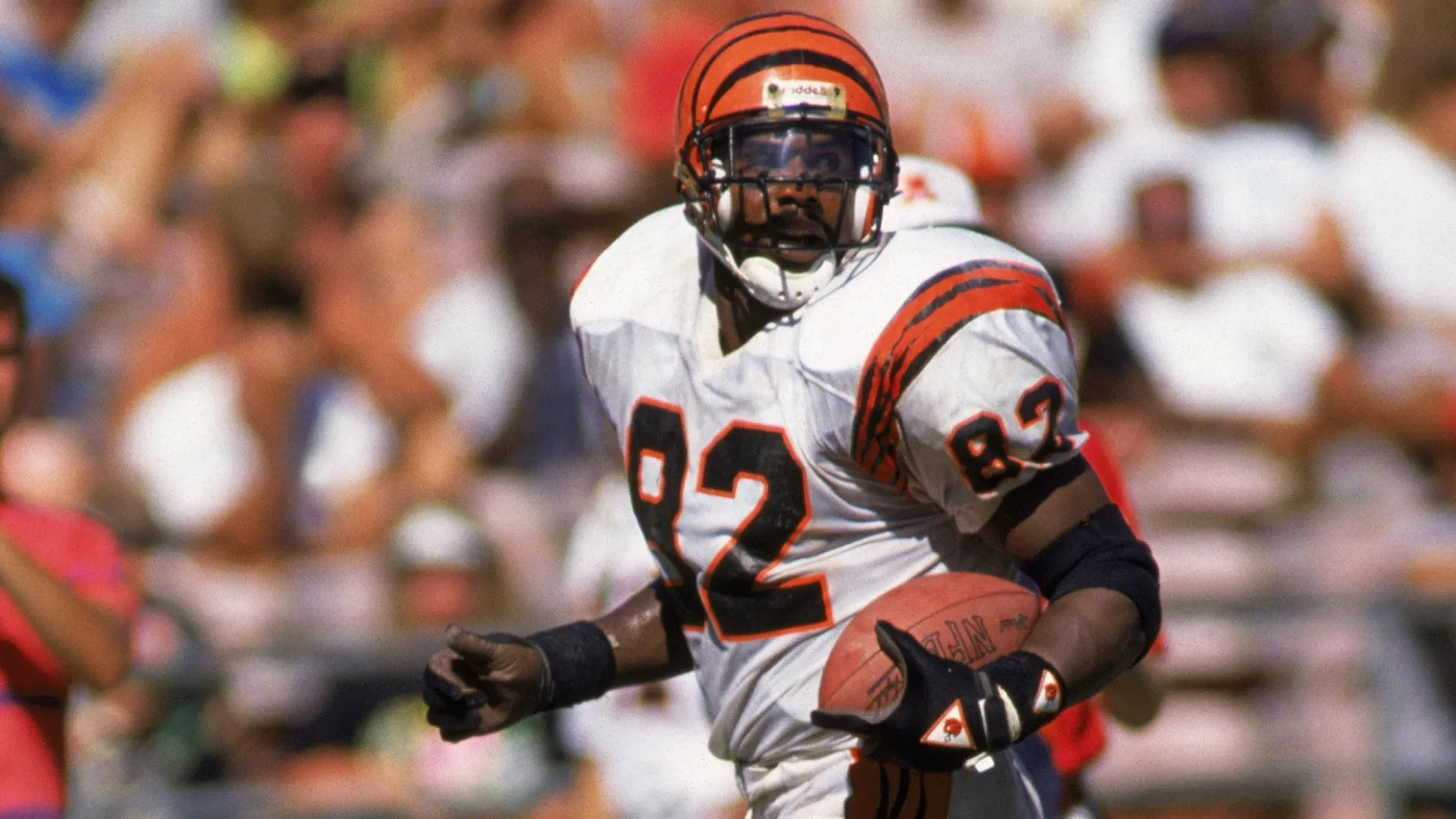
Rodney Holman (Source: Stephen Dunn/Getty Images)
Rodney Holman was the reliable, sure-handed tight end who played a crucial, often unheralded role in the Bengals’ high-powered offenses of the 1980s. He earned four consecutive Pro Bowl selections and was instrumental as both a blocker in the running game and a critical intermediate receiving target for quarterback Boomer Esiason.
His career peak coincided perfectly with the Bengals’ two Super Bowl runs, where his consistent production provided the necessary stability at the tight end position. His excellence as a dual-threat tight end was often overshadowed by the team’s massive receivers but remains essential to understanding the efficiency and success of the franchise’s greatest offenses.
Rudi Johnson
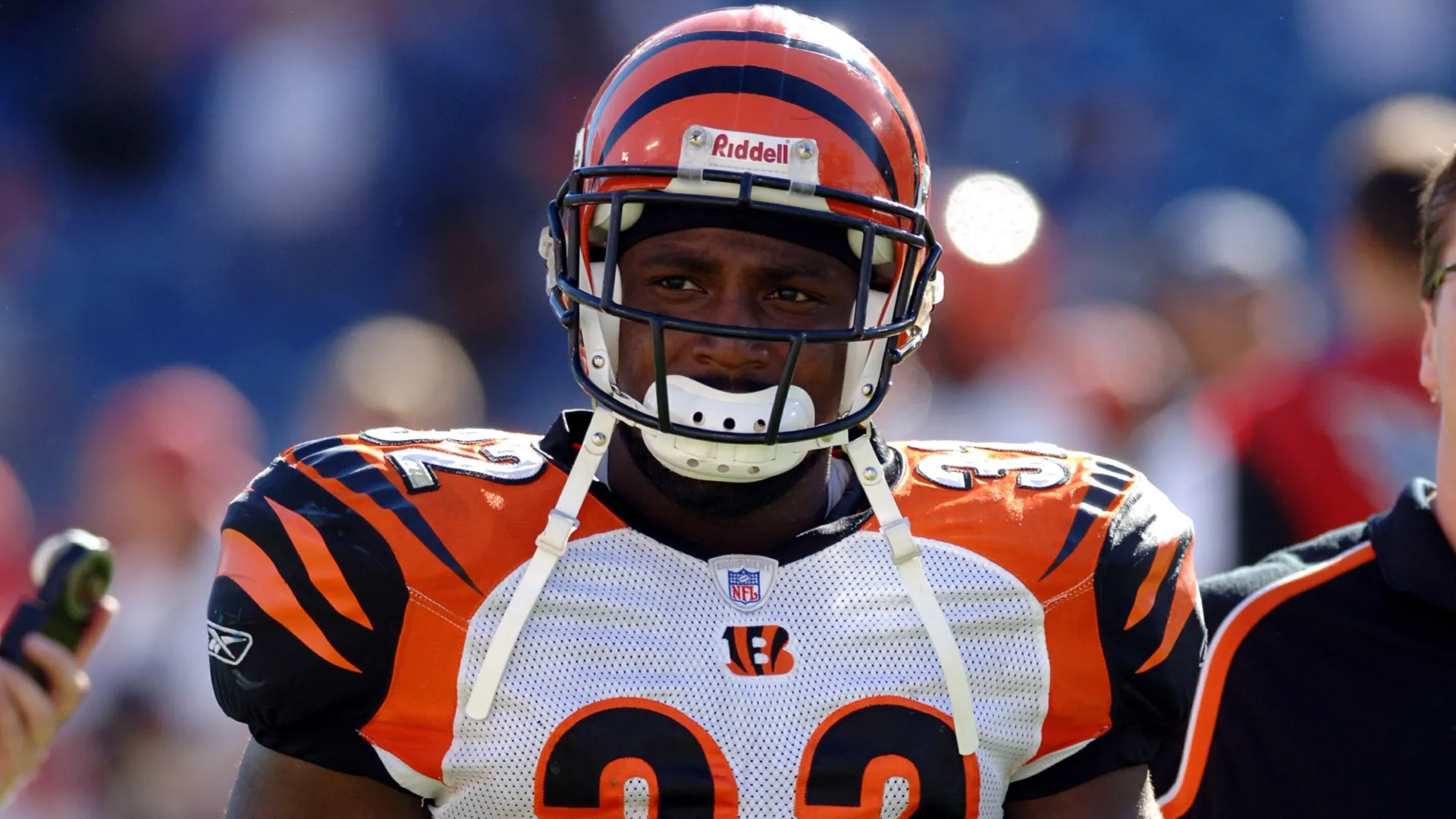
Rudi Johnson (Source: Joe Murphy/NFLPhotoLibrary)
Rudi Johnson was the powerful, bruising running back who took over the lead role in the mid-2000s, providing the offensive engine for the Bengals’ return to the playoffs after a long drought. Known for his punishing, straight-ahead running style and durability, he posted three consecutive 1,000-yard seasons, including a franchise-record 1,458 rushing yards in 2005.
His reliability was crucial in establishing the ground game needed for the team’s offensive success under quarterback Carson Palmer. His consistency and ability to carry the workload defined a critical period of renewal for the franchise, successfully delivering the toughness and production needed to usher in a new era of competitive football.
Andy Dalton
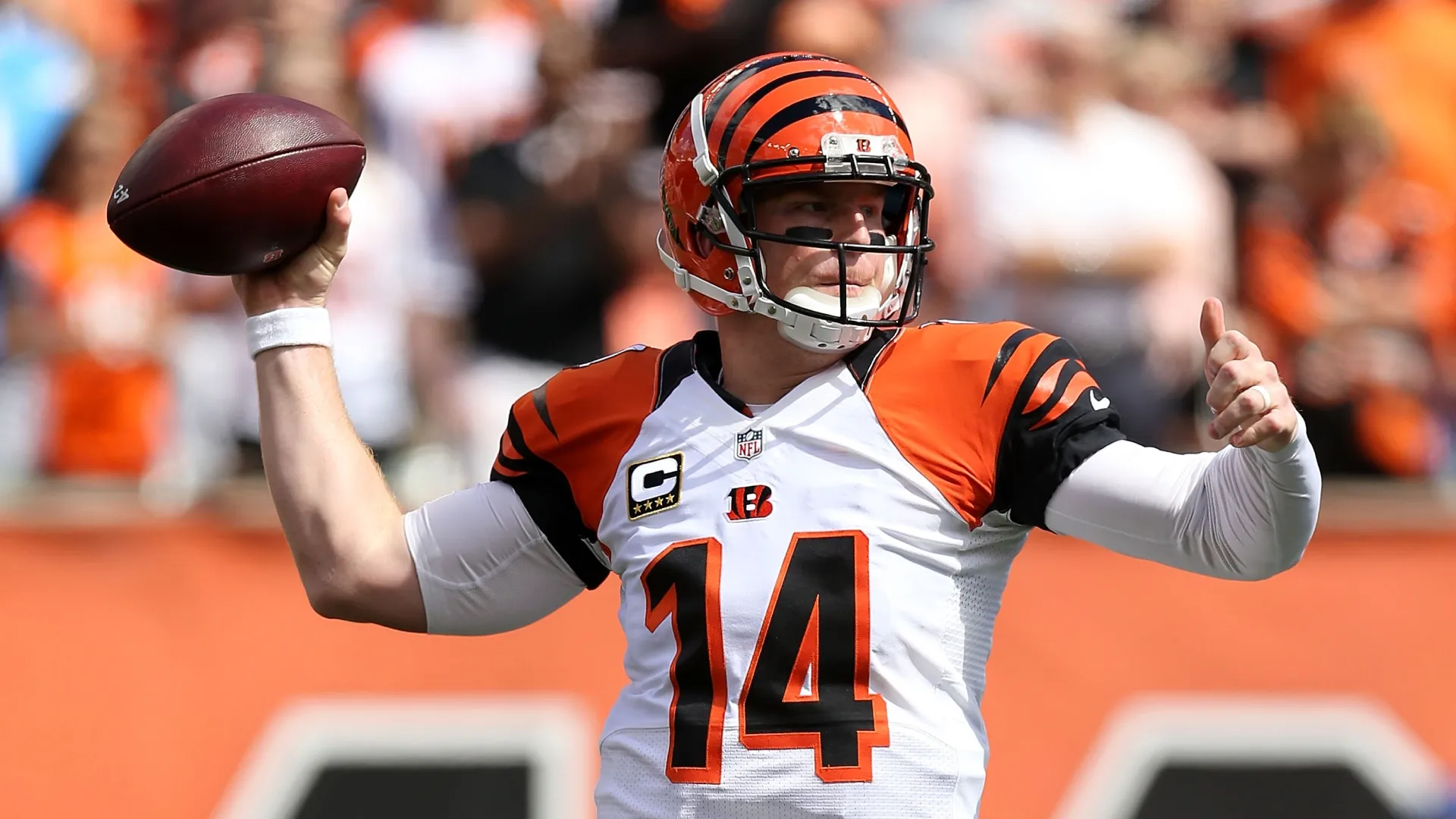
Andy Dalton (Source: Andy Lyons/Getty Images)
Andy Dalton was the starting quarterback who brought an unprecedented level of stability and winning expectation to the Bengals franchise throughout the 2010s. The three-time Pro Bowl selection set numerous team passing records and became the only quarterback in franchise history to lead the team to five consecutive playoff appearances.
His legacy is complex, often unfairly judged by the team’s lack of postseason victories during that period. However, his consistent regular-season performance, durability, and leadership were essential in transforming the Bengals into a perennial contender. His arrival signaled the beginning of the most sustained winning period the franchise had ever seen, making him a critical figure in team history.
Carson Palmer
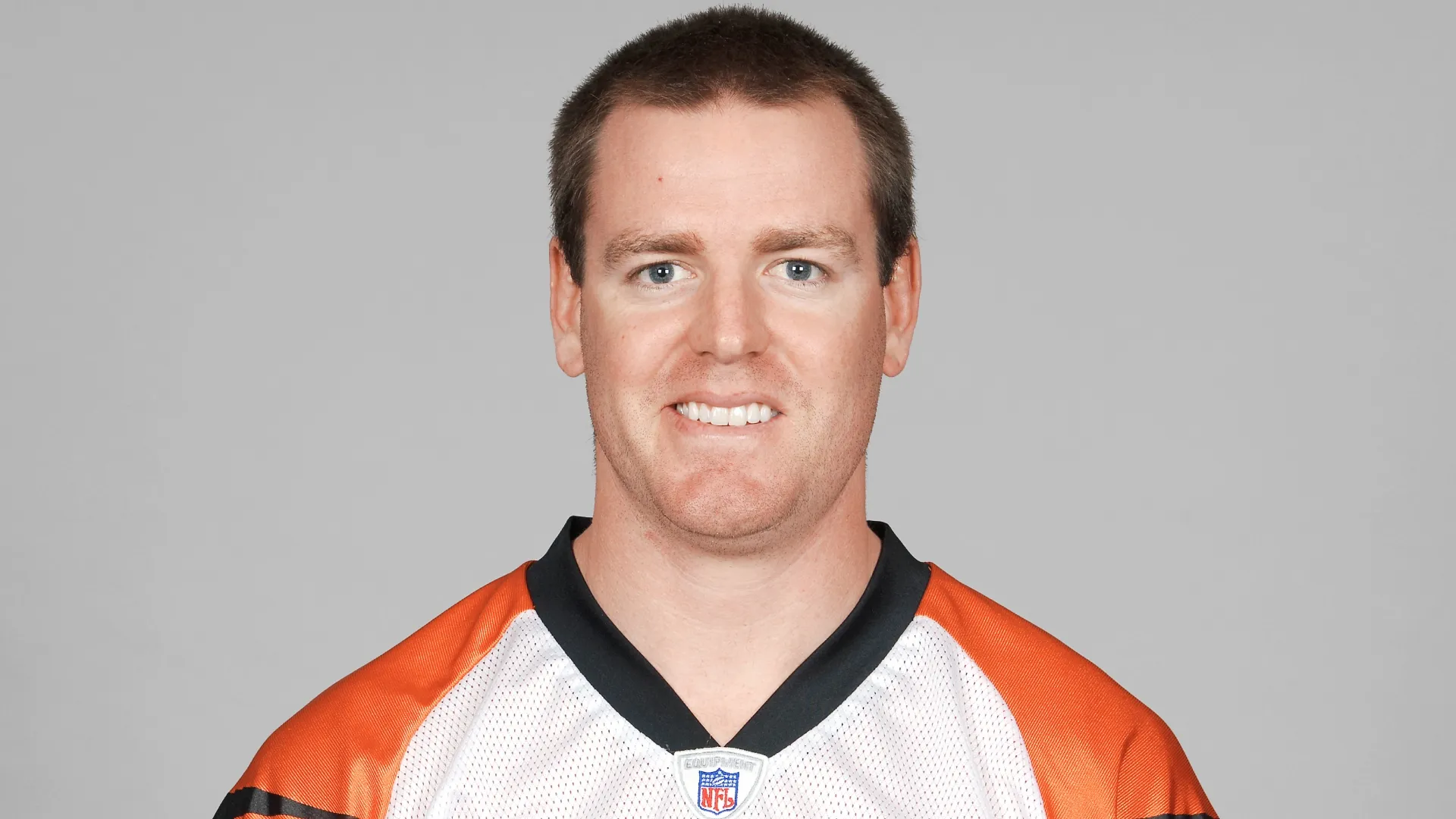
Carson Palmer (Source: Getty Images)
Carson Palmer was the Heisman Trophy winner who arrived in Cincinnati as the long-awaited savior, a quarterback whose immense talent and pedigree were expected to finally lift the franchise out of its long-standing struggles. Drafted first overall in 2003, he delivered on that promise, leading the Bengals to their first winning season and playoff appearance in 15 years in 2005.
His time in Cincinnati was tragically marked by a devastating knee injury suffered on the first drive of that 2005 playoff game, an injury so severe it was publicly questioned if he could ever return to form. Despite that setback, he bounced back to earn multiple Pro Bowl selections. He remains the quarterback who ushered in the team’s modern era of competitiveness, even though his tenure ended with a complicated and public departure from the organization.
James Brooks
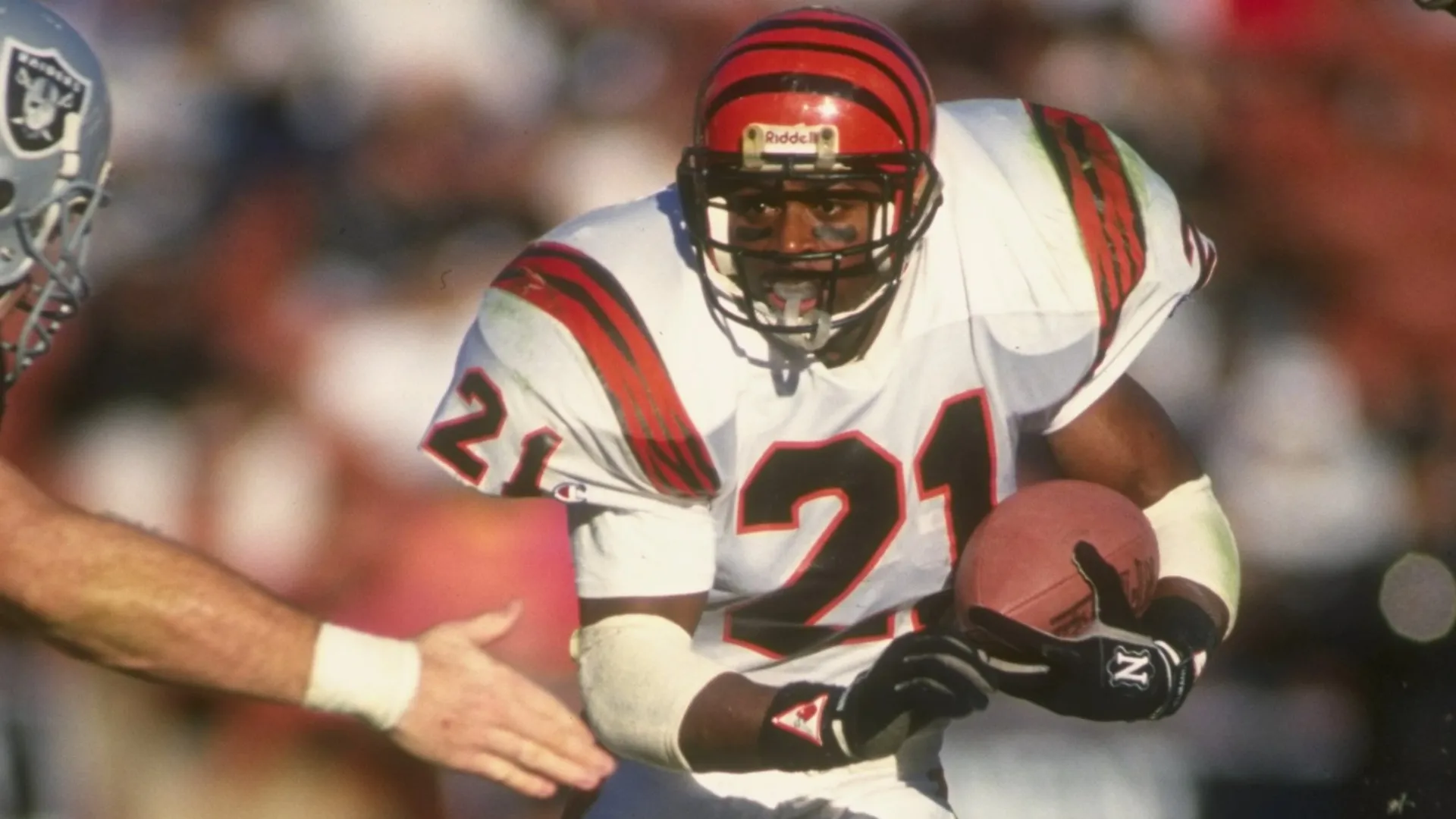
James Brooks (Source: Getty Images)
James Brooks was the pound-for-pound toughest and most versatile running back in Bengals history, earning a reputation as one of the NFL’s first true dual-threat nightmares in the 1980s. Known for his elite speed and receiver-crisp routes, he was too fast for opposing linebackers and safeties, providing the perfect weapon for coach Sam Wyche’s innovative no-huddle offense.
He was a four-time Pro Bowler and retired as the franchise’s all-time leading rusher. His versatility was so exceptional that he became one of only seven players between 1968 and 2005 to join the exclusive 30/30 Club (30+ rushing and 30+ receiving touchdowns), cementing his status as a unique all-purpose dynamo.
Paul Brown
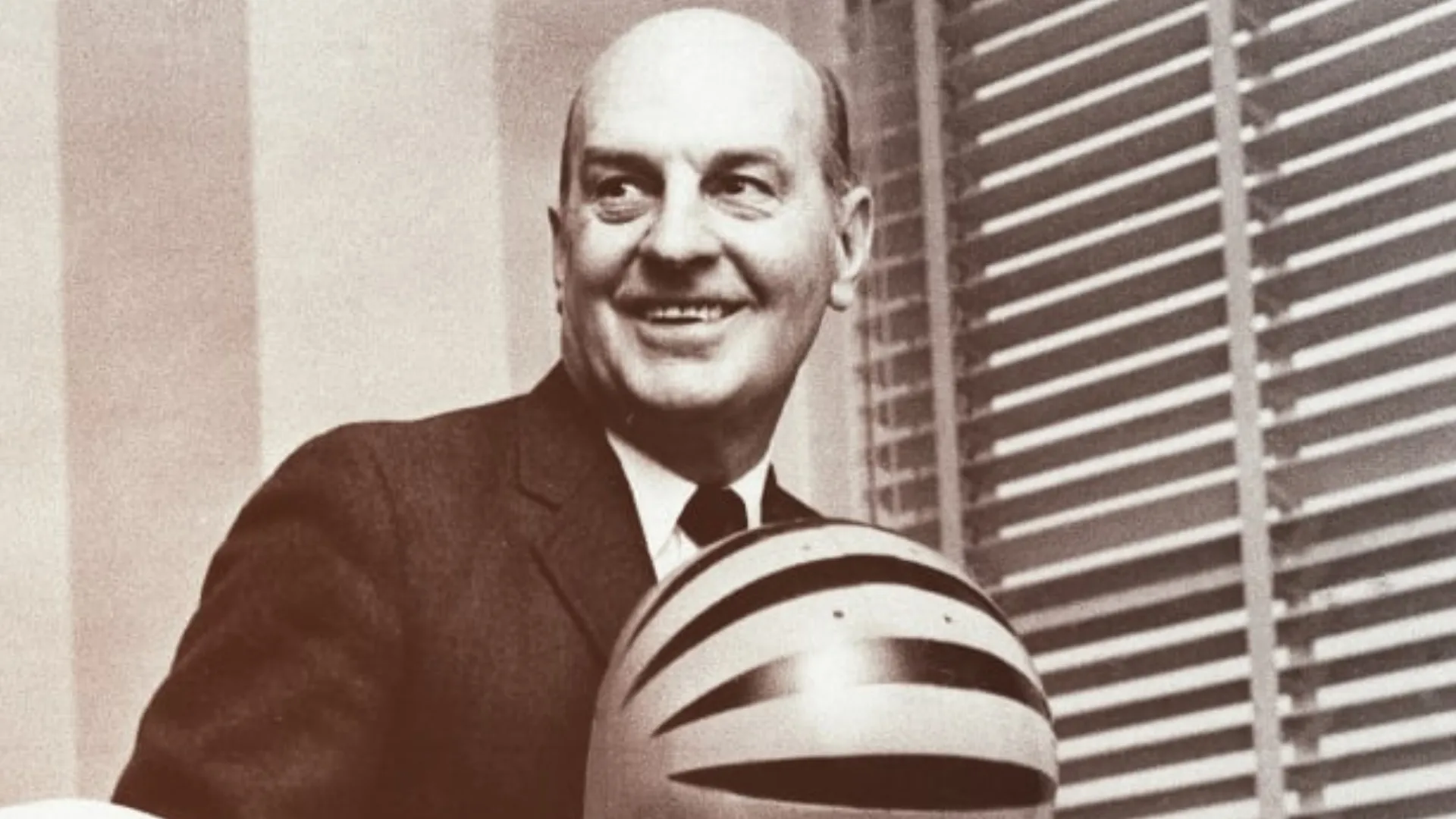
Paul Brown (Source: Cincinnati Bengals)
Paul Brown is the single most foundational figure in the history of the Cincinnati Bengals, establishing the franchise from scratch in 1967 and lending his name, legacy, and strict philosophy to the organization.
A football pioneer, he is credited with numerous modern innovations, including patenting the modern face mask, inventing the practice squad, and being the first coach to extensively use game film for scouting.
He was a methodical, disciplined, and often controversial disciplinarian who demanded absolute adherence to his system. His genius created a coaching tree that spread throughout the NFL, but his ultimate legacy in Cincinnati is that of the uncompromising founder who guided the Bengals to two division championships before stepping down from coaching and remaining the team’s president until his death.
Ja’Marr Chase
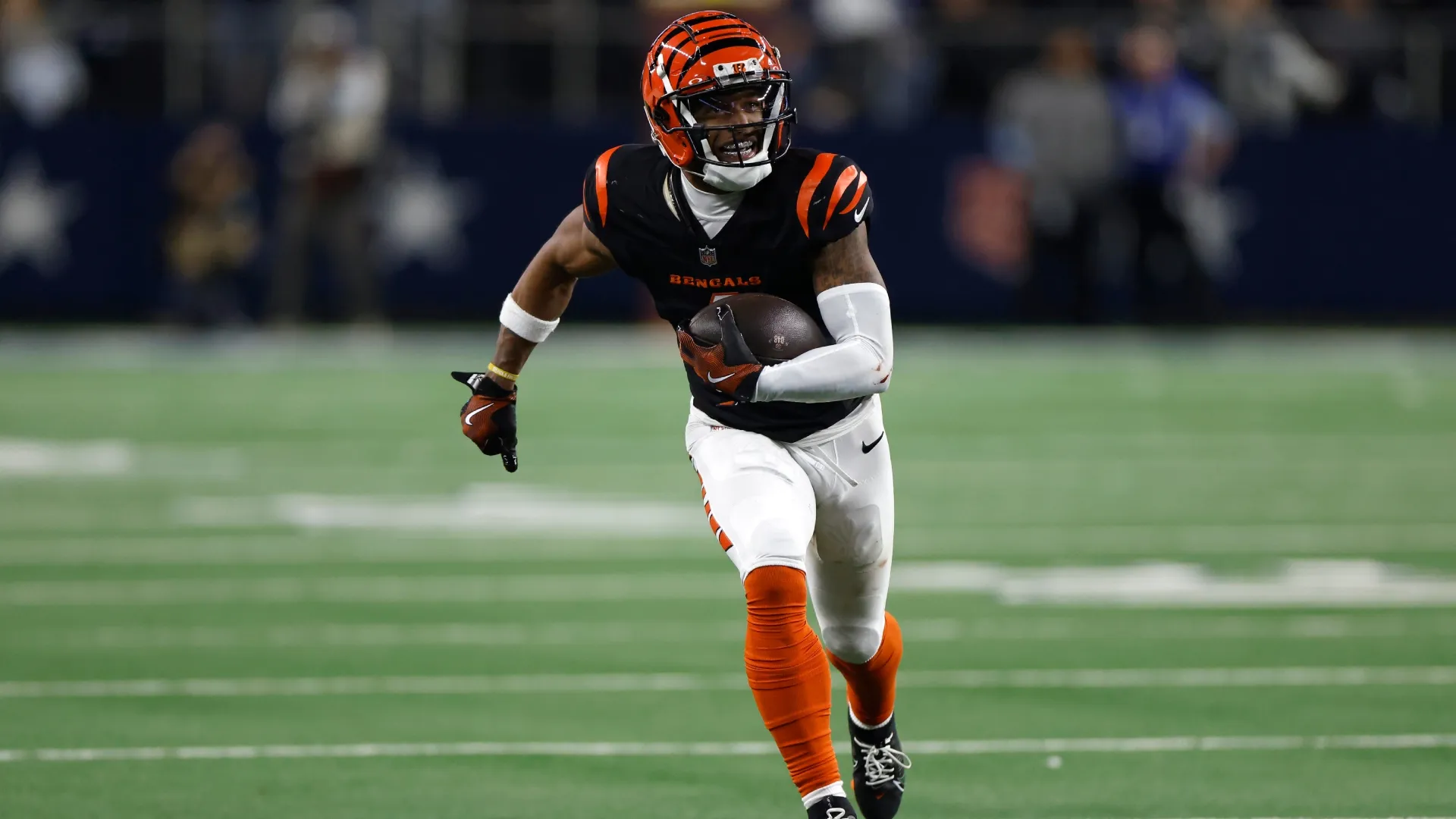
Ja’Marr Chase (Source: Ron Jenkins/Getty Images)
Ja’Marr Chase is the very definition of a generational talent at the wide receiver position, an explosive playmaker whose near-telepathic connection with former college teammate Joe Burrow instantly redefined the Bengals’ offense.
Drafted 5th overall in the 2021 Draft, he not only met the sky-high expectations but shattered them, showcasing a rare combination of deep speed, strength in contested catch situations, and the uncanny ability to turn short passes into massive, game-changing gains.
In his rookie campaign, he broke the single-season receiving yards record (including playoffs) for an NFL rookie and was unanimously named the AP Offensive Rookie of the Year.
In subsequent seasons, his dominance has remained absolute, resulting in multiple Pro Bowl selections and continuous franchise receiving records. He is not just a receiver; he is a constant, boundary-pushing threat who forces opposing defenses to rewrite their entire game plan, solidifying his status as one of the most dynamic offensive stars in Bengals history.
T.J. Houshmandzadeh
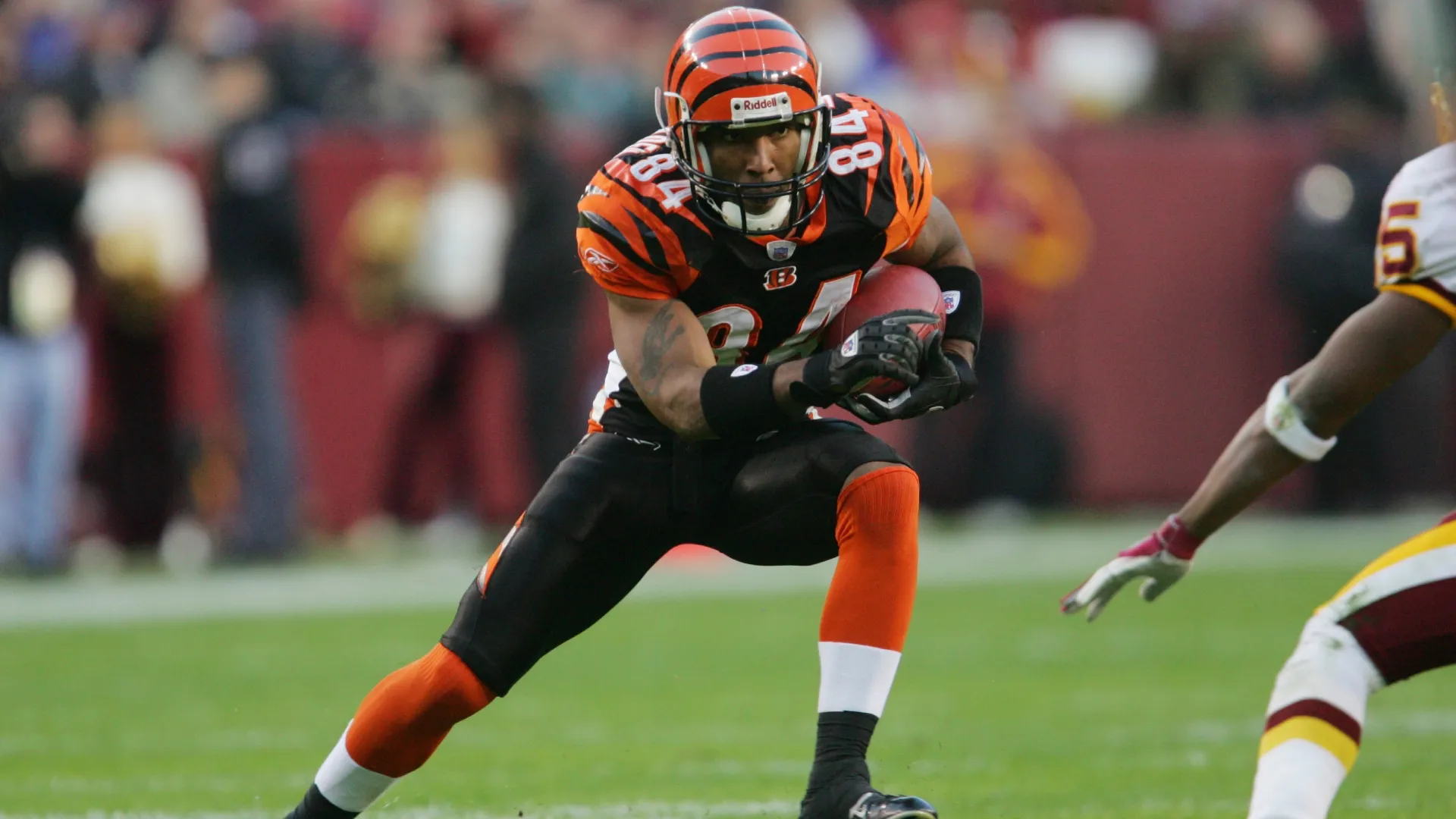
T.J. Houshmandzadeh (Source: Jamie Squire/Getty Images)
T.J. Houshmandzadeh was the tough, highly productive wide receiver who was a cornerstone of the Bengals’ potent offensive passing attack in the 2000s. Known for his reliable hands and willingness to battle for every catch, he led the NFL in a category that speaks to his consistency: he tied for the most receptions in the league in 2007 with 112 catches.
His success was defined by a strong work ethic and a “chip on his shoulder,” which fueled his rise from a late-round pick to a Pro Bowl selection. His durability and production—amassing over 1,000 receiving yards in three consecutive seasons—were instrumental in the team’s return to the playoffs and secured his place as one of the most consistent and effective receivers in team history.