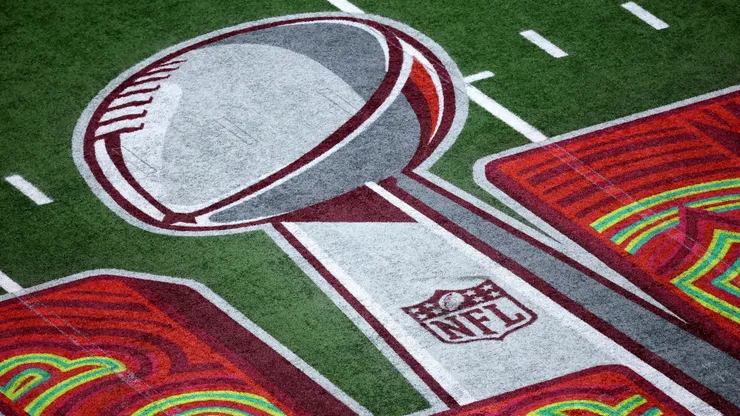
For advertisers, the Super Bowl has become as much a cultural platform as a sporting event: a rare moment when millions of viewers tune in simultaneously. What was once an affordable broadcast experiment has grown into one of the most coveted advertising stages in the world.
In the very first Super Bowl in 1967, a 30‑second television spot cost just tens of thousands of dollars, but that figure now feels almost microscopic compared to today’s market. Over the years, ad rates have tracked not only inflation, but the increasing value of live audiences.
By the mid‑2020s, brands were spending millions for a brief appearance during the Big Game, with commercials regularly commanding prices that eclipse nearly every other broadcast event. Yet the cost of just buying the time is only part of a much larger investment.
How much are Super Bowl ads?
For Super Bowl LX in 2026, the going rate for a 30‑second commercial spot reached around $8 million on average, with some premium placements, like those near kickoff or right after the halftime show, commanding as much as $10 million.
This reflects scale and demand at the peak of live television advertising, according to Talk Sports. Super Bowl commercials are widely regarded as some of the most expensive advertising real estate on the planet.
What began in the 1960s as a modest opportunity to reach a growing national audience has ballooned into a multimillion‑dollar spectacle. This escalation isn’t random: the Big Game remains one of the few live events that consistently draws massive audiences.
Brands are willing to pay top dollar not just for immediate exposure, but for the cultural currency that comes with memorable creatives amid what many viewers still treat as appointment viewing — even in an age of fragmented media consumption.
Beyond airtime costs, the total investment per spot can be much higher once production fees, celebrity talent, music licensing and digital campaign extensions are factored in.
Modern Super Bowl campaigns are often engineered to live far beyond the broadcast itself, amplified by social media teasers, influencer partnerships, and post‑game analysis that help stretch every second of costly airtime into weeks of sustained visibility.