Under the fading summer light, some NFL matchups seem to pause mid-story. No extra snaps, no sudden heroics—just the scoreboard frozen in a deadlock, as if the ending had been left deliberately unwritten.
It’s not confusion, but design. August games follow a quieter script, one that values caution as much as spectacle. For players, it’s a stage to prove worth; for coaches, a laboratory. The result? Sometimes, the curtain falls without a winner.
Yet this calm is fleeting. Once the regular season storms in, the rules sharpen, the stakes soar and ties face an entirely different fate. The contrast is more than procedural—it hints at the very soul of football’s shifting rhythms.
What happens when an NFL preseason game ends in a tie?
In 2025, NFL preseason contests remain free from the added drama of overtime. If the scoreboard reads a tie as the clock hits zero, play simply fades out—no bonus quarter, no sudden-death moment.
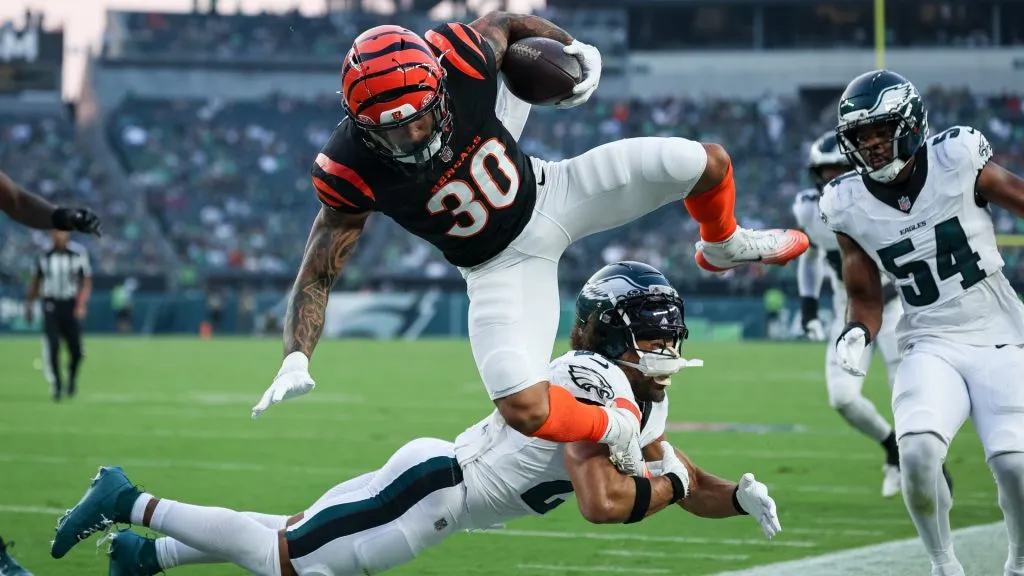
Chase Brown #30 of the Cincinnati Bengals is tackled by Sydney Brown #21 of the Philadelphia Eagles during the first half of the NFL Preseason 2025 game. (Source: Scott Taetsch/Getty Images)
This rule, in place since 2021, reflects the league’s emphasis on keeping rehearsals safe, swift and focused on home preparation rather than finality. Once the regular season kicks off, though, the narrative shifts.
How do overtime rules change once the NFL regular season begins?
The shift from preseason to regular season brings more than just heightened stakes—it changes the rulebook entirely. While August ties fade out without fanfare, September’s games face a tighter, more deliberate framework designed to balance fairness with the realities of player fatigue.
In 2025, the NFL extended its postseason-style overtime rule to the regular season. The extra period is now 10 minutes, and—most notably—both teams are guaranteed a possession, even if the first drive ends in a touchdown.
This adjustment came after years of criticism that sudden-death drives gave a disproportionate edge to the coin toss winner. If, after both teams have had the ball, the score remains tied, play continues until the end of the 10-minute period.
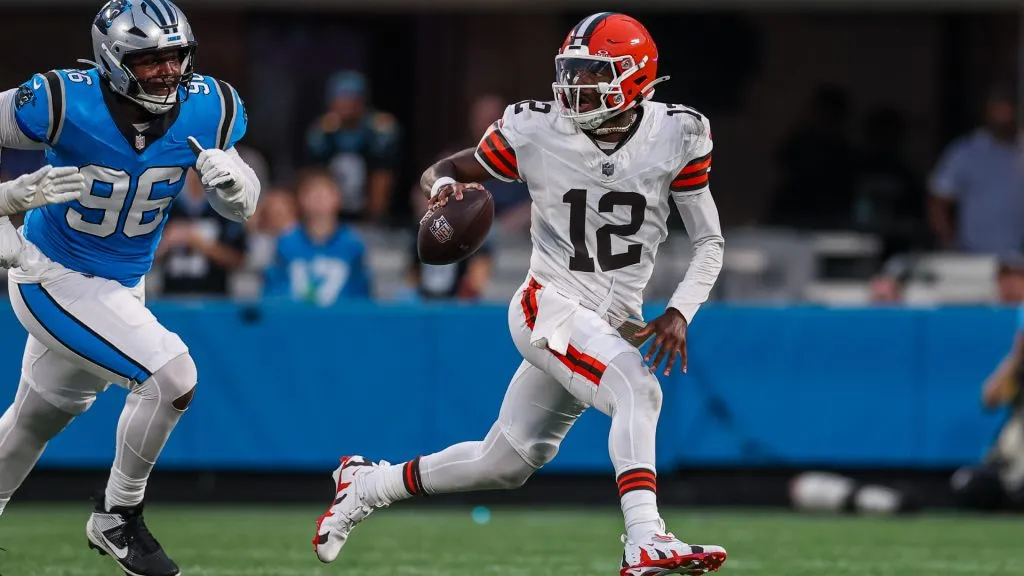
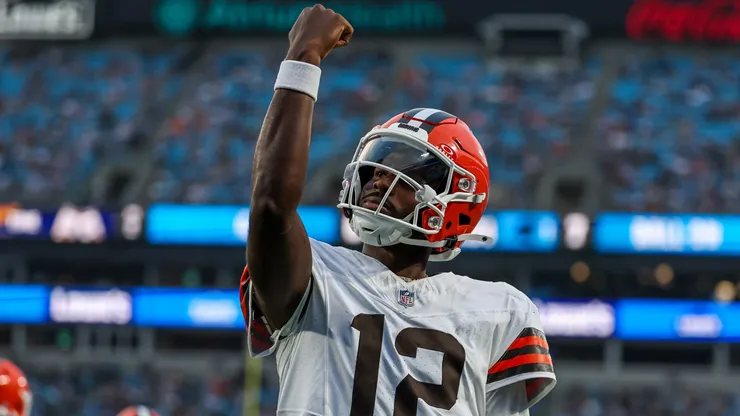
Shedeur Sanders #12 of the Cleveland Browns escapes a tackle from Jaden Crumedy #96 of the Carolina Panthers during the first half of an NFL Preseason 2025 game. (Source: David Jensen/Getty Images)
At that point, if there’s still no winner, the game is recorded as a tie. The only exception comes in the postseason, where overtime periods continue until a victor emerges, no matter how many it takes.
This change has added layers to late-game strategy. Coaches must weigh whether to be aggressive on fourth downs in their guaranteed drive, knowing the opponent will have a chance to respond. Defenses, meanwhile, are tasked with stopping not just desperation plays, but carefully scripted opening possessions.