The New England Patriots enter the 2026 NFL Draft with a notable collection of selections that could shape the franchise’s next chapter. With the 31st overall pick locked in following Super Bowl LX, GM Eliot Wolf and coach Mike Vrabel will soon face tough decisions.
After trading several veterans and maneuvering through the 2025 season, New England has assembled multiple draft assets across the early rounds. Those picks, acquired through past trades and on‑field performance, give them both flexibility and a slate of opportunities.
As the April dates approach, analysts and fans alike are projecting how many prospects New England will select and where those choices might have the most impact. The NFL draft isn’t just about quantity but about strategic fits that could define the team’s direction in 2026 and beyond.
How many selections the New England Patriots has?
The New England Patriots currently own 11 draft picks in the 2026 NFL Draft (12, if they hold onto their seventh-round selection), giving the franchise a strong slate of selections across the first six rounds before compensatory picks are awarded later this spring.
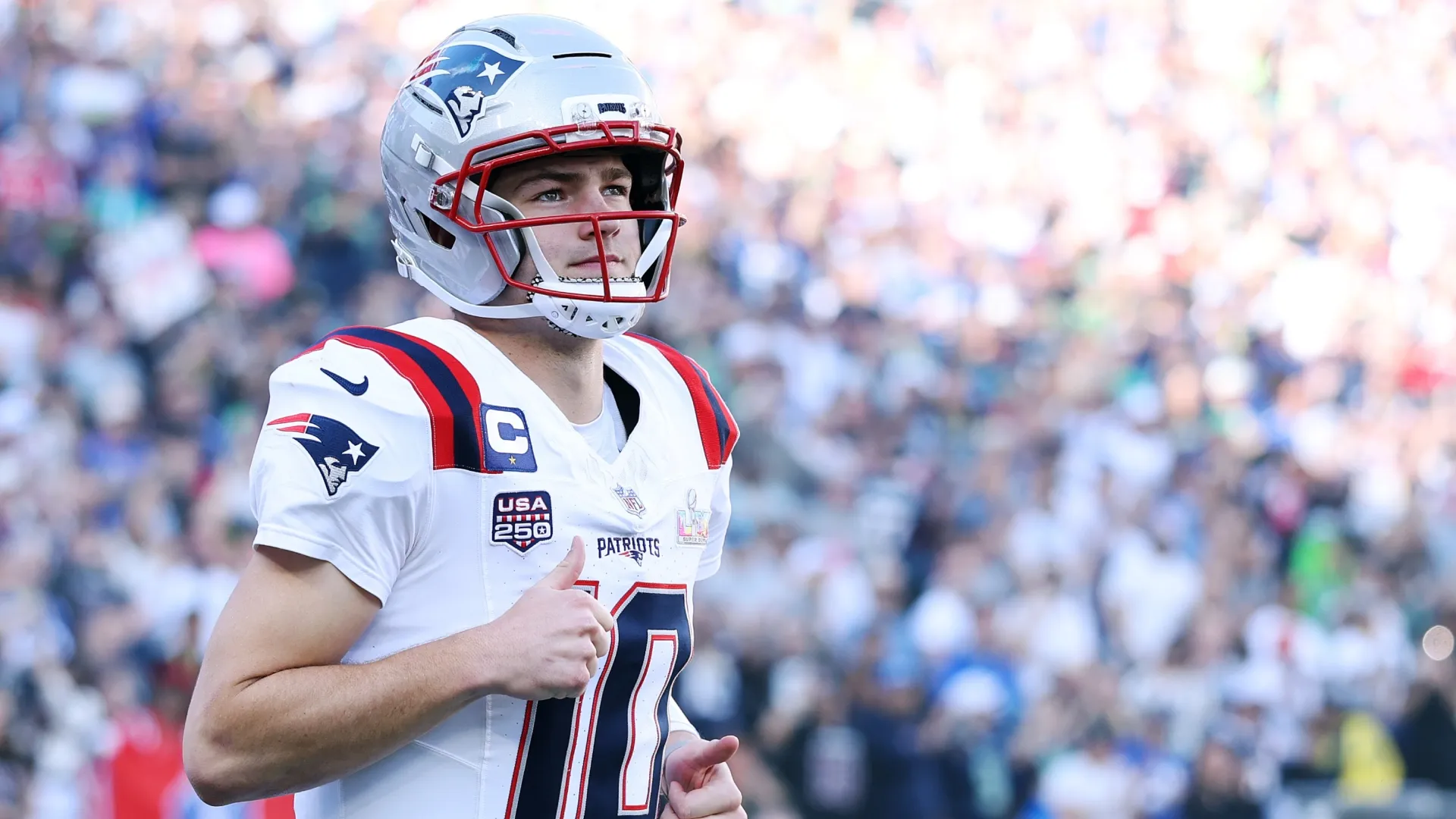
Drake Maye of the Patriots takes the field during Super Bowl LX (Source: Kevin C. Cox/Getty Images)
After finishing the 2025 season tied at 14–3 and falling to the Seattle Seahawks in Super Bowl LX, their draft positioning reflects its league standing: the Patriots will pick 31st overall in Round 1 as the lower of the two Super Bowl participants.
Beyond that first‑round spot, their full 2026 haul includes picks in Rounds 2, 3, 4 (including two selections), 5, 6 (including three selections) and Round 7. Some of these later selections were acquired via trades involving players such as Josh Uche, Kyle Dugger and Keion White, as well as draft capital from other teams.
How the Patriots’ picks could meet key roster needs
With 11 selections in hand, the Patriots have the flexibility to address multiple areas of roster need in April’s draft — from reinforcing the offensive line to adding depth in the secondary and bolstering pass rush options.
Analysts have noted that their offseason strategy will likely balance immediate impact prospects with developmental players. Their first‑round pick at No. 31 overall places them in a spot to target a premium player who fits a defined need, while the surplus mid‑round picks give the front office leverage.
Mock drafts have already begun projecting potential fits, including offensive tackle targets to protect quarterback Drake Maye and defenders who can help improve New England’s front seven.