
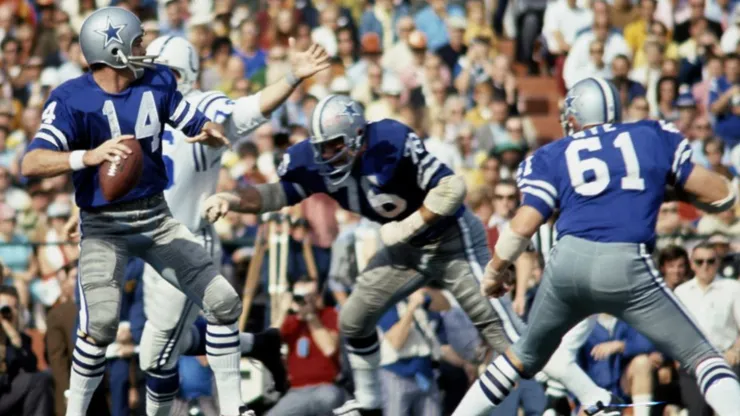
Long before the Super Bowl became a global television ritual, the NFL was still shaping how its championship would be presented to the world. Even the way each edition was named would soon become part of the spectacle itself.
At first glance, Roman numerals feel timeless, almost inevitable, stitched into the identity of the Big Game. Yet their arrival was the result of branding choices, broadcast ambitions and a league learning how to frame history in real time.
That shift did more than change typography on a logo. It helped transform a single championship matchup into an event measured in legacy, symbolism and continuity—one small decision that quietly redefined football’s grandest stage.
Which Super Bowl was first labeled with Roman numerals?
The NFL didn’t start its championship with Roman numerals right away. When the inaugural title game was played after the 1966 season, it was officially called the AFL–NFL World Championship Game — no numeral in sight.
It wasn’t until the fifth edition, played in January 1971 between the Baltimore Colts and Dallas Cowboys, that Super Bowl V became the first to be officially designated with Roman numerals at the time it was played.
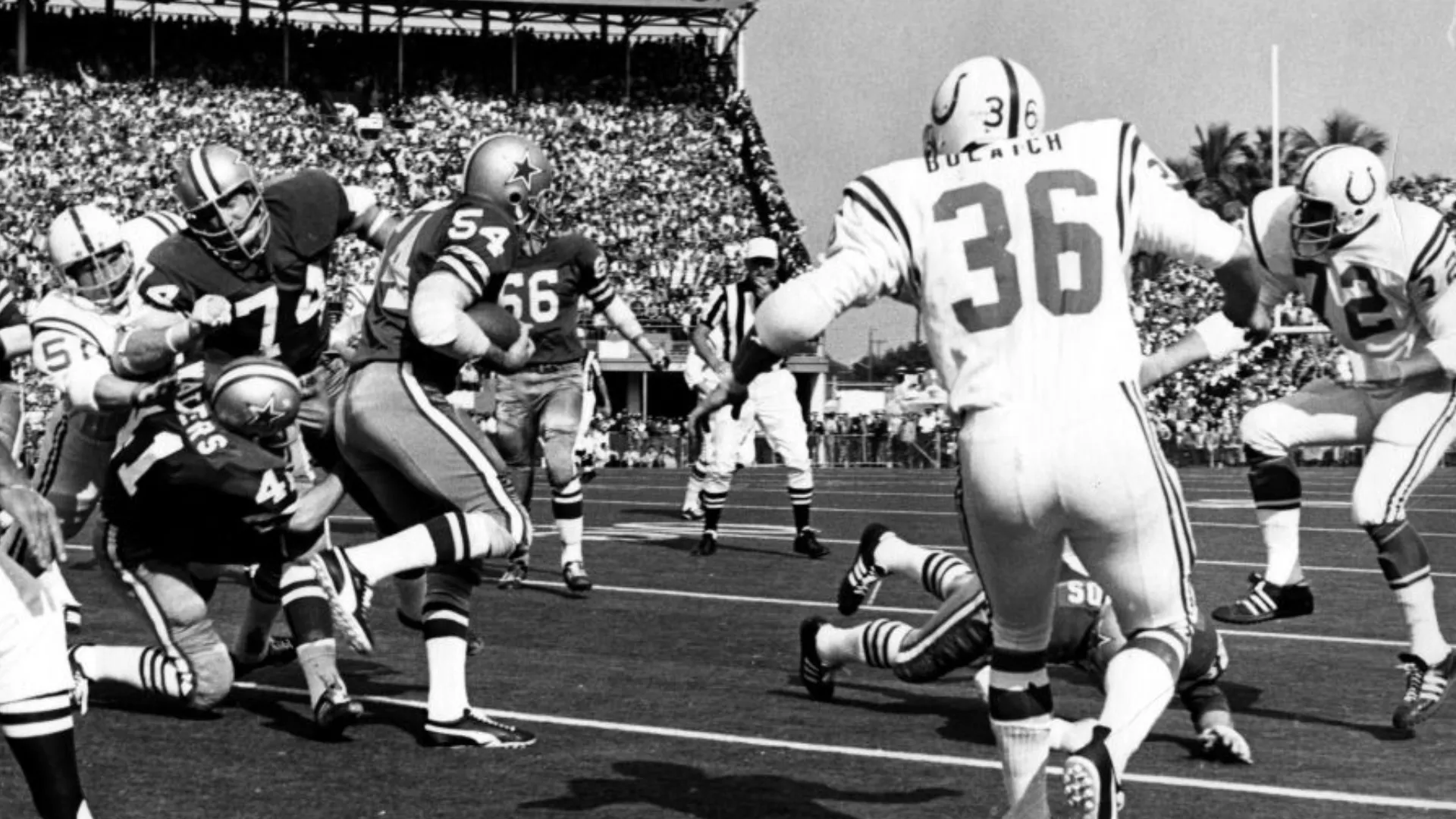
Baltimore Colts vs Dallas Cowboys during the Super Bowl V in 1971 (Source: NFL)
The league later retroactively added I through IV to the earlier games so the sequence would make sense. The move to Roman numerals wasn’t just a stylistic choice.
As the Super Bowl grew into a cultural phenomenon, the NFL used numerals to clarify which season the game represented, since each Super Bowl takes place in the calendar year after the regular season ends.
Roman numerals helped avoid confusion over whether the title referred to the year played or the season concluded. Since that shift in 1971, Roman numerals have become one of the Super Bowl’s most recognizable traditions, all except for one notable exception.
For Super Bowl 50, the league opted to use the Arabic numeral “50” instead of “L”, largely for aesthetic and marketing reasons tied to logo design, though Roman numerals returned with the following edition.