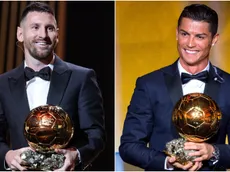
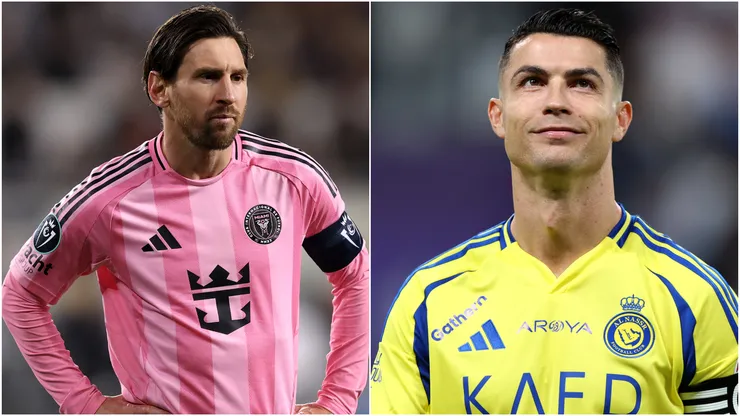
For Major League Soccer, a wide range of world-class stars passed through the league over the years, but measuring their impact against what Lionel Messi delivered after joining Inter Miami proved difficult. In an exclusive interview with World Soccer Talk, Alan Rothenberg said no previous MLS signing reached the level of influence Messi achieved, while also referencing a move of similar global magnitude, Cristiano Ronaldo’s transfer to Saudi Arabia.
Stars such as Thierry Henry, David Villa, Andrea Pirlo, and Zlatan Ibrahimovic all left lasting impressions on Major League Soccer, but Rothenberg argued none matched Messi’s reach. “The first time around, when he played, it was a sellout,” Rothenberg said. “Obviously, as he returned and now he had played for three years, it wasn’t a novelty anymore. But if you love sport, if you love soccer, you loved seeing his magic, which continued.”
Rothenberg also highlighted a defining difference between Messi and many past high-profile arrivals. He explained that Messi did not treat MLS as a paid retirement stop, instead fully committing to the club and the league. “They were really getting into it, supporting the team, going out and making public appearances, and talking up the game,” Rothenberg said, noting that many previous stars did not show the same level of engagement in growing soccer in the United States.
The former MLS executive also pointed to David Beckham’s role as a key factor in Messi’s arrival, citing Beckham’s ownership stake and long-term vision with Inter Miami. Rothenberg explained that Beckham’s influence helped set the foundation for attracting a global icon who remained motivated to compete and elevate the league rather than simply closing out his career.
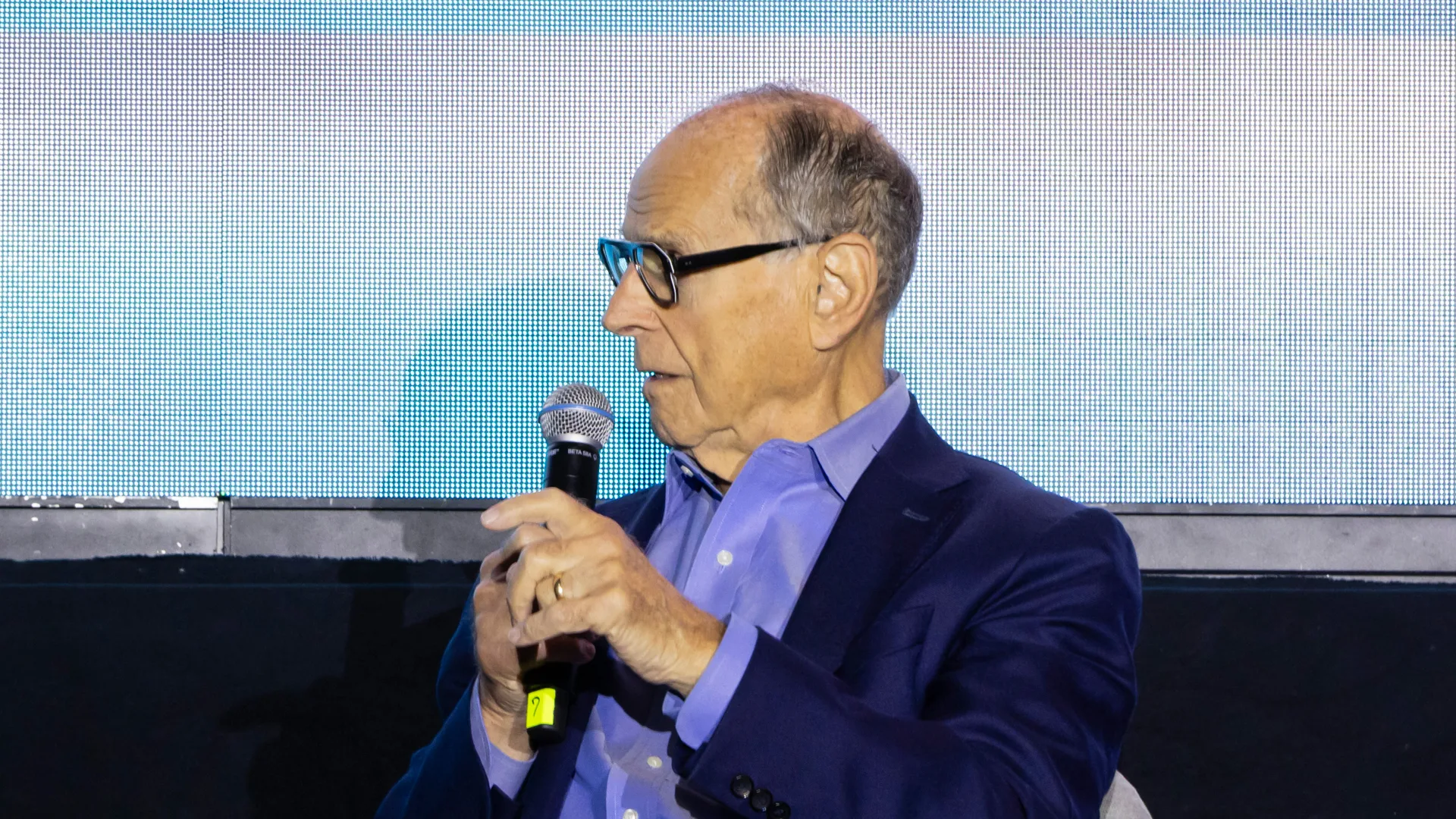
Alan Rothenberg, Co-Founder of the MLS.
The Saudi Arabia comparison with Cristiano Ronaldo
Before Messi arrived in MLS, Ronaldo completed his move to Al Nassr in 2022, becoming the face of Saudi Arabian soccer and accelerating the league’s push to attract elite European talent. Rothenberg acknowledged the ambition of that strategy but noted that the Saudi Pro League did not secure the same level of international media exposure or broadcast deals as MLS achieved during Messi’s tenure.
When asked about relying on star power as a growth model, Rothenberg emphasized that performance and visibility must go hand in hand. “Everything depends on performance of the teams, and star power helps to win,” he said. “It also draws attention beyond the stadium, especially from people watching on television, and media money is what every professional league ultimately depends on.”
That perspective aligned with the reality of soccer culture in the United States, where a diverse and deeply rooted fan base created atmospheres that were difficult to replicate elsewhere. Rothenberg noted that Messi benefited from full, passionate stadiums and nationwide attention that amplified his presence with Inter Miami.
By contrast, Saudi Arabia was still building that same connection with fans. Despite assembling star-studded rosters, he explained that less consistent attendance and a developing soccer culture limited the overall experience, particularly for a player like Ronaldo, whose game historically fed off the intensity and energy of packed stadiums.