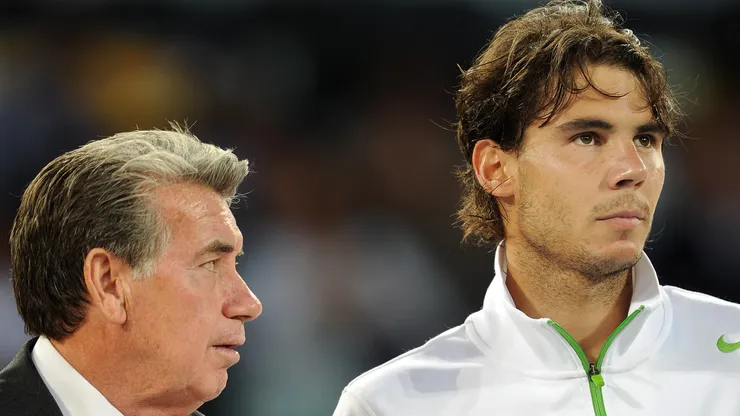
Born on May 10, 1938, in Madrid, Manolo Santana’s introduction to tennis came under unusual circumstances. Coming from a modest background, tennis was considered an elite sport at the time, but his fascination with the game grew while working as a ball boy.
Reflecting on his early years, Santana once told El Español, “I saw men in pants playing tennis. It fascinated me immediately. I started as a ball boy and then began to play. In the end, I am an example of humility in an elitist world”.
Santana’s undeniable talent broke through the barriers of his time. Alongside Andrés Gimeno, he helped put Spanish tennis on the global map, achieving remarkable success during an era of limited resources and opportunities for players from his country.
Historic titles and pioneering achievements
In 1961, Santana claimed his first Grand Slam title at Roland Garros, a feat he repeated in 1964. His achievements paved the way for future Spanish legends like Carlos Moyá, Juan Carlos Ferrero, and Rafael Nadal.
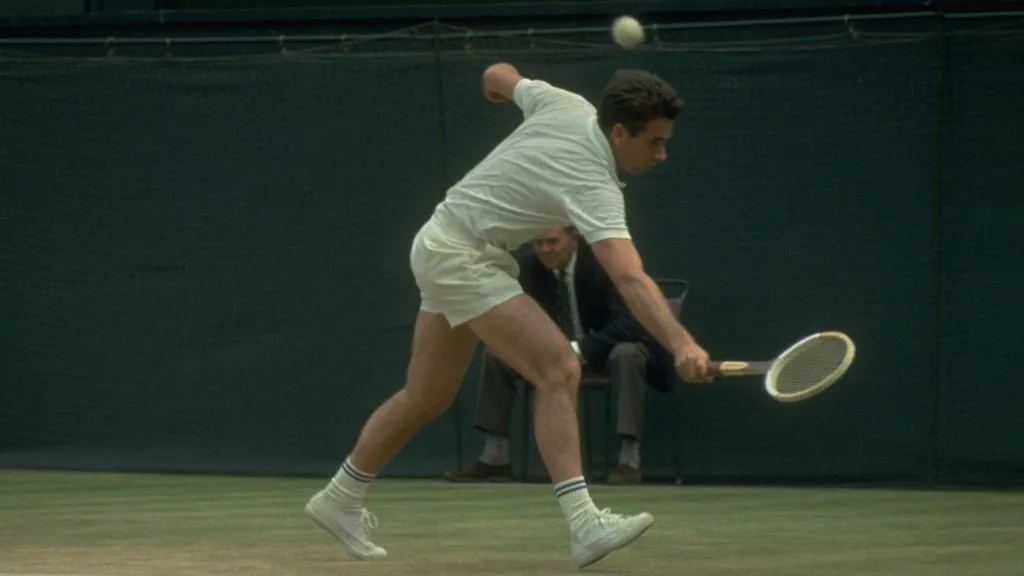
Manolo Santana in action during a 1966 Wimbledon match. (Getty Images)
In 1965, Santana triumphed at the US Open and made history the following year by becoming the first Spaniard to win Wimbledon—an extraordinary accomplishment for the time. Santana also earned a gold medal at the 1968 Mexico City Olympics, although tennis was then classified as an exhibition sport.
A lifelong commitment to tennis
After retiring in the 1970s, Santana continued to contribute to tennis as a Davis Cup captain in the 1980s and 1990s and as an organizer for the Madrid Open. His legacy was further cemented with the naming of the tournament’s center court in his honor. He also founded the Manolo Santana Rackets Club in Marbella, managed by the son of his final wife, Claudia Rodríguez.
An emotional farewell
Santana passed away on December 11, 2021, at the age of 83 due to heart failure. His death prompted tributes from across Spain, including from King Felipe VI, who described him as a “legend who made the country proud”.
Rafael Nadal’s heartfelt words highlighted Santana’s enduring impact: “Thank you for everything you’ve done for our country and for opening the way for so many. You’ve always been a role model, a friend, and a close figure to everyone”.
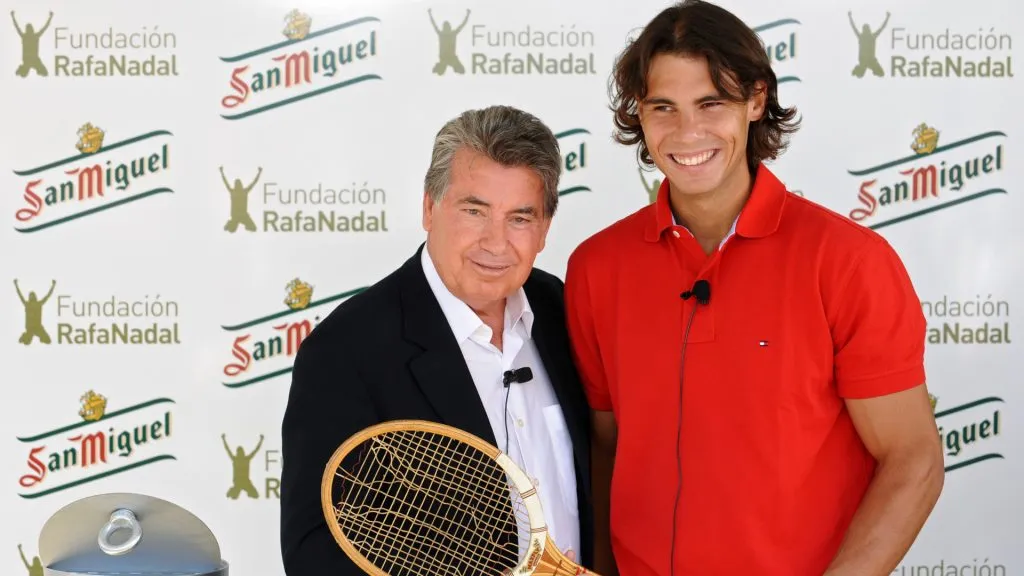
Former tennis great Manolo Santana (L) and Rafael Nadal hold a racket used by Santana in the year he won the Wimbledon Championships. (Jasper Juinen/Getty Images)
Family drama over his inheritance
Despite his professional success, Santana’s personal life made headlines, particularly following his passing. Married four times, he had five children, including one from an extramarital relationship. His last marriage to Claudia Rodríguez saw her and her son take control of the Marbella tennis club.
A portion of Santana’s inheritance was divided equally among his children, while the rest went to the club, sparking disputes among his heirs. This division led to public conflicts over his estate, adding a layer of complexity to the legacy of a man celebrated as one of Spain’s greatest sports icons.