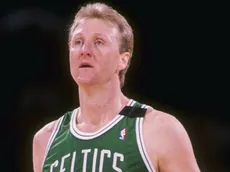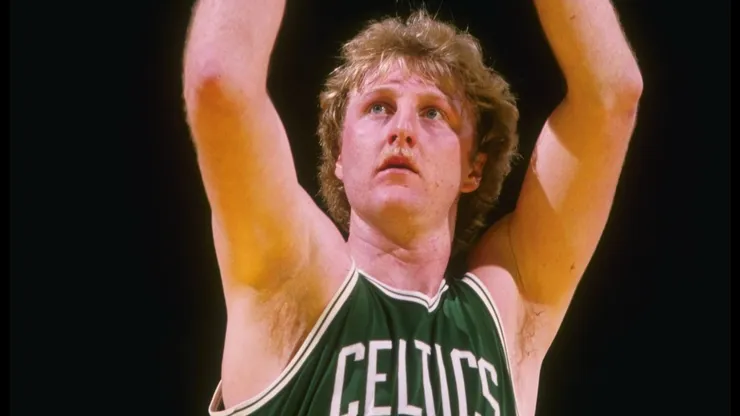
As humans, we often judge a book by its cover, rarely taking the time to read the entire story. This tendency is especially prevalent among younger generations, whose unique perspectives on the world are sometimes misunderstood or underestimated. This phenomenon is also evident in sports. Even players who would go on to become legends, like Boston Celtics legend Larry Bird, faced skepticism early in their careers. Bird’s brief stint at Indiana University under the guidance of legendary head coach Bob Knight in the 1970s is a prime example of this.
Bird arrived at Indiana in 1974, eager to showcase his skills. At the time, he was lean, athletic, and quick, traits that caught the attention of Knight. Securing a scholarship, Bird set out on the path toward realizing his dream of becoming a professional basketball player.
However, despite his excitement to play for such a prestigious program, Bird’s time in Bloomington would last less than 24 days, a decision that baffled many at the time. Knight himself reflected on this moment in the 2009 book When March Went Mad: The Game That Transformed Basketball by CBS Sports’ Seth Davis.
Knight, known for his fiery and intense coaching style, was a dominant figure in college basketball. His loud, often angry demeanor was infamous, and it left a lasting impression on his players, many of whom remember his intensity to this day.
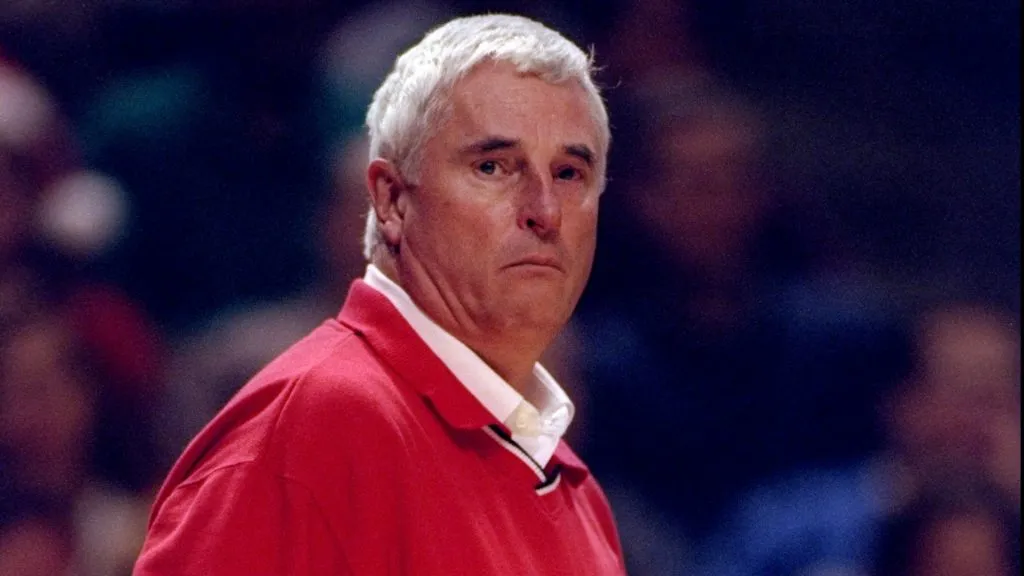
Indiana Hoosiers head coach Bob Knight looks on during a game against the DePaul Blue Demons at the United Center in Chicago, Illinois. Indiana won the game, 74-57.
However, looking back on his time with Bird, Knight admitted regret. “Larry Bird is one of my great mistakes,” Knight confessed. “I was negligent in realizing what Bird needed at that time in his life.”
The reason behind Bird’s discomfort in Indiana
Celtics legend’s discomfort with the Indiana Hoosiers program was partly due to the abrasive behavior of coach Knight. Former teammate in Indiana University Jan Condra revealed that Bird, while silent on the matter, showed signs of being hurt by Knight’s personality. “Larry didn’t say anything, but I could tell with his demeanor that his feelings were hurt,” Condra explained. “Larry was used to people being a lot nicer to him. He didn’t like Coach Knight’s personality.”
However, there were other reports suggesting that Bird’s unease in Indiana stemmed not only from Knight’s approach but also from the overall intensity of the program. While Bird never publicly criticized Knight, the coach later expressed regret over the signals he had sent during their time together.
Bird kept moving forward
After a disappointing return to his hometown of French Lick, Bird briefly joined Northwood Institute, maintaining a calm demeanor while waiting for another opportunity. That opportunity came in 1975, setting the stage for what would become one of the most legendary careers in basketball history.
Bird returned to Indiana, this time to play for Indiana State University. The smaller school and different environment were a better fit for Bird, and he quickly demonstrated his leadership, guiding his team to a perfect 33-0 record in his first NCAA tournament.
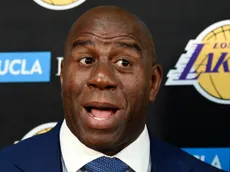
The pinnacle of his time at Indiana State came in 1979, when Bird faced off against Magic Johnson in one of the most-watched college basketball games in history. Despite Bird’s team falling short, with Johnson’s Michigan State squad winning the game, the loss marked the beginning of Bird’s relentless pursuit of greatness. The rest is history.
SurveyCould Indiana University have been the most successful team in college basketball during the 1970s, with Larry Bird on the roster?
Could Indiana University have been the most successful team in college basketball during the 1970s, with Larry Bird on the roster?
ALREADY VOTED 0 PEOPLE