
The Los Angeles Lakers have been home to some of the greatest players in NBA history. However, few have left a legacy as profound as Kobe Bryant. His career was defined by relentless dedication, hard work, and leadership. Yet, his professional journey was not without challenges. Former teammate Nick Young recently shared insights into how Kobe handled the final years of his career.
“Kobe didn’t get a chance to do all that because he was hurt…I think after he got hurt, seeing him in the locker room. Like, he was miserable. Like he was mad, like he wanted to get out there bad, but he couldn’t,” stated Nick Young on Gil’s Arena.
Kobe Bryant’s decline began in the 2012-13 season when he suffered a devastating Achilles tendon injury. The setback limited him to just six games that year. From that point on, injuries became a constant battle. Despite his legendary work ethic and discipline, the toll on his body left him frustrated, according to Young. Still, he pushed through and played three more seasons before retiring.
In November 2015, Kobe Bryant announced his retirement from professional basketball. In his final game, he delivered an unforgettable performance, scoring 60 points against the Utah Jazz. Fans, teammates, and even opponents watched in awe as he crafted one final masterpiece, cementing his legacy as one of the greatest players in NBA history.
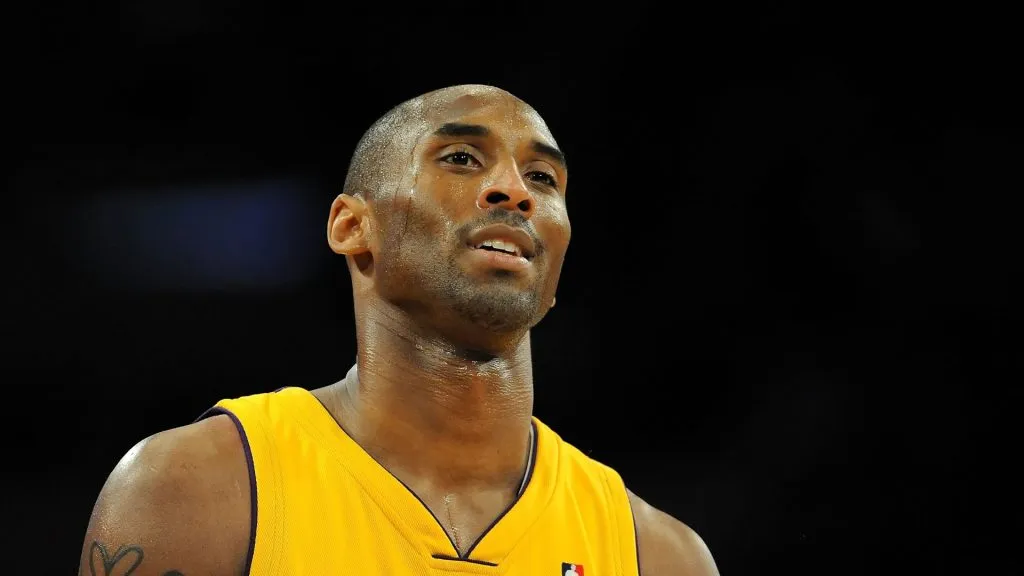
Kobe Bryant of the Los Angeles Lakers against the Houston Rockets in Game Two of the 2009 Western Conference Semifinals.
‘Mamba Mentality’: The key behind Kobe Bryant’s success
Kobe Bryant’s legendary career was built on relentless work ethic, mental toughness, and unwavering determination, traits that defined his mindset. He described it in his book The Mamba Mentality: “It’s about focusing on the process and believing in hard work when it matters most. It’s the best mantra for the competitive spirit.”
His mindset was more than just winning. He pushed beyond limits, constantly improved, and embraced challenges. Bryant inspired countless athletes with his dedication. He outworked his peers through intense training and an obsessive focus on perfecting his craft.