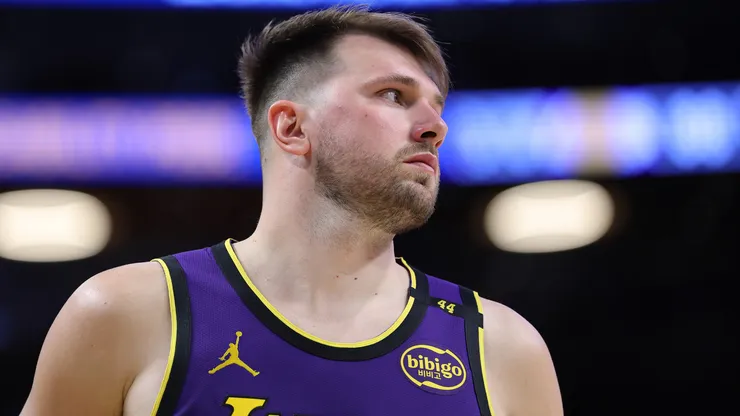
It’s been over a month since the blockbuster trade that shocked the NBA, where the Dallas Mavericks sent Luka Doncic to the Los Angeles Lakers in exchange for Anthony Davis. Mavericks fans were furious with the decision to part ways with the Slovenian star, and the person most often blamed for the trade was team General Manager Nico Harrison.
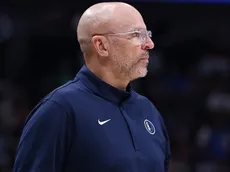
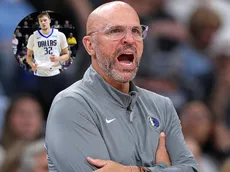
However, former NBA player and Hall of Famer Tim Hardaway believes neither Harrison nor head coach Jason Kidd, nor Assistant GM and Vice President of Basketball Operations Michael Finley, were behind the decision to send Doncic to Los Angeles.
Speaking on Run It Back, Hardaway expressed his belief that it was the Mavericks’ owners who made the call, viewing the trade purely from a business standpoint.
“I don’t think it was a… this wasn’t a Jason Kidd, Nico Harrison, or Michael Finley’s decision,” Hardaway said. “This was strictly the owner’s decision. It’s a business decision on their part, which is messed up for the Dallas fans. Hopefully, they wouldn’t move the team to Las Vegas”.
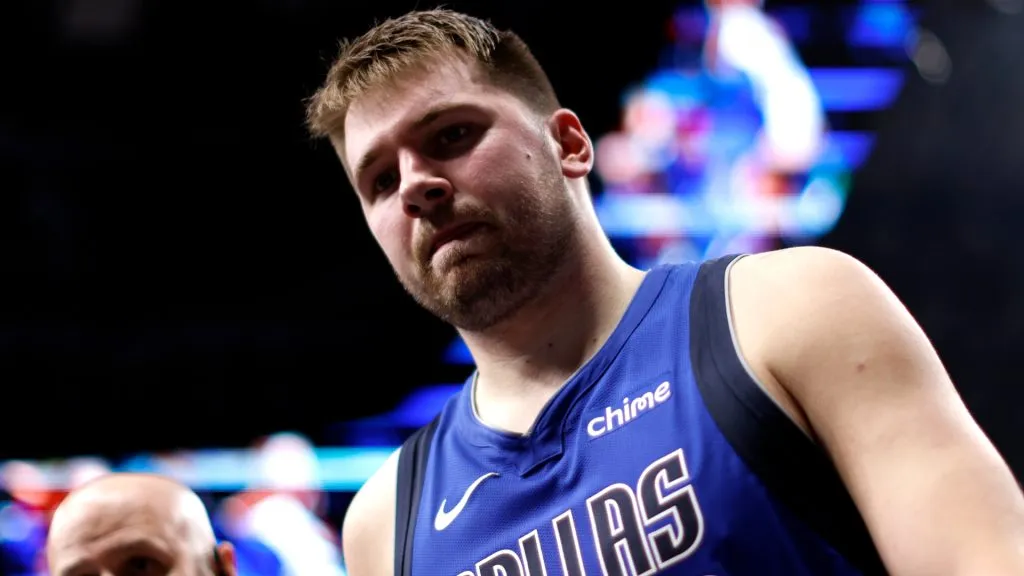
Luka Doncic #77 of the Dallas Mavericks leaves the court against the Minnesota Timberwolves in the first half at American Airlines Center. (Ron Jenkins/Getty Images)
Mark Cuban slams Mavs’ handling of the trade
In an interview with WFAA, Mavs minority owner Mark Cuban didn’t hide his frustration with the decision to trade Doncic to the Lakers for Davis. “Yeah, of course (I was upset),” Cuban admitted.
“And I’ve said this before: if the Mavs are going to trade Luka, that’s one thing, just get a better deal,” he continued. “No disrespect to Anthony Davis, but I still firmly believe this would be a different conversation if we had gotten four unprotected first-round picks, Anthony Davis, and Max Christie”.
Lack of communication is the biggest challenge, says Cuban
Furthermore, Cuban pointed to the lack of communication and transparency from the front office regarding the Doncic trade. No one from the Mavericks organization came forward to explain the reasoning behind trading the Slovenian star for Davis.
“I think the biggest challenge that the Mavs have right now is that there’s nobody really going out there to communicate,” Cuban explained. “And it’s not so much what you do; it’s how you communicate about why you do what you do”.