In the National Basketball Association, stats and seedings don’t always tell the full story. Sometimes, things shift and underdogs rise to the top, shattering the script and rewriting the narrative on the game’s biggest stage.
The playoffs, known for exposing weaknesses, sometimes reveal something else: a champion no one saw coming. Low-seeded teams rarely lift the trophy, yet history remembers when they do and how they do it.
From locker room whispers to headline shocks, these underdog runs have left a mark that still echoes across the league. It’s not just about who won, but how they defied the odds to carve their names into NBA lore.
Who are the lowest seeds to win NBA Finals?
When it comes to defying expectations, two teams stand tall in NBA history: the 1969 Boston Celtics and the 1995 Houston Rockets. Both squads entered the playoffs as low seeds and emerged as NBA champions — a rare feat in league history.
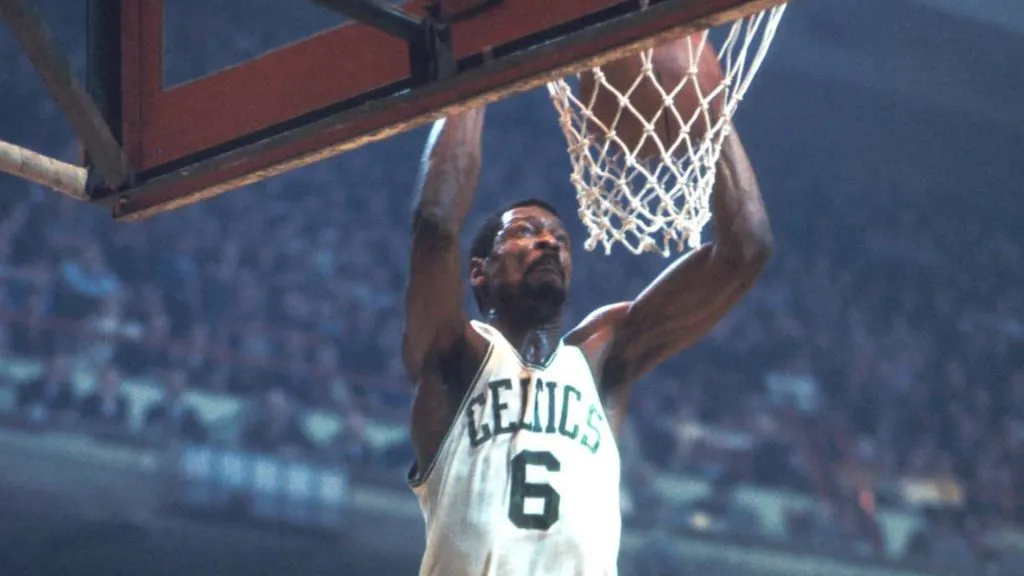
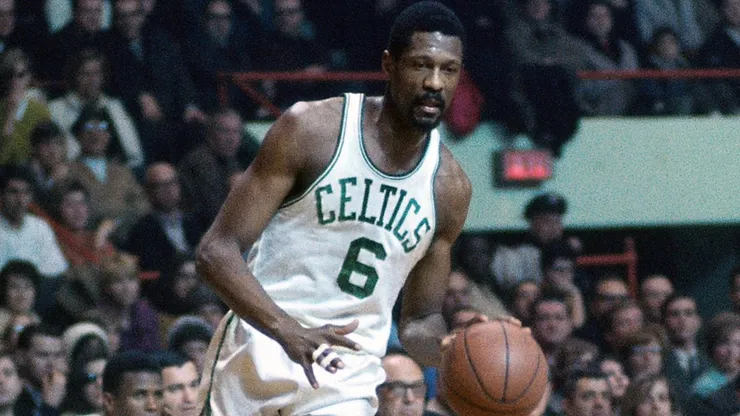
Bill Russell of the Boston Celtics in 1969. (Source: @Hoophall)
The 1969 Celtics were the fourth seed in the Eastern Division (at a time when there were fewer teams), led by legends like Bill Russell and John Havlicek. Despite an aging roster and a regular season filled with challenges, Boston stormed through the playoffs and defeated the favored Los Angeles Lakers in a thrilling seven-game Finals.
Bill Russell, in his final season, anchored the team’s defense and leadership, though Jerry West of the Lakers famously became the only player to win NBA Finals MVP while playing for the losing team.
Fast forward to 1995, when the Houston Rockets, as the sixth seed in the Western Conference, shocked the basketball world. Led by Hakeem Olajuwon, who was in dominant form, the Rockets swept the Orlando Magic in the Finals.
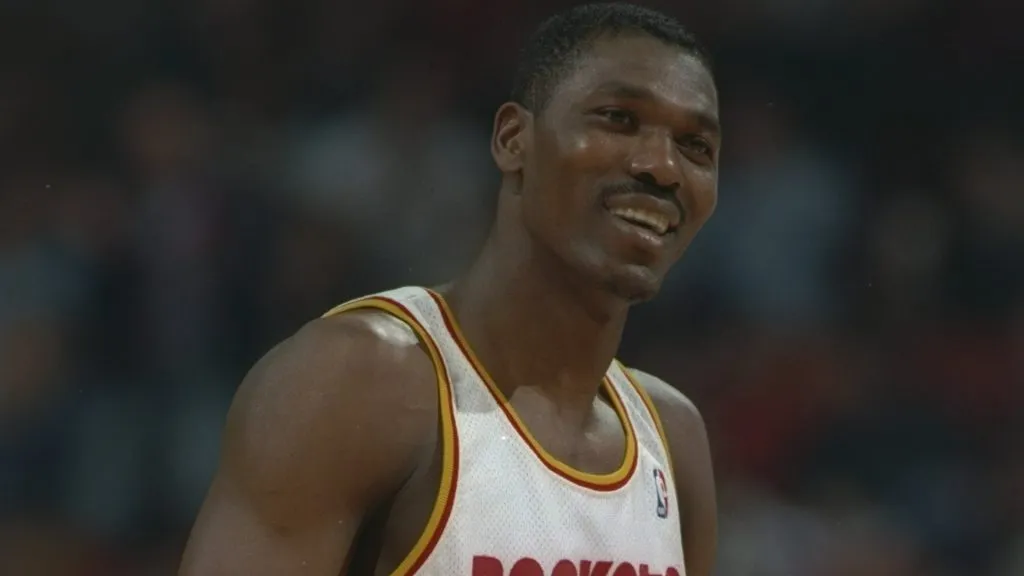
Center Hakeen Olajuwon of the Houston Rockets celebrates during a Finals game against the Orlando Magic in 1995. (Source: ALLSPORT USA /Allsport)
Their playoff run included defeating four teams with 50 or more wins, something no other champion has done. Olajuwon was named Finals MVP, cementing his status as one of the game’s all-time great centers.
These moments remind fans that, while regular-season records matter, the playoffs are a different battlefield where experience, resilience, and a bit of magic can turn the tables.