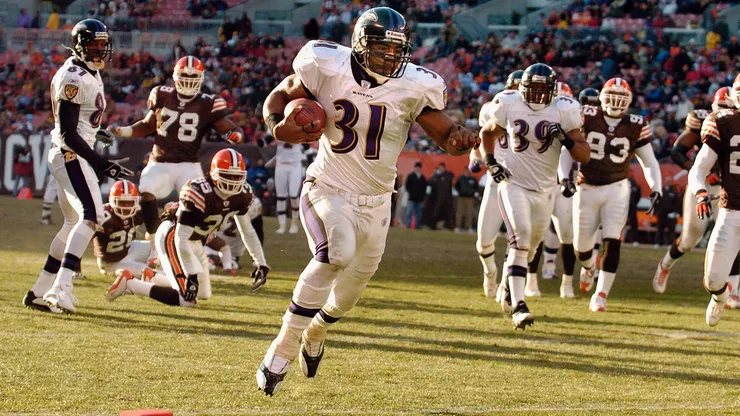
Few achievements in the NFL carry the weight of a historic rushing season. When a running back takes control of the ground game, every carry becomes a statement, reshaping defenses and redefining what dominance looks like.
Certain seasons have stood apart from the rest. They weren’t built on highlight runs alone, but on week-to-week consistency, durability and an offense willing to lean on one player when games tightened and weather turned hostile.
These rare campaigns live at the intersection of talent, timing and opportunity. As the league evolves and rushing roles change, the question of which run truly stands above the rest continues to fuel debates rooted in numbers and legacy.
Eric Dickerson | Rush Yds: 2,105 – Season: 1984
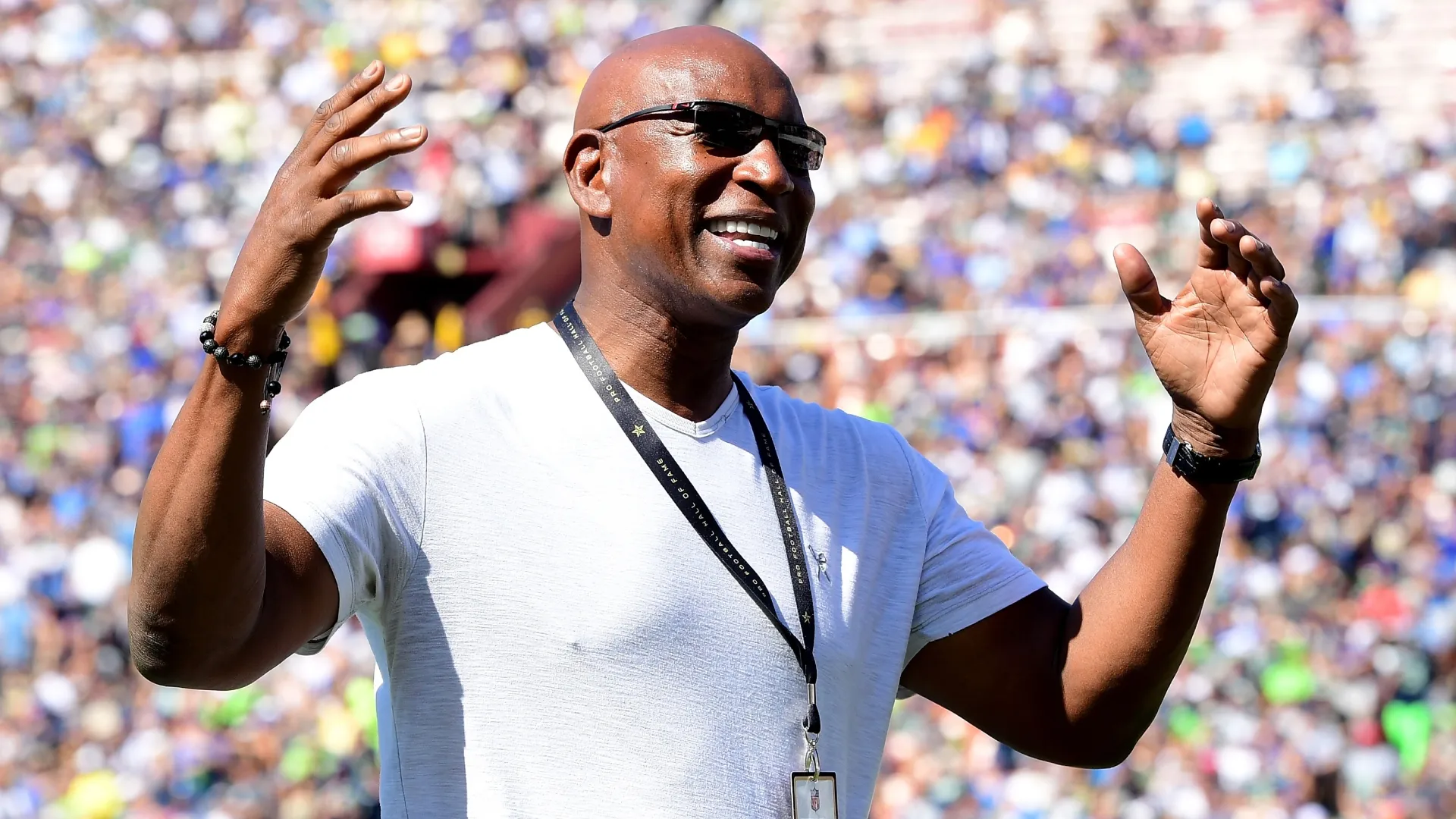
Eric Dickerson (Source: Harry How/Getty Images)
In 1984, just his second year in the league, Eric Dickerson turned what was already a physical grind into an enduring masterpiece. Wearing the Rams’ uniform, he churned out 2,105 rushing yards, a mark that still sits atop the NFL’s single-season leaderboard decades later.
Unlike many record seasons defined by bursts of speed or long runs, his campaign was a display of consistent excellence — week after week he punished defenses with a blend of patience and power that allowed him to wear down opponents and amass a staggering total that, as of 2025, has yet to be eclipsed.
Adrian Peterson | Rush Yds: 2,097 – Season: 2012
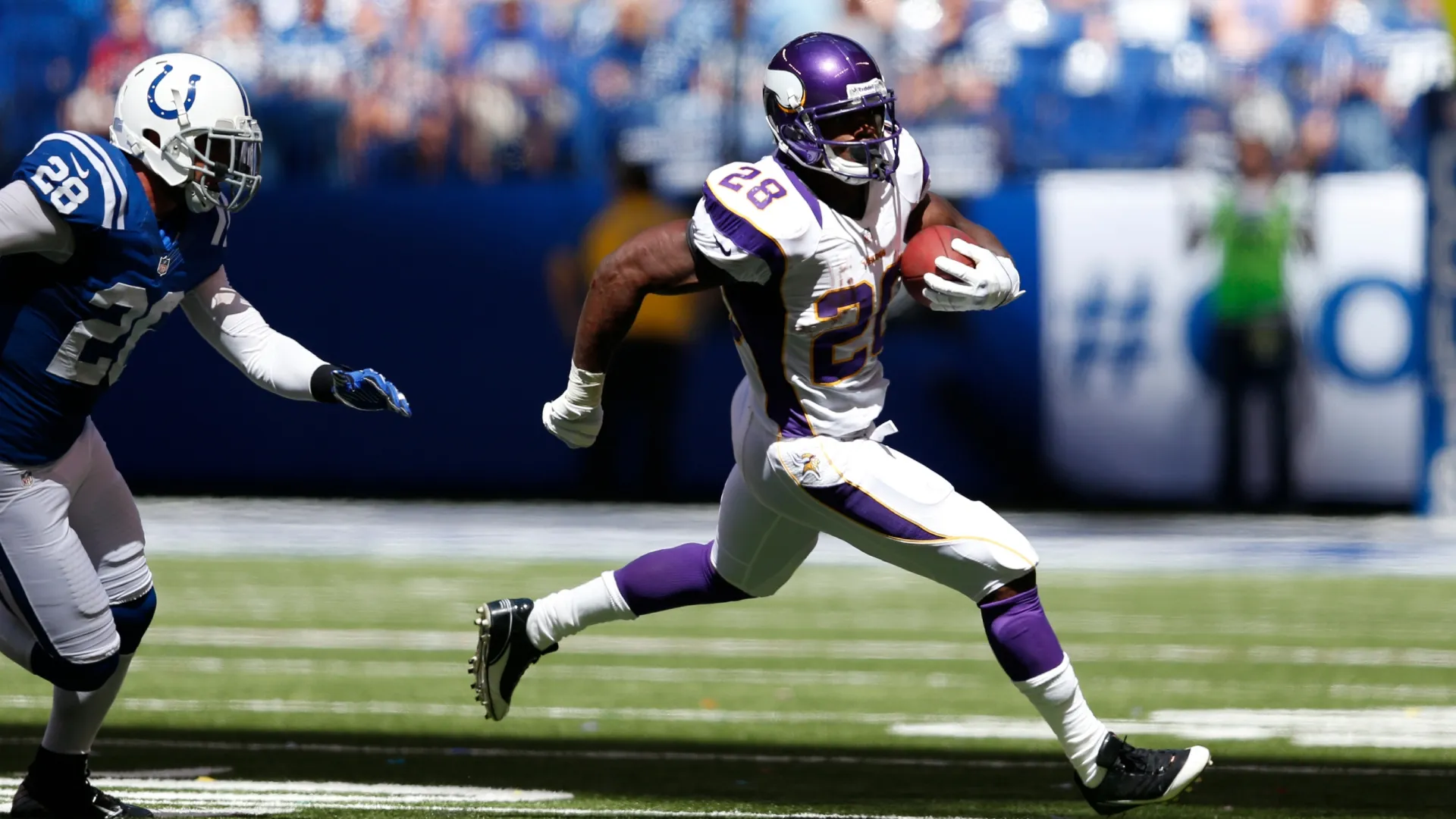
Adrian Peterson (Source: Joe Robbins/Getty Images)
Adrian Peterson’s 2012 season with the Vikings was the closest any back has come to toppling Dickerson’s mark, finishing with 2,097 rushing yards in an era increasingly dominated by the pass.
What made his accomplishment compelling wasn’t just the volume — it was the context: He had returned from a serious knee injury suffered the previous year, and still produced one of the most physically dominant seasons in modern football, pacing his carries with brutal effectiveness and leading Minnesota into the postseason.
Jamal Lewis | Rush Yds: 2,066 – Season: 2003
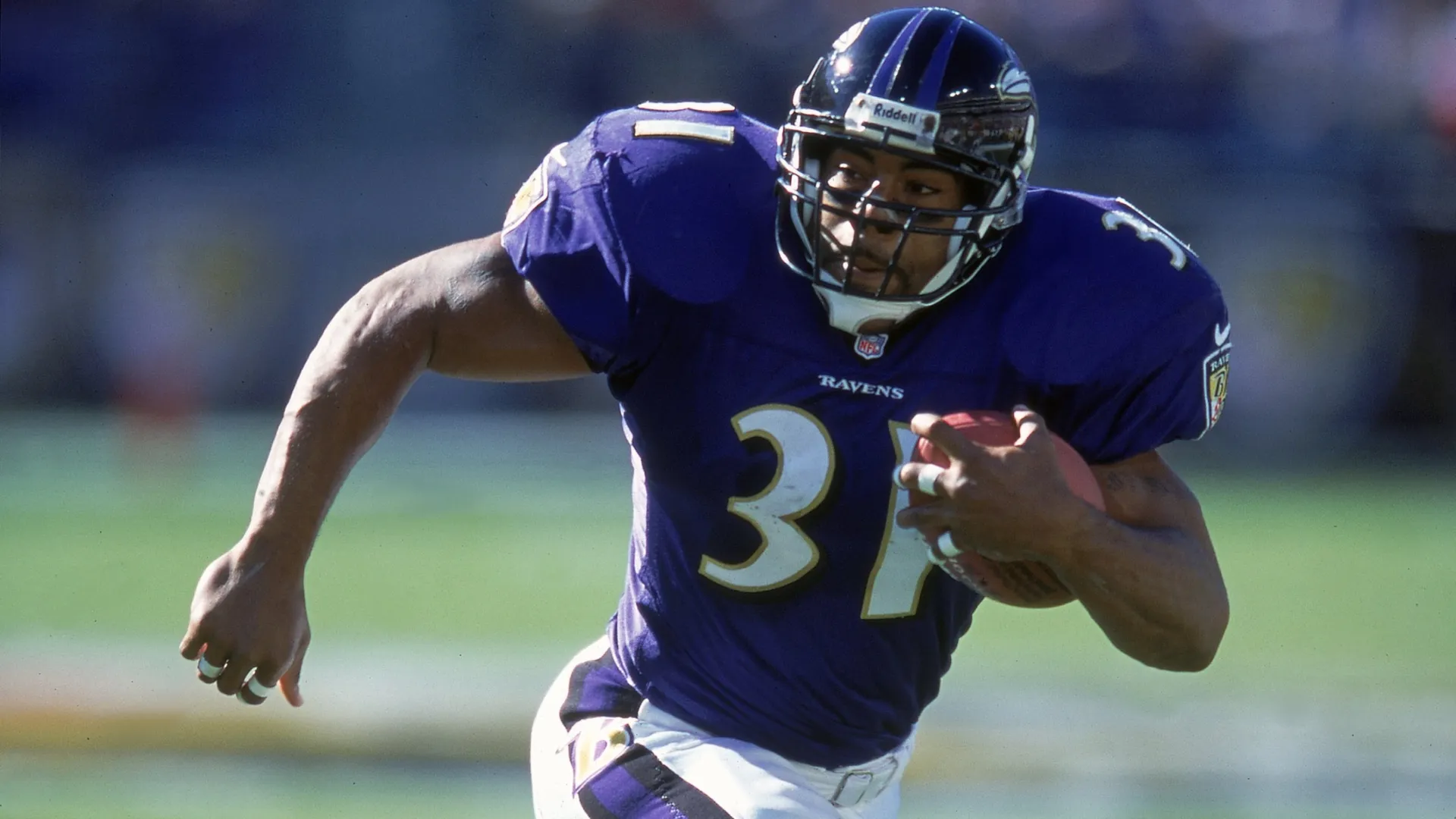
Jamal Lewis (Source: Doug Pensinger/Getty Images)
Few single-season performances carry the same mix of resilience and raw force as Jamal Lewis’ 2003 campaign. Coming off a devastating ACL tear just two years prior, he bulldozed his way to 2,066 rushing yards for the Ravens, an output that came within striking distance of the all-time record.
That season wasn’t just about volume — early on, he posted a 295-yard rushing game, briefly setting a single-game NFL mark. His potent combination of size and speed turned the Ravens’ ground game into an unstoppable force, and his work that year earned him league honors and a place among the rare 2,000-yard club.
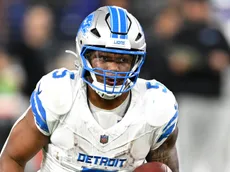
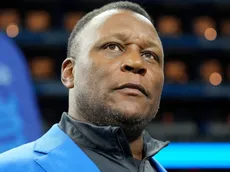
Barry Sanders | Rush Yds: 2,053 – Season: 1997
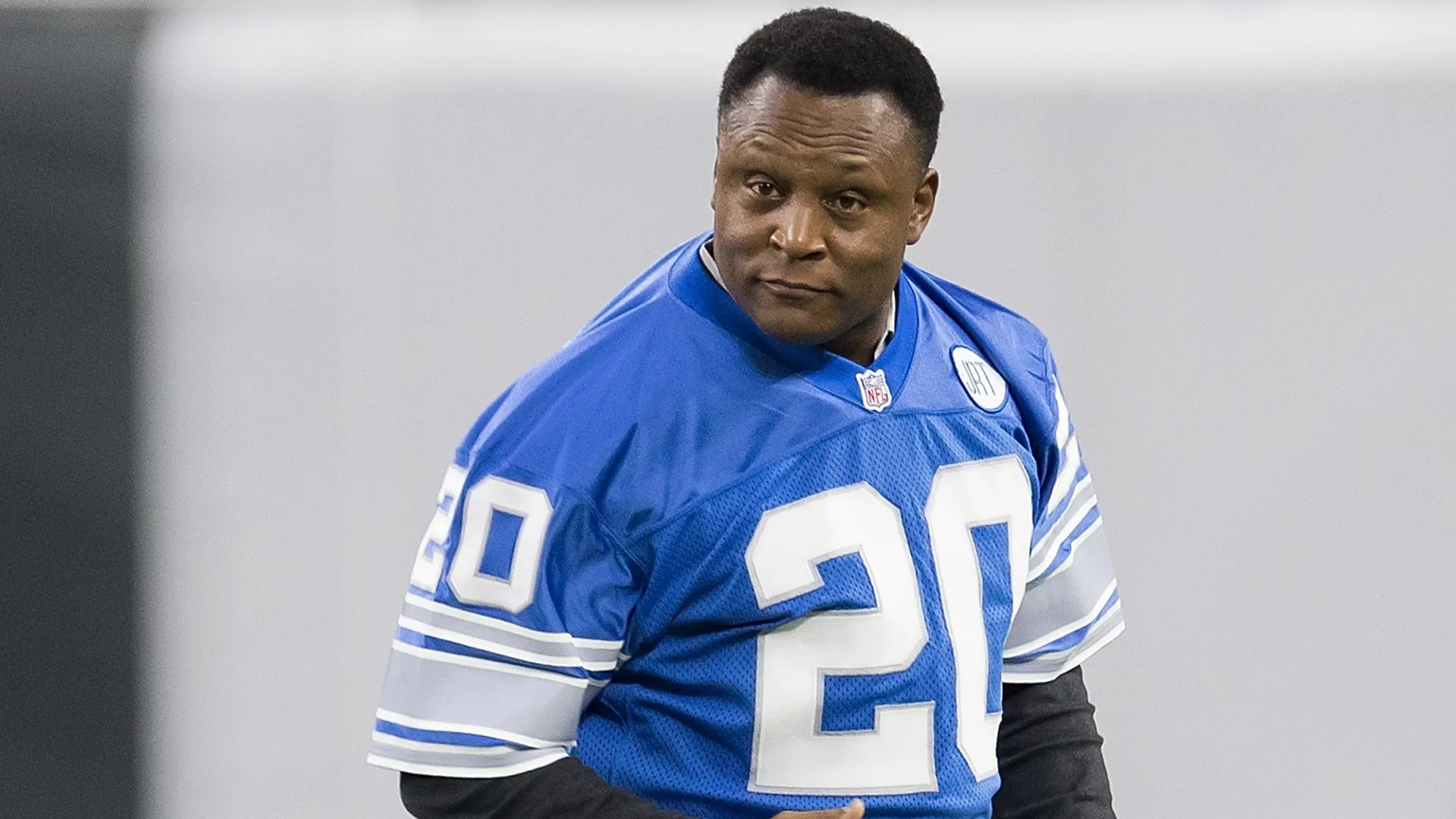
Barry Sanders (Source: Dave Reginek/Getty Images)
Barry Sanders’ 1997 season with the Detroit Lions was a breathtaking paradox: surreal athleticism wrapped in unrelenting consistency. Amassing 2,053 yards on the ground, he averaged over six yards per attempt and put together a string of big games that kept defenses guessing.
His style married balance and creativity — defenders never seemed to know which way he would cut — and his ability to convert small openings into massive gains became iconic. Even in a career filled with jaw-dropping highlights, the ’97 campaign stands as a testament to his unique blend of grace and production.
Derrick Henry | Rush Yds: 2,027 – Season: 2020
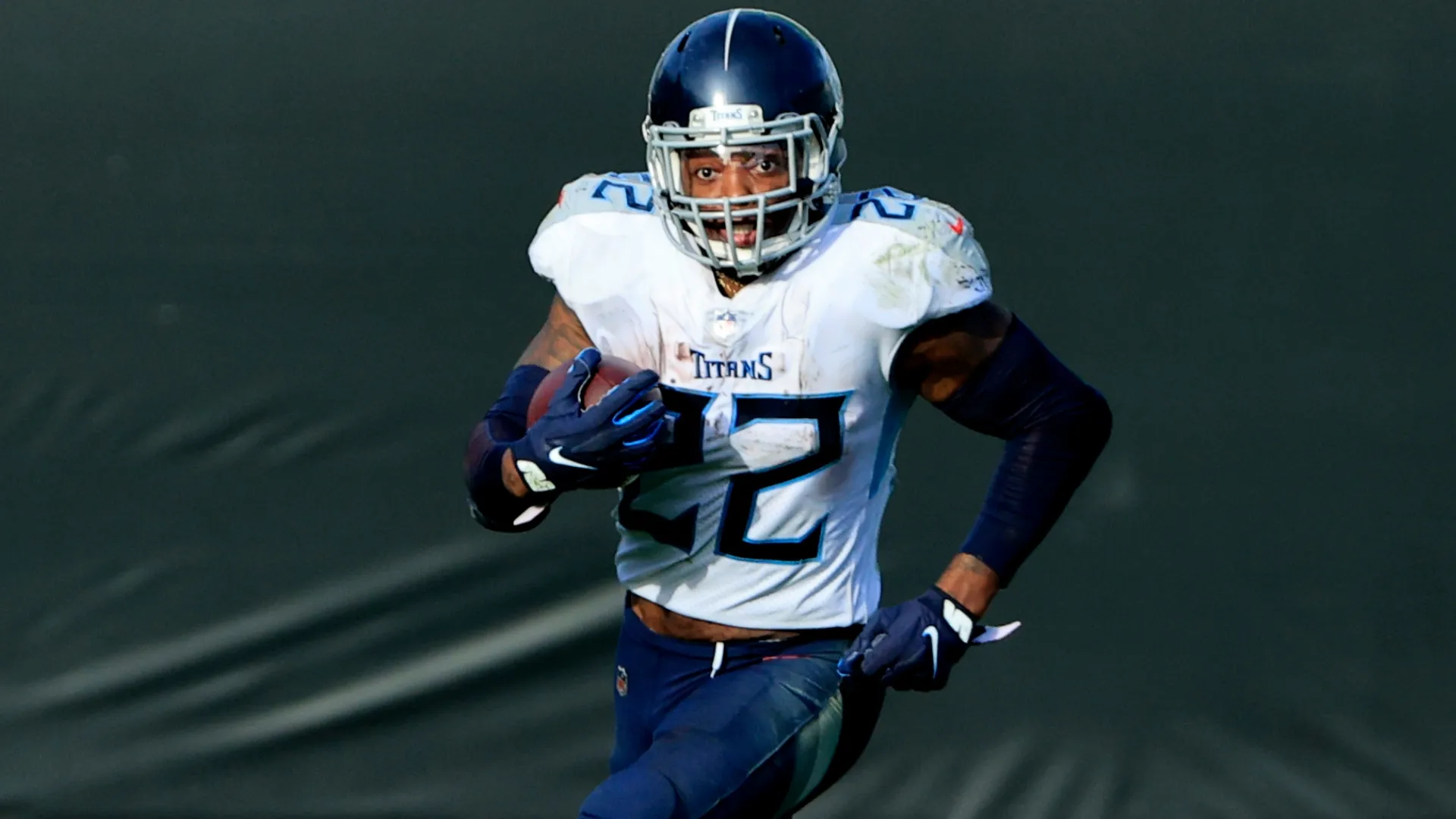
Derrick Henry (Source: Sam Greenwood/Getty Images)
Derrick Henry’s 2020 season was a throwback to the era of the true workhorse back, a punishing display of brute strength and sheer consistency. At a time when many teams favor running back committees, he dominated the Titans’ offense, bulldozing defenders en route to 2,027 rushing yards.
His 2020 performance wasn’t just a statistical achievement — it was a physical statement. Week after week, he proved capable of wearing down opponents late in games, showcasing a blend of power and durability that helped cement his legacy as one of the premier backs of his generation.
Terrell Davis | Rush Yds: 2,008 – Season: 1998
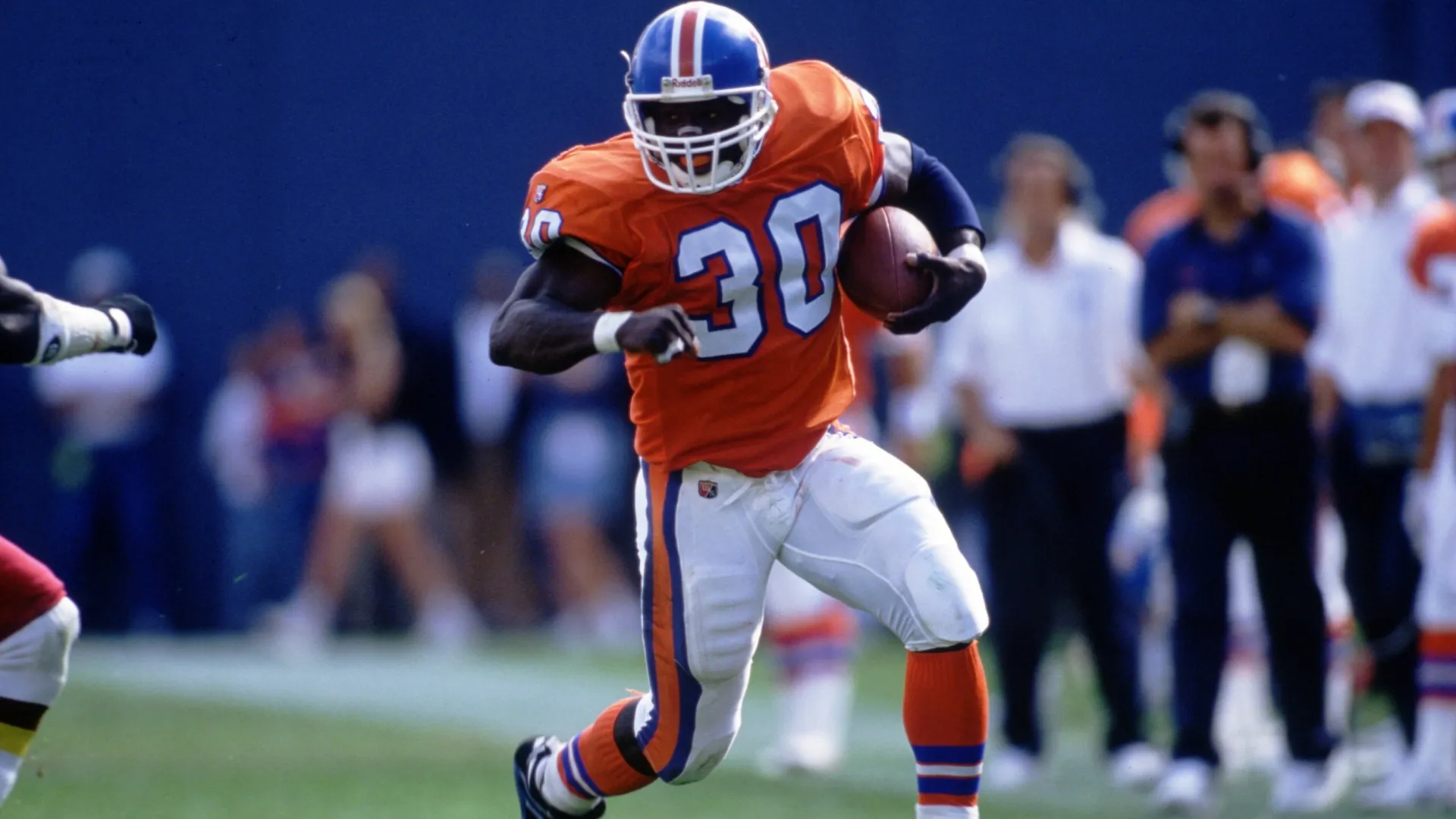
Terrell Davis (Source: Mike Powell/ALLSPORT)
Terrell Davis’ 1998 season wasn’t just prolific — it was efficient, relentless, and perfectly timed. As the engine of a Broncos team chasing another Super Bowl, he piled up 2,008 rushing yards while balancing volume with postseason ambitions.
His regular-season dominance flowed seamlessly into January, where he added a historic playoff run that cemented the year as one of the most complete rushing campaigns the league has seen. He didn’t chase records; the records followed him as Denver leaned on his vision and burst in every meaningful moment.
Chris Johnson | Rush Yds: 2,006 – Season: 2009
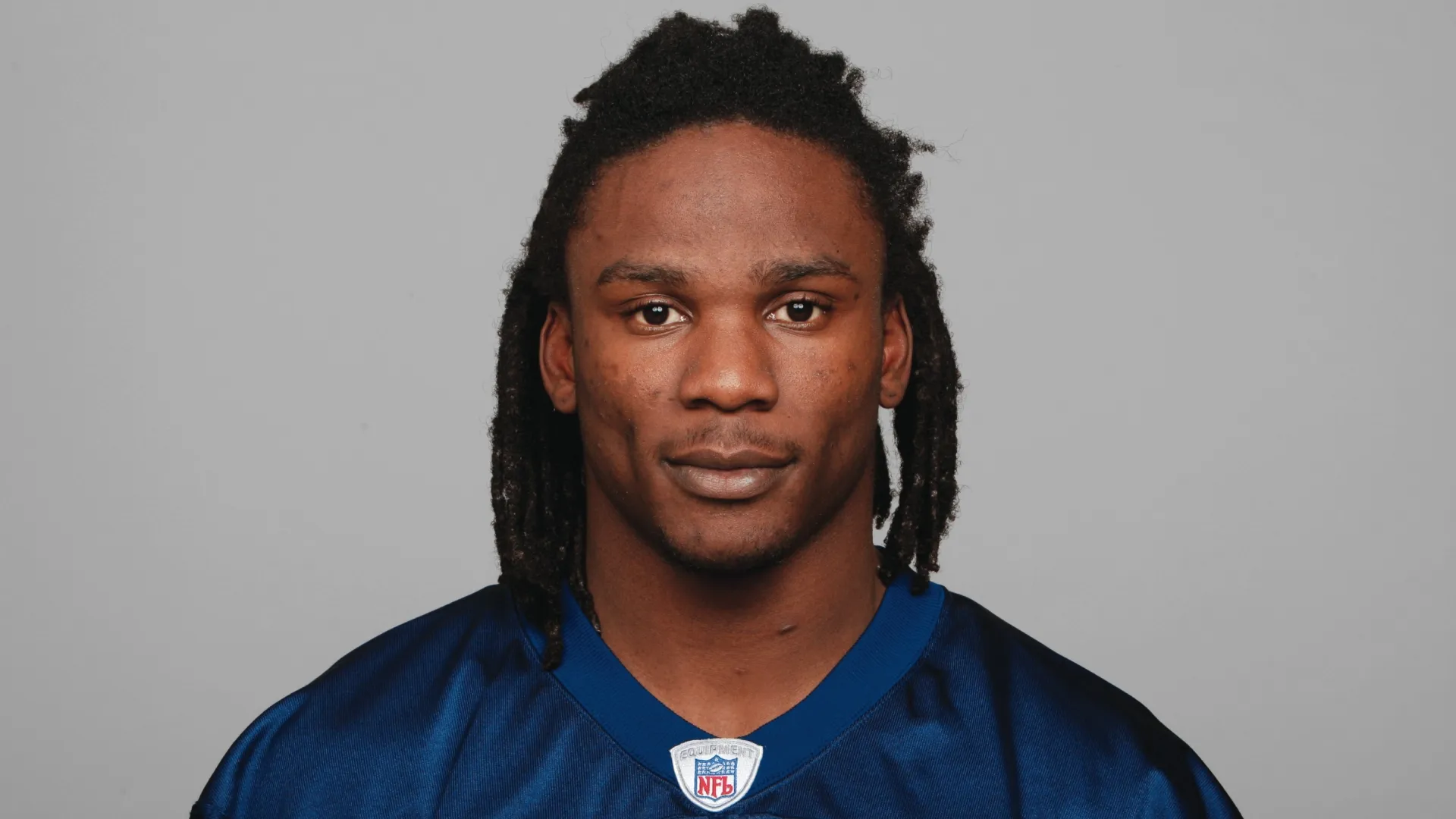
Chris Johnson (Source: Getty Images)
Speed defined Chris Johnson’s 2009 season, but it was his endurance that pushed him into history. Nicknamed “CJ2K”, the Titans back broke the 2,000-yard barrier with 2,006 yards, turning routine handoffs into track-meet finishes.
His ability to flip field position in seconds changed defensive game plans weekly, forcing opponents to defend every blade of grass. His season remains one of the clearest examples of how explosive playmaking can coexist with sustained production across a full NFL schedule.
Saquon Barkley | Rush Yds: 2,005 – Season: 2024
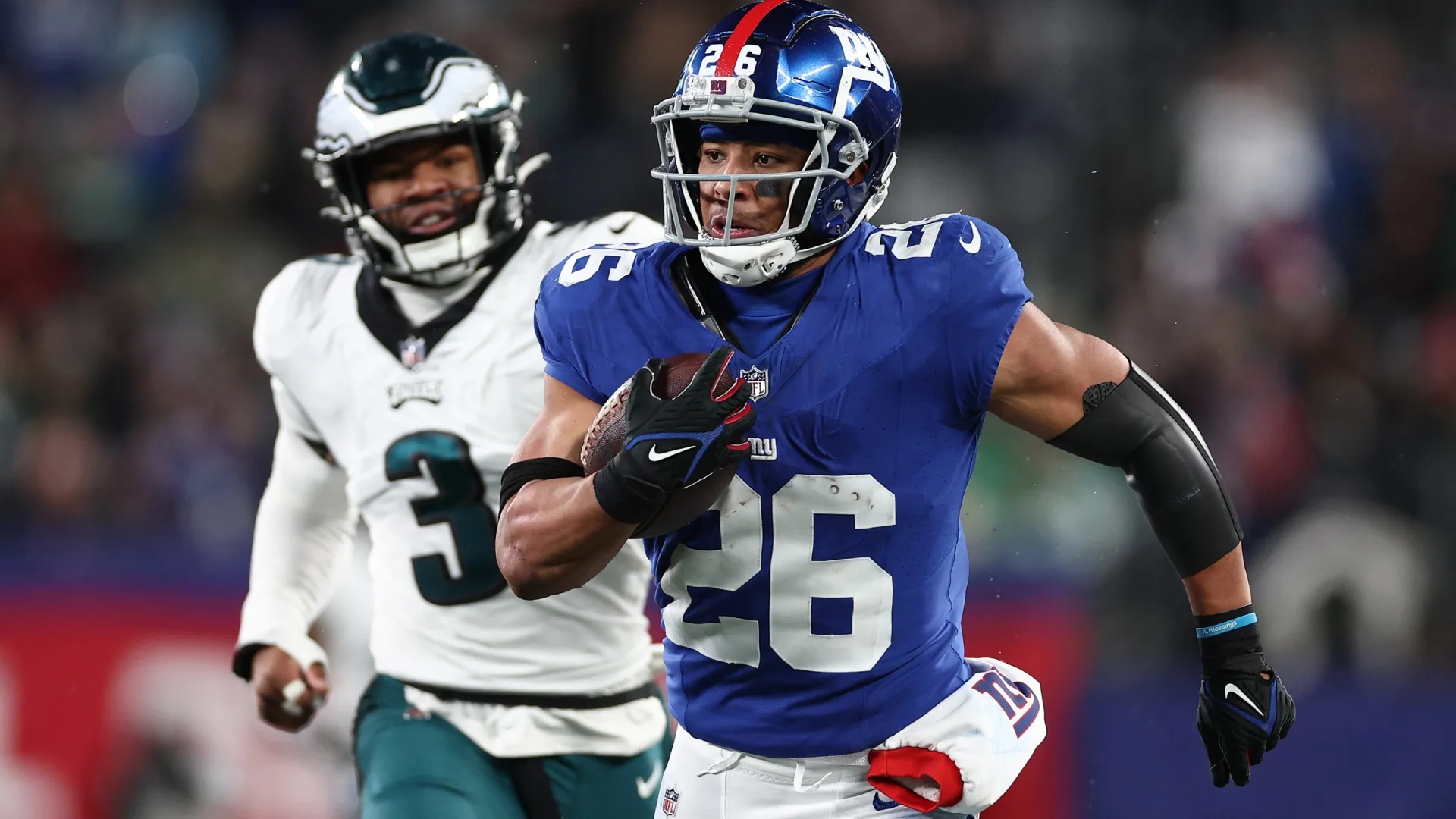
Saquon Barkley (Source: Elsa/Getty Images)
What Saquon Barkley orchestrated in 2024 was more than just a statistical anomaly; it was a high-stakes redemption arc played out on the national stage. After years of carrying a heavy burden in New York, his move to the Philadelphia Eagles unlocked a terrifying final form. Behind one of the league’s most dominant offensive lines, he transformed from a focal point into a force of nature.
His season will forever be remembered for the “reverse hurdle”—a gravity-defying, no-look leap over a defender that redefined what is physically possible on a football field. However, the true substance of his year lay in his punishing consistency. He became the eighth man in NFL history to eclipse the 2,000-yard mark, securing his place in the pantheon during a clinical late-season stretch.
O.J. Simpson | Rush Yds: 2,003 – Season: 1973
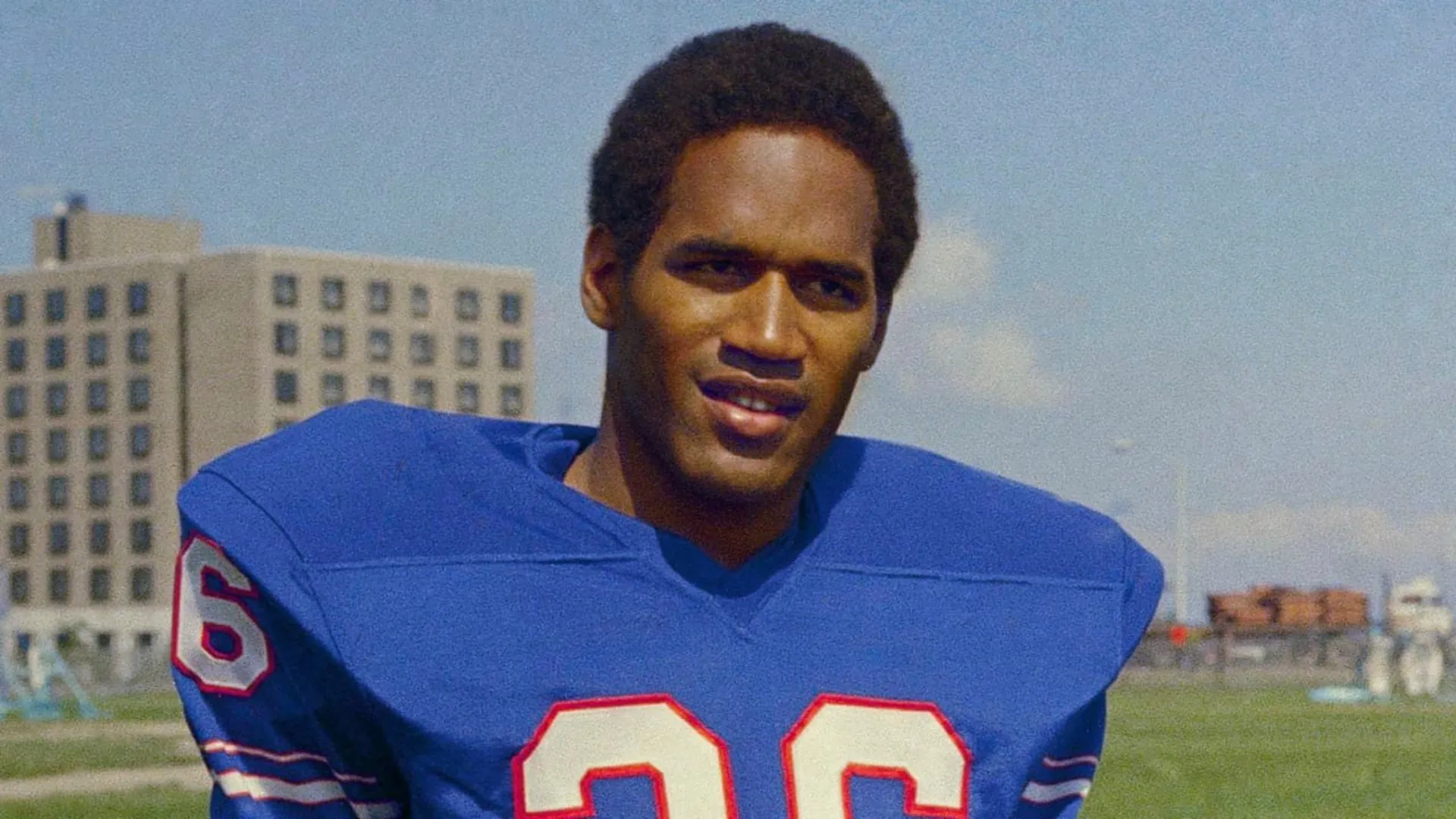
O.J. Simpson (Source: NFL)
Long before 17-game seasons and modern offensive schemes, O.J. Simpson delivered a rushing season that felt almost untouchable for its time. In 1973, he rushed for 2,003 yards in just 14 games, an achievement that redefined what was considered possible in the ground game.
His dominance came in an era stacked boxes and fewer offensive advantages, making the per-game output as striking as the final total. Decades later, that season still carries an aura of historical gravity.
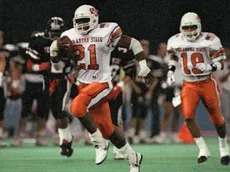
Earl Campbell | Rush Yds: 1,934 – Season: 1980
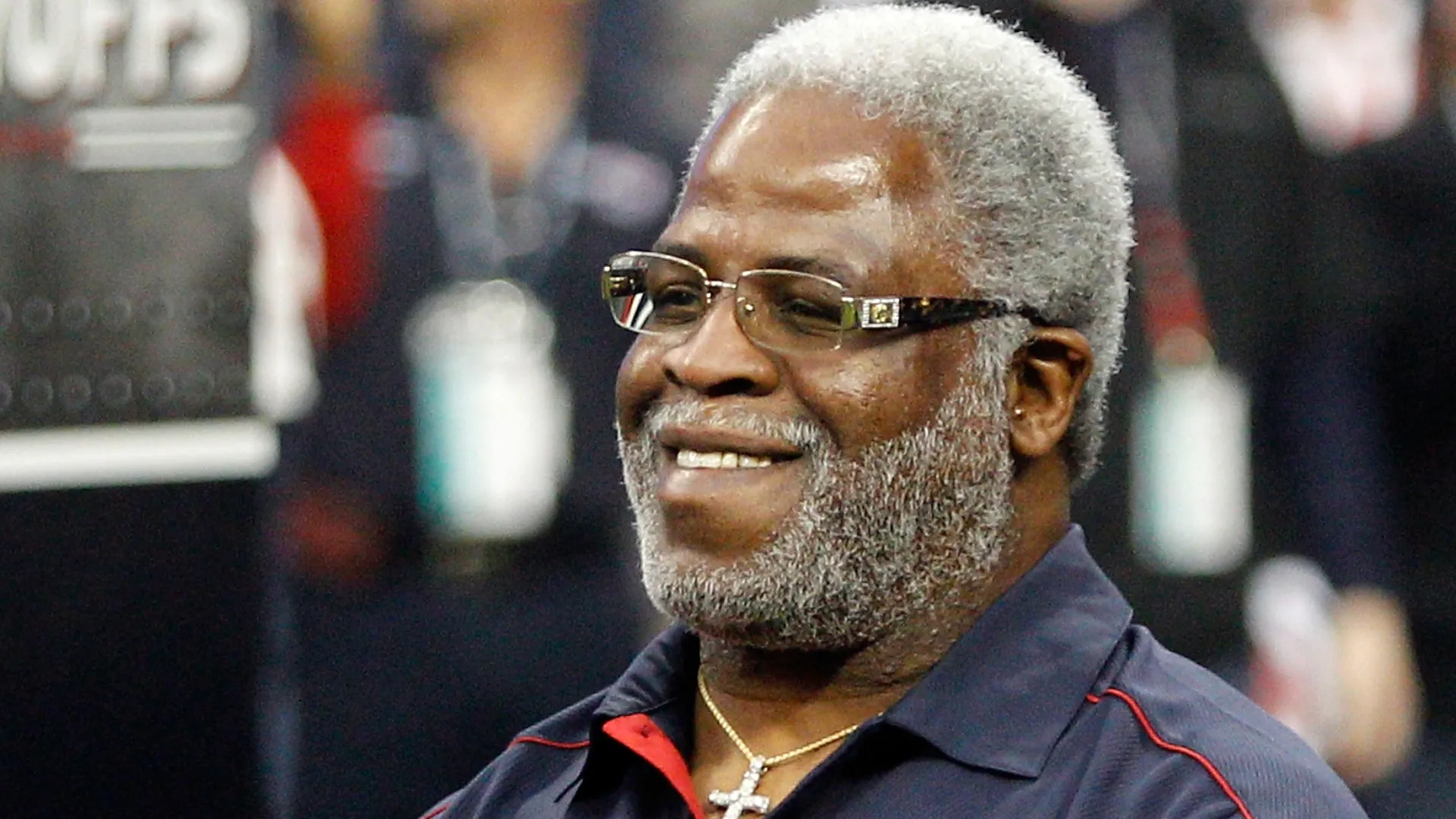
Earl Campbell (Source: Bob Levey/Getty Images)
Earl Campbell’s 1980 campaign with the Oilers didn’t need a 2,000-yard total to feel overwhelming. With 1,934 rushing yards, he turned every carry into a collision, imposing a physical toll that reshaped games and seasons alike.
His style was less about evasion and more about inevitability — defenders knew what was coming and still struggled to stop it. That year stands as a reminder that dominance isn’t always measured by round numbers, but by the impact left behind.
| Player | Team | Season | Rushing yards |
| Eric Dickerson | Los Angeles Rams | 1984 | 2,105 |
| Adrian Peterson | Minnesota Vikings | 2012 | 2,097 |
| Jamal Lewis | Baltimore Ravens | 2003 | 2,066 |
| Barry Sanders | Detroit Lions | 1997 | 2,053 |
| Derrick Henry | Tennessee Titans | 2020 | 2,027 |
| Terrell Davis | Denver Broncos | 1998 | 2,008 |
| Chris Johnson | Tennessee Titans | 2009 | 2,006 |
| Saquon Barkley | Philadelphia Eagles | 2024 | 2,005 |
| O.J. Simpson | Buffalo Bills | 1973 | 2,003 |
| Earl Campbell | Houston Oilers | 1980 | 1,934 |
| Derrick Henry | Baltimore Ravens | 2024 | 1,921 |
| Ahman Green | Green Bay Packers | 2003 | 1,883 |
| Barry Sanders | Detroit Lions | 1994 | 1,883 |
| Shaun Alexander | Seattle Seahawks | 2005 | 1,880 |
| Jim Brown | Cleveland Browns | 1963 | 1,863 |
| Tiki Barber | New York Giants | 2005 | 1,860 |
| Ricky Williams | Miami Dolphins | 2002 | 1,853 |
| Walter Payton | Chicago Bears | 1977 | 1,852 |
| Jamal Anderson | Atlanta Falcons | 1998 | 1,846 |
| DeMarco Murray | Dallas Cowboys | 2014 | 1,845 |
| Eric Dickerson | Los Angeles Rams | 1986 | 1,821 |
| O.J. Simpson | Buffalo Bills | 1975 | 1,817 |
| LaDainian Tomlinson | San Diego Chargers | 2006 | 1,815 |
| Jonathan Taylor | Indianapolis Colts | 2021 | 1,811 |
| Eric Dickerson | Los Angeles Rams | 1983 | 1,808 |