In NFL history, some seasons have stood out not just for brilliance but for the kind of turnovers no QB wants to admit. When a quarterback leads the league in interceptions, the numbers tell a story of risk and occasionally, flawed brilliance.
Atop the all-time list is George Blanda, who tossed an astonishing 42 interceptions in 1962. That single-season mark remains a glaring outlier, a reminder of how much the game has shifted.
Each name on the list tells a different story—of heavy workloads, high-risk offenses and moments when confidence met consequence. Together, they form the league’s most infamous chapter in aerial history.
42 – George Blanda, Houston Oilers (1962)
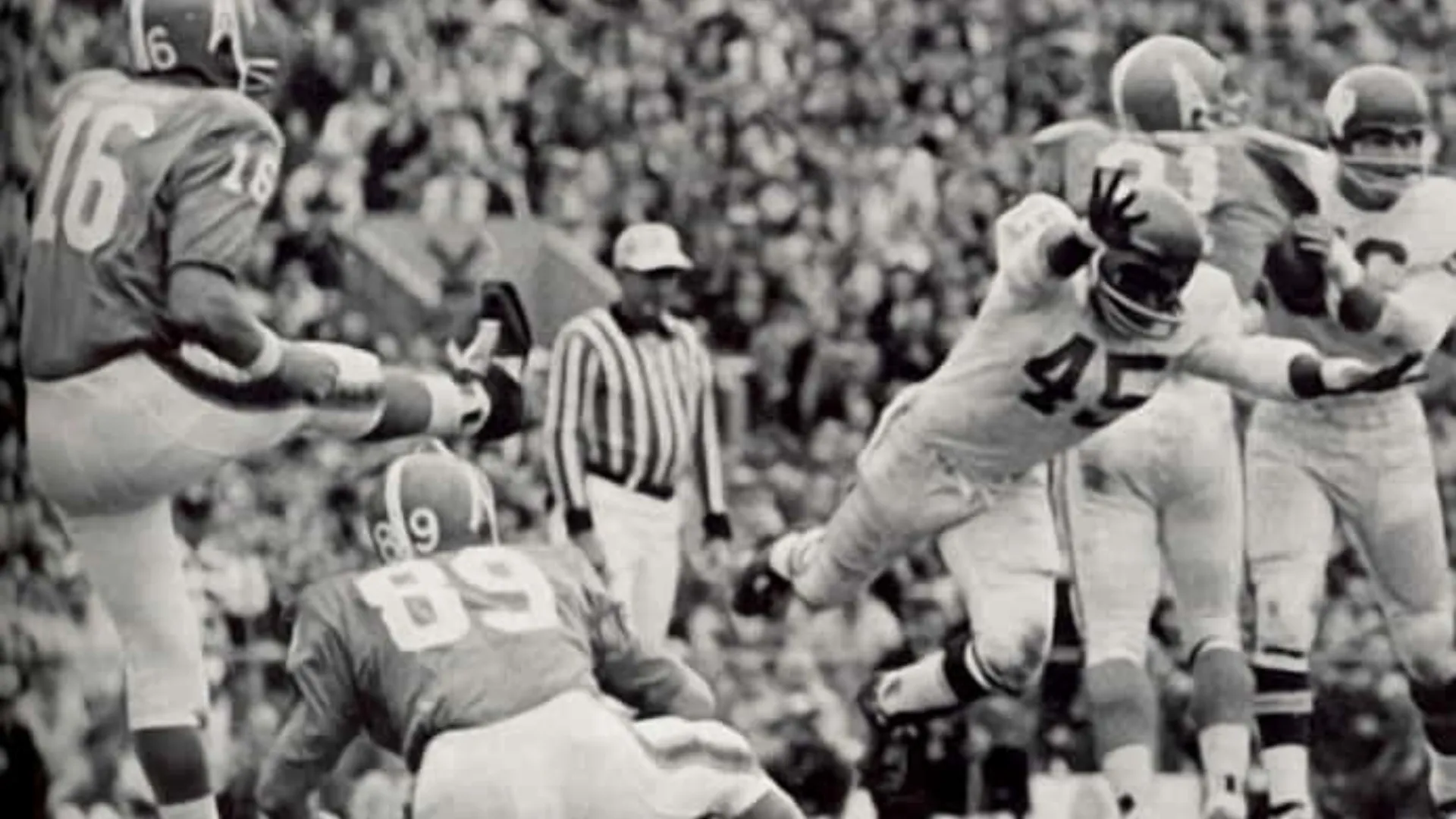
(Source: NFL Past Players)
The number is staggering: 42 interceptions. In a different era, with a different league, and an entirely different philosophy of play, George Blanda achieved a mark in 1962 that is, by all accounts, effectively unbreakable in the modern NFL.
Playing for the Houston Oilers in the high-octane, unpredictable American Football League (AFL), he was the ultimate embodiment of the “throw it deep and see what happens” approach.
What makes this record so unique is the almost paradoxical outcome: despite averaging three interceptions per game in a 14-game season, the Oilers somehow managed an 11-3 record and advanced to the AFL Championship Game.
This season isn’t just a statistical oddity; it’s a testament to Blanda’s sheer toughness and willingness to shoulder the massive offensive workload. He was the field general, the kicker, and the star—and his 42 picks underscore the wild, unpredictable DNA of the early AFL.
35 – Vinny Testaverde, Tampa Bay Buccaneers (1988)
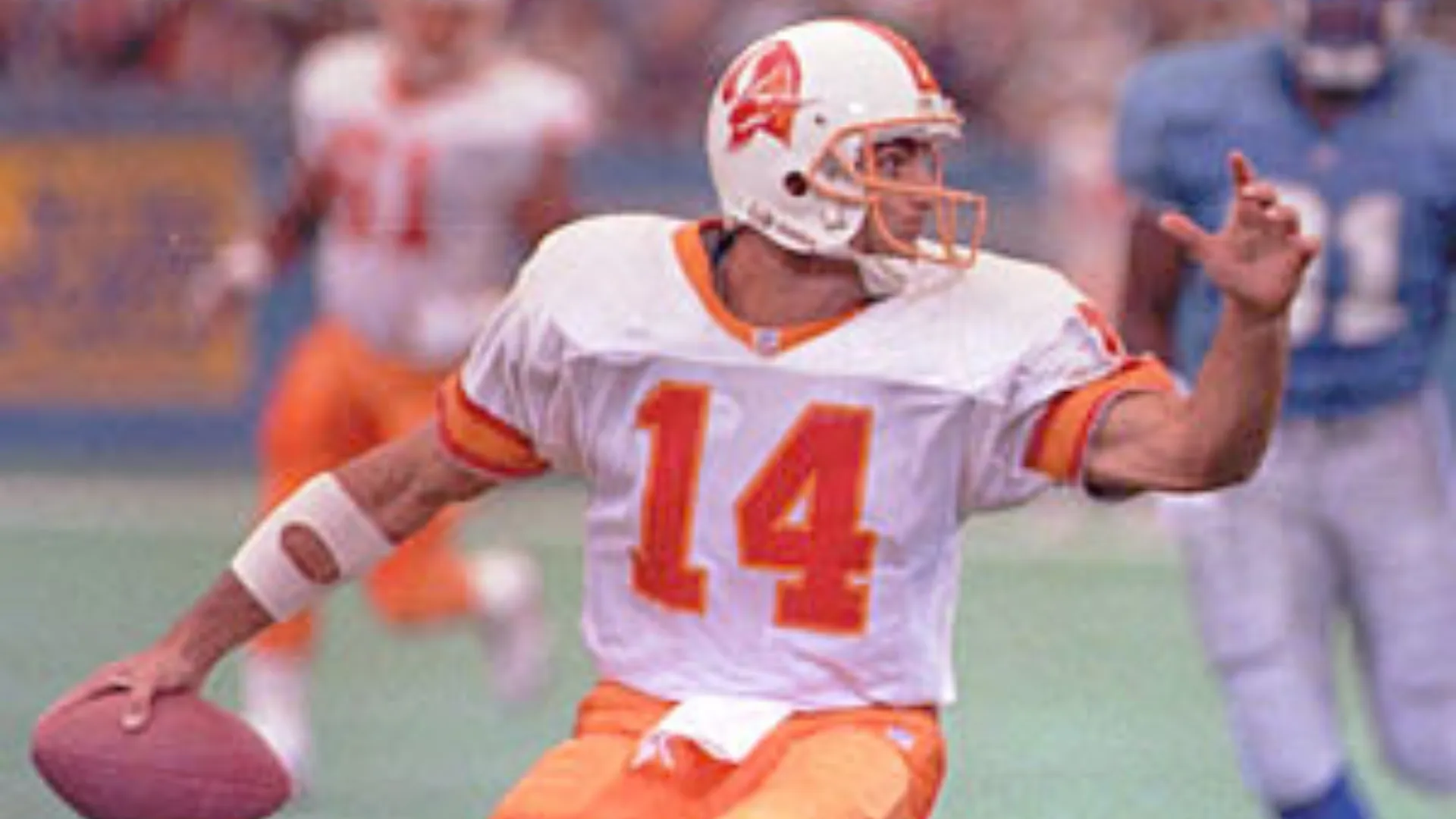
(Source: NFL Past Players)
For Vinny Testaverde, the 1988 season with the perpetually struggling Tampa Bay Buccaneers became a crucible that nearly defined his career. As a former Heisman Trophy winner and the reigning No. 1 overall pick, the expectation to single-handedly rescue the Bucs’ franchise was immense. Unfortunately, that burden often translated into forced throws and poor decisions, resulting in a crushing 35 interceptions.
This statistic is more than a number; it’s a commentary on the pressure placed upon young quarterbacks in dysfunctional organizations. While he possessed undeniable arm talent, his inconsistency and the lack of a supporting cast turned him into a turnover machine that year.
The sheer volume of his interceptions—leading the league by a wide margin—left many critics questioning if the prized prospect would ever find his footing in the NFL, a narrative he would eventually overcome years later.
34 – Frank Tripucka, Denver Broncos (1960)
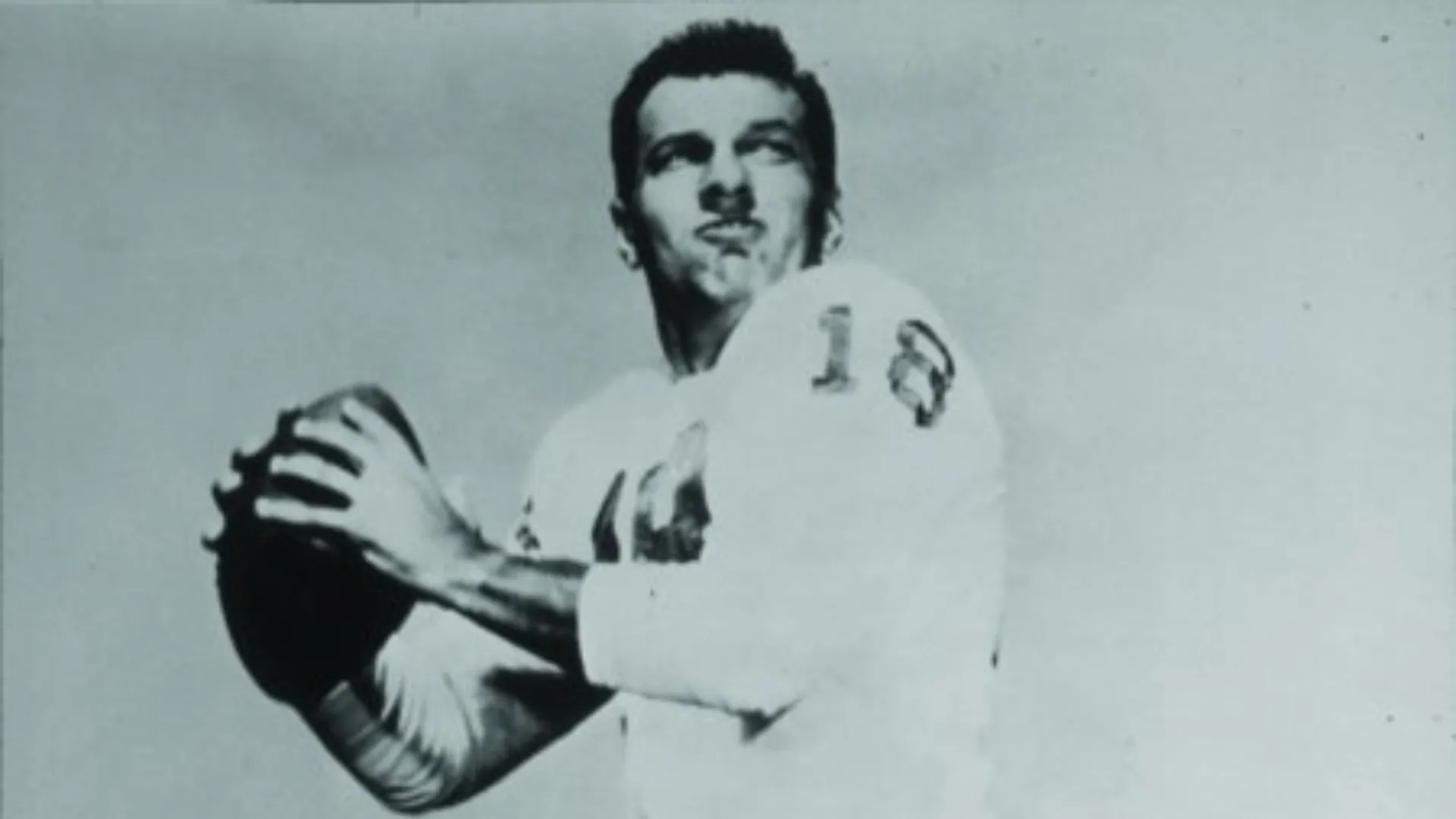
(Source: CBS Sports)
When the Denver Broncos took the field for the first time in the inaugural season of the AFL, Frank Tripucka was the man under center. His 34 interceptions in 1960 are a classic study in the growing pains of a fledgling league and an expansion team.
This season’s interception total doesn’t tell the whole story of failure, but rather the audacity of the attempt. He was throwing the ball more than was conventional for the time, navigating an offense built from scratch.
While the turnover total was high, he also became the first professional quarterback in the modern era to surpass 3,000 passing yards in a single season. His 34 picks, therefore, stand as a symbol of the high-risk, pioneering spirit that defined the early days of the AFL, where passing was adventurous, and turnovers were often accepted as the cost of doing business.
32 – John Hadl, San Diego Chargers (1968)
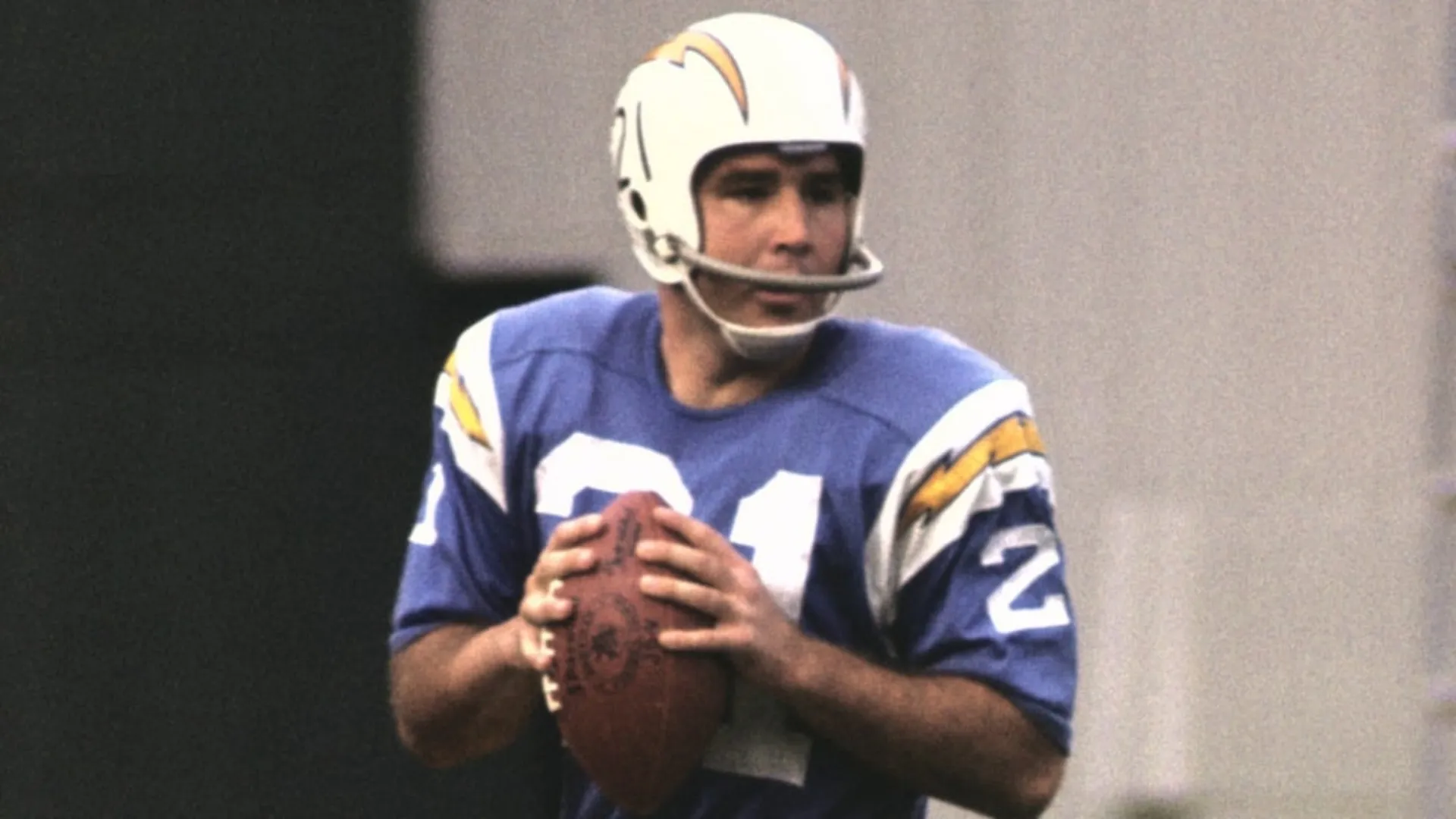
(Source: NFL)
John Hadl, an electric quarterback for the San Diego Chargers, was a star known for his powerful arm and his tendency to push the ball downfield aggressively. His 1968 season epitomizes the razor’s edge he walked: he led the AFL in passing touchdowns but also led the league with 32 interceptions.
This statistical duality captures the essence of his career: he was an All-Star capable of brilliance, yet prone to catastrophic errors. The 32 interceptions weren’t just the result of a bad stretch; they were built into his gunslinger DNA, a calculated risk he took play after play.
For him, the interception was the flip side of the deep bomb; you couldn’t have one without the other. This figure highlights a quarterback who played without a safety net, believing his physical talent could overcome any risk.
32 – Fran Tarkenton, Minnesota Vikings (1978)
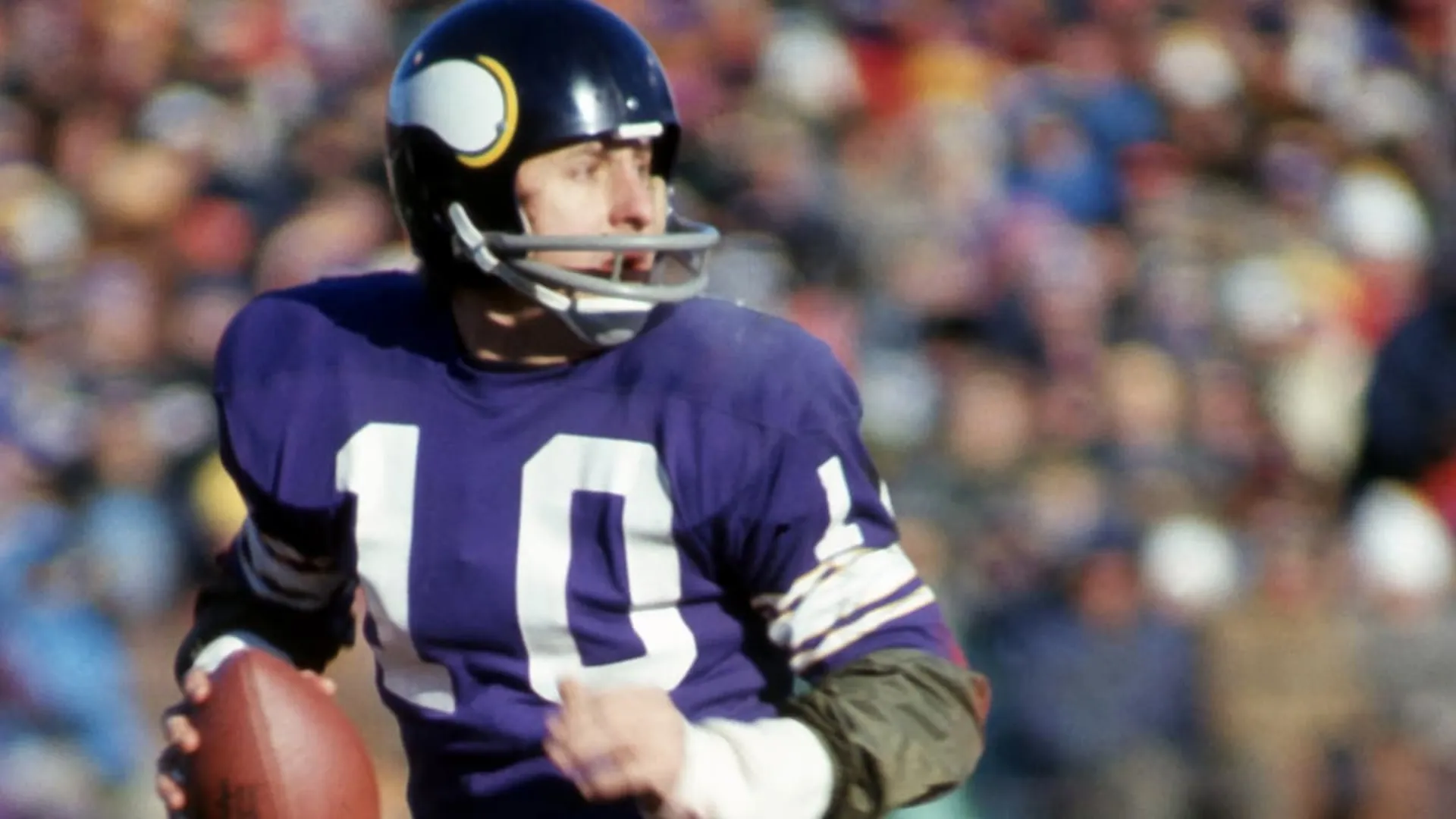
(Source: Minnesota Vikings)
It is a statistical anomaly that a Hall of Famer and former career passing yards leader like Fran Tarkenton would find himself so high on this list. At 38 years old, in what would be his final full season with the Minnesota Vikings, the legendary “Scrambler” threw 32 interceptions.
This high turnover count is often seen as the cost of attrition and age catching up to an elite performer. His genius was extending plays, dancing around the pocket, and buying time. In 1978, however, those extended plays often resulted in slower, ill-advised throws that defenders could break on.
The 32 picks are a melancholic punctuation mark on a superb career, reminding us that even the most elusive quarterbacks eventually lose a step, turning their improvisational magic into mistakes.
31 – Sid Luckman, Chicago Bears (1947)
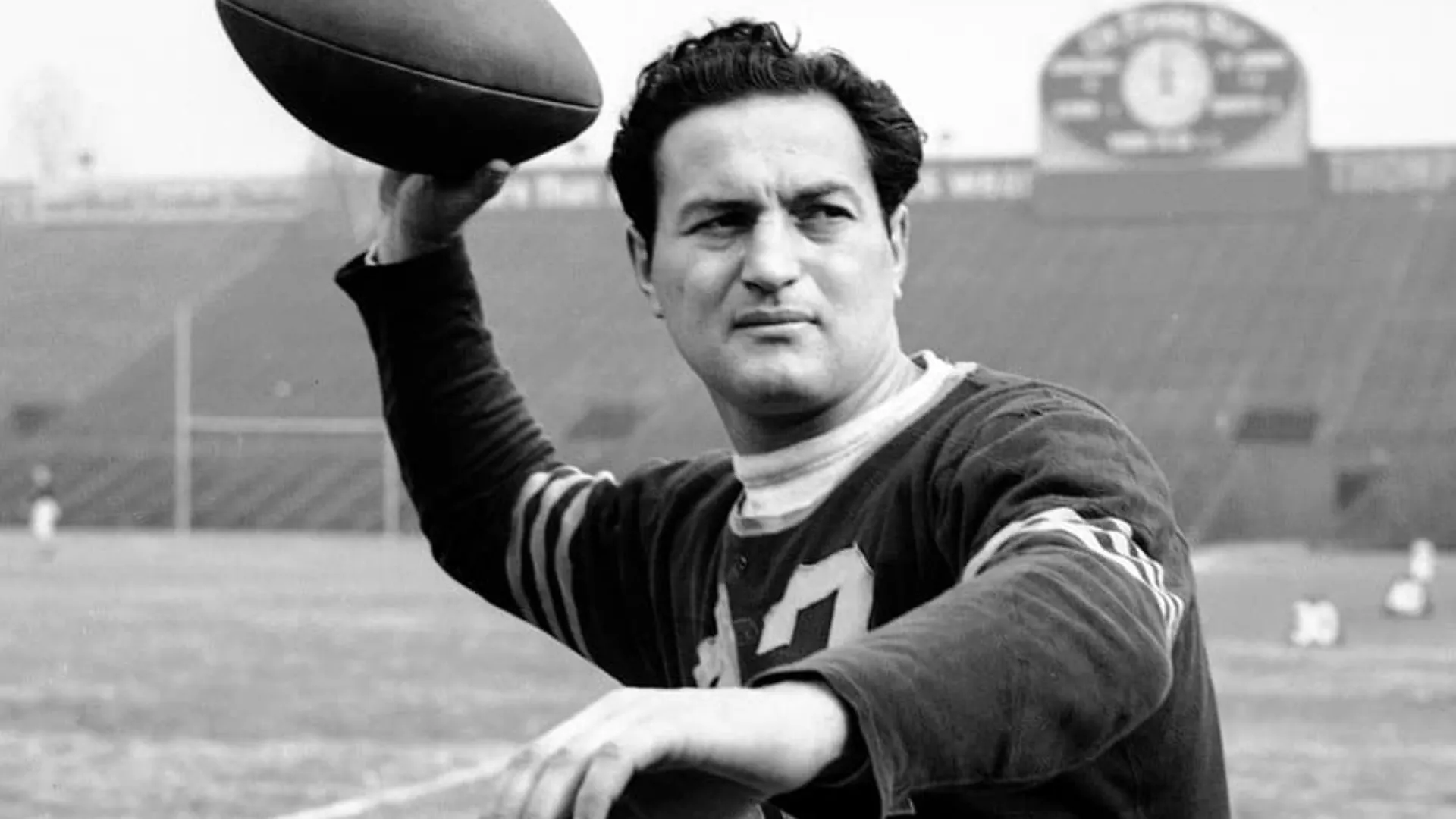
(Source: Chicago Bears)
To understand Sid Luckman‘s 31 interceptions in 1947, one must transport themselves back to an era where football was fundamentally different. As the iconic quarterback for the Chicago Bears, he was a pioneer of the revolutionary T-formation offense.
This turnover number is less an indictment of his talent—he is universally considered one of the era’s best—and more a reflection of the passing game’s infancy. Defenses were powerful and aggressive, and aerial attacks were often raw and imprecise.
Throwing the ball was inherently high-risk, and volume passing (which the T-formation championed) inevitably led to high interception totals. His 31 picks are a testament to his groundbreaking role as a passer in a league still dominated by the ground game.
30 – George Blanda, Houston Oilers (1965)
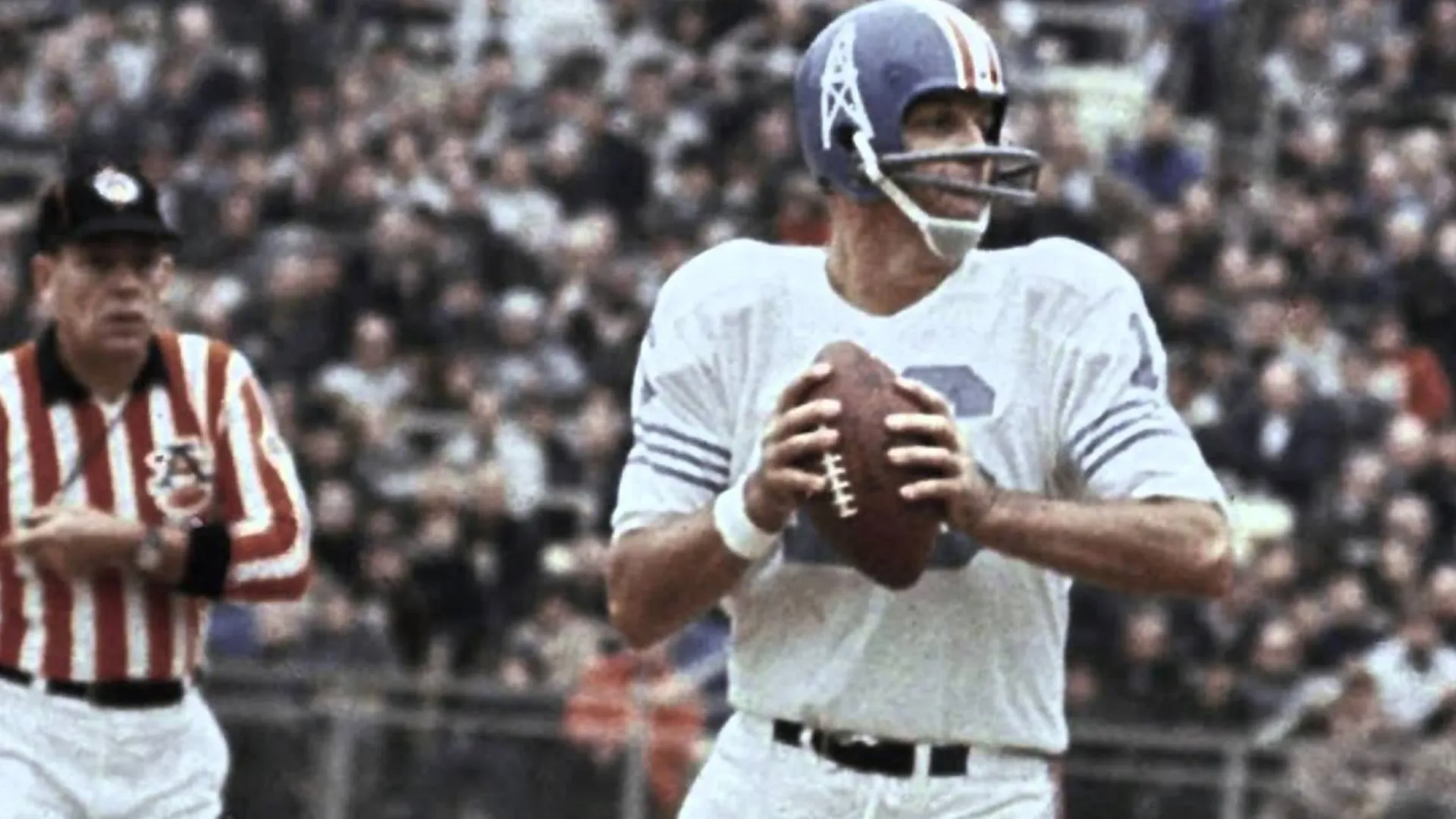
(Source: Houston Chronicle)
The sheer consistency of George Blanda‘s risk-taking earns him the distinction of being the only player on this all-time top list twice. Just three years after setting the record with 42, the veteran quarterback once again led the AFL in turnovers with 30 interceptions in 1965.
This repeat appearance is perhaps the strongest evidence of his unchanging, high-octane offensive philosophy. Regardless of the opponent, the score, or the situation, he was going to throw the football, and he was going to take chances.
The 30 interceptions confirm that his 1962 season was no fluke, but rather the peak manifestation of a career built on audacious throws and the unwavering belief that his next pass would be a touchdown, even if the one before it was a pick.
30 – Al Dorow, New York Titans (1961)
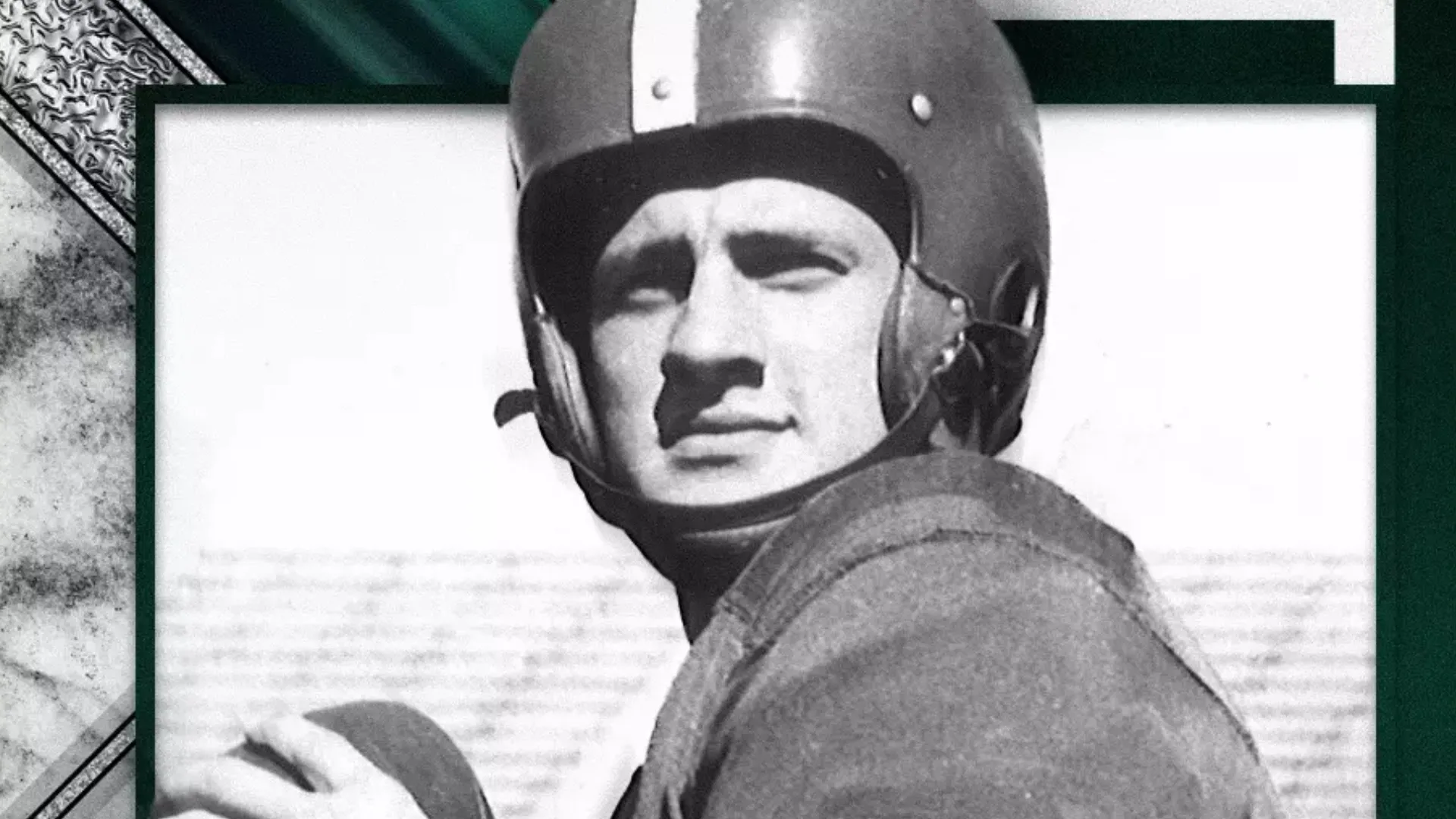
(Source: Michigan State University Athletics)
Al Dorow‘s season with the New York Titans (the team that would become the Jets) is often forgotten, but his 30 interceptions in 1961 remain etched in the record books. Like many of his AFL counterparts on this list, his number reflects the volatile nature of the league in its early years.
The Titans were an organization in turmoil, both financially and competitively, often forcing the quarterback to overcompensate. He was tasked with running an aerial attack with limited support, leading to forced throws and turnovers that were symptomatic of the team’s overall struggle.
His inclusion highlights the inherent risk assumed by early AFL quarterbacks who had to carry the offensive load for teams that were still struggling to establish a competitive foundation.
30 – Jim Hart, St. Louis Cardinals (1967)
(Source: Not in Hall of Fame)
Jim Hart‘s 30 interceptions in 1967 came during a crucial period of transition for the NFL, just before the full integration with the AFL and the dawn of the Super Bowl era. Playing for the St. Louis Cardinals, his high turnover rate marked a challenging step in his development, yet it’s often overlooked that he also led the team to a solid 6-7-1 record.
In a period where passing offenses were still evolving, his rookie-era struggles were amplified by an offense that sometimes relied too heavily on his arm. This figure stands as a reminder that not all turnover seasons are created equal; for him, it was the price of experience, an unavoidable statistical scar that paved the way for a long and successful career in the league. His 30 picks place him in the company of the league’s boldest, yet least efficient, single-season passers of the late 60s.
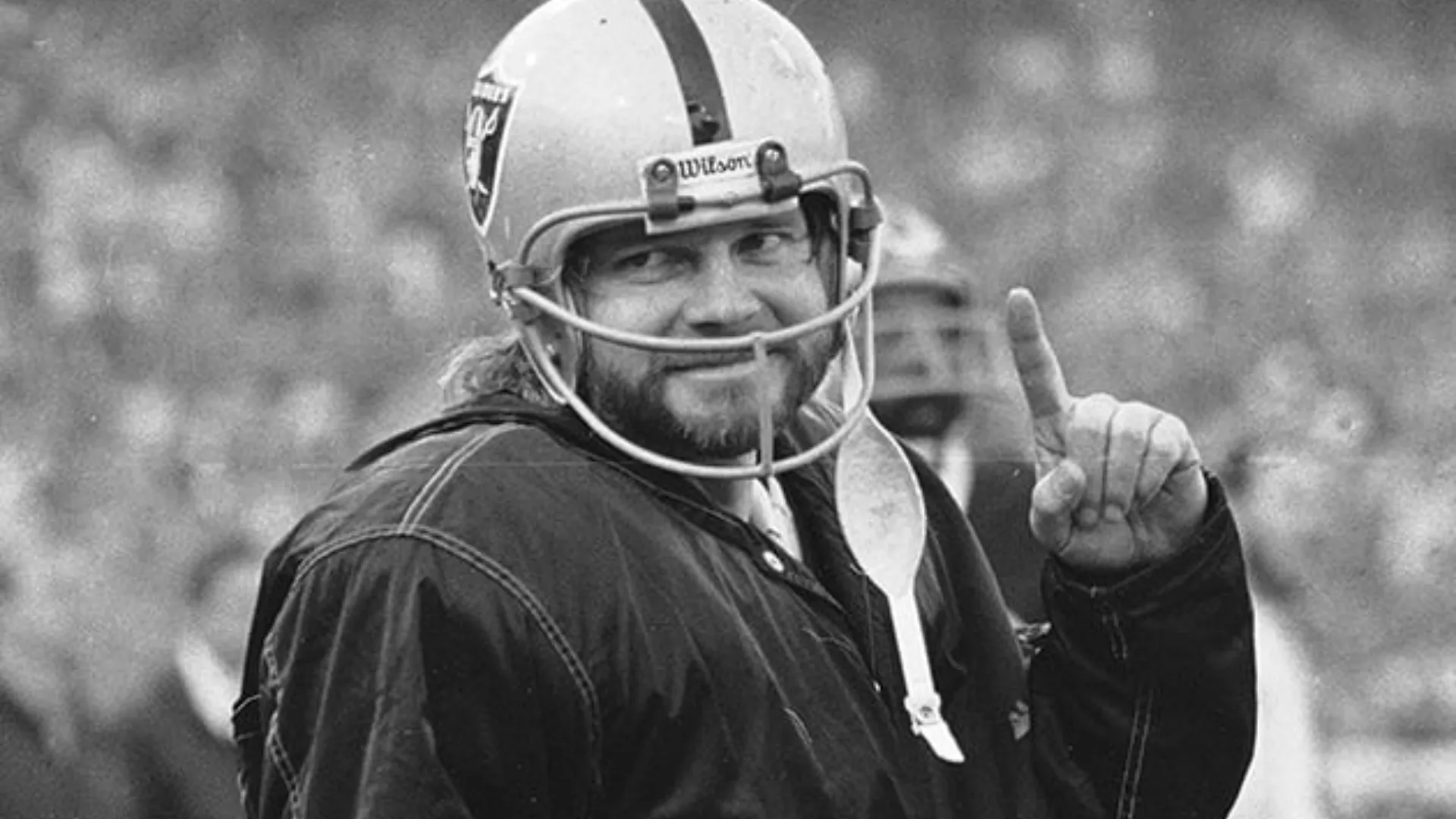
30 – Ken Stabler, Oakland Raiders (1978)
(Source: Pro Football Hall of Fame)
Ken “The Snake” Stabler, the embodiment of cool and efficiency, is perhaps the most surprising Hall of Famer to reach the 30-interception mark. In 1978, his season with the Oakland Raiders went sideways, culminating in exactly 30 interceptions. He was known for his late-game heroics and laser-like accuracy, which makes this figure an anomaly in an otherwise brilliant career.
Unlike other entries on this list, his season isn’t attributed to youth or an expansion team; it was a bizarre, mid-career dip. The reasons were complex, ranging from a tumultuous relationship with the coaching staff to changes in the offensive personnel.
His 30 interceptions serve as a vivid example of how organizational instability and slight performance declines can compound rapidly, proving that even a Super Bowl-winning quarterback can momentarily lose his magic touch.
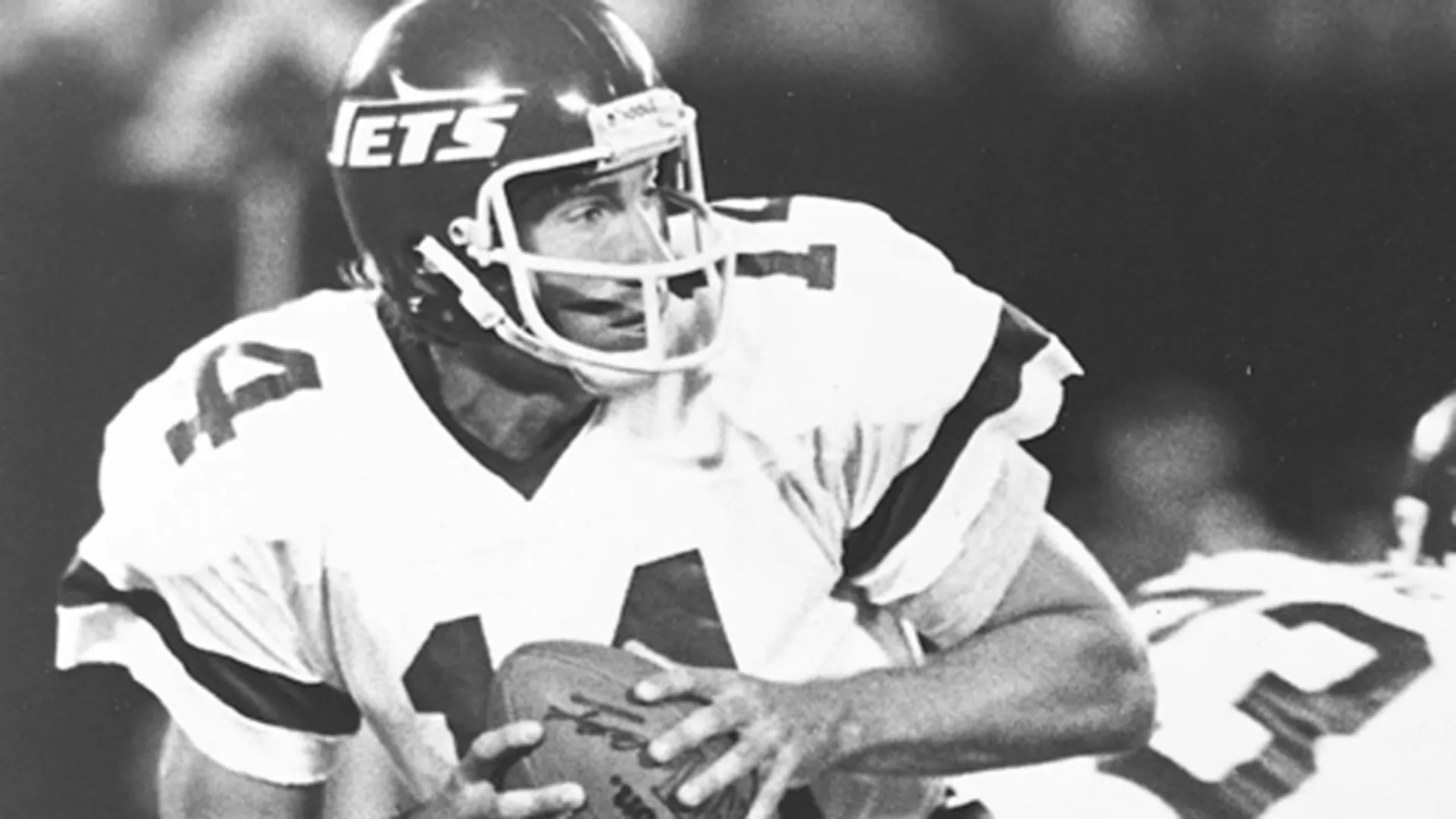
30 – Richard Todd, New York Jets (1980)
(Source: New York Jets)
Taking over the reins from the legendary Joe Namath for the New York Jets was always going to be a monumental task, and Richard Todd‘s 30 interceptions in 1980 illustrate the immense pressure and difficulty of that transition. He was a strong-armed talent, but his tenure with the Jets was plagued by inconsistency and turnovers.
This season is often cited as the low point in his tenure. The aggressive nature of the Jets’ offense at the time, combined with his propensity to force passes into tight coverage, created a perfect storm for opposing defensive backs.
The 30 picks symbolize the heavy, often unfair, weight of expectation placed on the quarterback who followed a football icon—a season where every mistake was magnified under the skeptical New York spotlight.
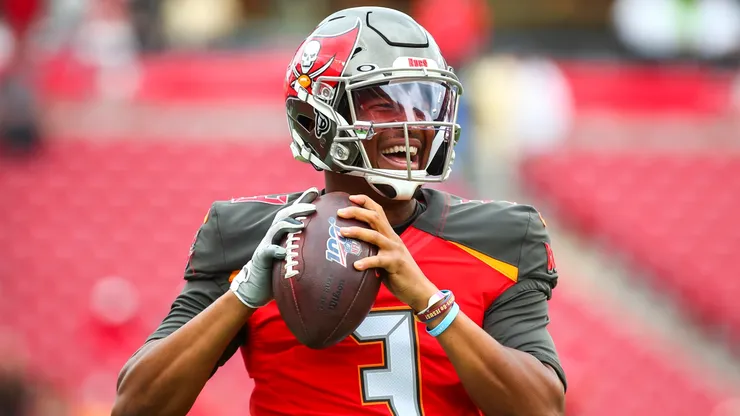
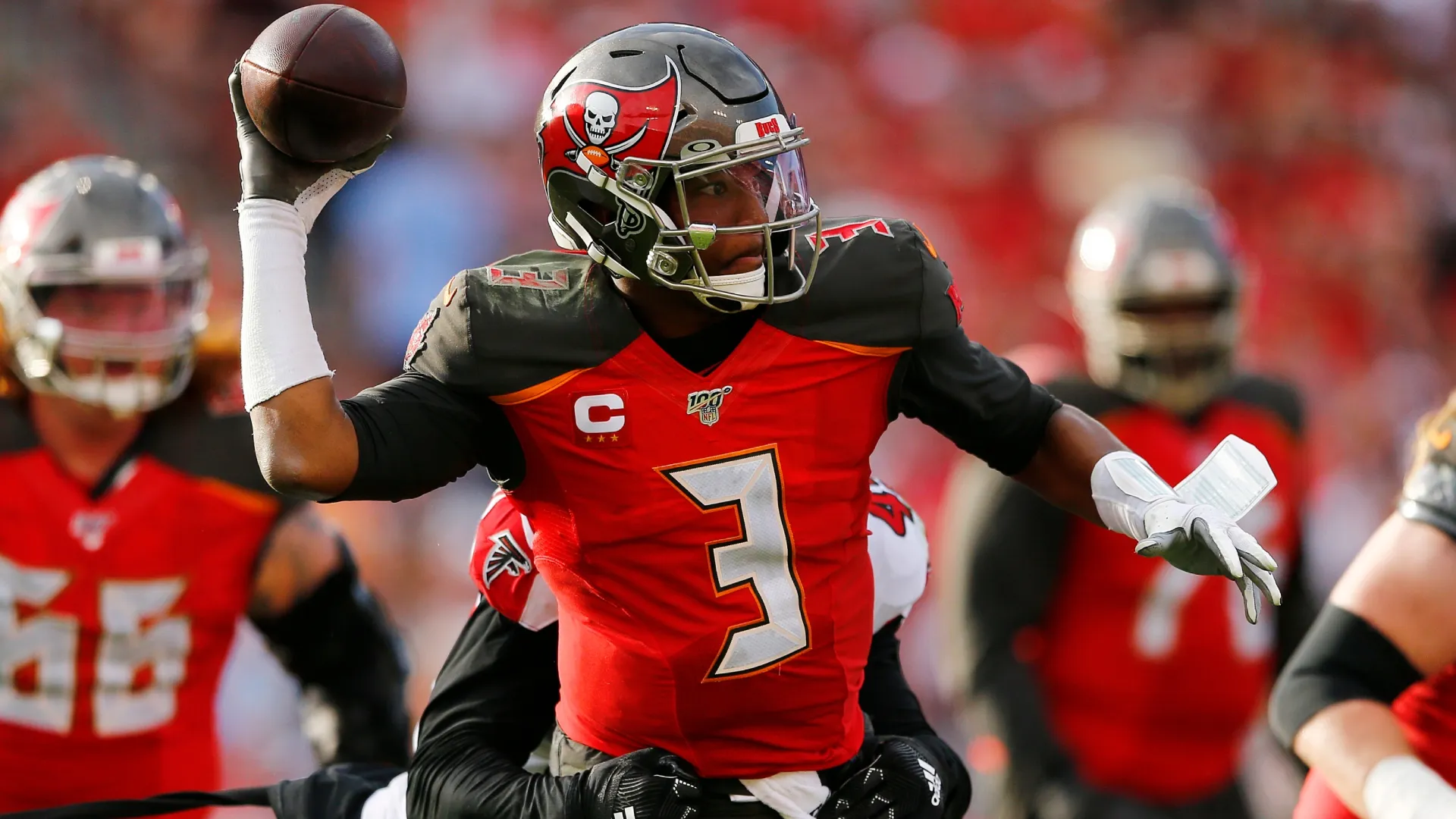
30 – Jameis Winston, Tampa Bay Buccaneers (2019)
(Source: Michael Reaves/Getty Images)
Jameis Winston‘s 2019 season is the ultimate modern statistical outlier and the sole entry of the 21st century to hit the 30-pick plateau. His 30 interceptions came coupled with an astonishing 5,109 passing yards and 33 touchdowns, making him the only player in NFL history to join the 30/30 club.
The description for him must be unique because his season was unique. It wasn’t a season of simple futility, but rather a chaotic eruption of production. His turnovers were high-profile, often leading to defensive touchdowns, yet his overall passing yardage led the league.
His 30 interceptions stand as a final, dramatic statement on the limits of aggressive, risk-it-all quarterback play in the highly scrutinized and efficiency-driven modern game, ultimately leading to his departure from Tampa Bay.
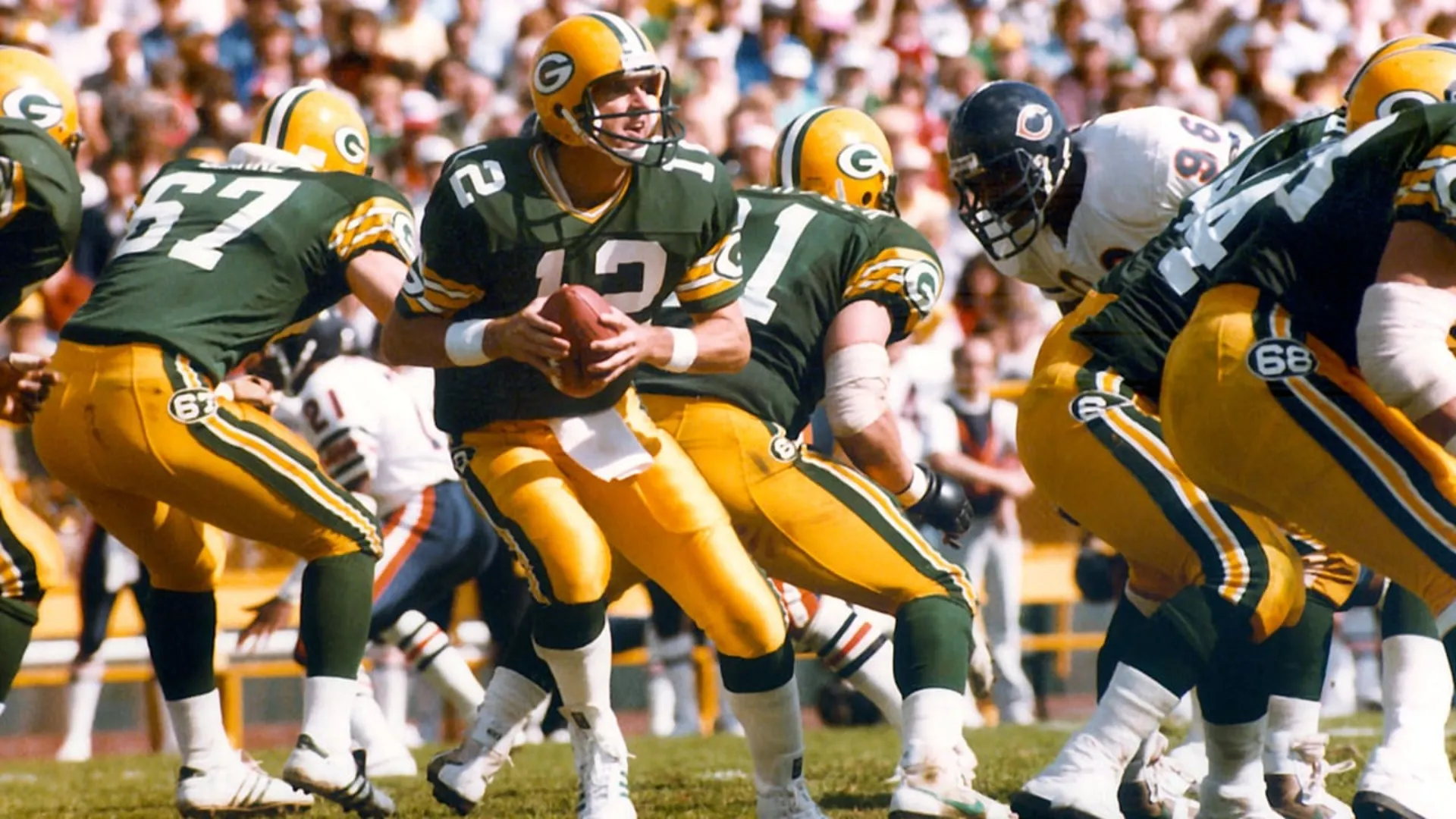
29 – Lynn Dickey, Green Bay Packers (1983)
(Source: Green Bay Packers)
Lynn Dickey’s 29 interceptions in 1983 with the Green Bay Packers is an important inclusion because it highlights the vulnerability of high-volume passers in the early 80s. He was a prototypical tough, midwestern quarterback who stood tall in the pocket despite repeated hits.
This season was a mixed bag: He also led the league in passing touchdowns with 32, showcasing a brilliant offensive attack balanced by significant turnover risk. The 29 picks were the price he and the Packers paid for a largely successful vertical passing game.
It speaks to a different kind of league environment where a high turnover count could be tolerated, even accompanied by a winning record, if the offense was explosive enough to compensate.
29 – Brett Favre, Green Bay Packers (2005)
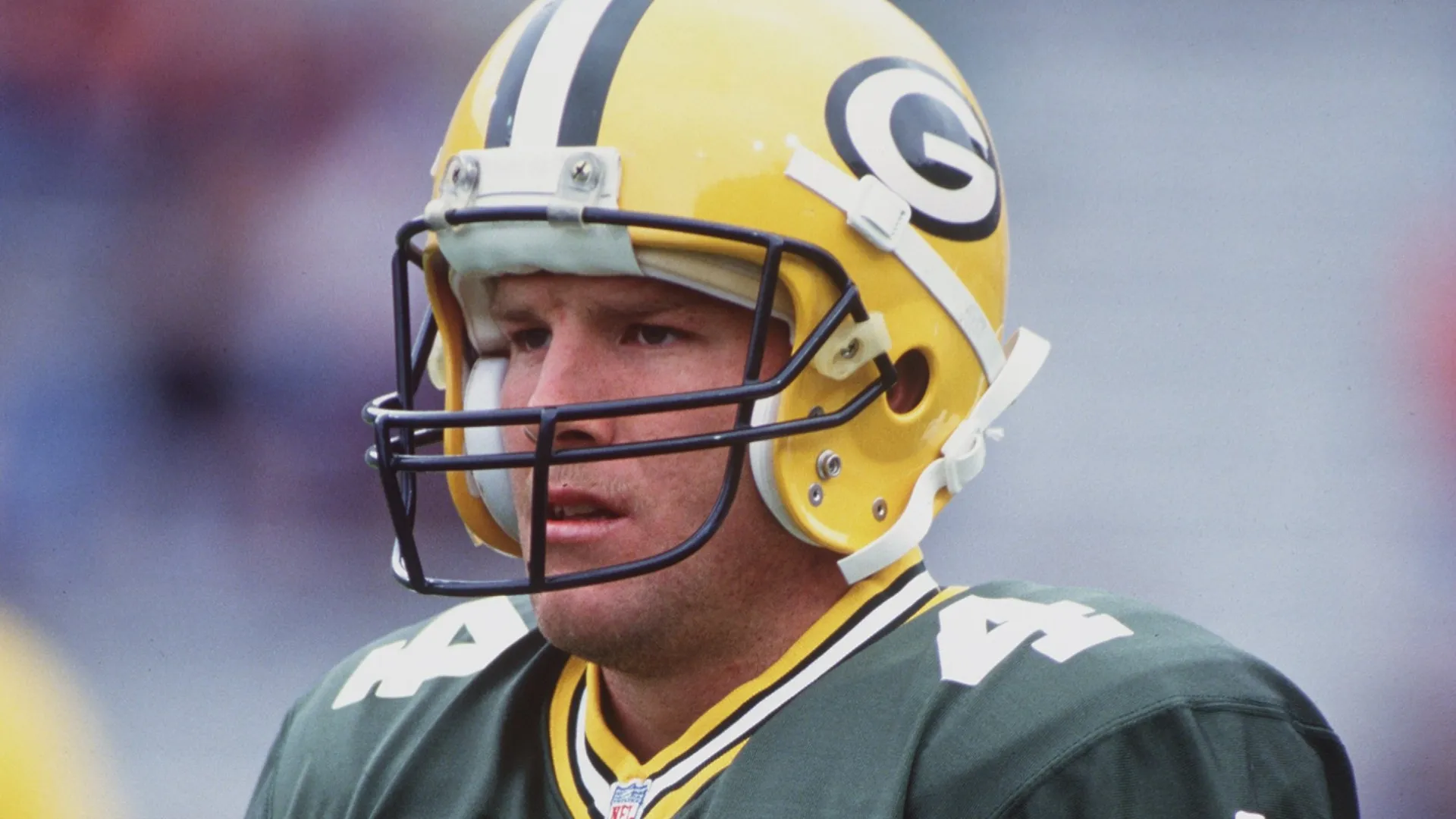
(Source: Jonathan Daniel/ALLSPORT)
Brett Favre’s 29 interceptions in 2005 for the Green Bay Packers is historically significant as the highest interception total by a player who wasn’t either a rookie or a young struggling quarterback in the 21st century. It was an iconic display of his “live-by-the-arm, die-by-the-arm” philosophy.
This season, occurring late in his career, cemented his legacy as the last true, unapologetic gunslinger. Despite the increasing emphasis on efficiency, Favre refused to dial back his aggression.
His 29 turnovers were a reflection of his confidence—or perhaps overconfidence—in his ability to squeeze the ball into impossibly tight windows. His performance stands as a compelling contrast to the methodical, game-manager approach that would soon dominate the league.
28 – Peyton Manning, Indianapolis Colts (1998)
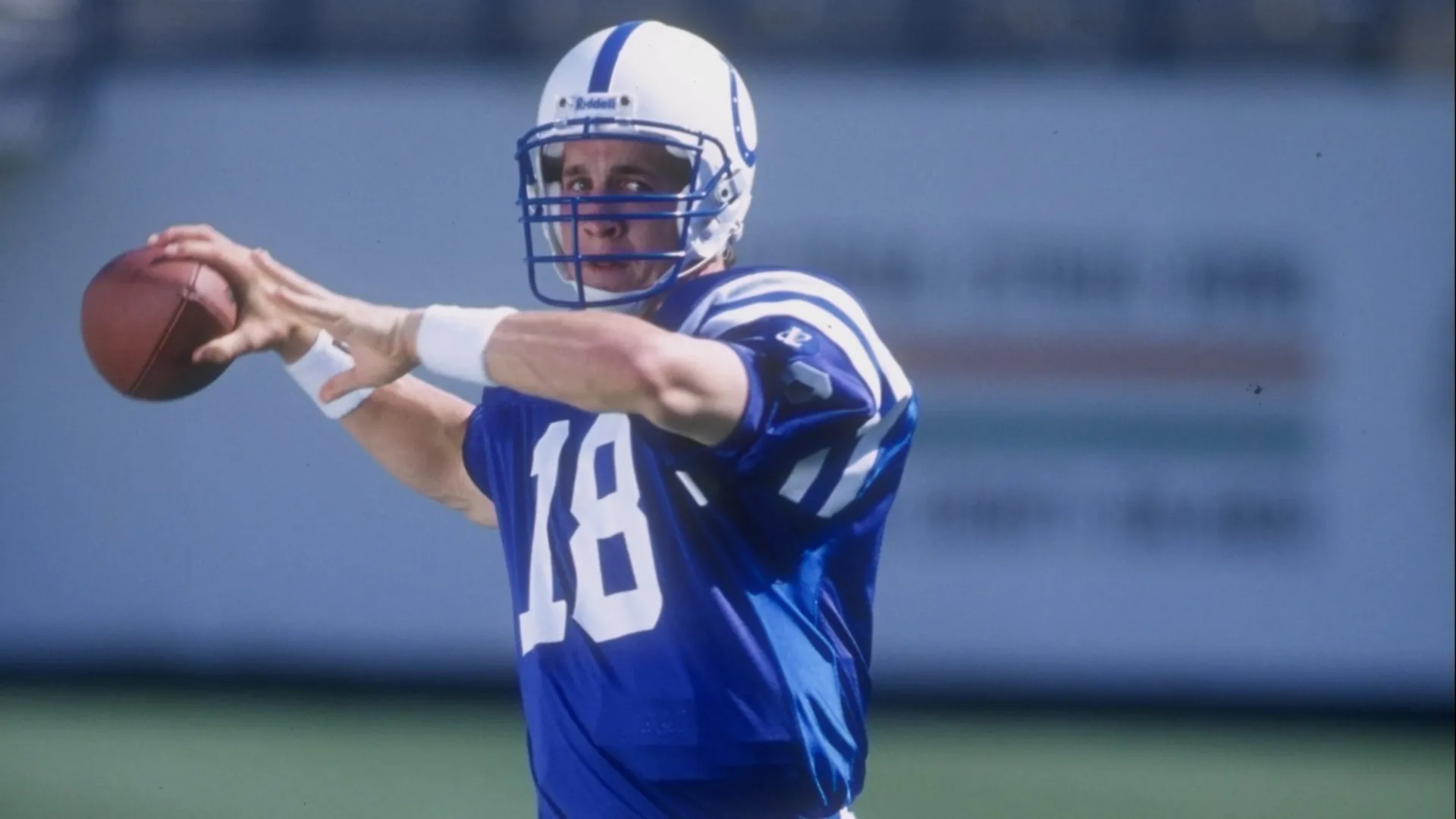
(Source: Andy Lyons /Allsport)
Peyton Manning‘s rookie season with the Indianapolis Colts in 1998 is perhaps the most scrutinized “bad” season by a future superstar. His 28 interceptions immediately set a new benchmark for rookie turnovers in the post-merger era.
Unlike other rookies who were coddled, he was thrown into the fire, attempting a monumental 575 passes. The high number of turnovers wasn’t just poor play; it was a crash course in NFL defense.
The 28 picks became part of the foundation of his legendary career—a stark lesson in the difference between college and professional football that he would rapidly correct. This season is less about failure and more about a painful, necessary rite of passage for one of the greatest QBs in history.
28 – Joe Namath, New York Jets (1967)
(Source: Pro Football Hall of Fame)
Joe Namath, “Broadway Joe,” was a figure of immense charisma and audacity, and his 28 interceptions in 1967 with the New York Jets perfectly capture his high-wire act. This high total came a year before his legendary Super Bowl run, illustrating the inherent volatility of his style.
He was the face of the AFL, a celebrity whose presence demanded a show. His 28 picks were the collateral damage of a powerful passing offense; he threw the ball more often and deeper than most of his contemporaries. The number is a fitting detail for a player who lived on the edge—a fearless leader who believed the reward of a big play always outweighed the risk of a turnover.
28 – Joe Namath, New York Jets (1975)
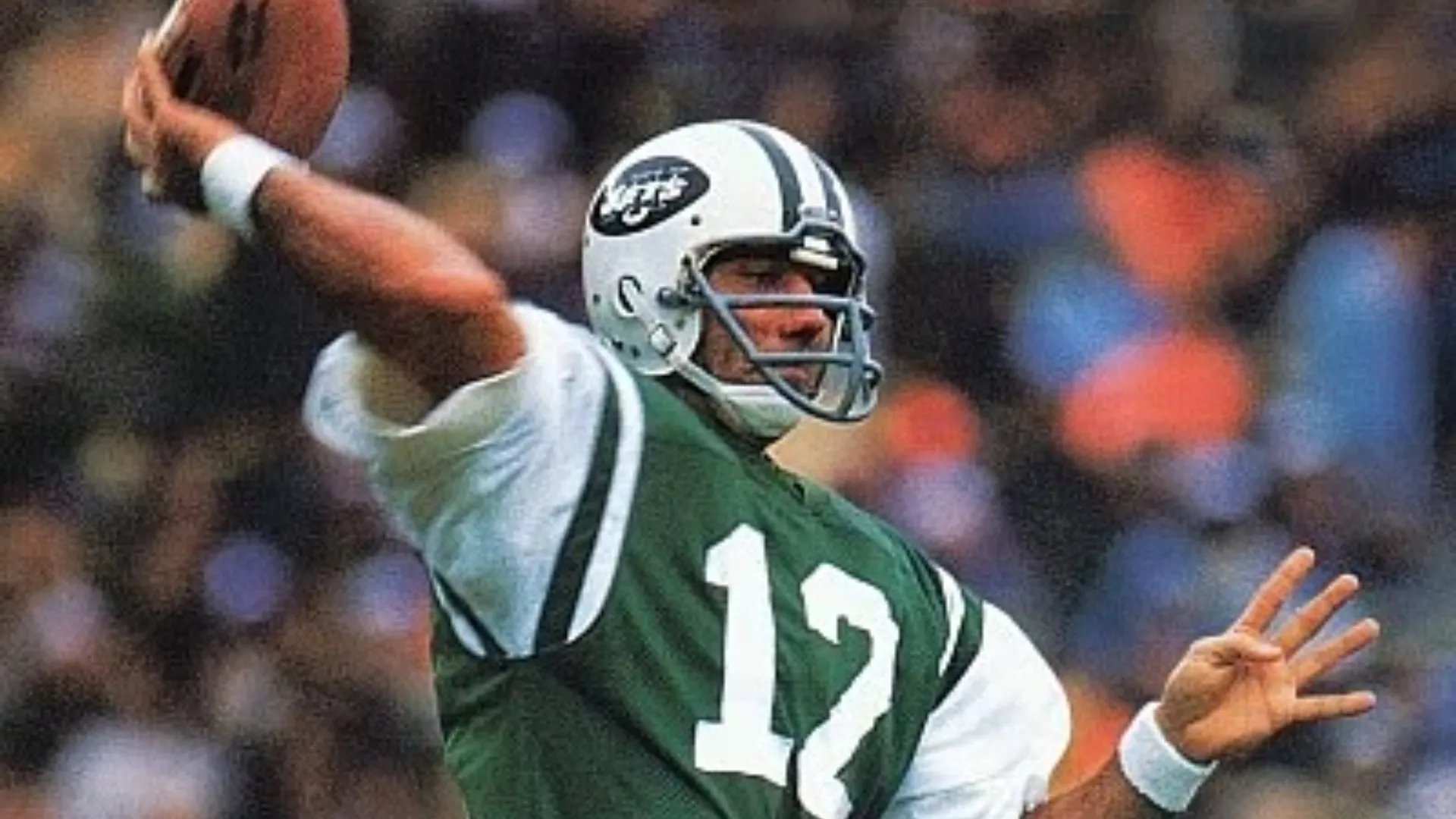
(Source: Today in Pro Football History)
Joe Namath‘s second appearance on the all-time list, with 28 interceptions in 1975, tells a different, more somber story than his earlier entries. By this point, the legendary “Broadway Joe” was 32, his once-magical knees severely damaged by years of football, and the New York Jets were struggling to compete.
This high interception count reflects less of his early career swagger and more of a frustrated attempt to compensate for diminished mobility and a struggling supporting cast.
The 28 picks were the result of slow feet in the pocket, hurried throws under pressure, and the desperation of a star trying to carry a team past its capabilities. It’s a poignant statistical marker that captures a famous athlete fighting against the inevitable decline of his physical prime.
28 – Ken Stabler, Houston Oilers (1980)
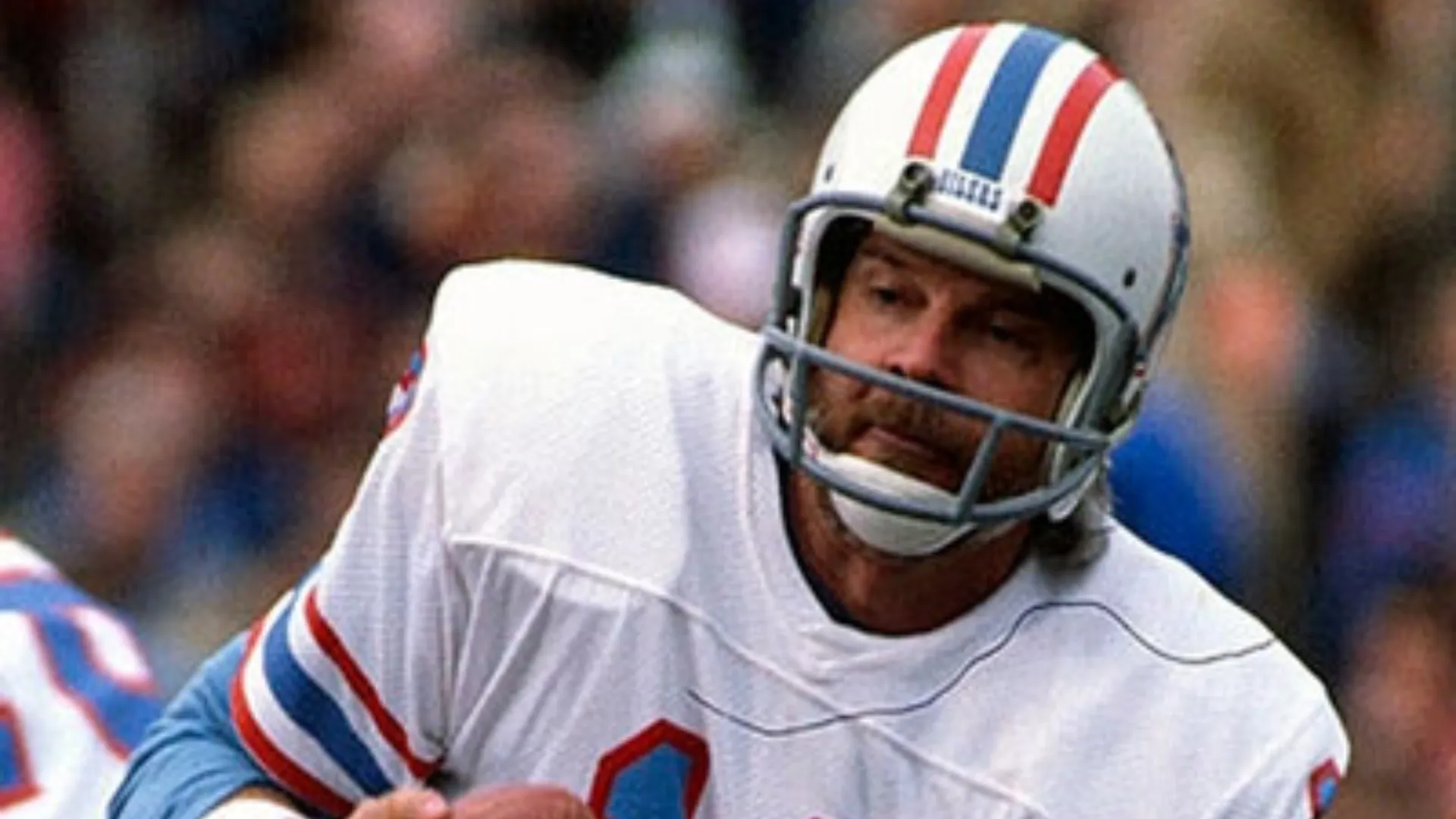
(Source: Houston Public Media)
Ken “The Snake” Stabler‘s 28 interceptions in 1980 with the Houston Oilers came immediately after he was traded from the Oakland Raiders, marking a significant, and challenging, shift in his career. This high turnover volume is often symptomatic of a star quarterback trying to assimilate into a brand-new offensive scheme late in his prime.
His enduring gunslinger mentality—the confidence to squeeze the ball into the smallest windows—was magnified by the pressures of his new team. The 28 interceptions represent the friction between his instinctive, risk-heavy playing style and the precision required in a different environment.
It was a season where “The Snake’s” quick decisions often turned disastrous, confirming that even Hall of Fame talent could buckle under the stress of adaptation and physical wear.
28 – Y.A. Tittle, San Francisco 49ers (1955)
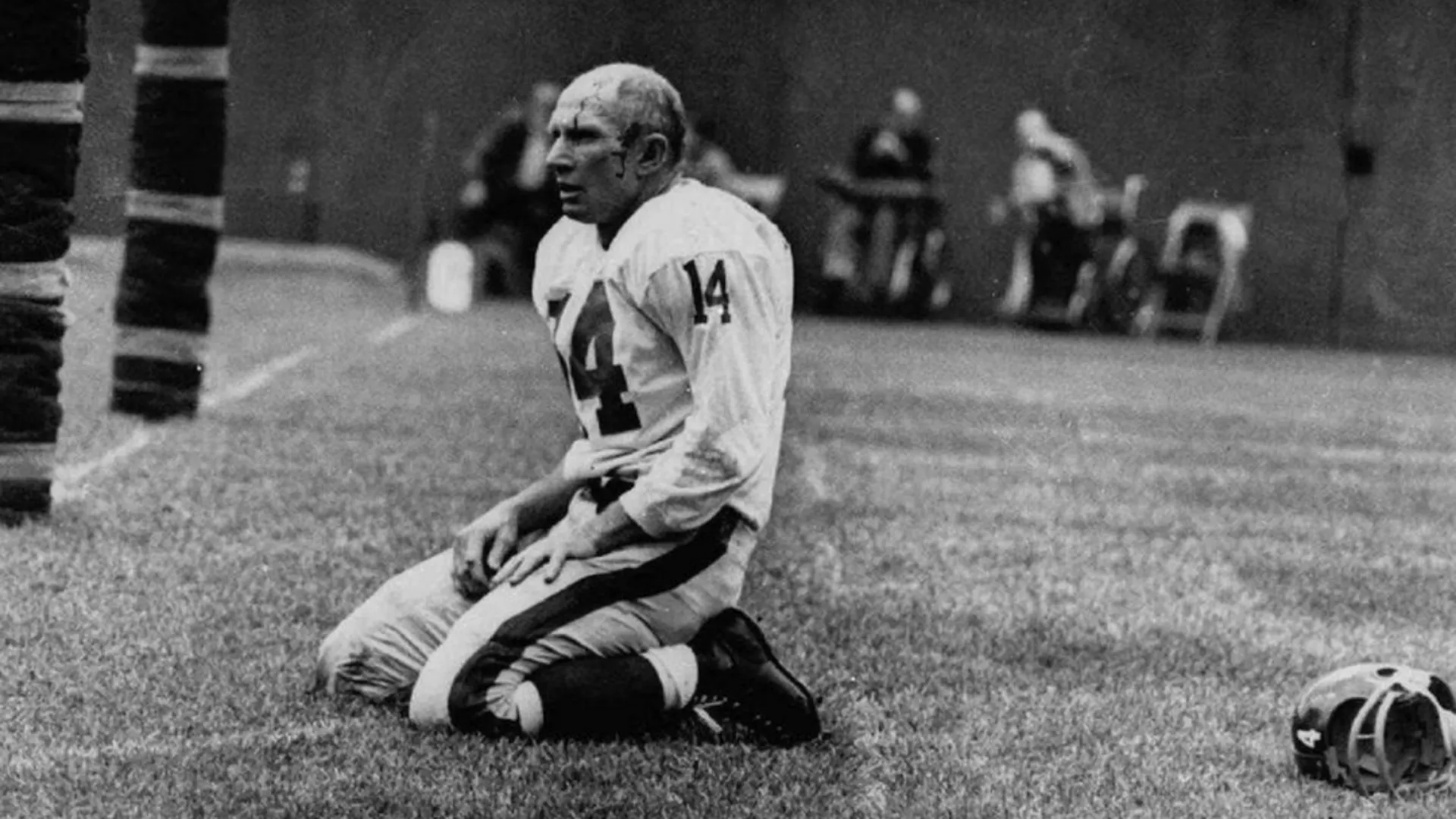
(Source: Bay Area Sports Hall of Fame)
When analyzing Y.A. Tittle‘s 28 interceptions in 1955 with the San Francisco 49ers, it is essential to contextualize the number within the landscape of 1950s football. Tittle, a celebrated pioneer of the modern passing attack, was one of the game’s boldest throwers.
This high figure is not an indicator of poor ability, but rather a reflection of the inherently high-risk nature of passing in the pre-merger era. Defenses were physical, routes were less refined, and ball security was a secondary concern to explosive yardage.
His 28 picks were simply the overhead cost of being a volume passer and an aggressive innovator—a testament to his willingness to challenge defenses when the odds of an interception were far greater than they are today.
27 – George Blanda, Houston Oilers (1964)
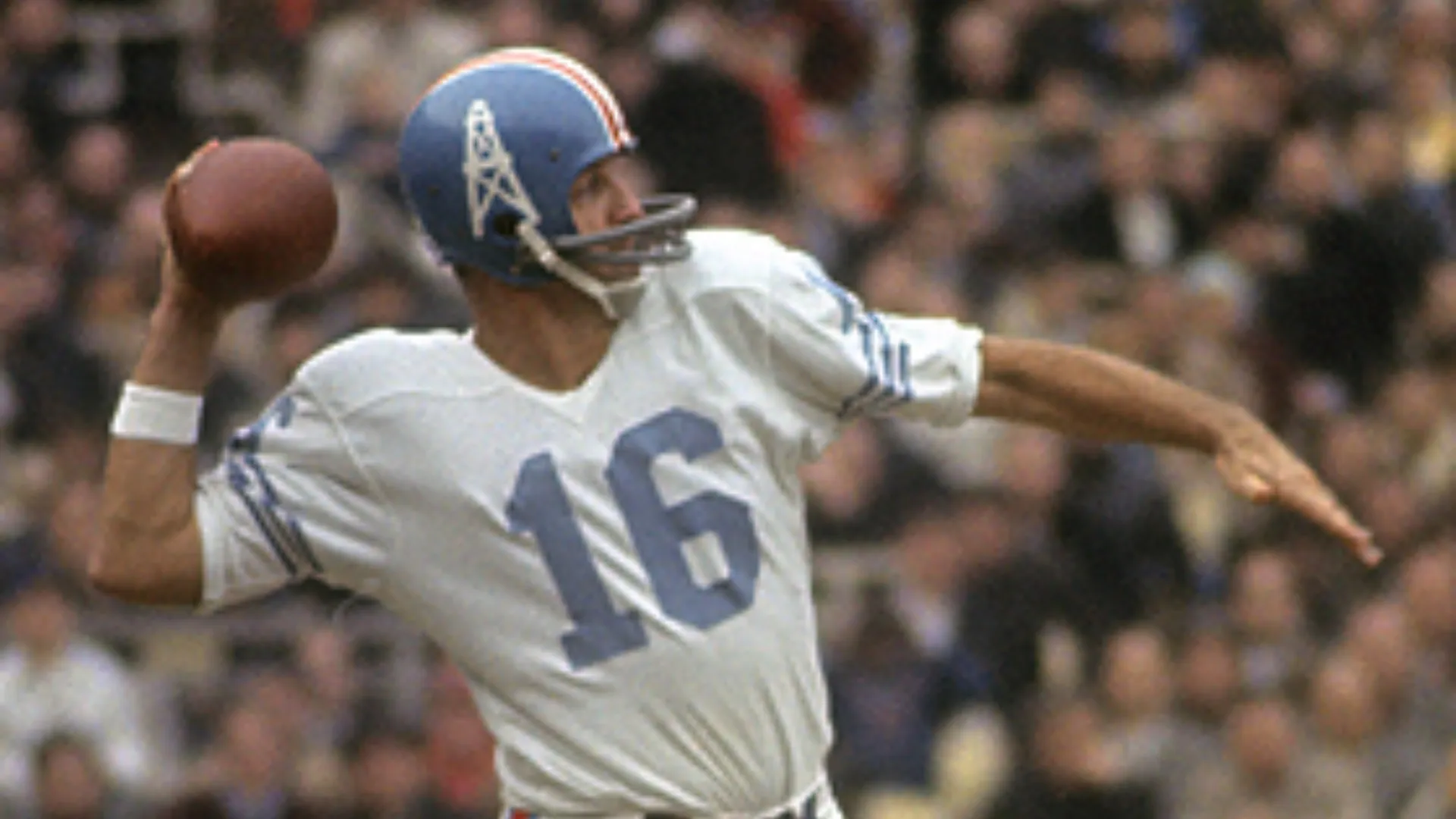
(Source: The Pecan Park Eagle)
George Blanda makes yet another appearance on this monumental list, logging 27 interceptions in 1964 for the Houston Oilers. His perennial inclusion solidifies his status as the AFL’s true Turnover King.
What does his 1964 season, nestled between his record 42-pick year and his 30-pick year, tell us? It proves that his willingness to throw interceptions wasn’t an anomaly or a single bad season; it was the unwavering cornerstone of his playing philosophy.
The 27 picks are a steady-state number for a quarterback who viewed turnovers as merely statistical nuisances, acceptable collateral damage in his quest to constantly throw the ball downfield and win through sheer offensive force.