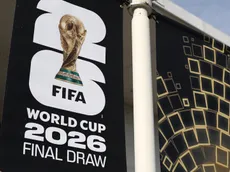
As the 2026 World Cup draw takes shape, the tournament’s expanded format and updated regulations begin to define more than just group assignments. The new structure subtly reshapes how and when the biggest contenders can cross paths.
With Argentina and Spain positioned on opposite lines of the competitive map, their projected routes through the bracket already point in different directions. Seeding, ranking weight, and tournament balance all play a role in shaping those early constraints.
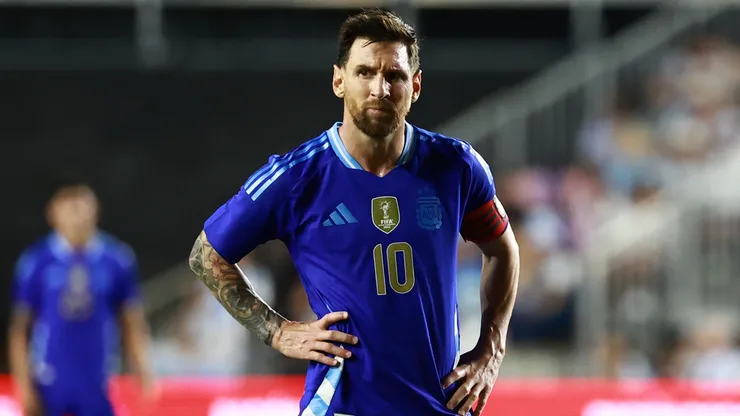
At first glance, the distance between Messi‘s country and Spain may seem like simple luck of the draw. In reality, technical layers embedded in the competition format quietly determine how soon such marquee matchups are allowed to emerge.
How Argentina fits into the new 2026 World Cup draw setup
For the first time in a 48-team 2026 FIFA World Cup, FIFA has rearranged its draw mechanics to shield top-ranked teams deep into the knockout stage. Pot 1, which includes Argentina, gathers the hosts plus the nine highest-ranked qualified teams.
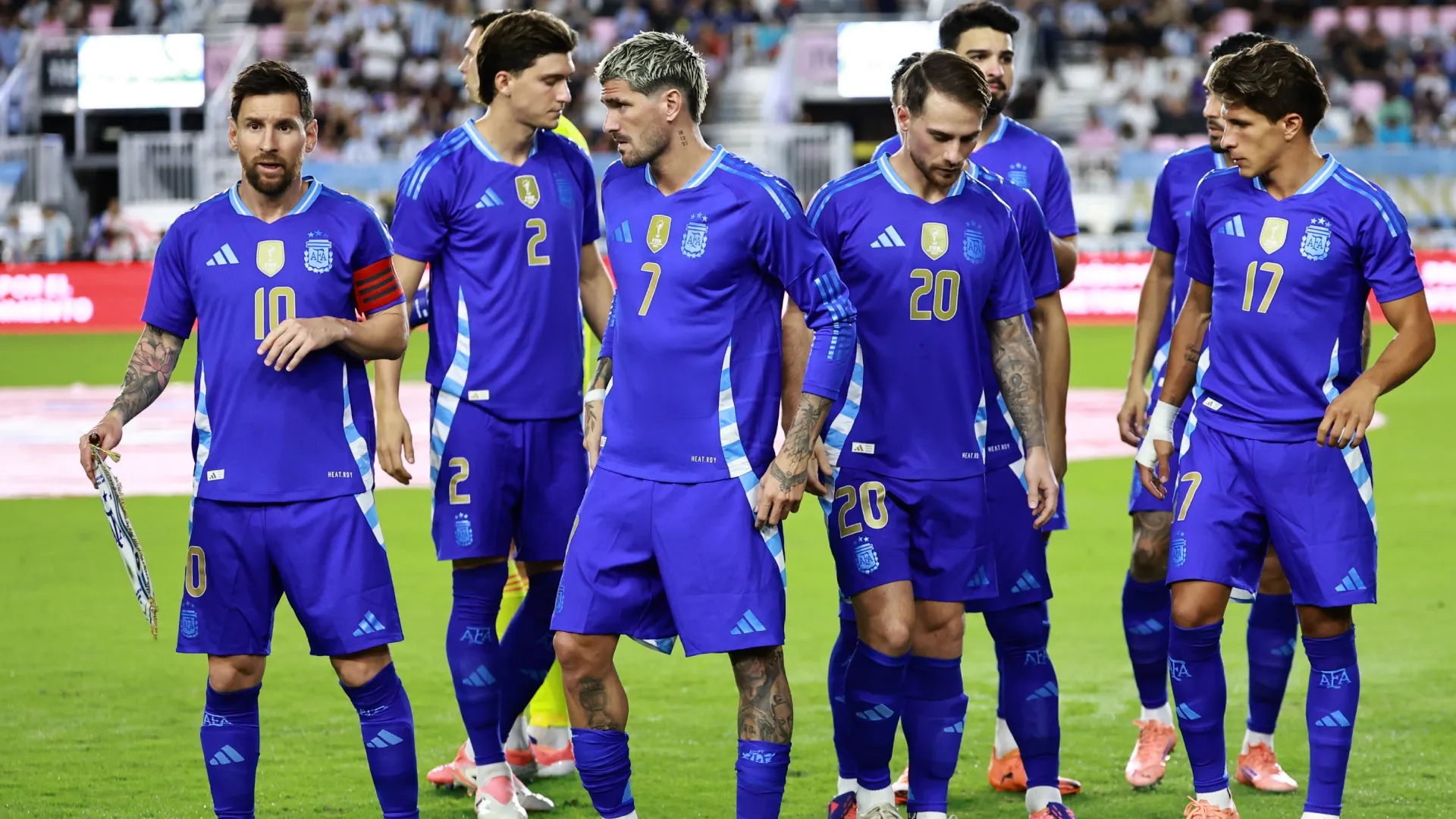
Lionel Messi and his teammates from Argentina before an International Friendly match in 2025. (Source: Carmen Mandato/Getty Images)
But what really matters for Argentina is the new “pathway” system. Under this design, the top four seeds are placed in separate halves of the bracket, ensuring that if they advance by winning their groups, they cannot face each other (or fellow top seeds) until at least the semifinals.
Thus Argentina’s route through the tournament is shaped not only by its group draw, but by a broader structural decision: the bracket is built to maximize balance and to postpone showdowns between heavyweights until the final rounds.
Why will Argentina and Spain not meet before the semifinals?
Argentina and Spain are kept apart until at least the semifinals due to how FIFA structured the draw for its expanded 48-team World Cup. Both teams are classified among the tournament’s top seeds based on their FIFA ranking, which places them on separate sides of the knockout bracket from the outset.
This system is designed to prevent the biggest contenders from eliminating each other too early. If they each win their groups, they are automatically locked into different knockout paths that only converge at the semifinal stage or later.
The rule is not about favoring specific nations, but about maintaining competitive balance across a much larger field. With 48 teams in play, FIFA opted for a structure that protects elite matchups for the later rounds — where the stakes, visibility and global impact are highest.
However, that separation is conditional. If either of them fails to top its group, the protective bracket positioning no longer applies, and an earlier showdown could suddenly become possible.