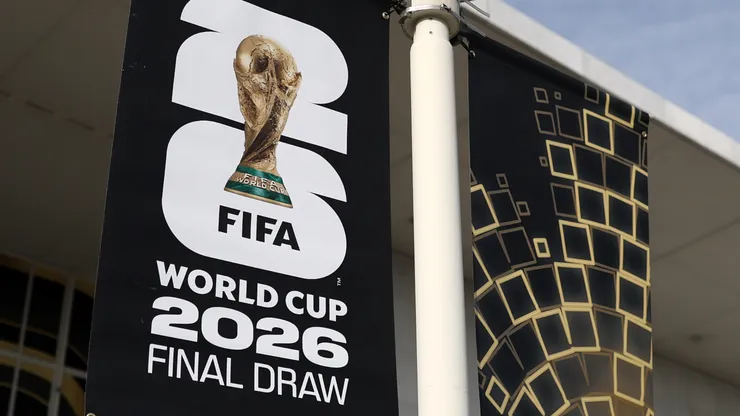
The 2026 FIFA World Cup draw will follow a structured system designed to organize 48 teams into 12 groups. Seeding, ranking, and tournament logistics are already shaping how the groups are formed long before the first match.
Behind the scenes, FIFA applies detailed rules to manage balance and competition. Geographic considerations, ranking-based pots and other constraints quietly influence how teams are assigned to each group.
While the draw may appear random on TV, these mechanisms set limits and patterns that determine potential matchups. What unfolds during the group stage is influenced as much by structure as by chance.
What are the draw rules for confederations at the 2026 World Cup?
For 2026, the draw will use four “pots” to distribute the 48 qualified teams — hosts plus top‑ranked nations down through lower‑ranked qualifiers. According to the official procedures, the basic principle is that teams from the same confederation should not be placed into the same group.
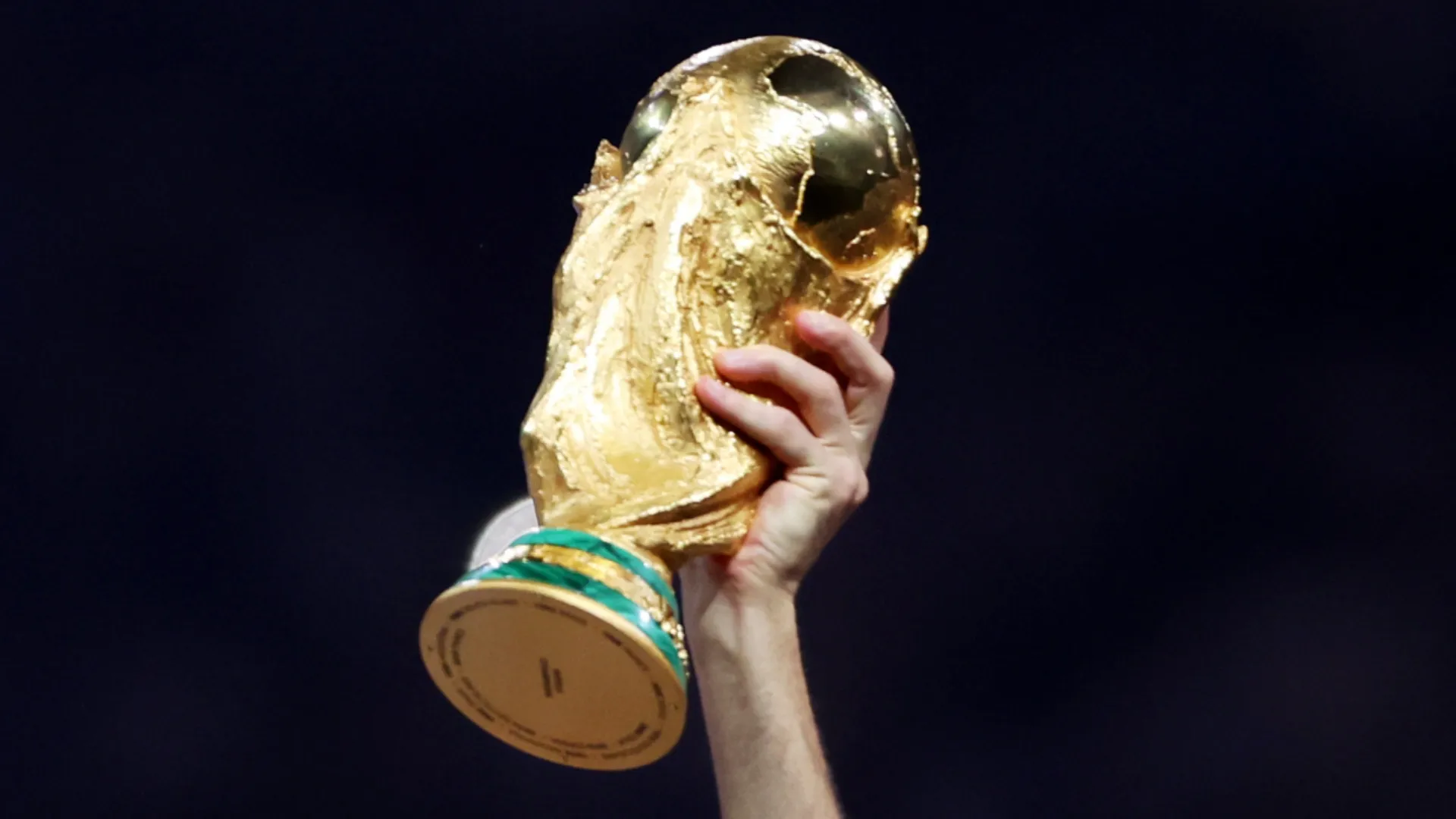
German Pezzella of Argentina lifts the FIFA World Cup Qatar 2022 Winner’s Trophy in 2022. (Source: Clive Brunskill/Getty Images)
However, there is a specific exception for European teams (UEFA). Because 16 European nations will qualify, the rules allow up to two UEFA teams per group, while for other confederations only one team per group is permitted.
How does the pot‑by‑pot draw mechanism support those confederation limits?
The 48 teams are divided across four pots before the draw: Pot 1 includes the three host countries and the nine highest‑ranked qualified teams; Pots 2–4 include the remaining qualified sides in descending order of ranking.
During the draw, one team from each pot is assigned to each group (Groups A through L). This way, immediate group composition respects both seeding and confederation balance.
Because the draw is sequential (Pot 1 – Pot 2 – Pot 3 – Pot 4), the confederation constraint is checked at each assignment — ensuring that, save for UEFA, no more than one team from a given confederation enters the same group.
What does this mean for group composition and variety in 2026?
Thanks to these restraints, the group stage should feature broad geographic mix — combining teams from different continents while limiting early “same‑region” clashes (outside of Europe). That helps avoid, for example, two South American teams in the same group, or two African sides together.
At the same time, the allowance for up to two European teams per group reflects UEFA’s large presence in the tournament, meaning some groups may still see European derbies, but global variety remains the default aim.
Overall, the design promotes both fairness and diversity: fans will likely see matchups across continents in the group stage, creating a truly global flavor before knockout rounds.