For the first time in its history, the FIFA World Cup is preparing to unfold on a scale never seen before. The 2026 edition promises a tournament that feels bigger, denser, and structurally different from anything that came before it.
Behind the scenes, the new format reshapes how the competition will breathe from its opening days. The way teams are distributed, how the calendar flows and how early drama builds will all follow a fresh competitive rhythm.
From the opening draw to the knockout rounds, the expanded design quietly alters every possible path to glory. What looks simple on paper carries deeper consequences for contenders navigating a World Cup built on new dimensions.
How many teams will compete at FIFA World Cup 2026?
The 2026 FIFA World Cup will be the largest edition in the tournament’s history, featuring 48 national teams, a significant expansion from the long-standing 32-team format. FIFA approved the change as part of its broader plan to increase global representation and competitive access.
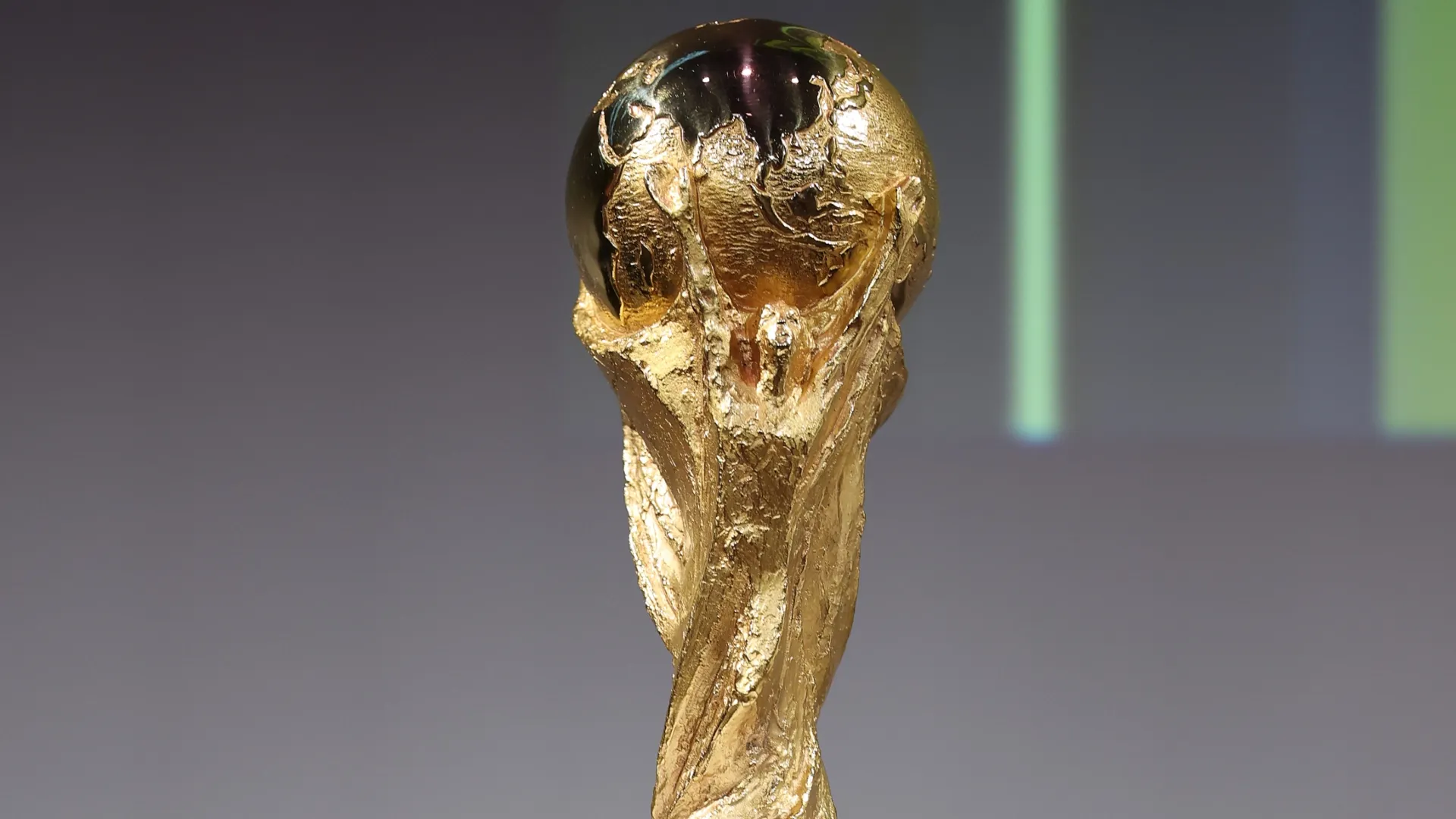
The FIFA World Cup trophy is displayed during a FIFA Legends Panel Discussion in 2025. (Source: Dan Mullan/Getty Images)
The new field opens the door for more countries from Africa, Asia and Concacaf, regions that had limited slots under previous formats. For many federations, 2026 will represent a rare chance to reach the sport’s biggest stage.
This historic expansion also brings logistical consequences. With three host nations — the United States, Mexico and Canada — the tournament will span more cities, more stadiums and a denser match schedule than any previous World Cup.
How will the teams be structured?
To accommodate 48 teams, FIFA confirmed that the group stage will feature 12 groups of four teams each, labeled Groups A through L. This structure preserves the traditional three-match group schedule for every team.
Originally, they considered 16 groups of three teams, but the idea was later abandoned due to concerns over competitive integrity and the risk of manipulated results in short group formats. The four-team group model was reinstated to maintain sporting balance.
Each team will play three group matches, ensuring that no side advances based on a single result. The design keeps the early phase familiar while adapting it to the expanded field.
What happens after the group stage in the new 2026 format?
The expanded tournament also reshapes the knockout phase. From the 12 groups, the top two teams in each group plus the eight best third-place finishers will advance, creating a 32-team knockout bracket.
This adjustment increases the total number of matches from the traditional 64 to 104 games across the full tournament. It also adds an extra elimination round, meaning champions will now need to survive one additional knockout match to lift the trophy.
For top contenders, the road to the final becomes longer and physically more demanding. For emerging teams, the new layout offers a wider window to survive the group stage and make history.