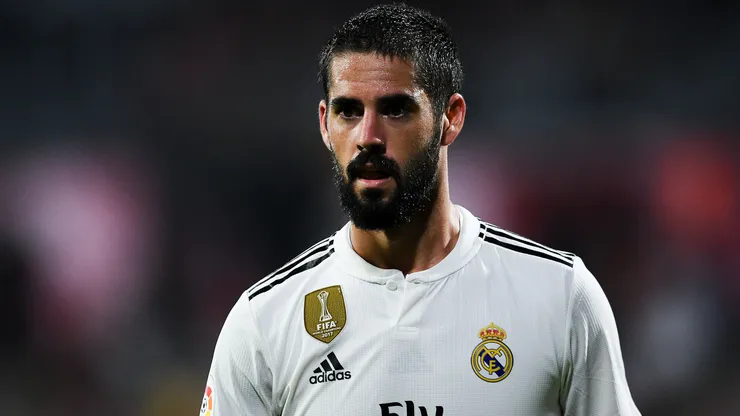
Few clubs in world soccer can match the star power of Real Madrid over the years—and few players have experienced both the highest highs and the lowest lows like Isco Alarcon.
The Spanish midfielder, now thriving at Real Betis, was once a pivotal figure at the Santiago Bernabeu. Between 2013 and 2022, Isco collected five UEFA Champions League titles and a long list of domestic and international trophies. In total, he played 253 games for Los Blancos. But despite that success, his exit from the club was anything but glamorous.
At just 30 years old, Isco departed Madrid with little fanfare. He had become a peripheral figure, barely featuring in his final season. In fact, during Madrid’s 2022 Champions League-winning campaign, he didn’t play a single minute in the competition. After watching the final from the bench, his time with the club quietly came to an end—and his words afterward made headlines.
Isco’s exit from Real Madrid
After a season of limited minutes—just 17 appearances across all competitions under manager Carlo Ancelotti—Isco left Madrid as a free agent, choosing not to renew his deal. Not long after, he opened up about his frustrations and pointed criticism toward his lack of playing time.
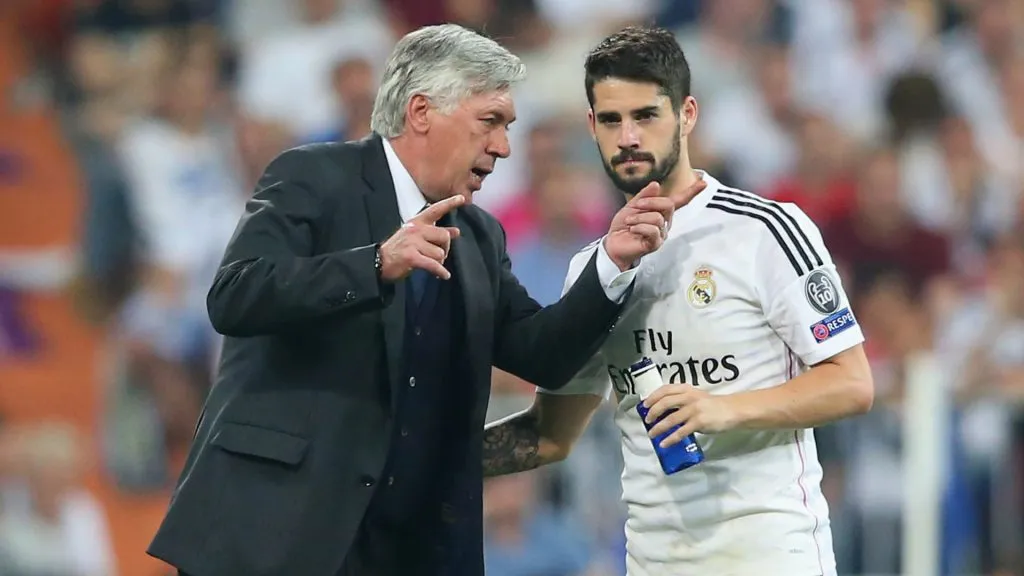
Carlo Ancelotti the coach of Real Madrid CF talks with Isco during the UEFA Champions League match against Juventus. (Alex Livesey/Getty Images)
“I was there for many years, I was happy. But things happened with coaches—no matter what I did, I wasn’t going to play,” Isco told France Football in 2023. “I wasn’t mentally prepared. There were moments when instead of pushing harder, I let myself go. They made it clear to me that, regardless of what I did, I wouldn’t get minutes”.
“I should have left Madrid earlier, because I felt I didn’t belong there anymore. But making that decision—leaving the best club in the world—isn’t easy. Choosing the right moment to walk away is even harder. Those are decisions you live with forever,” he added.
A candid mea culpa
Now enjoying a resurgence at Betis, Isco has taken full accountability for the downturn he experienced toward the end of his Madrid tenure. “Some coaches value you more than others. That’s soccer,” he said. “After a while, everything became harder for me in Madrid”.
Isco also revealed that it took support from his family—and professional therapy—for him to regain his love for the game. “When you’re not in the right place mentally, it shows in your game. I was going through a rough patch both professionally and personally. I didn’t know how to get back on track. The only one responsible for my failure is me,” he admitted.