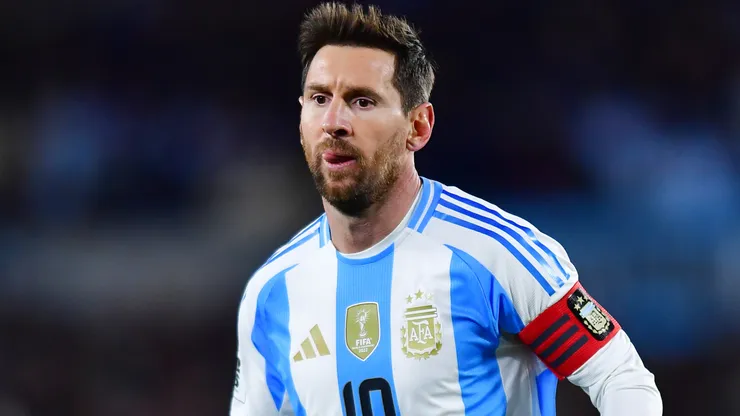
Lionel Messi’s Argentina schedule leading up to the 2026 World Cup is beginning to take shape. On Friday, March 27, they will face Spain in the Finalissima at the Lusail Iconic Stadium in Doha. Meanwhile, on Monday the 30th or Tuesday the 31st, to make the most of their stay in the Middle Eastern country, they would be taking on Qatar.
In June, during the FIFA window running from the 1st to the 9th (two days before the opening match between Mexico and South Africa at the Estadio Azteca), the squad led by Lionel Scaloni would be facing Mexico first and then Honduras in the United States.
According to reports from TyC Sports, Argentina would clash with Mexico in Las Vegas, while the match against Honduras would take place at Hard Rock Stadium in Miami. Afterward, they would head to Kansas City, where they will play Algeria on June 16 for Matchday 1 of Group J in the 2026 World Cup.
Additionally, the AFA’s current plan for Lionel Scaloni’s side is to remain based in Kansas throughout the entire Group Stage. Consequently, they would only travel to Dallas for their matches against Austria on Monday, June 22, and Jordan on Tuesday the 27th of the same month.
Subsequently, if the Albiceleste’s results go as expected, they will have to visit Miami for the Round of 32 matchup at Hard Rock Stadium against the runner-up of Group H, which is comprised of Spain, Uruguay, Saudi Arabia, and Cape Verde.
FIFA to revamp international calendar
FIFA will change the international match calendar format following the 2026 World Cup, where the schedule will now feature at least one window lasting 16 days.
In this way, national teams will be able to play up to a maximum of four matches, instead of two as has been the case until now. The first time this situation will occur will be between September 21 and October 6 of next year.
This change is designed to benefit player welfare by reducing the number of long-haul flights required during the early stages of the European and South American seasons. The November and March windows are expected to remain in the traditional two-match, nine-day format.