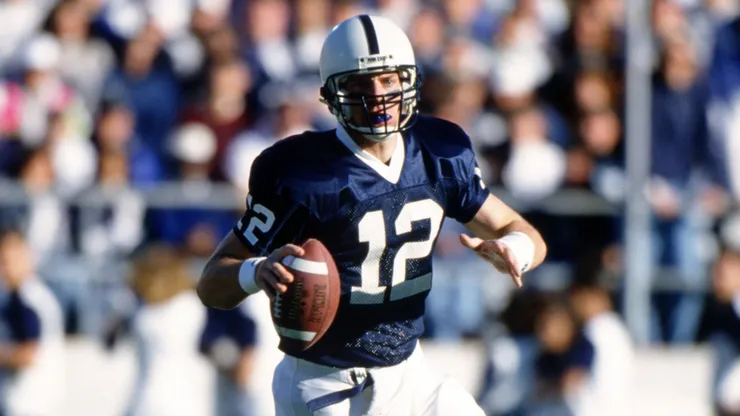
From the roar of Beaver Stadium to decades of gridiron battles, Penn State’s story is one of tradition, resilience, and iconic names. The Nittany Lions have produced athletes whose legacies stretch far beyond State College.
Generations of stars have carried the blue and white through unforgettable Saturdays. Some rewrote record books, others became defensive anchors, and many turned their college glory into professional stardom.
Together, these players form the backbone of a proud legacy. Each name represents a moment, an era, or a standard of excellence that defines Penn State college football. Their impact continues to shape the identity of the program.
Jack Ham
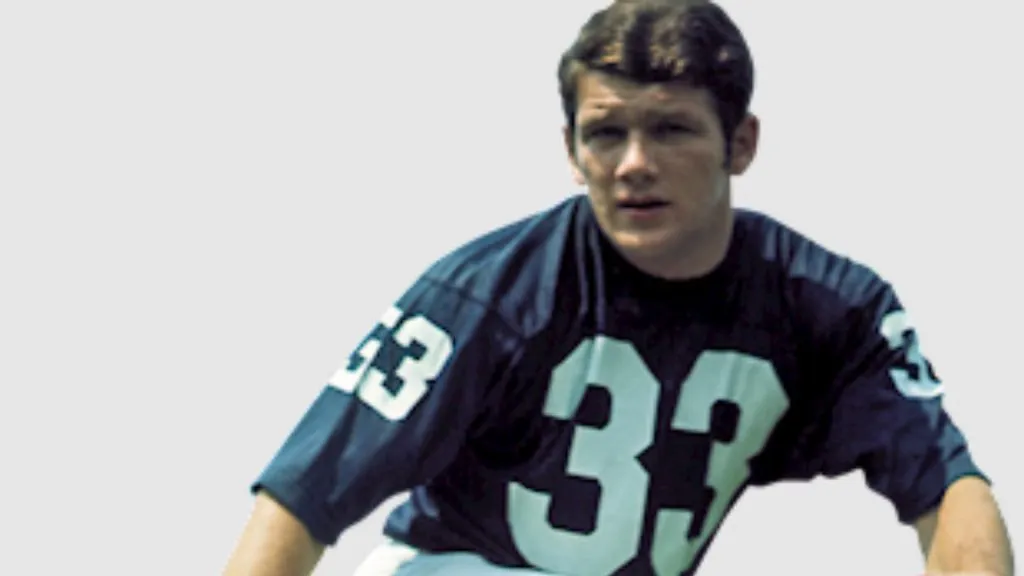
Jack Ham (Source: College Football Hall of Fame)
Jack Ham’s journey from Penn State’s last scholarship recipient in 1967 to one of the program’s most revered figures reads like a football fable. By the time he became a starter in 1968, he had transformed into the sharp, instinctive anchor of a defense that powered back-to-back undefeated seasons.
His senior year was a showcase of versatility, piling up 91 tackles, four interceptions, and a school record three blocked punts, achievements that earned him All-America honors and set the tone for Penn State’s emergence as “Linebacker U”.
His NFL career with the Pittsburgh Steelers only amplified that reputation: four Super Bowl rings, eight Pro Bowls, and induction into both the Pro and College Football Hall of Fame, achievements that made him a model of excellence on every level. Even decades later, his devotion to Penn State endured, most notably when he returned in 2017 to present the university with its official Pro Football Hall of Fame designation.
Kerry Collins
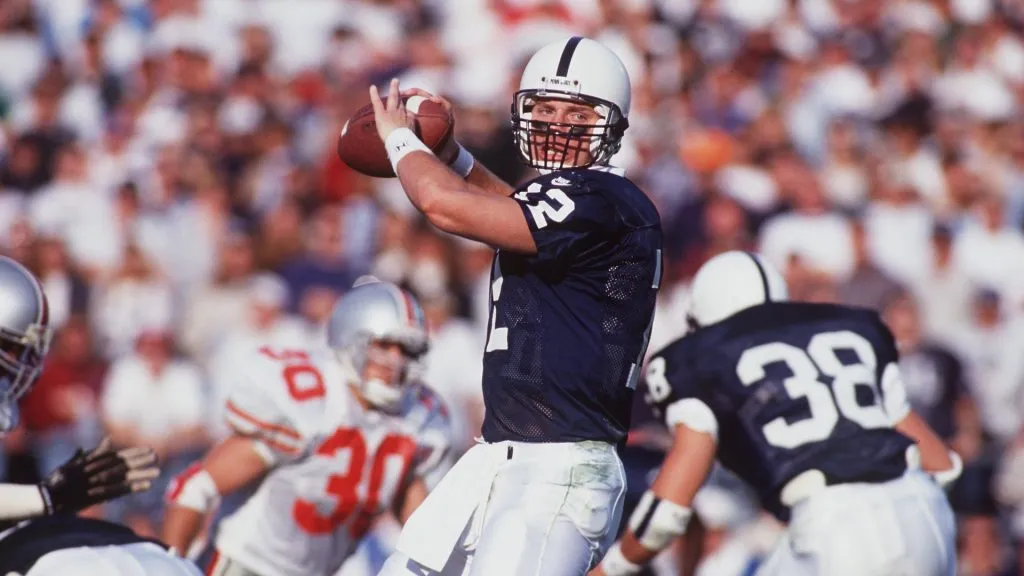
Kerry Collins (Source: Doug Pensinger/Allsport)
When Kerry Collins took the field in 1994, Penn State football was about to unleash one of the most electrifying offenses in college history, and he was the maestro at the center. His calm command and laser-accurate arm fueled an attack that averaged nearly 48 points and over 520 yards per game, producing a flawless 12-0 season, the program’s first Big Ten title, and a resounding Rose Bowl victory.
Along the way, he rewrote nine school records, completed 66.7 percent of his passes for 2,679 yards and 21 touchdowns, and earned the Maxwell Award, the Davey O’Brien Award, and consensus All-America recognition while finishing top-four in Heisman voting.
His induction into the College Football Hall of Fame in 2018 was less a coronation than a reminder: His brilliance wasn’t just about numbers, but about setting an offensive standard that still echoes through Penn State’s legacy.
Dave Robinson
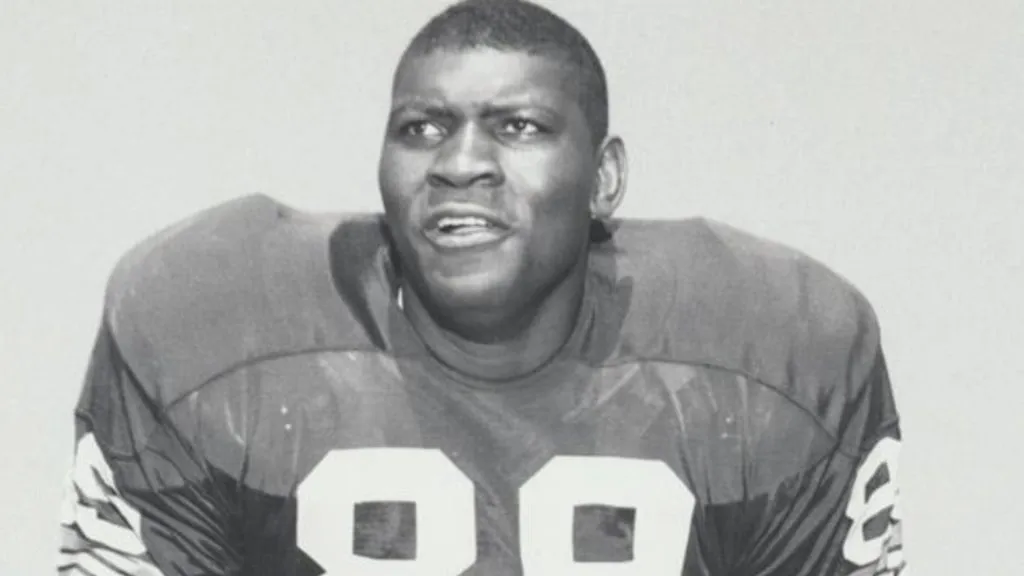
Dave Robinson (Source: Penn State)
Before Penn State’s reputation as “Linebacker U” became canon, Dave Robinson embodied the prototype that would define generations. A dominant presence from 1960 to 1962, his blend of size, speed, and intelligence made him an All-American and the heartbeat of teams that compiled a 24-8 record under Rip Engle and Joe Paterno.
His senior campaign earned him regional Player of the Year honors and national acclaim, setting the stage for a decorated professional career with Vince Lombardi’s Green Bay Packers, where he became a three-time NFL champion, two-time Super Bowl winner, and member of the NFL’s 1960s All-Decade Team.
With 27 interceptions and three Pro Bowl selections over 12 seasons, his NFL résumé was capped by induction into the College Football Hall of Fame in 1997 and the Pro Football Hall of Fame in 2013. Yet in his Hall speech, he made clear that his greatness was rooted in Happy Valley, crediting Engle and Paterno for shaping raw potential into Hall of Fame mastery.
Courtney Brown
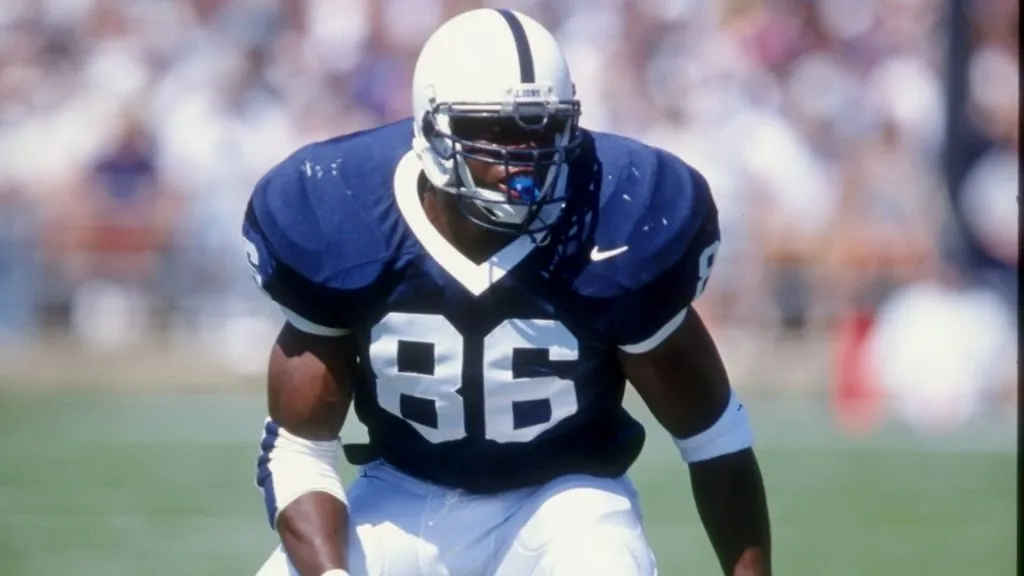
Courtney Brown (Source: Getty Images)
In the annals of Penn State football, few names resonate as powerfully as Courtney Brown. A defensive end whose college career was marked by relentless pursuit and unmatched tenacity, he set an NCAA record with 33 quarterback sacks and 70 tackles for loss, solidifying his status as a defensive juggernaut.
His exceptional performance at Penn State propelled him to the top of the 2000 NFL Draft, where he was selected first overall by the Cleveland Browns. Despite facing challenges in the NFL, including injuries that limited his playing time, his college legacy remains a testament to his dominance and impact on the game.
Lydell Mitchell
Lydell Mitchell (Source: Penn State)
Lydell Mitchell‘s journey to Penn State was unconventional, yet his impact on the field was undeniable. Initially hesitant about joining the Nittany Lions, his decision to commit to Penn State in 1968 proved to be a pivotal moment in the program’s history.
As a running back, he showcased exceptional vision, agility, and determination, becoming a cornerstone of the team’s offense. His contributions were instrumental in Penn State’s rise to prominence during his tenure, leaving an indelible mark on the program’s legacy.
LaVar Arrington
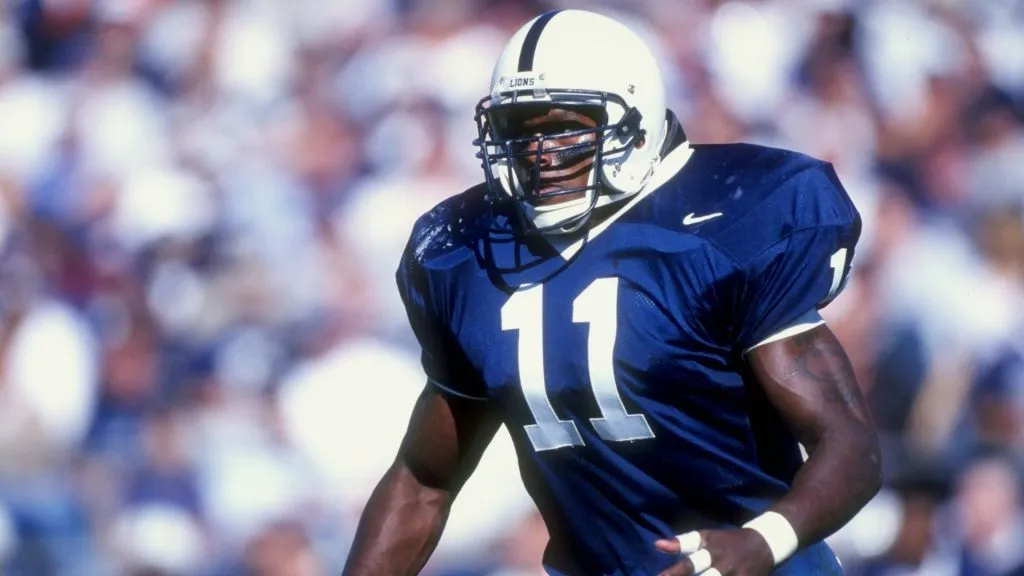
La Var Arrington (Source: Getty Images)
LaVar Arrington‘s presence on the field was nothing short of electrifying. As a linebacker at Penn State, he embodied the essence of a playmaker—aggressive, fast, and relentless. His ability to disrupt offenses and change the course of games earned him consensus All-American honors and a reputation as one of the most formidable defenders in college football. His legacy at Penn State set the stage for a successful NFL career, where he continued to be a dominant force, further cementing his status as a football icon.
Shane Conlan
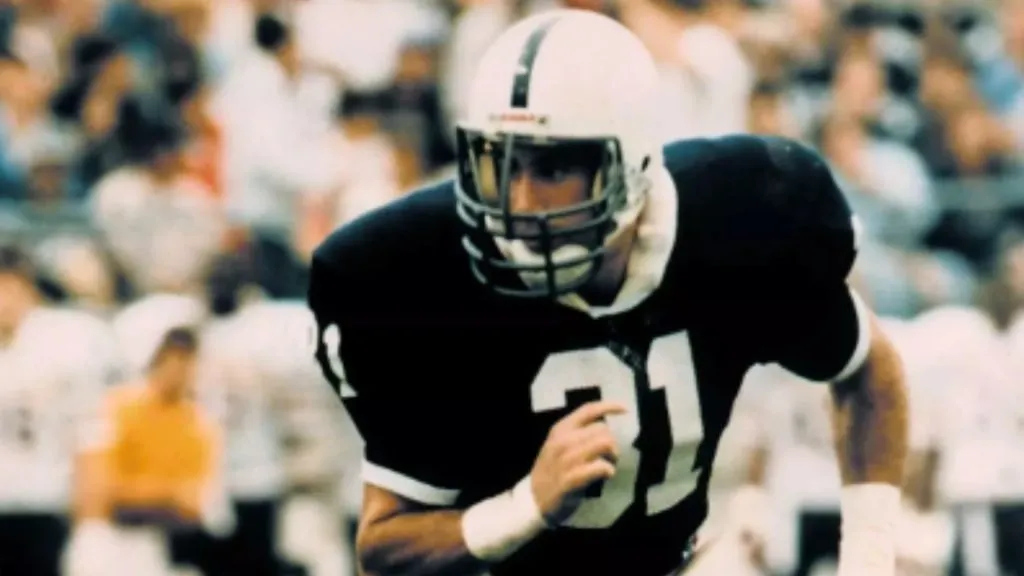
Shane Conlan (Source: Penn State Athletics)
Shane Conlan‘s tenure at Penn State was marked by his leadership and defensive prowess. As a linebacker, his ability to read plays and his physicality made him a standout performer. His contributions were instrumental in the Nittany Lions’ defensive strategies, and his performances on the field earned him recognition as one of the program’s top players. His impact extended beyond his college years, as he went on to have a successful professional career, further solidifying his legacy in the football world.
Franco Harris
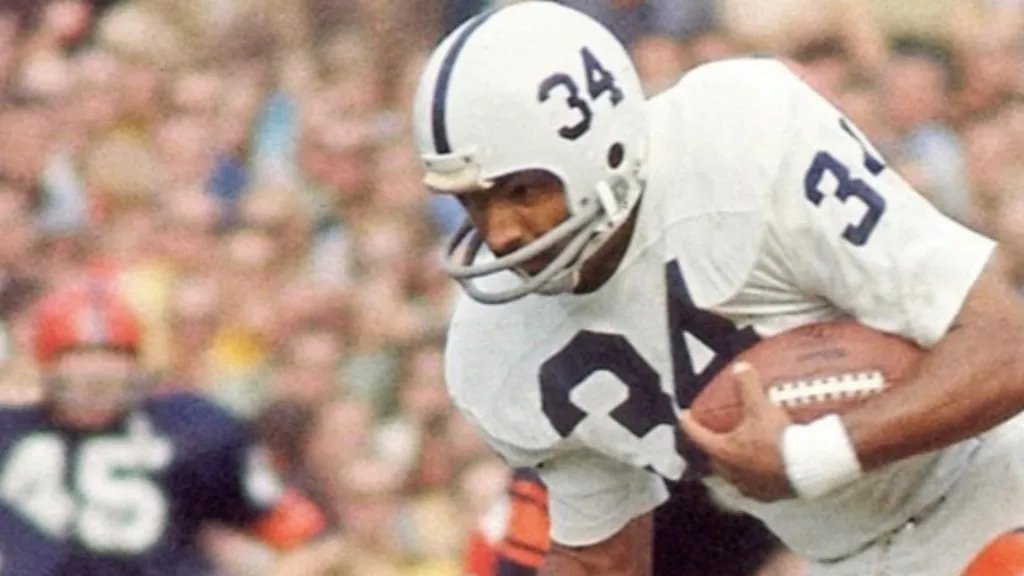
Franco Harris (Source: Penn State)
Franco Harris‘ legacy at Penn State laid the foundation for a legendary NFL career. As a running back, his powerful running style and ability to break tackles were evident during his time with the Nittany Lions.
His college performances set the stage for his future success, including his iconic “Immaculate Reception” in the NFL, which solidified his status as one of football’s greats. His impact on the field, both at the collegiate and professional levels, has left an enduring mark on the sport.
Matt Millen
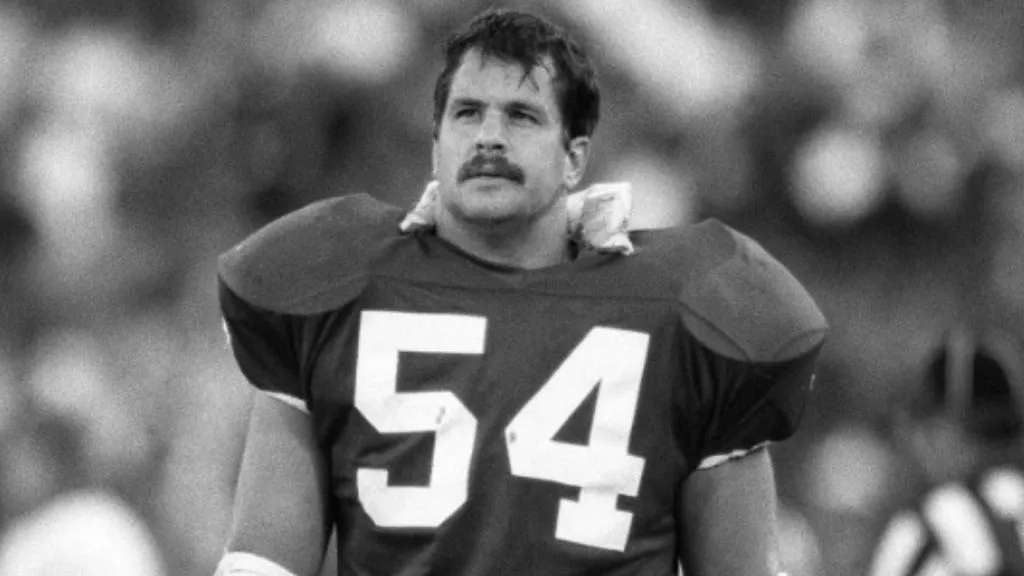
Matt Millen (Source: NFL)
Matt Millen‘s versatility and leadership on the field were hallmarks of his time at Penn State. Playing both defensive line and linebacker, his adaptability and football IQ made him a key figure in the Nittany Lions’ defensive schemes.
His contributions were recognized at the professional level, where he achieved success with multiple NFL teams, further cementing his legacy. His impact on the game extended beyond his playing days, as he transitioned into broadcasting and executive roles, influencing the sport in various capacities.
Curt Warner
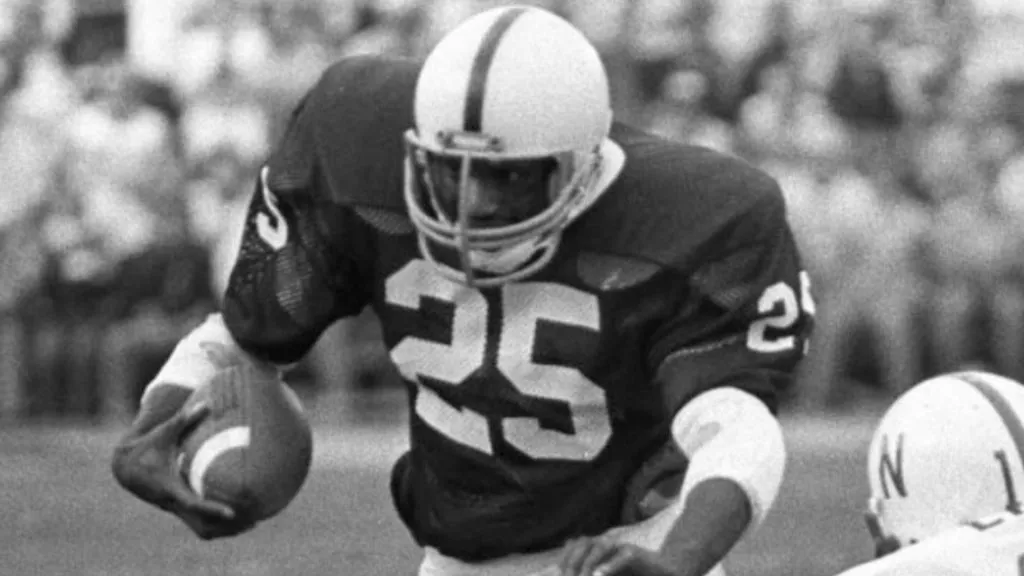
Curt Warner (Source: Penn State)
Curt Warner‘s explosive running style and consistent performance were defining features of his career at Penn State. Leading the Nittany Lions in rushing for three consecutive seasons, his ability to gain significant yardage and his scoring prowess made him a standout player.
His college success translated into a productive NFL career, where he continued to showcase his talents on a larger stage. His contributions to the game have left an indelible mark, solidifying his place among the greats in football history.
Larry Johnson
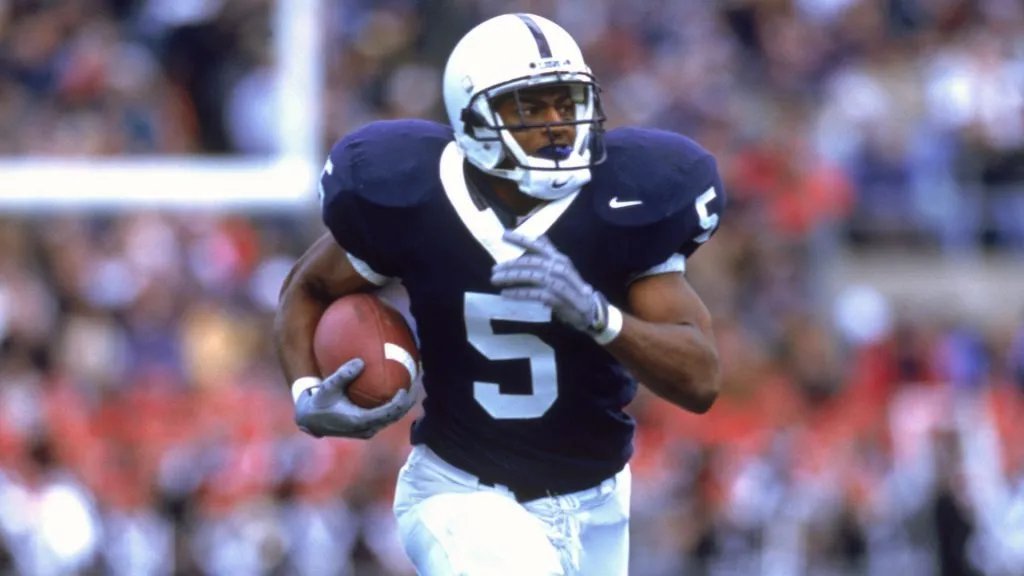
Larry Johnson (Source: Jamie Squire/Allsport)
Larry Johnson‘s legacy at Penn State is defined by his explosive performances and record-breaking achievements. In the 2002 season, he set a school record with 2,087 rushing yards and 20 touchdowns, earning consensus All-American honors and finishing third in the Heisman Trophy voting.
His remarkable college career led to a first-round selection in the 2003 NFL Draft by the Kansas City Chiefs. In the NFL, he continued to showcase his talents, becoming one of the league’s premier running backs. His time at Penn State remains a high point in the program’s storied history.
Ki-Jana Carter
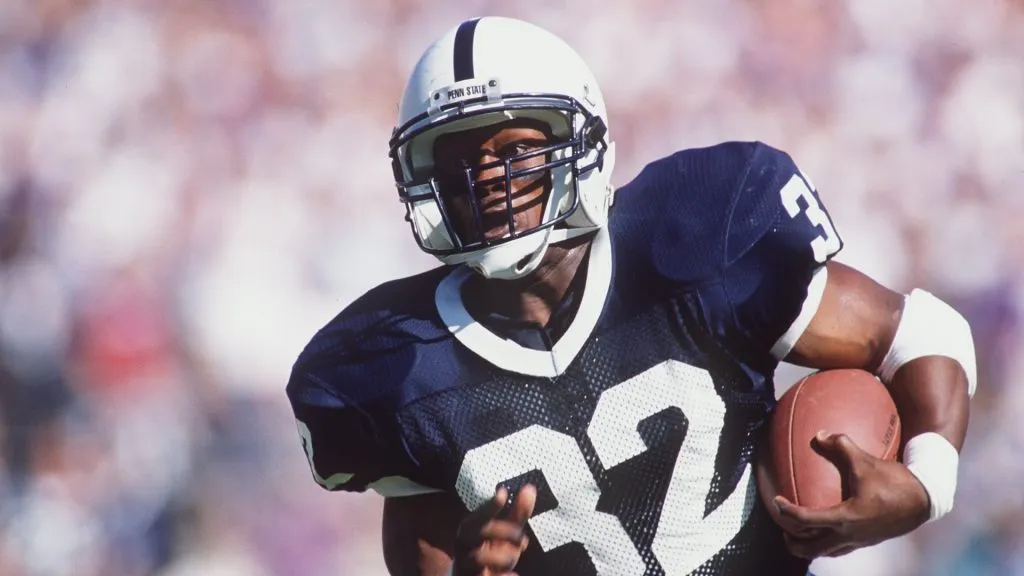
Ki-Jana Carter (Source: Getty Images)
Ki-Jana Carter‘s time at Penn State was marked by his dynamic running ability and game-changing performances. In the 1994 season, he rushed for 1,539 yards and 23 touchdowns, leading the Nittany Lions to an undefeated season and a Rose Bowl victory. His exceptional performance earned him consensus All-American honors and a second-place finish in the Heisman Trophy voting.
His college success propelled him to the first overall pick in the 1995 NFL Draft by the Cincinnati Bengals. While his professional career was hampered by injuries, his college achievements solidified his place among Penn State’s all-time greats.
John Cappelletti
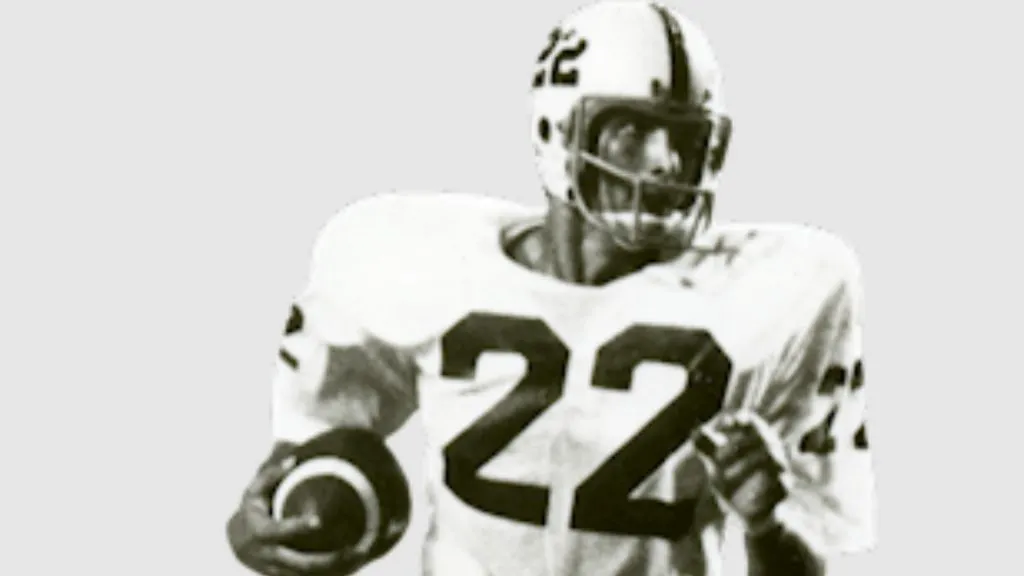
John Cappelletti (Source: College Football Hall of Fame)
John Cappelletti‘s Heisman Trophy-winning season in 1973 remains one of the most memorable in Penn State history. In that year, he rushed for 1,522 yards and 17 touchdowns, leading the Nittany Lions to an undefeated season and a national championship.
His emotional Heisman acceptance speech, dedicated to his dying brother Joey, captivated the nation and added a deeply personal touch to his athletic achievements. His legacy extends beyond his on-field success, as he became a symbol of perseverance and dedication.
Mike Munchak
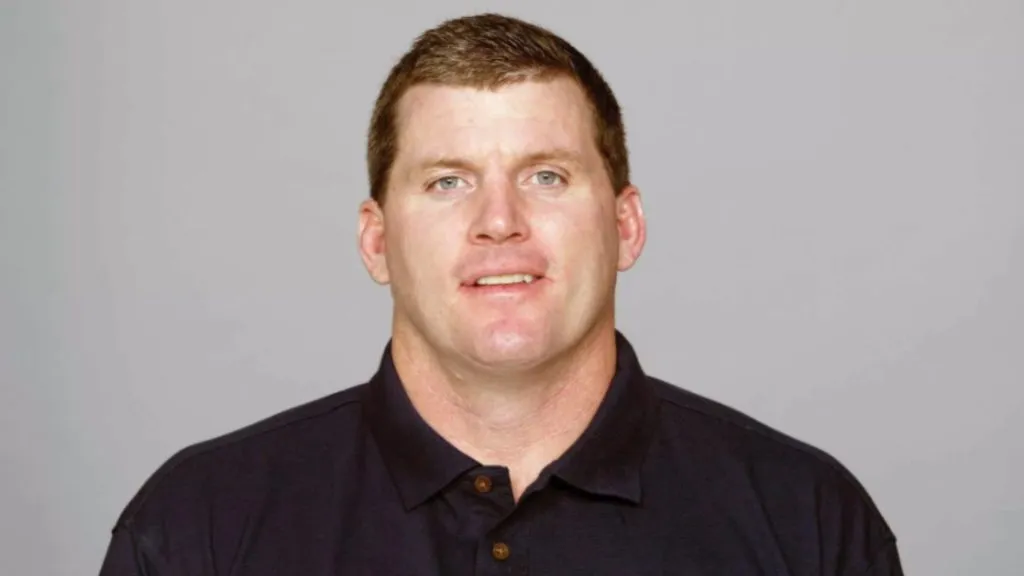
Mike Munchak (Source: Penn State Athletics)
Mike Munchak‘s impact on Penn State football was felt both on and off the field. As an offensive lineman, he was known for his exceptional technique and leadership, earning consensus All-American honors in 1981.
His college success translated into a stellar 12-year NFL career with the Houston Oilers, where he was selected to nine Pro Bowls. Inducted into the Pro Football Hall of Fame in 2001, his legacy is a testament to his skill, work ethic, and dedication to the game.
Ted Kwalick
Ted Kwalick (Source: Penn State)
Ted Kwalick was a trailblazer for tight ends, setting the standard for future generations. A two-time All-American in 1967 and 1968, he was known for his exceptional hands and ability to stretch the field.
He set school records for tight ends with 86 receptions for 1,343 yards and 10 touchdowns. His versatility and athleticism helped redefine the tight end position, and his contributions were instrumental in Penn State’s success during his tenure.
Dennis Onkotz
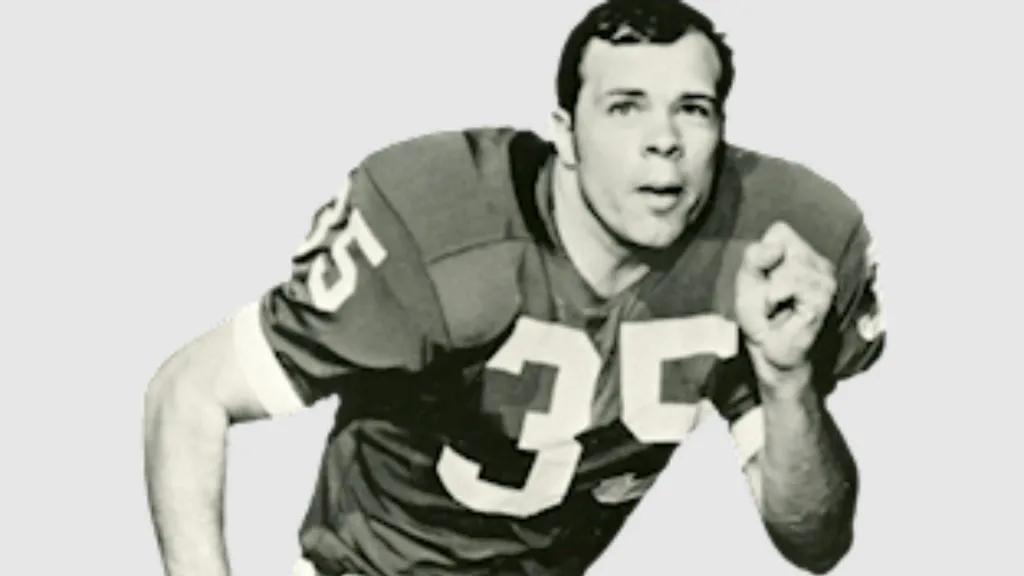
Dennis Onkotz (Source: College Football Hall of Fame)
Dennis Onkotz‘s tenure at Penn State was marked by his versatility and playmaking ability. As a linebacker, he led the team in tackles in both 1968 and 1969, amassing 287 career tackles and 11 interceptions, a school record for a linebacker.
His three interception returns for touchdowns remain a Penn State career record. His contributions were instrumental in the Nittany Lions’ success during his time, and his legacy continues to inspire future generations.
Dan Connor
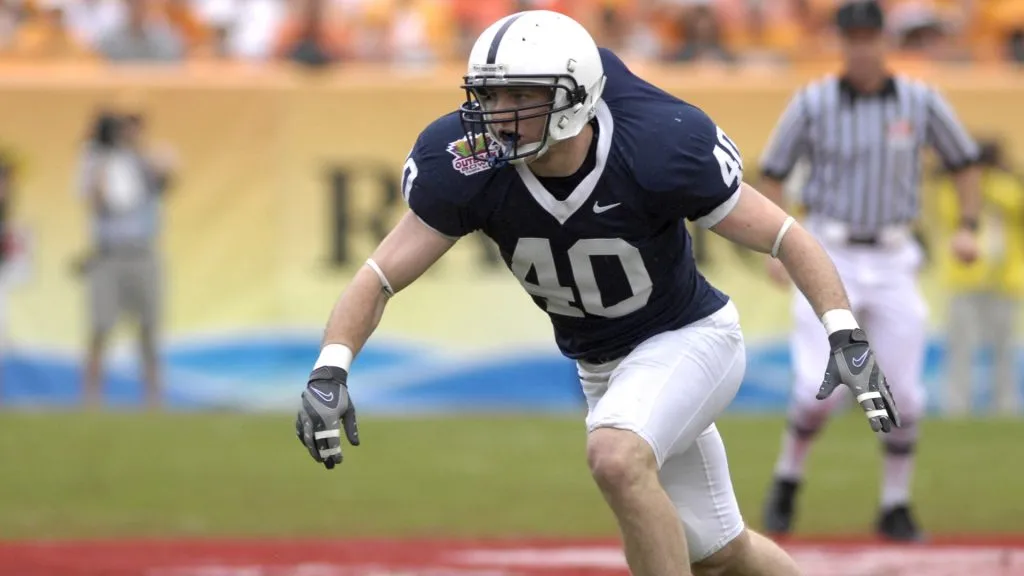
Dan Connor (Source: A. Messerschmidt/Getty Images)
Dan Connor‘s consistency and leadership were hallmarks of his career at Penn State. A two-time All-American, he set a school record with 216 career tackles and was known for his ability to read offenses and make crucial stops.
His dedication to the game and his teammates earned him respect both on and off the field. His impact on the program is evident in the continued success of the Nittany Lions’ defense.
Michael Robinson
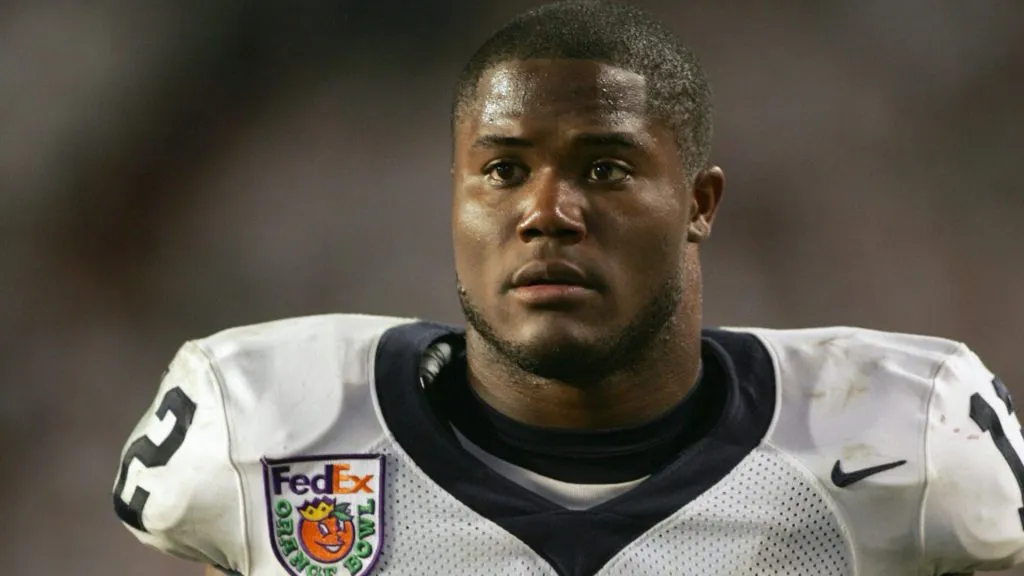
Michael Robinson (Source: Doug Benc/Getty Images)
Michael Robinson‘s versatility and leadership were key to Penn State’s success in the mid-2000s. A quarterback, running back, and wide receiver, his ability to excel in multiple roles made him a dynamic threat on the field.
In 2005, he led the Nittany Lions to a Big Ten championship and a victory in the Orange Bowl, earning MVP honors. His leadership and adaptability were instrumental in Penn State’s resurgence during that period.
Glenn Ressler
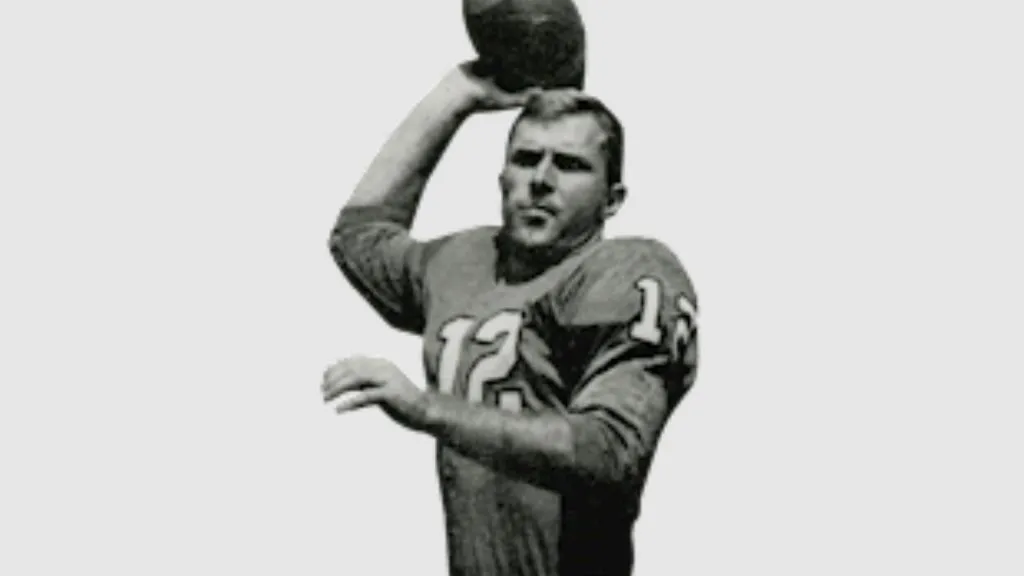
Glenn Ressler (Source: Live Penn)
Glenn Ressler was the unshakable anchor of Penn State’s offensive line in the late 1960s, a player whose precision and consistency allowed the Nittany Lions’ offense to thrive. His dominance at guard earned him consensus All-American honors in 1968, and his leadership helped set the standard for linemen that followed. His professional career with the Baltimore Colts reflected the same grit and technical mastery, cementing him as a figure whose contributions quietly but profoundly shaped Penn State football history.
Bobby Engram
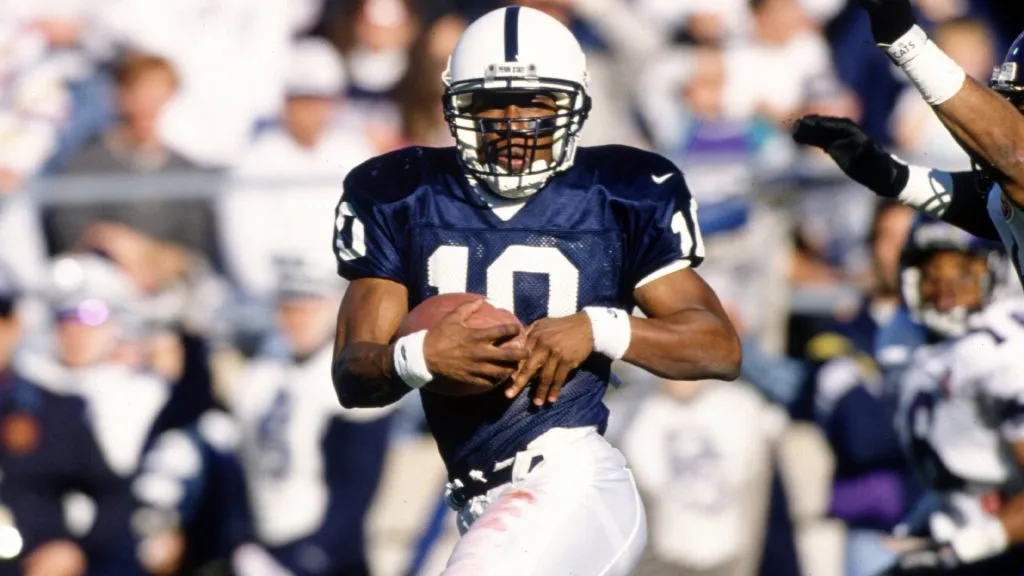
Bobby Engram (Source: Getty Images)
Speed, hands, and reliability defined Bobby Engram’s time at Penn State. As a wide receiver and return specialist, Engram became a nightmare for opposing defenses, regularly turning short passes into long gains and producing game-changing plays.
His career totals of over 2,800 receiving yards and 25 touchdowns earned him All-American recognition and a first-round selection in the NFL Draft. His blend of consistency and explosiveness made him a signature talent of the late 1990s Nittany Lions squads.
Blair Thomas
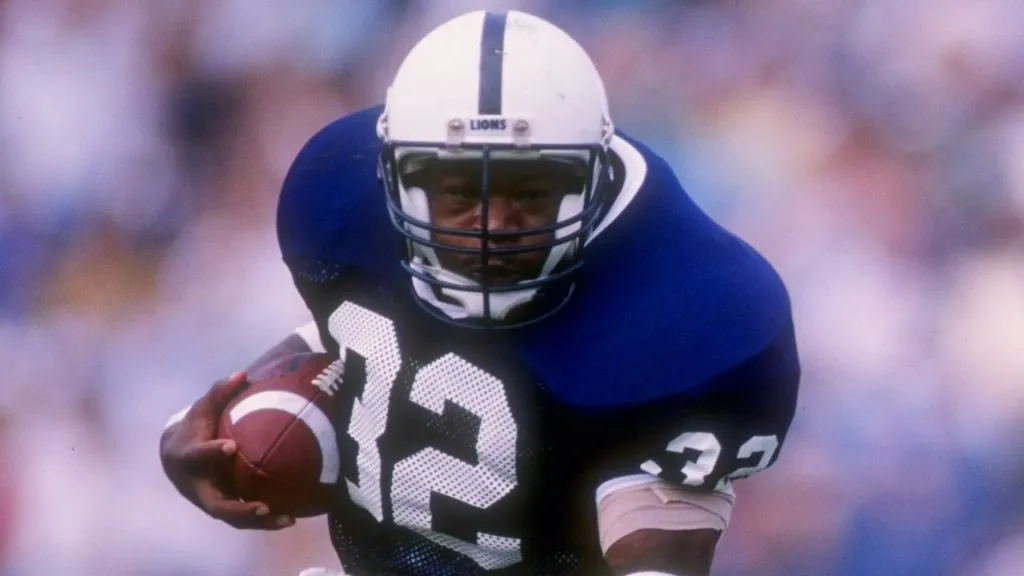
Blair Thomas (Source: Getty Images)
Blair Thomas burst onto the Penn State scene as a running back whose combination of speed, power, and field vision electrified fans. In 1990, he rushed for over 1,500 yards and scored 20 touchdowns, earning first-team All-American honors and a top-5 finish in Heisman voting.
His flair for big plays, from long touchdown runs to crucial third-down conversions, symbolized the high-octane offense that defined Penn State football during his era, leaving an enduring mark on the program.
Todd Blackledge
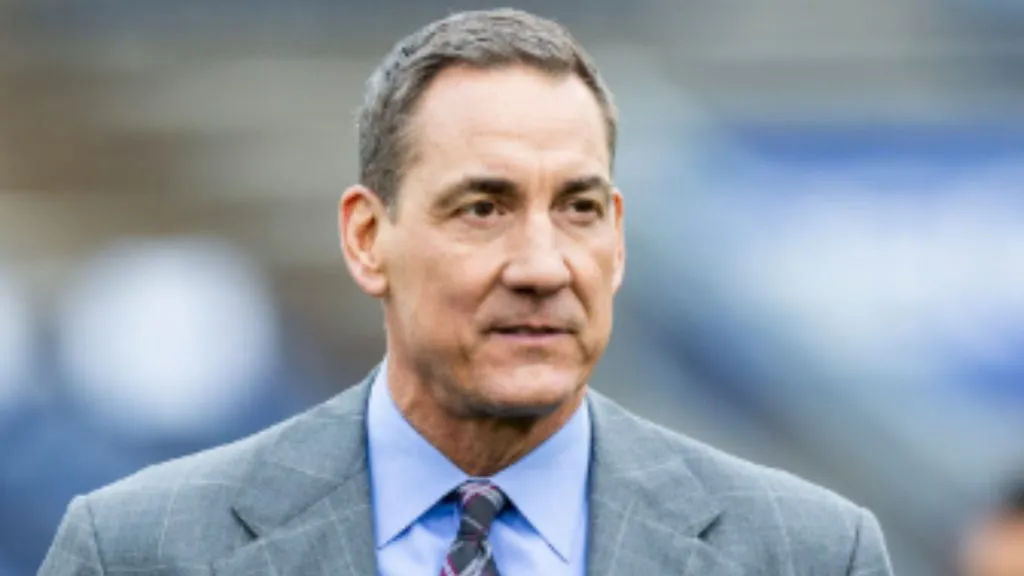
Todd Blackledge (Source: Live Penn)
When Todd Blackledge took the field in the mid-1980s, he brought poise and strategic intelligence to the quarterback position. Leading the Nittany Lions’ offense with precision passing and calculated decision-making, he became a consensus All-American in 1982 and guided Penn State to multiple bowl victories.
His NFL career with the Kansas City Chiefs reflected the same leadership and football IQ that made him a standout figure in college football, and his post-playing career as a broadcaster further amplified his influence.
Levi Brown
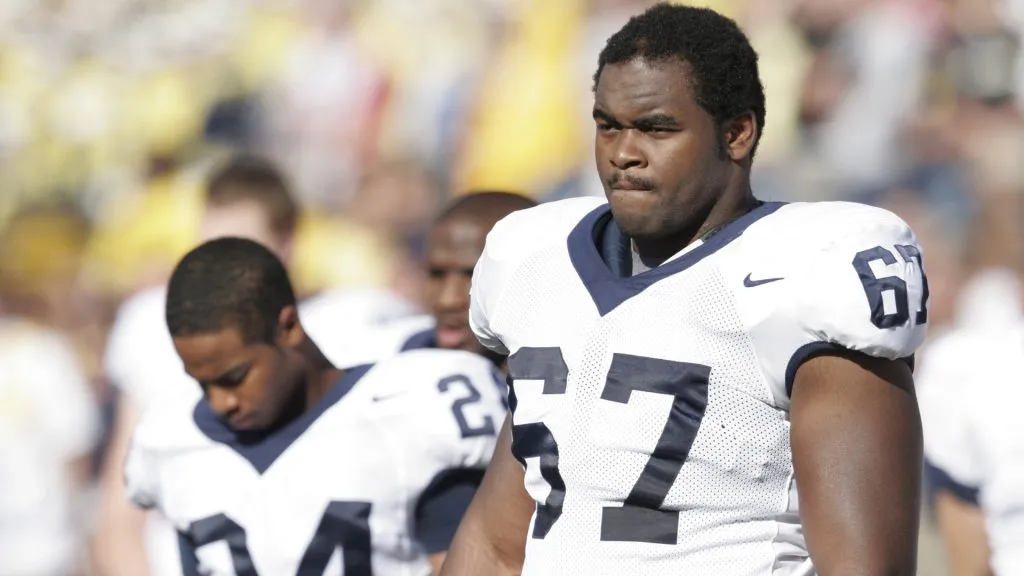
Levi Brown (Source: Tom Pidgeon/Getty Images)
Levi Brown anchored Penn State’s offensive line with both strength and technical skill, protecting quarterbacks and opening running lanes with unwavering consistency. A first-team All-American in 2003, his precise blocking and leadership helped pave the way for multiple successful offensive campaigns.
Drafted fifth overall in the 2007 NFL Draft, he translated his college dominance to the professional stage, ensuring his legacy as one of the Nittany Lions’ most reliable and accomplished linemen.
Alan Zemaitis
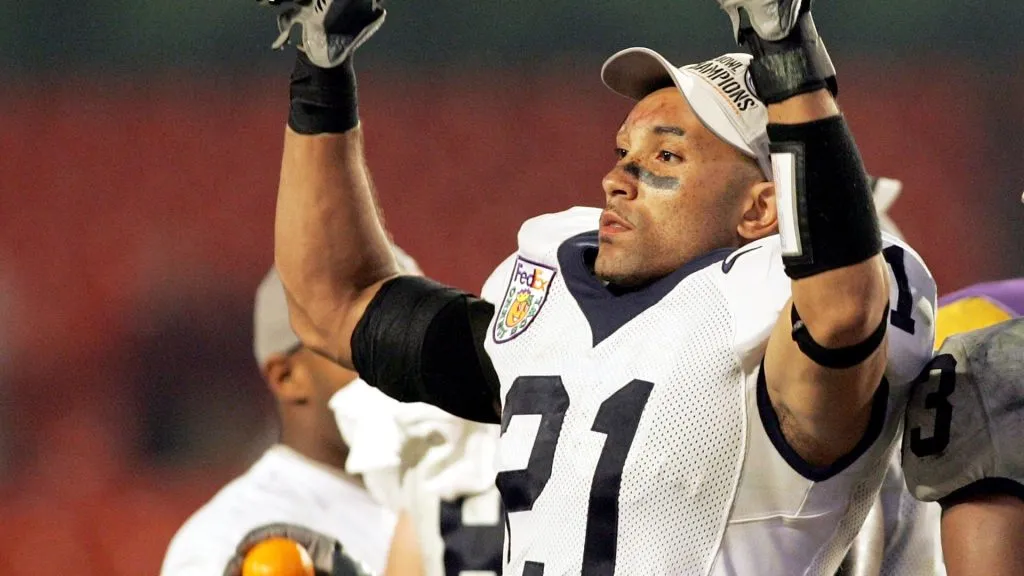
Alan Zemaitis (Source: Doug Benc/Getty Images)
Alan Zemaitis patrolled Penn State’s secondary with intelligence, anticipation, and agility, quickly becoming one of the most feared cornerbacks in the Big Ten. Known for his ball-hawking skills, he accumulated 18 career interceptions and scored multiple defensive touchdowns.
His All-American recognition and key plays in crucial games highlighted his knack for rising to the occasion, making him a cornerstone of the Lions’ defensive success in the early 2000s.
Evan Royster
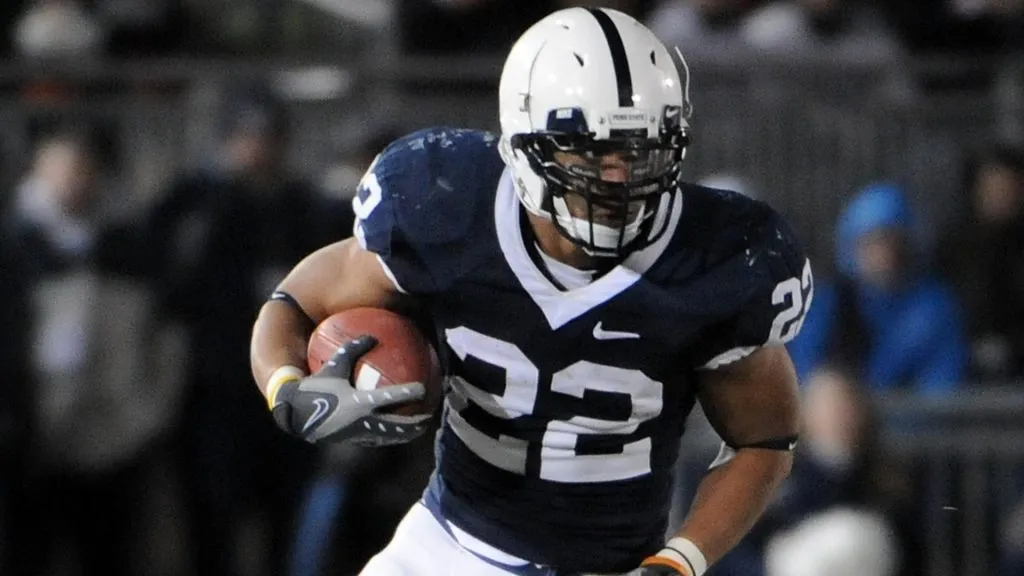
Evan Royster (Source: Joe Sargent/Getty Images)
Evan Royster embodied consistency and versatility at running back, combining power with patience in his running style. Over his career, he became Penn State’s all-time leading rusher at the time, surpassing 3,700 yards and scoring 29 touchdowns.
His ability to grind out tough yards, contribute in the passing game, and lead by example made him a dependable and respected figure, representing the hardworking spirit of the Nittany Lions and closing the list of the program’s 25 best players with distinction.