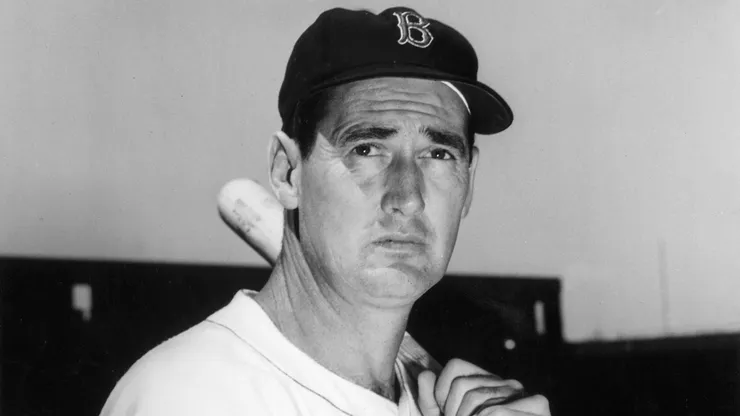
The Red Sox have seen legends come and go, yet few ballparks carry the same aura as Fenway. Over the decades, Boston’s greatest players have left marks that turned games into stories and moments into part of baseball’s collective memory.
From power hitters who redefined the swing to pitchers whose arms carried entire seasons, they have been built on a foundation of greatness. Each era has brought figures who not only played, but shaped the team’s identity.
These names live on beyond the scoreboard, etched in Boston’s history with every cheer and every echo from the Green Monster. This list captures those who stood tallest, the 25 MLB players who became true legends of Fenway Park.
Roger Clemens
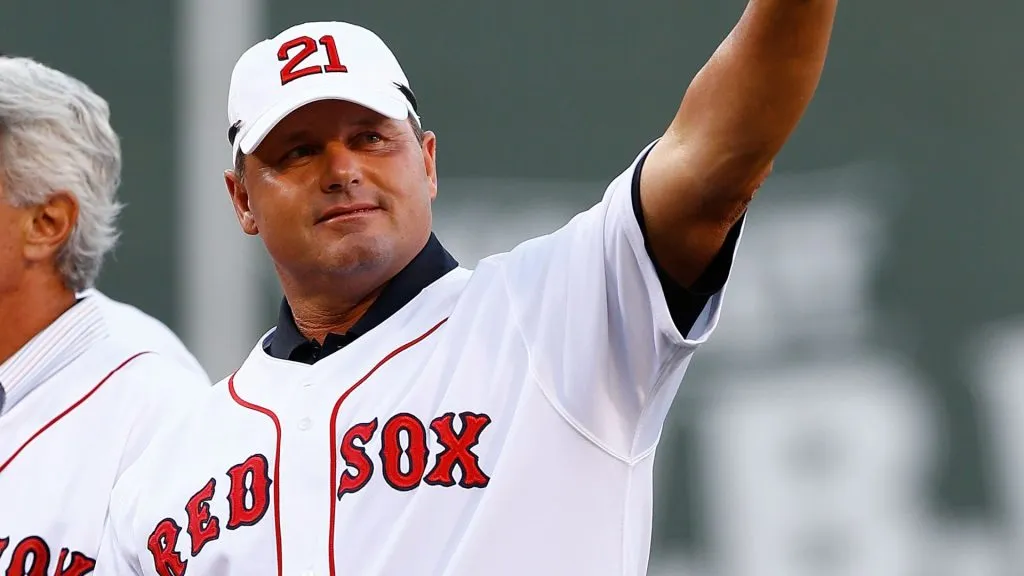
Roger Clemens acknowledges the crowd while being honored as part of ‘Morgan’s Magic’ team prior to the game on July 30, 2013. (Source: Jared Wickerham/Getty Images)
When Roger Clemens first ascended to the mound for Boston in 1984, few could have forecasted the rocket he would become. During his 13 seasons with the club, he carved out a record: 2,590 strikeouts (a franchise milestone), tied for most wins (192), and most shutouts (38) in Red Sox history.
His 1986 season remains iconic: a 24-4 record, a blazing 2.48 ERA, and the rare trifecta of MVP, Cy Young, and All-Star Game MVP. He didn’t just dominate on the mound—he embodied power, precision, and an unforgettable chapter in Boston lore.
Ted Williams
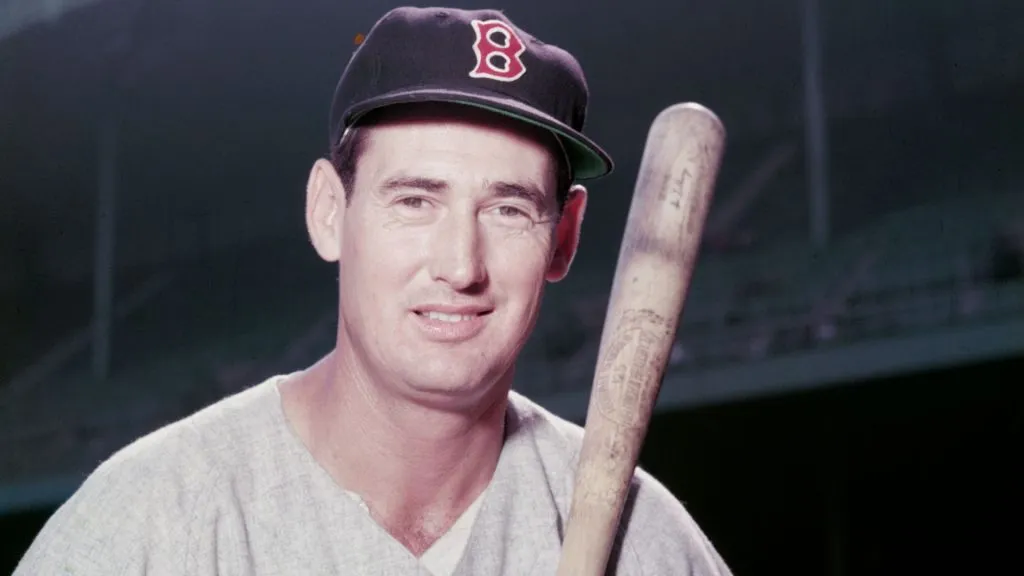
Baseball legend Ted Williams (1918 – 2002) of the Boston Red Sox holds a baseball bat circa 1955. (Source: Getty Images)
Ted Williams wasn’t merely a hitter—he was a seismic event. His .406 batting average in 1941 stands as the last .400 season in MLB history. With a career .344 average, an all-time high .482 on-base percentage, and two Triple Crowns, he redefined mastery at the plate.
He interrupted his legendary run to serve as a fighter pilot in two wars, yet returned each time to reclaim his dominance—batting .342 after WWII and securing another Triple Crown in 1947. Even his farewell was cinematic: a home run in his final at-bat at Fenway.
Carl Yastrzemski
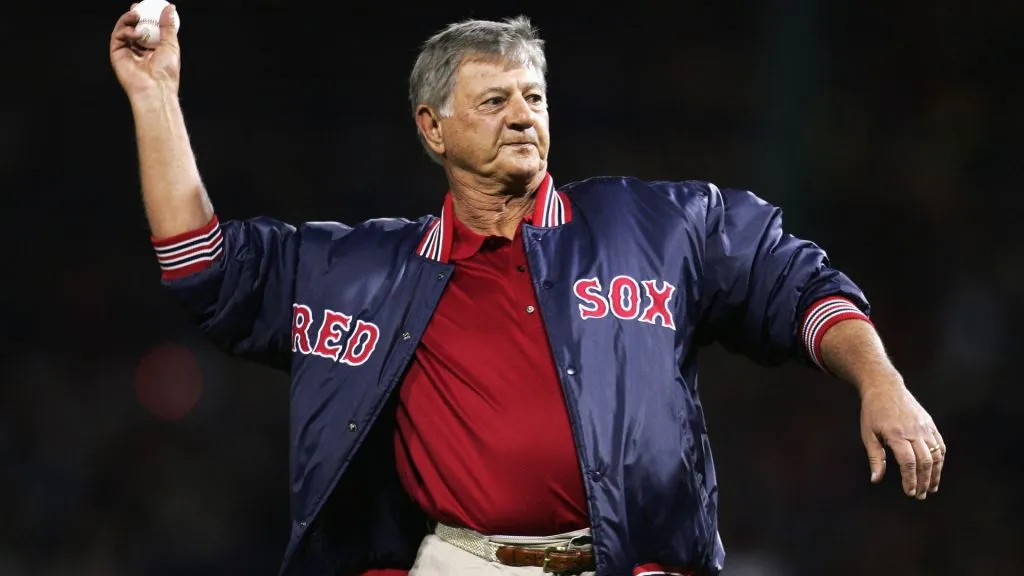
Boston Red Sox hall of famer Carl Yastrzemski throws out the first pitch before game one of the World Series between the St. Louis Cardinals and the Red Sox on October 23, 2004. (Source: Al Bello/Getty Images)
Carl “Yaz” Yastrzemski wasn’t just a fixture in Boston—he was Fenway incarnate. In 23 breathtaking seasons (1961–1983), all with the Red Sox, he amassed 3,419 hits, 452 home runs, and 1,844 RBIs—all franchise records.
His 1967 Triple Crown campaign—.326 BA, 44 HR, 121 RBI—remain modern-era legend and earned him MVP honors and the adoration of Boston fans. With 18 All-Star nods and seven Gold Gloves, Yaz was as reliable as dawn—a constant and ever‐shining star at the old ballpark.
Wade Boggs
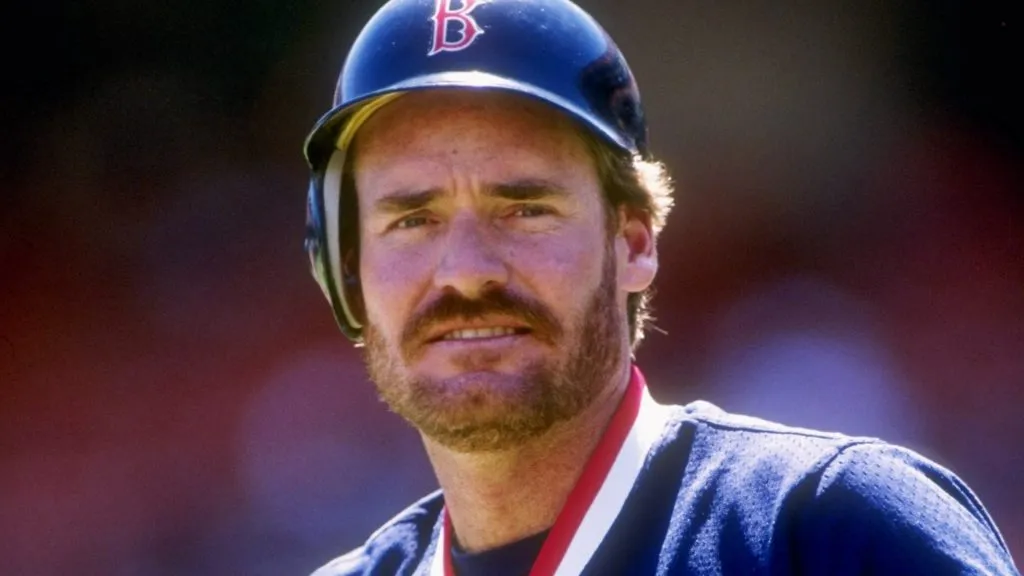
Third baseman Wade Boggs of the Boston Red Sox looks on in 1990. (Source: Otto Greule /Allsport)
A contact-hitting virtuoso, Wade Boggs combined surgical precision with unfathomable consistency. Between 1983 and 1988, he secured five AL batting titles and never dipped below .325. He notched seven straight 200-hit seasons, setting a major league benchmark.
His 1985 Red Sox record of 240 hits still stands tall and was matched only by a few legends. Boggs’s dominance extended to Fenway—he closed his Sox tenure with a .369 average at the ballpark, the highest in team history. Off the field, he was just as memorable—his pre-game chicken ritual, along with dozens of quirky superstitions, added colorful lore to his craft.
Cy Young
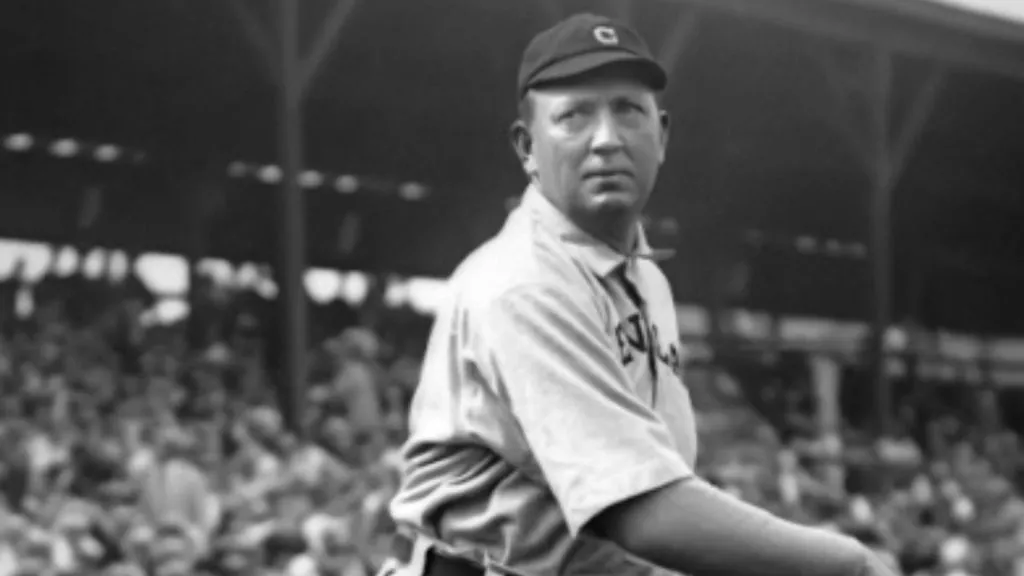
Cy Young (Source: Baseball Hall of Fame)
The man whose name is etched forever into baseball’s highest pitching honor had one of his final great chapters in Boston. Between 1901 and 1908 with the Red Sox (then the Americans), Cy Young racked up 192 wins, pitched the very first World Series game in 1903, and authored a perfect game in 1904.
His legendary durability—over 300 complete games for Boston alone—defined the Deadball Era. Even more impressive was the way he set the tone for a franchise in its infancy, establishing a standard of pitching excellence that no Red Sox ace could ignore in the century to come.
Dwight Evans
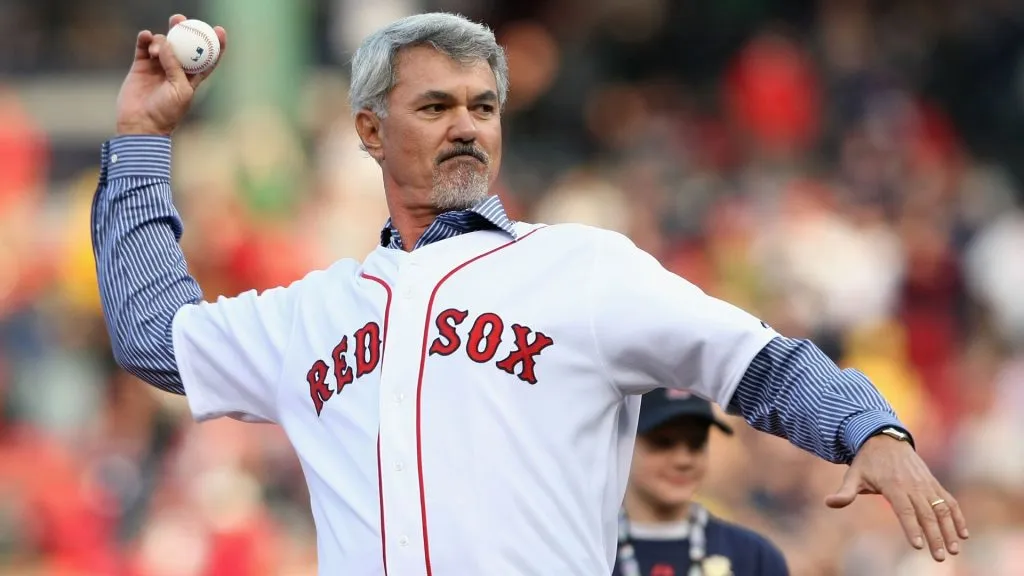
Former Boston Red Sox great, Dwight Evans throws out the first pitch before game three of the American League Championship Series against the Tampa Bay Rays during the 2008 MLB playoffs. (Source: Elsa/Getty Images)
Often overlooked in the shadow of flashier teammates, Dwight “Dewey” Evans was a cornerstone of consistency across two decades. Renowned for his cannon arm in right field, he claimed eight Gold Gloves and frequently turned Fenway’s quirky right field into his personal stage.
Yet he wasn’t just a defender—he finished with 385 home runs and nearly 1,400 RBIs, numbers that placed him firmly among Boston’s all-time great hitters. By the 1980s, his bat caught up with his glove, producing four seasons with 100+ RBIs. He embodied longevity and quiet excellence—traits that made him beloved in New England even without the glamour of superstardom.
Tris Speaker
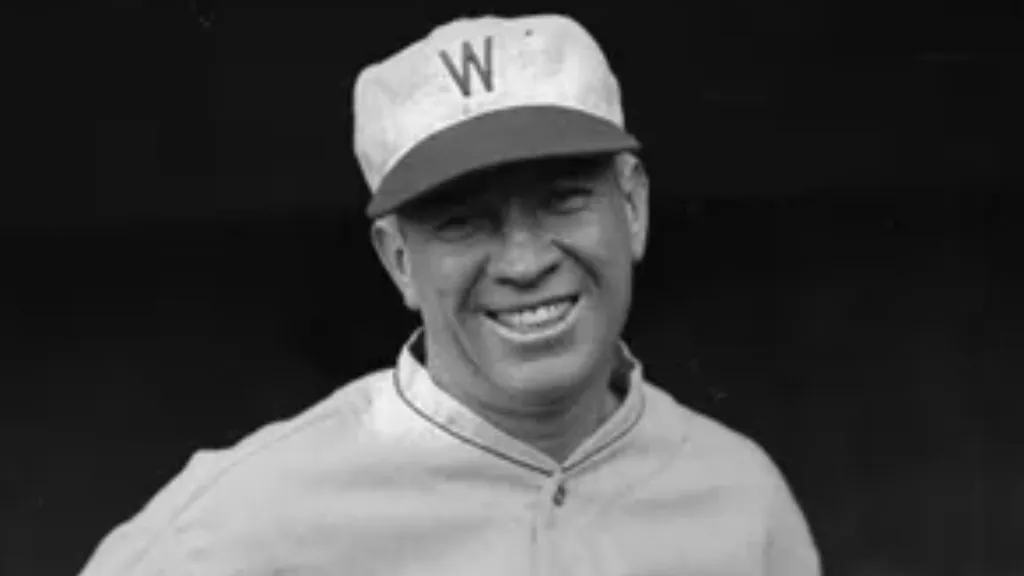
Tris Speaker (Source: Brittanica)
Nicknamed “The Grey Eagle,” Tris Speaker was the prototype of the modern center fielder. Playing for Boston from 1907 to 1915, he hit an astonishing .337 for the club and was the 1912 AL MVP, leading the Red Sox to a World Series title. He revolutionized defense by playing shallow center, daring hitters to test his blazing speed and strong arm.
He also thrived offensively, with gap power that produced a then-record pace of doubles—an attribute that would define his career. His tenure in Boston cemented him as one of the finest two-way players of the Deadball Era and a pioneer who redefined outfield strategy.
Pedro Martinez
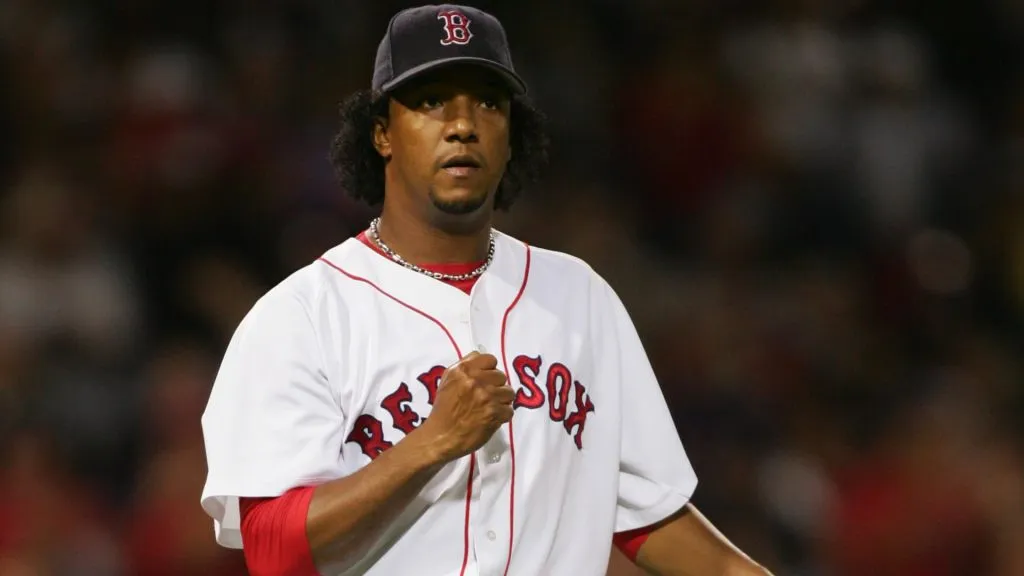
Pitcher Pedro Martinez #45 of the Boston Red Sox reacts during the game against the New York Yankees at Fenway Park on September 24, 2004. (Source: Ezra Shaw/Getty Images)
Few pitchers have ever matched the electricity that Pedro Martinez brought to Fenway Park. Arriving in 1998, he immediately seized the city’s heart with his swagger, dominance, and devastating changeup. Between 1999 and 2000, he crafted arguably the greatest two-year stretch ever for a pitcher: 41 wins, 597 strikeouts, and a microscopic 1.90 ERA in an era dominated by offense.
He collected two Cy Young Awards in Boston and was a pivotal figure in ending the club’s 86-year championship drought, helping set the tone for the 2004 World Series run. With his fiery competitiveness and theatrical charisma, he wasn’t just a pitcher—he was an event every time he took the mound.
David Ortiz
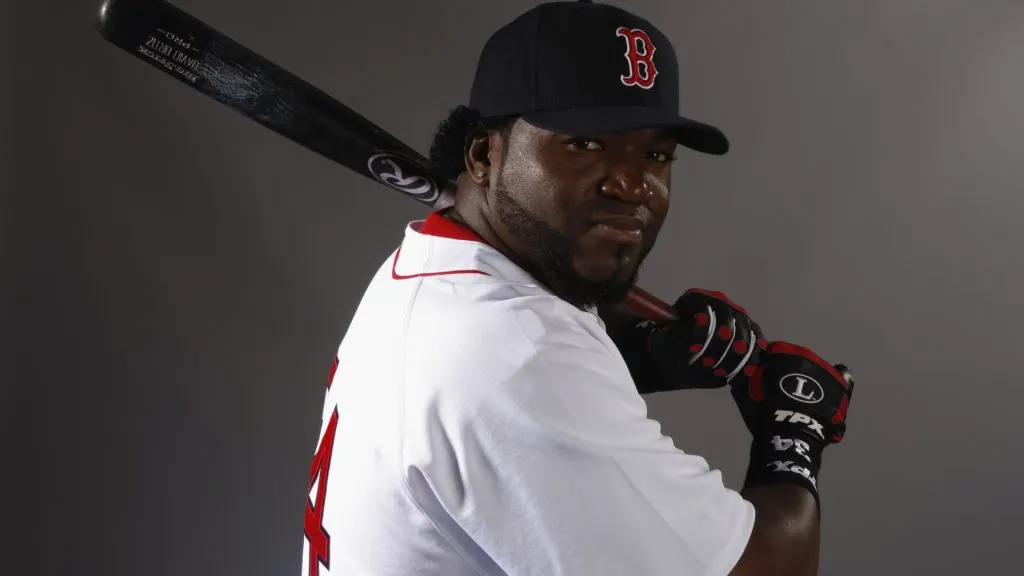
David Ortiz of the Boston Red Sox poses during photo day at the Red Sox spring training complex on February 24, 2008. (Source: Nick Laham/Getty Images)
“Big Papi” was more than a designated hitter—he was the soul of the Red Sox renaissance. Signed as a low-risk free agent in 2003, David Ortiz became the heartbeat of three World Series titles (2004, 2007, 2013), delivering clutch hits that seemed scripted for October drama.
His postseason heroics are legendary: a .455 average and .688 slugging percentage in the 2013 Fall Classic earned him World Series MVP honors. With 541 career home runs—most in franchise history—his legacy is intertwined with resilience, leadership, and joy. He became not only Boston’s ultimate clutch hitter but also a symbol of pride for Red Sox Nation.
Dustin Pedroia
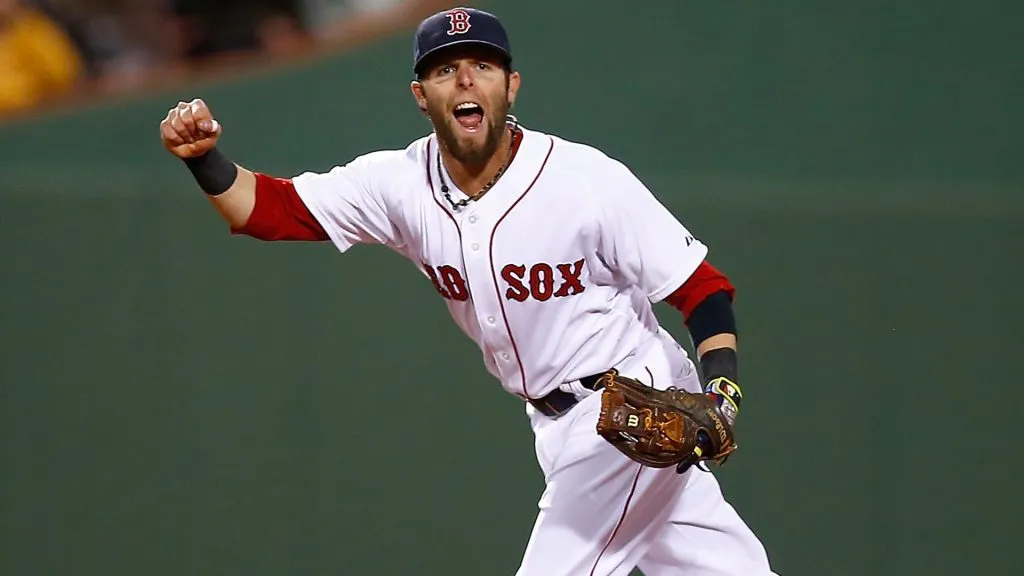
Dustin Pedroia reacts after throwing the runner out at first base in the fifth inning against the Cincinnati Reds during the interleague game in 2014. (Source: Jared Wickerham/Getty Images)
At 5’9”, Dustin Pedroia played with a heart larger than Fenway itself. From his debut in 2006 to his final season in 2019, Pedroia brought relentless hustle and fearless play. He was the 2007 AL Rookie of the Year, the 2008 MVP, and a four-time Gold Glove winner at second base.
Injuries cut his career short, but in his prime he embodied the grit Boston fans admire: diving stops, scrappy at-bats, and leadership by example. His presence during two championship runs (2007, 2013) made him more than just a star—he was the engine of the clubhouse, beloved for his intensity and loyalty to the franchise.
Bobby Doerr
Bobby Doerr (Source: The Boston Globe)
Known as the “Silent Captain,” Bobby Doerr represented stability and quiet excellence in Boston across 14 seasons (1937–1951). A nine-time All-Star, he drove in 100 or more runs six times and retired with over 2,000 hits and 1,200 RBIs.
Defensively, he set standards at second base with his smooth fielding and reliability. Teammates often cited his calm presence as the glue of the clubhouse, especially during the wartime 1940s.
Though not as flashy as Williams or DiMaggio, his consistency made him one of the most respected Red Sox of all time—so much so that Ted Williams once called him “the best teammate I ever had.”
Jim Rice
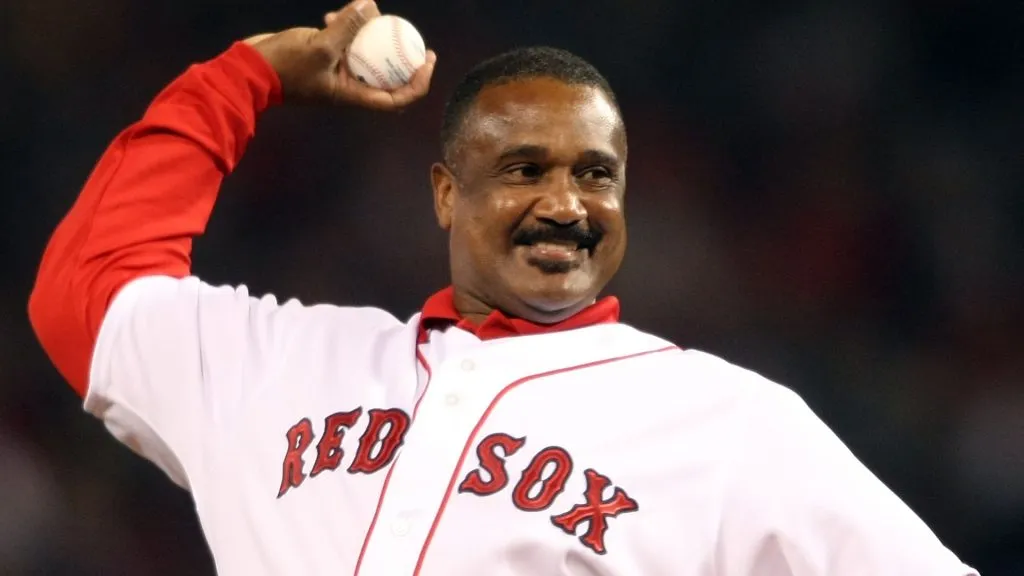
Jim Rice throws out the ceremonial first pitch before the Game Three of the American League Division Series against the Los Angeles Angels of Anaheim on October 5, 2008. (Source: Elsa/Getty Images)
For over a decade, Jim Rice was one of the most feared sluggers in the American League. The left fielder spent his entire career (1974–1989) in Boston, amassing 382 home runs and an MVP award in 1978, when he led the league in hits, RBIs, and slugging percentage.
His power to all fields and knack for run production defined the Red Sox offense in the late ’70s and early ’80s. Though sometimes misunderstood by media, his teammates revered him as a competitor and a quiet leader. His Hall of Fame induction in 2009 validated a career of immense production and loyalty to Boston.
Mookie Betts
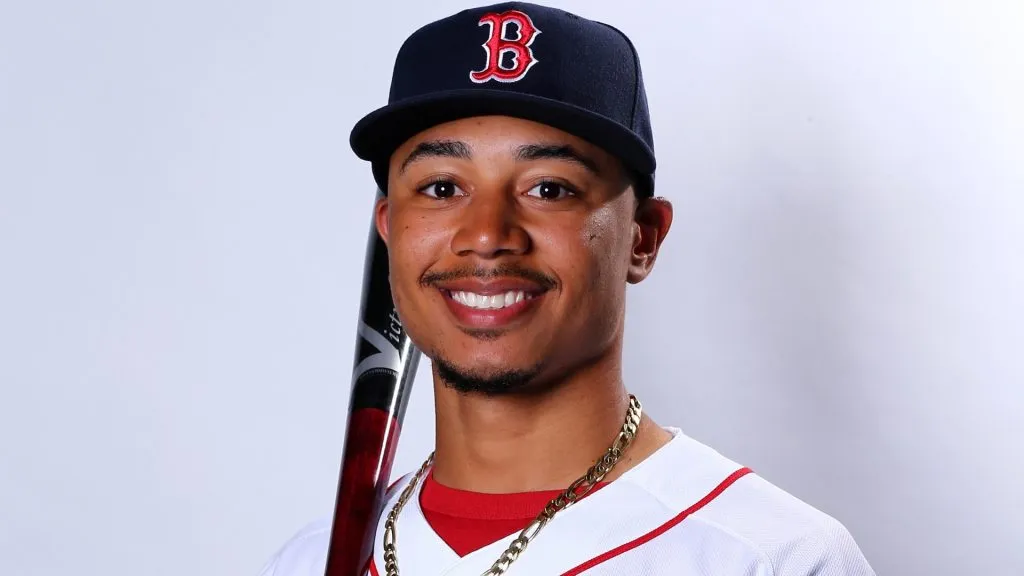
Mookie Betts #50 of the Boston Red Sox poses for a portrait on March 1, 2015. (Source: Elsa/Getty Images)
Before his departure to Los Angeles, Mookie Betts gave Red Sox fans a dazzling display of modern versatility. In just six seasons, he captured an MVP (2018), four Gold Gloves, and helped spearhead the 2018 World Series championship.
His 2018 campaign was historic: .346 batting average, 32 homers, 30 steals—making him the first Red Sox player ever to hit the 30/30 milestone. His energy in right field and ability to impact games with speed, power, and defense made him a generational talent. Even in a relatively short Boston tenure, he left a legacy as one of the brightest stars ever to don the uniform.
Rico Petrocelli
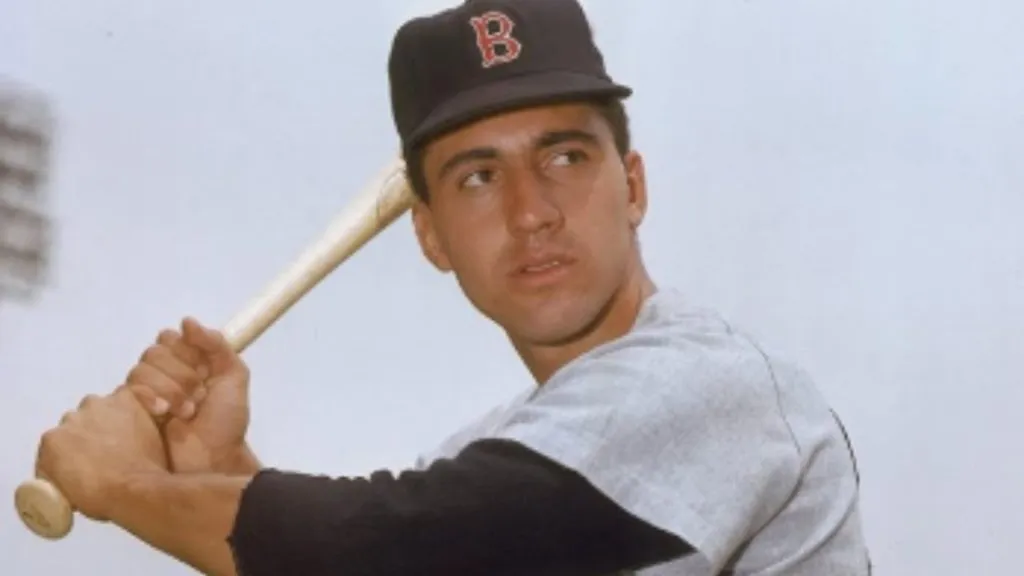
Rico Petrocelli (Source: MLB)
In a decade marked by shifting Boston fortunes, Rico Petrocelli stood out as a reliable battler with flashes of brilliance. Over 13 seasons exclusively in Boston, he amassed 1,352 hits and blasted 210 home runs while slugging through the early 1970s as an offensive sparkplug.
His 1969 campaign earned him the Thomas A. Yawkey Red Sox MVP, and he also claimed Club Man of the Year in 1967—testaments to both his production and intangible clubhouse value.
His peak seasons often placed him among the American League’s leaders in homers and slugging—30+ homers in 1969, for instance, ranked 4th in the league. He was the kind of veteran who held things together when headlines bypassed him—steady, scrappy, and utterly Boston.
Carlton Fisk
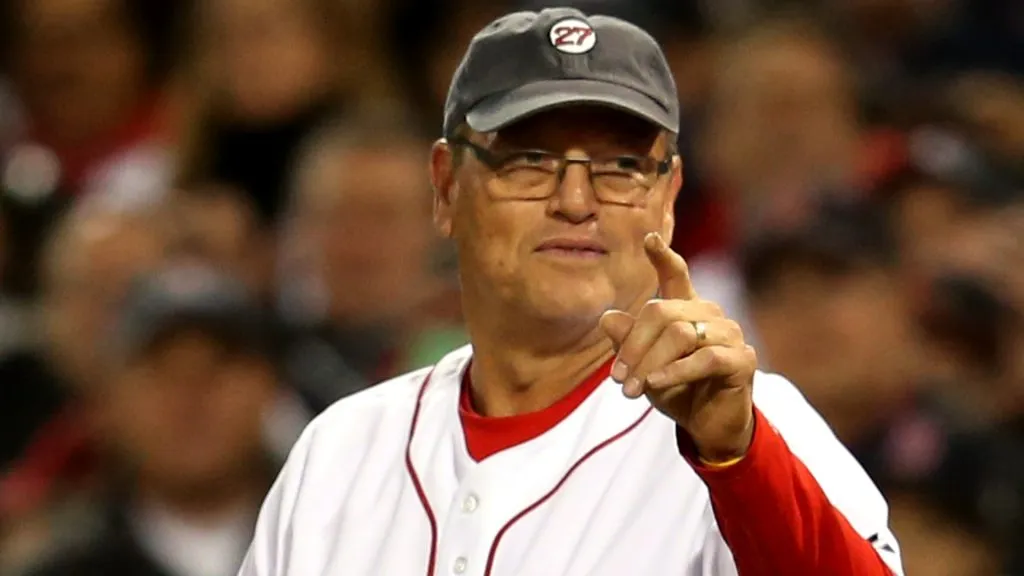
Former Boston Red Sox player Carlton Fisk reacts before throwing out the ceremonial first pitch prior to Game Six of the 2013 World Series. (Source: Rob Carr/Getty Images)
Few moments are as iconic as Carlton Fisk’s waving home run in Game 6 of the 1975 World Series, yet his legacy runs far deeper. Behind the plate in 1,078 games for Boston, he compiled a .284 average with 162 homers and 568 RBIs, always anchoring the team with grit and durability.
His .481 slugging rate with the Sox ranks among the top ten in team history—a powerful achievement for a catcher. A four-time top-10 MVP vote-getter during his Boston years, he was inducted into the Hall of Fame in 2000, choosing his Red Sox cap—a signal of the bond he shared with the city. Whether squatting behind the plate or delivering clutch swings, “Pudge” embodied the heartbeat of Fenway’s resilience.
Babe Ruth
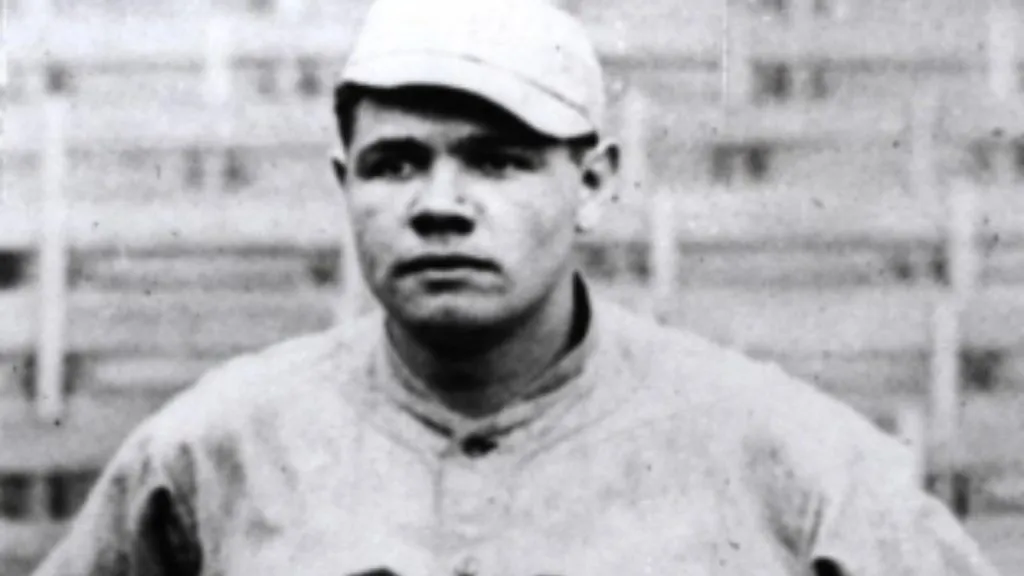
Babe Ruth (Source: Baseball Hall of Fame)
Before the Sultan of Swat became a Yankee icon, Babe Ruth was Boston’s emerging star. In fewer than 400 games for the Red Sox, he posted a .308 average with 49 home runs and 224 RBIs—numbers that hinted at the legend he would become. As a dominant pitcher, he twice notched 23-win seasons and starred in three championship runs before his impassioned shift to full-time hitting.
Though his sale to New York in 1919 triggered an 86-year title drought often attributed to the “Curse of the Bambino,” it’s equally true that his early days in Boston seeded a legacy that found its true form at Fenway. His debut in 1914 marked the birth of a mythical nearly century-old presence rooted in Boston DNA.
Nomar Garciaparra
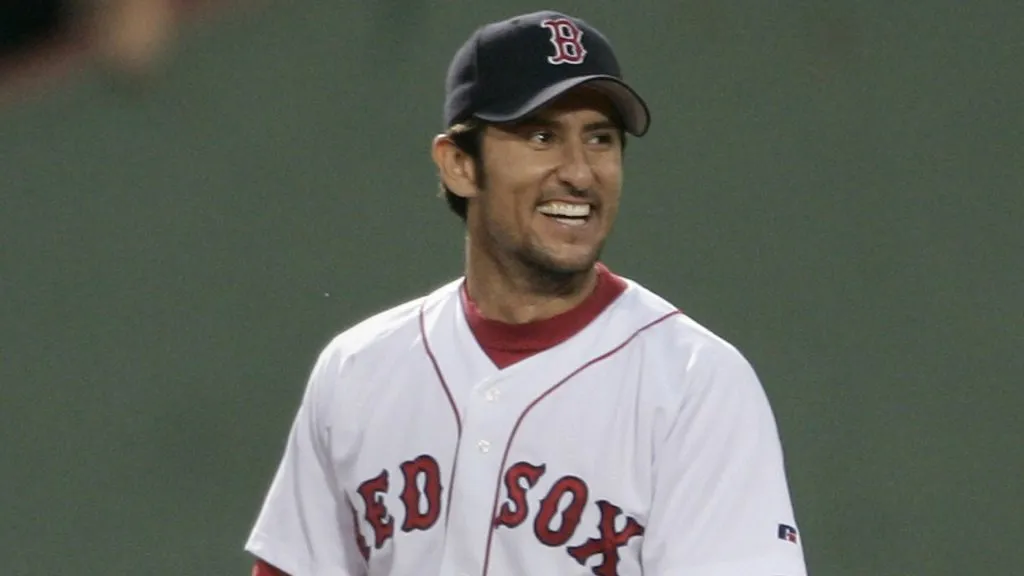
Nomar Garciaparra enjoys a laugh between batters against Texas Rangers Friday, July 9, 2004. (Source: J Rogash/Getty Images)
Nomar Garciaparra redefined shortstop elegance for the Sox in the 1990s. Over an impressive career—including his decade-plus in Boston—he batted .313 with 229 home runs and 936 RBIs, a blend of contact and pop seldom seen at the position.
His 26-game hitting streak in 1997 epitomized his offensive rhythm (.373 with 24 RBIs), while a rare six-hit game that year put him in rare company across AL history. A Rookie of the Year, Silver Slugger, and Comeback Player, he carried both flair and substance—his presence in Fenway was as electric as it was skilled.
Lefty Grove
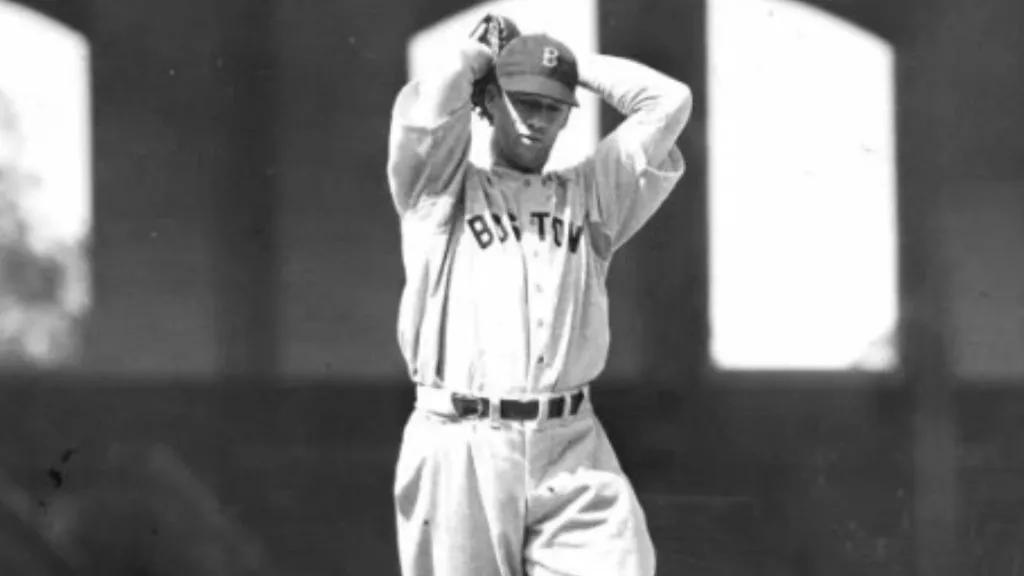
Lefty Grove (Source: Baseball Hall of Fame)
Though his prime was with the Philadelphia Athletics, Lefty Grove’s late-career seasons in Boston still shimmer with legend. Hall of Famer Grove retired with an astounding 300–141 record, a 3.06 ERA, and 2,266 strikeouts—numbers that underscore his era-defining dominance.
Even in the twilight of his career, his mere presence brought weight and credibility to the Sox rotation. Though not as statistically celebrated in Boston as elsewhere, his silhouette looms large in any discussion of Red Sox pitching heritage.
Xander Bogaerts
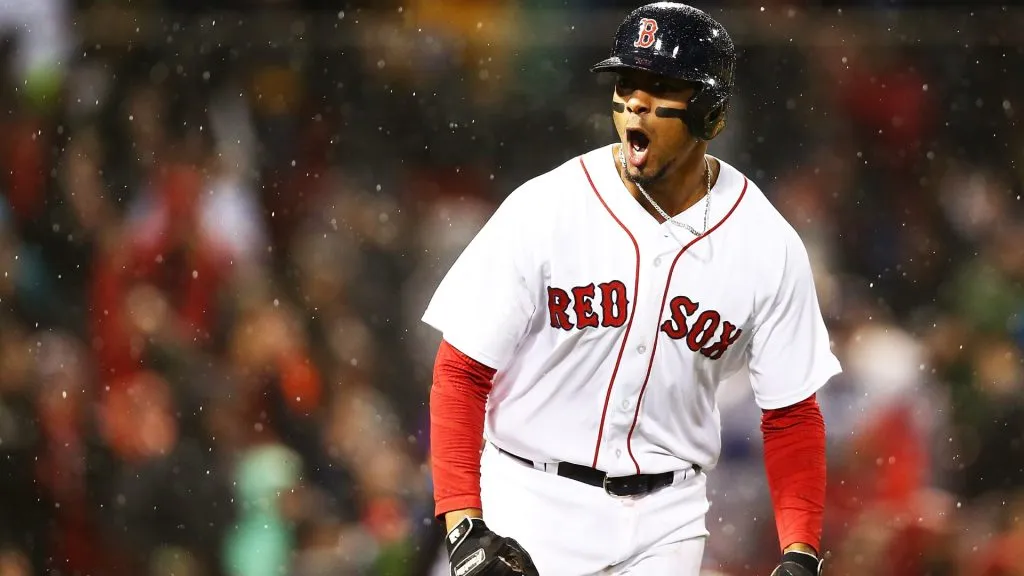
Xander Bogaerts reacts as he rounds the bases after hitting a grand slam in the third inning of a game against the Kansas City Royals at Fenway Park on April 30, 2018. (Source: Adam Glanzman/Getty Images)
In the 2010s, Xander Bogaerts carried the shortstop duties and the emotional torch for a resurging Red Sox. Over 1,264 games in Boston, he compiled a .292 average with 156 homers, 683 RBIs, and 752 runs—numbers that speak to both consistency and clutch performance.
A polished hitter with modern stats to boot, he also led in hits, OBP, walks, and runs scored during parts of his tenure (e.g. 2022). His blend of leadership and bat speed made him a central thread in Boston’s championship tapestry.
Dom DiMaggio
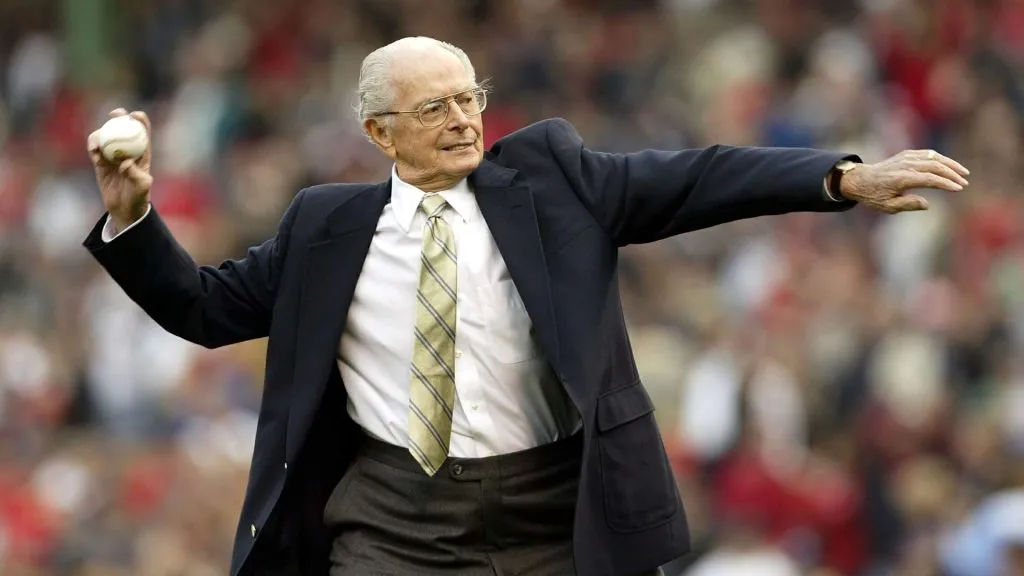
Former Red Sox Dom DiMaggio throws out the first pitch before the New York Yankees take on the Boston Red Sox in Game 5 of the 2003 American League Championship Series. (Source: Jed Jacobsohn/Getty Images)
“The Little Professor” may often be overshadowed by his brother Joe, but Dom DiMaggio’s impact on Fenway was vividly his own. Across 11 seasons with the Sox, he tallied 1,680 hits, 87 homers, and nearly 1,050 runs while batting a steady .298.
Beyond the box scores, he embodied Fenway’s scrappy spirit—his intelligence at the plate and grace in center field endeared him to grown-ups and kids alike. He was the faithful soul of the lineup during a transitional chapter in Boston’s past.
Harry Hooper
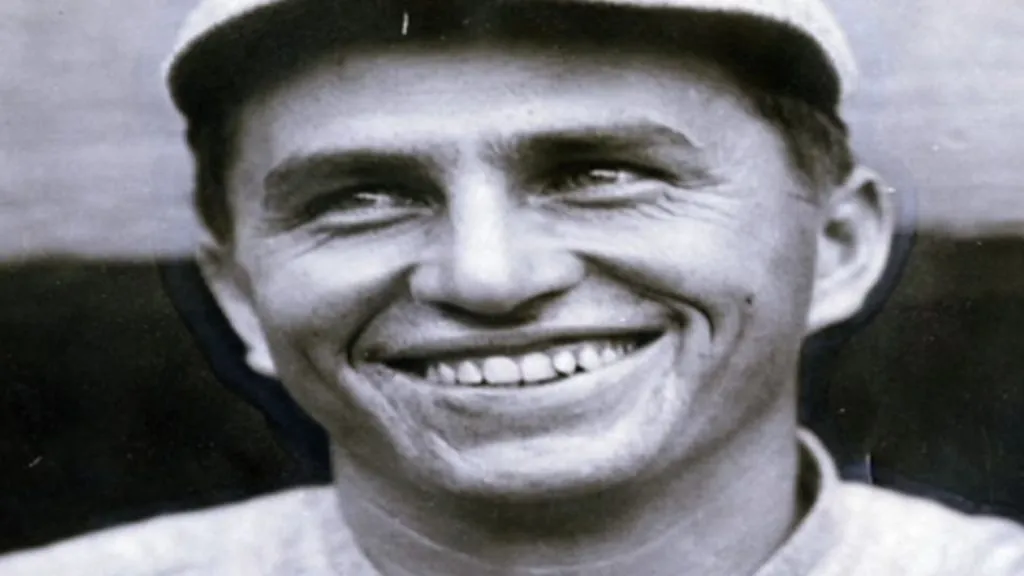
Harry Hooper (Source: MLB)
Long before modern metrics, Harry Hooper was the Red Sox’s unsung dynamo. A right fielder during four World Series wins, he hit a solid .281 and holds franchise records in triples (130) and stolen bases (300)—markers of his speed and tenacity.
He wasn’t just a run producer; he was a defensive ace who made highlight plays—like the unforgettable catch that quelled a possible homer in Game 8 of the 1912 Series. Modest, reliable, and quietly unforgettable—the quintessential embodiment of early Boston grit.
Jimmie Foxx
Jimmie Foxx (Source: Baseball Hall of Fame)
A towering slugger of the 1930s, Jimmie Foxx had a short but seismic impact in Boston. Though his peak achievements came with Philadelphia, he brought his power to Fenway with authority. (Lacking Boston-specific stats in the sources, but his reputation alone speaks volumes.) His presence injected slugging swagger and poised power into the lineup—a reminder that Boston’s offense once reverberated with Foxx’s thunder.
Rick Ferrell
Rick Ferrell (Source: NC Sports Hall of Fame)
A steady presence behind the plate, Rick Ferrell brought veteran leadership and finesse to mid-century Sox squads. While specific Boston stats are scarce in available sources, he was widely respected for his game-calling, durability, and clubhouse wisdom—a calming presence even when the spotlight settled elsewhere.
Marty Barrett
Marty Barrett (Source: MLB)
Boston’s table-setter in the mid-’80s, Marty Barrett turned small-ball into high drama. A contact machine with exquisite bat control, he led the American League in sacrifice hits three straight seasons (1986–88) and even pulled off the hidden-ball trick three times—twice in July ’85—because he studied baserunners like a detective studies tells.
In 1986 he became the heartbeat of Boston’s October run, winning ALCS MVP after hitting .367 against the Angels and then batting .433 in the World Series, where he seemed permanently glued to first base. He set a then-MLB postseason record with 24 hits that fall, a testament to his relentless at-bat quality rather than brute force.
Long before that, he had already etched his name in Red Sox lore by scoring the winning run in the 33-inning Pawtucket epic, a preview of the savvy and poise that would define his Fenway years.
Manny Ramirez
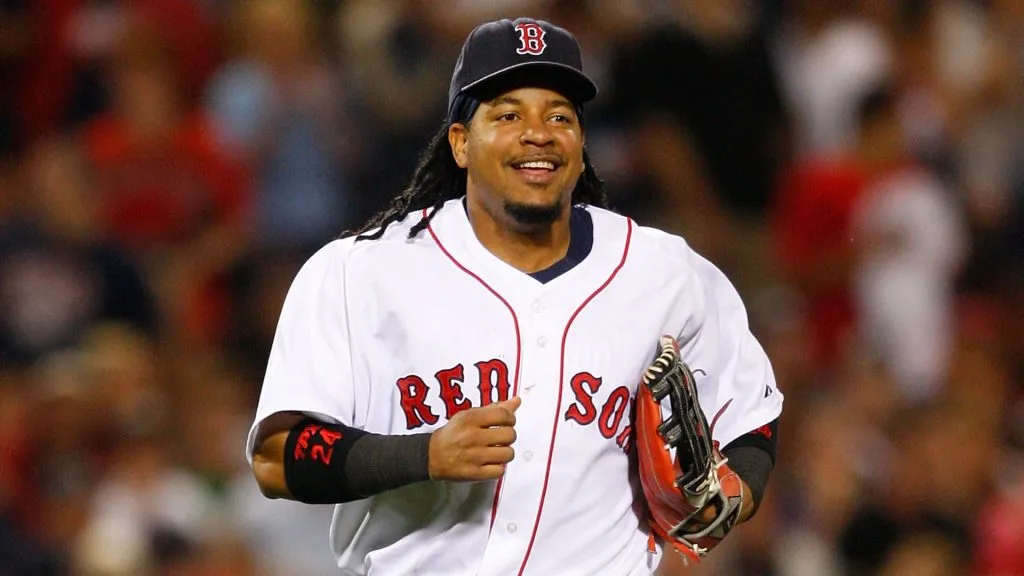
Manny Ramirez #24 of the Boston Red Sox smiles after making a catch off of Alex Rodriguez of the New York Yankees at Fenway Park on July 27, 2008. (Source: Jim Rogash/Getty Images)
Manny Ramirez was more than a slugger; he was a phenomenon. Arriving in Boston in 2001, he transformed Fenway Park into his personal stage, delivering performances that blended power, flair, and unpredictability. His tenure with the Red Sox was marked by moments that left fans in awe and opponents in disbelief.
His impact was immediate. In his first season, he posted a .306 batting average with 41 home runs and 125 RBIs, earning him a Silver Slugger award and setting the tone for his Boston legacy. Over his eight seasons with the Red Sox, he maintained a .312 average, amassing 1,232 hits, 274 home runs, and 868 RBIs in 1,083 games.
The pinnacle of his Red Sox career came in the 2004 World Series. He batted .412 with a home run and four RBIs, earning the World Series MVP as Boston swept the St. Louis Cardinals to end an 86-year championship drought.