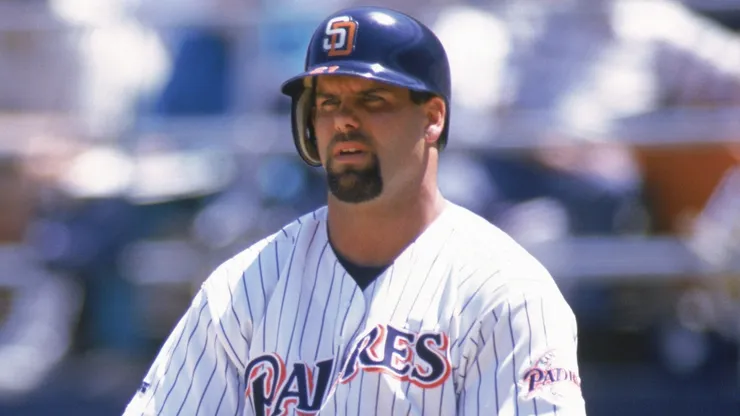
San Diego’s story grew from coastal breezes, loyal crowds, and the pursuit of greatness that felt just within reach. The Padres built identity through iconic uniforms and stars who shined across eras without losing connection to the city.
From early heroes who laid the foundation to icons who carried hopes each summer, some players shaped memories with swing, speed and craft. Some became household names, others cult favorites who linger in highlight reels.
Each generation delivered standout talents, leaving marks on club history through power at the plate or dominance on the MLB mound. The narrative evolves as legends rise while the long chase for a title keeps collective momentum alive.
Tony Gwynn
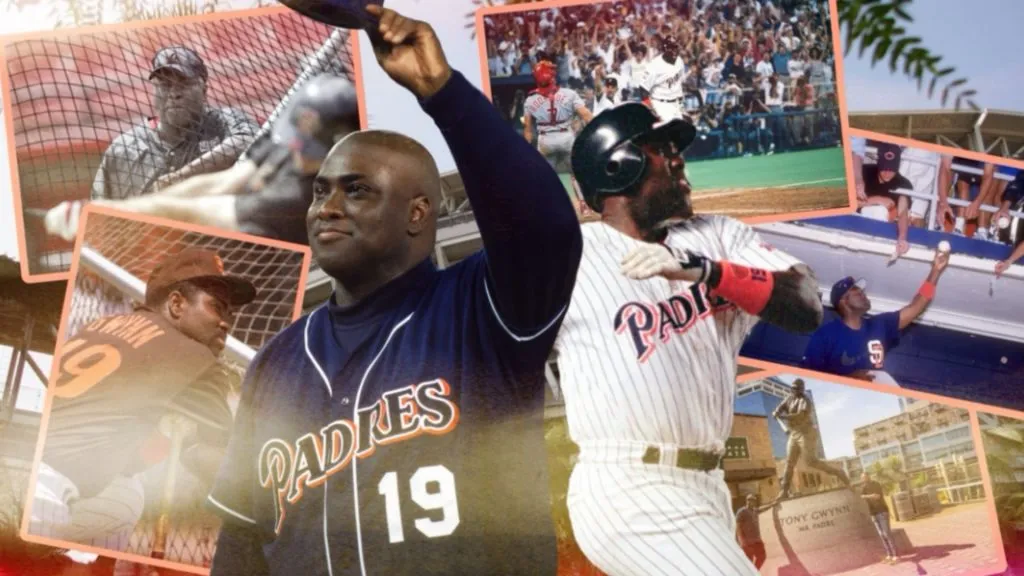
Tony Gwynn (Source: MLB)
If you are searching for the physical embodiment of the San Diego franchise, look no further than “Mr. Padre”, Tony Gwynn. In a game often obsessed with raw power, Gwynn redefined the art of consistency.
From his 1981 third-round draft selection through the next two decades, the team’s right field belonged to him. With a National League record-tying eight batting titles and an astonishing career average of .338, he was a surgeon at the plate.
His legend isn’t solely defined by the numbers. In 1994, when a strike cut the season short, his average stood at .394, the highest mark in the Majors since 1941, leaving fans forever to wonder if he would have reached the mythical .400 plateau.
A graceful left-handed hitter, he was famed for studying pitchers with an almost academic intensity, pioneering the use of video to dissect every detail of his swing. His 3,141 career hits secured his spot in the 2007 Cooperstown Hall of Fame class. The number 19 hangs retired in San Diego, a perpetual tribute to loyalty and hitting mastery.
Trevor Hoffman
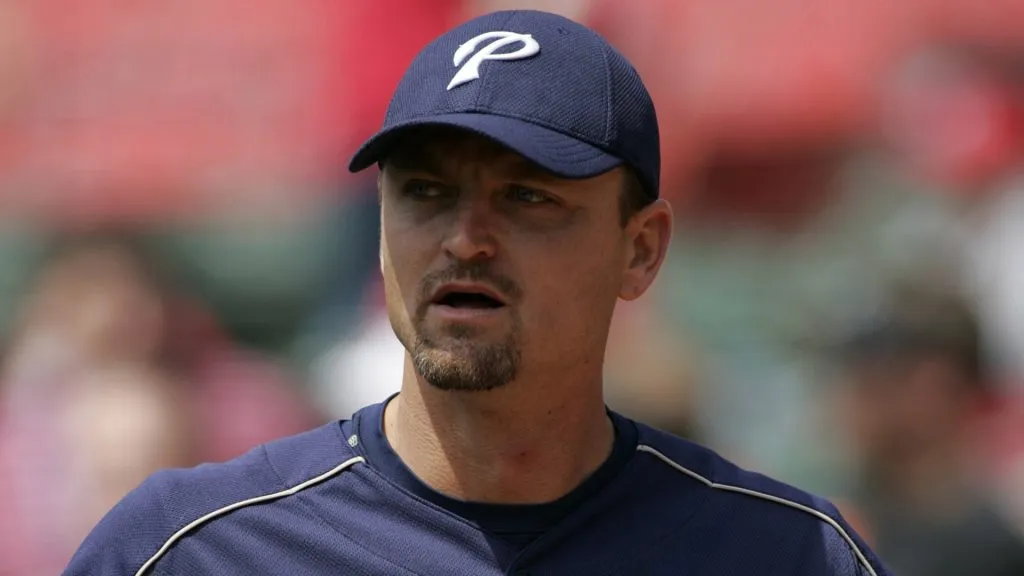
Trevor Hoffman (Source: G. N. Lowrance/Getty Images)
When the stadium lights came up and the opening chords of AC/DC’s “Hells Bells” blared across the ballpark, Padres fans knew the game was in safe hands: Trevor Hoffman’s entrance was a spectacle unto itself. Acquired in a trade from the Marlins in 1993, he transformed into the emotional and statistical backbone of the San Diego bullpen for 16 seasons.
Known for his devastating circle changeup—a pitch that defied the hard-throwing closer mold—he was the first pitcher in MLB history to reach both the 500 and 600 save milestones. While his record of 601 saves was later surpassed, his impact on the Padres’ identity is undeniable.
Dave Winfield
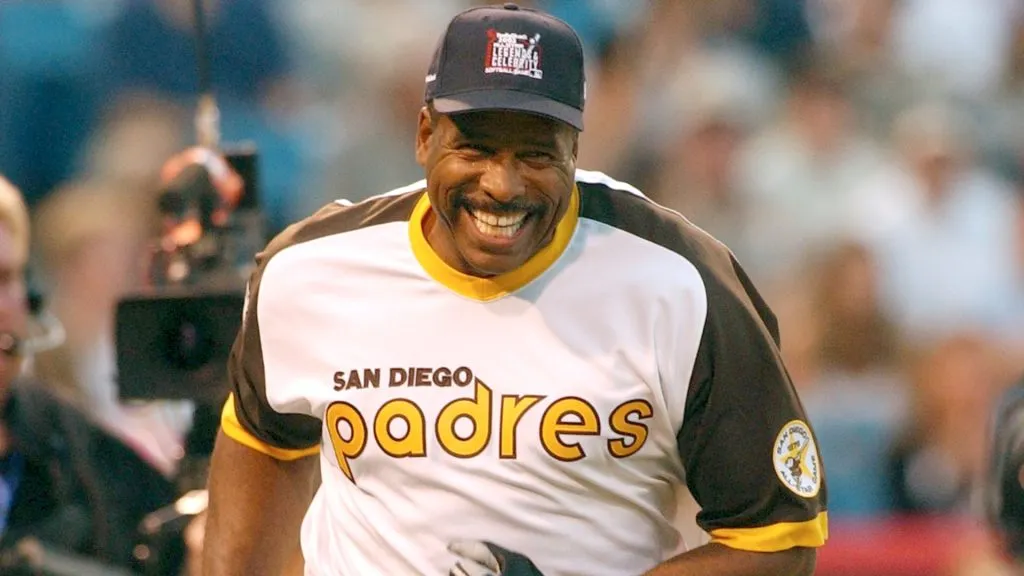
Dave Winfield (Source: Jonathan Daniel/Getty Images)
Before the era of astronomical contracts for baseball megastars, there was Dave Winfield, an athletic prodigy who burst onto the San Diego scene in 1973. The remarkable thing about him isn’t just his powerful frame and talent, but his unprecedented history: he was drafted by four professional teams across three sports in 1973, a feat of versatility that remains nearly unmatched.
He jumped straight to the Major Leagues, bypassing the minors entirely, and quickly established himself as a feared outfielder. He led the National League in RBIs and total bases in 1979, the same year he finished third in the MVP voting.
His offensive prowess was complemented by impeccable defense, earning him two Gold Gloves with the Padres. The number 31 he wore is a symbol of the Padres’ first true superstar, who brought excitement and legitimacy to the expansion franchise during the late 1970s.
Jake Peavy
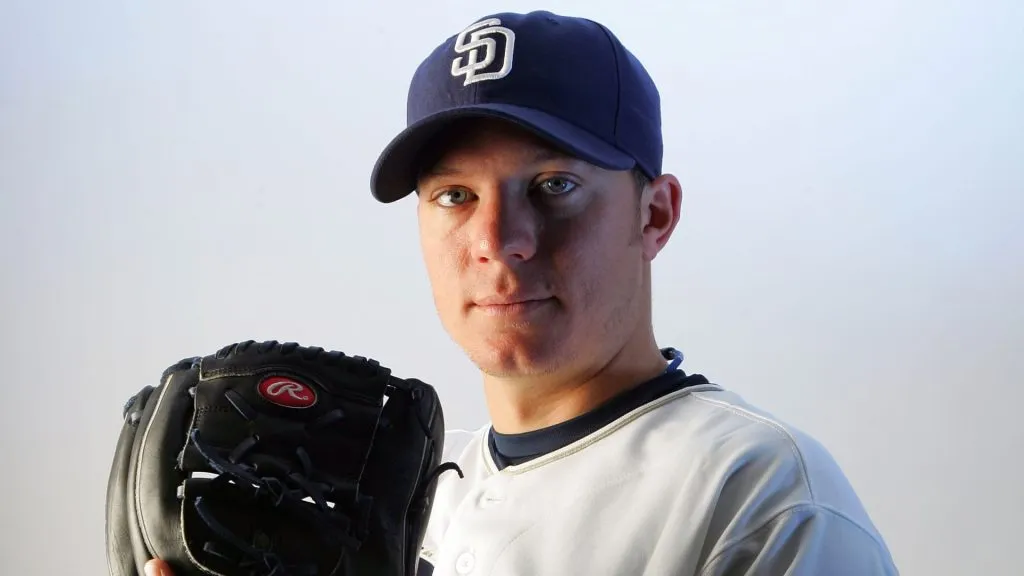
Jake Peavy (Source: Jeff Gross/Getty Images)
While his tenure in San Diego wasn’t as long as some franchise legends, Jake Peavy‘s era was defined by intense fire on the mound and undeniable hardware. Drafted in the 15th round in 1999, he greatly exceeded expectations to become the unquestioned ace of the rotation in the early 2000s.
The peak of his career came in 2007, an unforgettable season where he captured the prestigious National League Cy Young Award, finishing with a 2.4 ERA and leading the league in strikeouts. He also holds the franchise’s all-time record for career strikeouts with 1,348.
The Alabama native’s impact remains so strong that current Padre and San Diego native Joe Musgrove wears the number 44 in his honor. He was a dynamic pitcher who combined velocity, sharp breaking balls, and a competitor’s ferocity that energized the team with every pitch.
Manny Machado
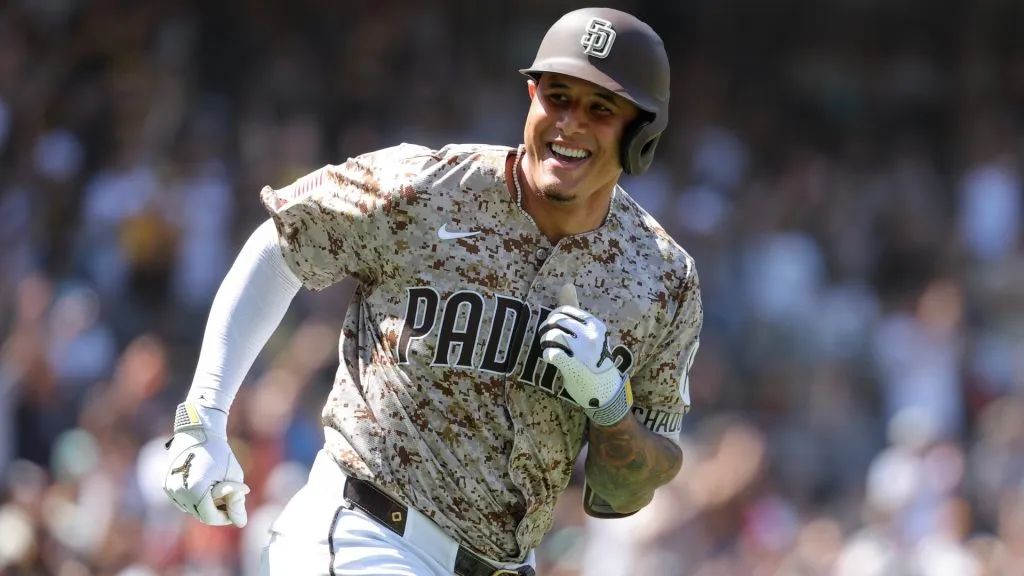
Manny Machado (Source: Meg McLaughlin/Getty Images)
Manny Machado’s arrival in 2019 heralded the start of a new, ambitious era for the San Diego Padres, transforming them from a perennial underdog to a consistent contender. His monumental contract not only rewrote the club’s financial history but also provided the team with the kind of perennial superstar to anchor its offense for years.
He is not just an explosive hitter; he is an elite defender, having won two Gold Gloves before even joining the Padres. In San Diego, he has cemented his status as the modern face of the franchise. His on-field performance, marked by clutch home runs and spectacular defensive plays at third base, is matched by his role as a clubhouse leader.
While his Padres story is still being written, his presence has been the direct catalyst for the team’s resurgence and consistent push toward the postseason. His impact transcends mere statistics; he is the embodiment of the Padres’ new, high-stakes identity.
Adrian Gonzalez
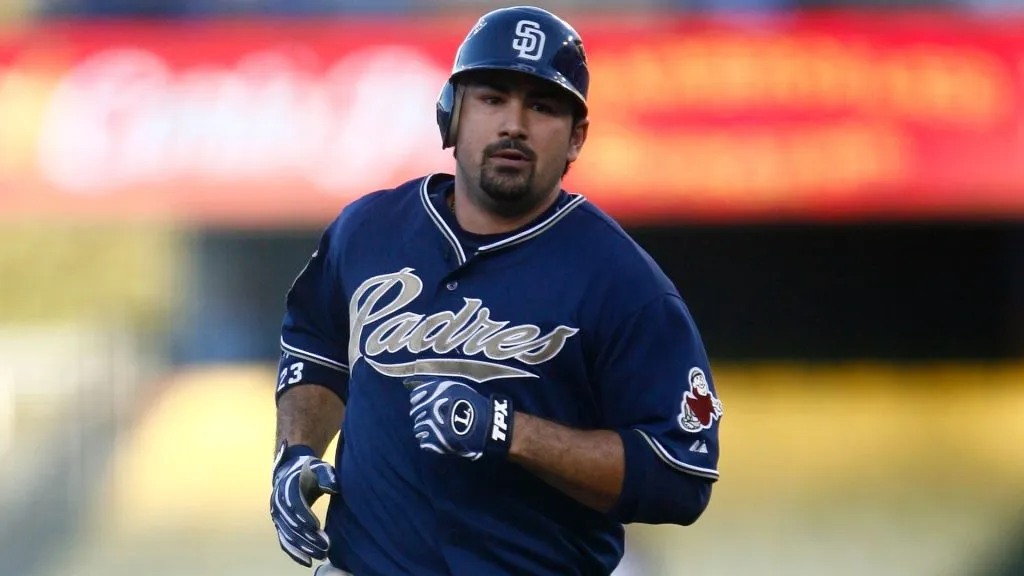
Adrian Gonzalez (Source: Jeff Gross/Getty Images)
Adrian “A-Gon” Gonzalez is the quintessential story of local talent making it big on the grand stage. Born in San Diego and raised in Tijuana, he became the most important left-handed power threat the franchise had during the late 2000s. After a brief stint with the Rangers, he found his home at first base for the Padres.
The Mexican-American star was a pillar of power and consistency, earning the Padres’ Most Valuable Player award four times and establishing himself among the franchise’s all-time home run leaders with 161 long balls.
He consistently ranked among the Padres’ leaders in hits, doubles, home runs, and RBIs during his tenure. Perhaps the most dramatic highlight of his career in brown and gold was his walk-off grand slam against the Mets in 2010, a moment that beautifully captured his local heroism and ability to deliver in the clutch.
Andy Ashby
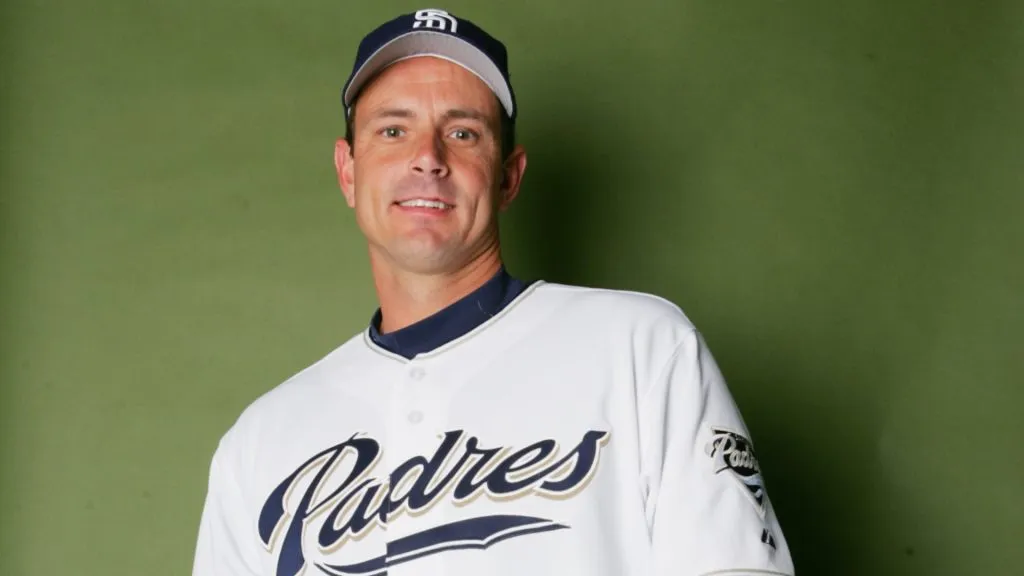
Andy Ashby (Source: Ronald Martinez/Getty Images)
Andy Ashby is a pivotal figure in understanding the Padres teams that reached the World Series in the late 1990s. This durable right-handed pitcher had two stints with the organization, with his first being the most glorious. He wasn’t an overpowering ace, but a reliable workhorse in the rotation, consistently logging crucial innings and offering the stability needed for a contender.
He was a two-time All-Star, a well-deserved recognition of his ability to consistently challenge the best hitters in the National League. His career highlight was undoubtedly the 1998 season, which saw the Padres return to the Fall Classic. He finished that year with a 17 – 9 record, showing his mettle in high-pressure situations.
Since his retirement, he has remained connected to the franchise as a television analyst, securing his legacy as a great player and an enduring Padres ambassador. A pitcher who defined the gritty determination of the team’s successful late-90s era.
Gene Richards
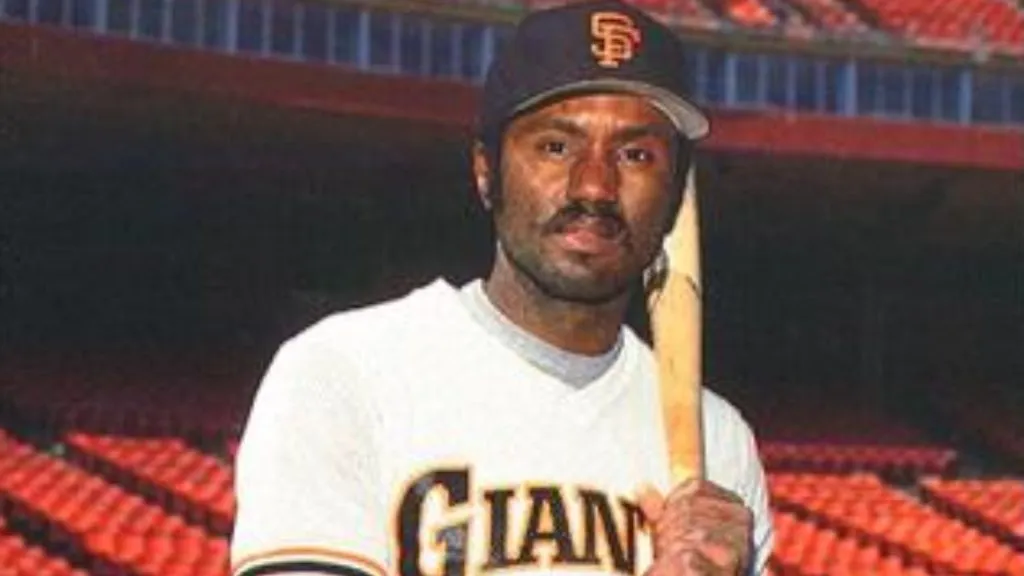
Gene Richards
Gene Richards was a flash of lightning on the base paths during the late 1970s and early 1980s, serving as a dynamic table-setter at the top of the Padres’ lineup. Drafted first overall in the January 1975 amateur draft, he became an immediate catalyst, quickly establishing himself as one of the National League’s most relentless contact hitters and prolific base stealers.
He was more than just raw speed; he was an expert at getting on base, finishing with an impressive career batting average of .290 in San Diego. In 1980, he hit .301 and swiped 61 bags, contributing to the first trio in NL history to all record 50+ stolen bases in a season.
He helped usher in the franchise’s first winning season in 1978 and remains among the Padres’ career leaders in several key offensive categories, including total WAR and batting average. He was the definition of perpetual motion, making the most of every opportunity at the plate and on the bases.
Fernando Tatis Jr.
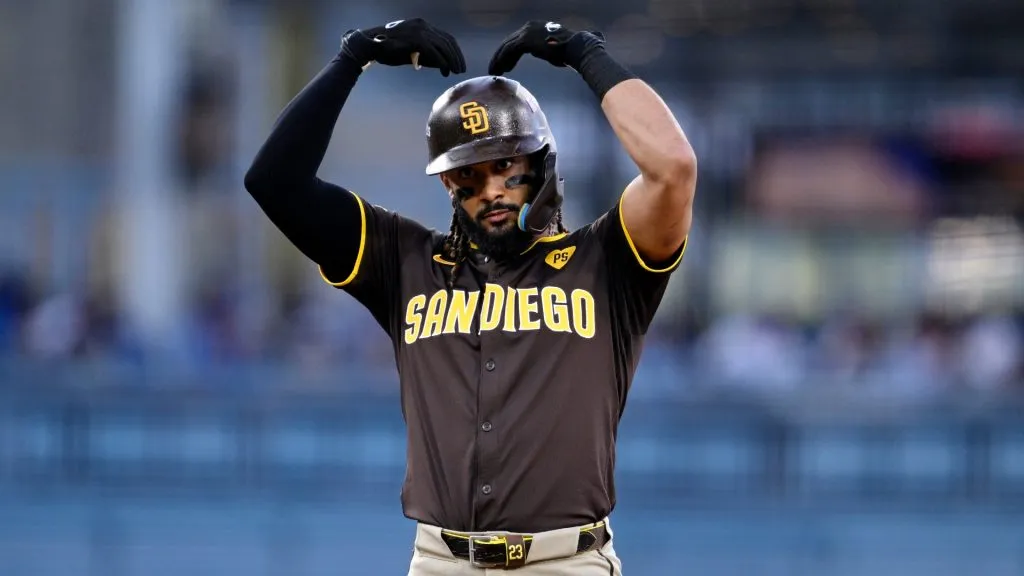
Fernando Tatis Jr. (Source: Orlando Ramirez/Getty Images)
Fernando Tatis Jr. is a generational talent who brings a unique blend of raw power, electric speed, and flamboyant style to Petco Park. Since his debut as a 20-year-old in 2019, “El Niño” has captured the imagination of San Diego and the entire league with his high-octane play.
His 14-year, $340 million contract is a testament to the Padres’ belief that he is the cornerstone of their modern identity. Whether he’s launching colossal home runs that redefine “tape measure”, making breathtaking defensive plays at shortstop, or showcasing his elite skills in right field after transitioning positions, he is box-office entertainment.
He became the youngest Padre ever to hit a postseason home run, announcing his arrival on the national stage with authority. Despite early career interruptions, he is a relentless competitor whose dizzying combination of speed and strength promises to shatter numerous franchise records before his time in the brown and gold is through.
Chase Headley
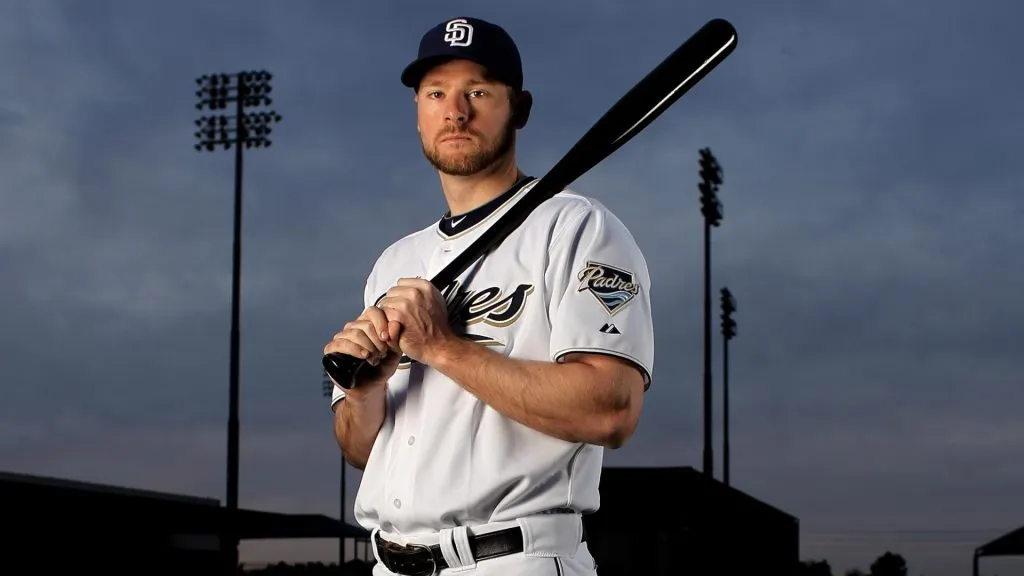
Chase Headley (Source: Ezra Shaw/Getty Images)
For years, Chase Headley was the quiet, switch-hitting third baseman providing reliable defense and steady offense, often overlooked in San Diego. Then came 2012, a career-defining season that transformed him into an offensive juggernaut and an MVP contender.
He led the entire National League with 115 runs batted in that year, joining only Dave Winfield as the sole Padres players to lead the league in that category. His breakout 2012 campaign was a display of all-around excellence: he hit 31 home runs, won both the Gold Glove and the Silver Slugger awards, and set a Padres record by reaching base in 146 games, surpassing a mark held by Tony Gwynn.
A second-round pick in 2005, his peak season remains one of the most remarkable single-season performances in franchise history, a testament to his perseverance and the potent combination of power and defense he offered at the hot corner.
Andy Benes
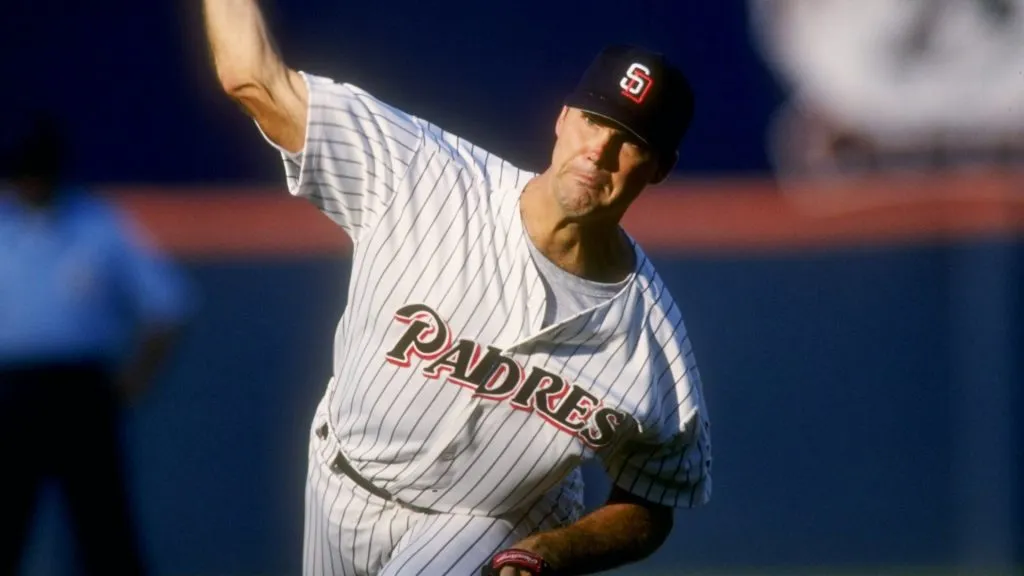
Andy Benes (Source: Stephen Dunn /Allsport)
Andy Benes arrived in San Diego with immense pressure, having been selected as the first overall pick in the 1988 MLB Draft. The towering right-hander, known for his imposing presence and explosive fastball, immediately paid dividends, earning the Sporting News Rookie Pitcher of the Year award in his first full season.
He was the undisputed anchor of the Padres’ pitching staff throughout the early 1990s. During his first tenure with the club, he consistently ranked among the league leaders in strikeouts.
In 1994, he was recognized for his dominance with an All-Star selection. While his career was split between multiple teams, the most impactful years of his youthful prime—marked by high strikeout totals and the promise of a true ace—were spent in a Padres uniform, laying the groundwork for the rotation to come.
Gene Tenace
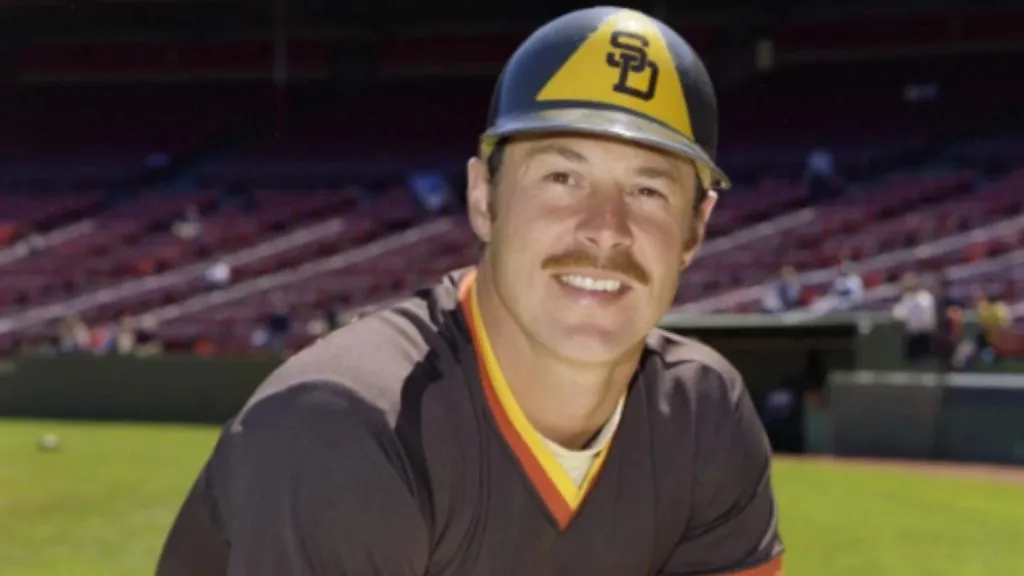
Gene Tenace (Source: Baseball Hall of Fame)
Gene Tenace was a pioneer for the Padres in more ways than one. When he and Rollie Fingers signed with San Diego as free agents in late 1976, they were the franchise’s first major signings on the open market, injecting credibility into the young club. His brilliance lay not in a high batting average, but in his exceptional discipline and knack for drawing walks.
He led the National League with a whopping 125 walks in his first season, helping him post a magnificent .415 on-base percentage. That OBP remains one of the highest single-season marks in Padres history.
Over his four years in San Diego, his career OBP of .403 is the best in franchise history for any player with over 1,500 plate appearances, a remarkable feat even ahead of Tony Gwynn. A versatile player at catcher and first base, he was the consummate offensive professional, proving that getting on base is the most valuable currency in baseball.
Randy Jones
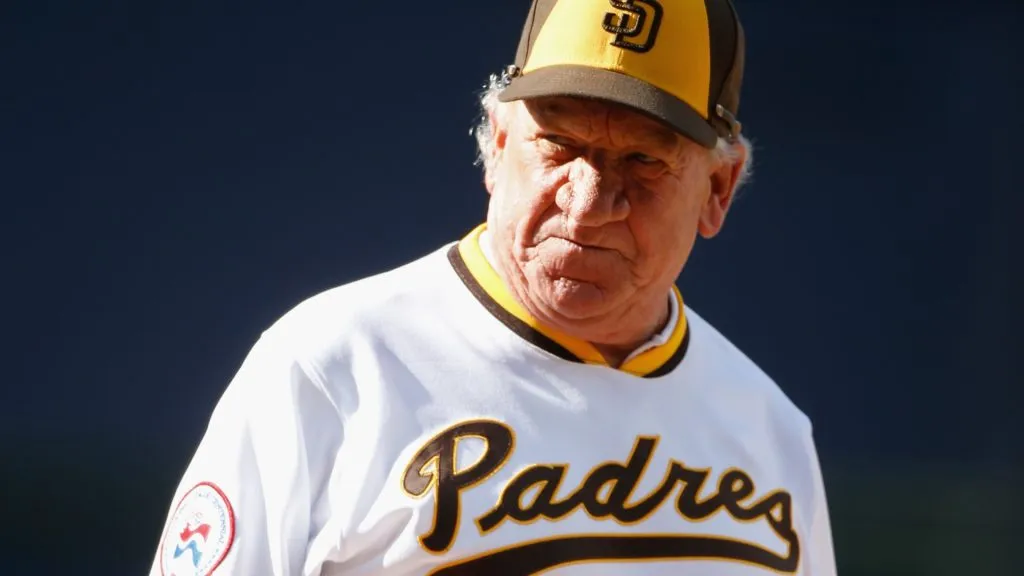
Randy Jones (Source: Todd Warshaw/Getty Images)
Randy Jones‘ legacy is one of baseball’s great anomalies: a soft-tossing left-hander who, for a brief, incandescent period in the mid-1970s, was the most effective pitcher in the National League. Drafted in the fifth round in 1972, he became the team’s first true star pitcher, and in 1976, he became the first Padre ever to win the prestigious National League Cy Young Award.
His success was built on a deceptive sinker that induced an enormous amount of weak contact and ground balls, earning him the nickname “Junkman”. In his peak 1976 season, he went 22-14 and set several Padres single-season records that still stand, including 40 starts and 25 complete games.
His excellence was a rare bright spot for the Padres in their early expansion years. The homegrown hero, who now runs a beloved BBQ stand at the ballpark, holds the distinction of having one of the few retired numbers in Padres history.
Phil Nevin
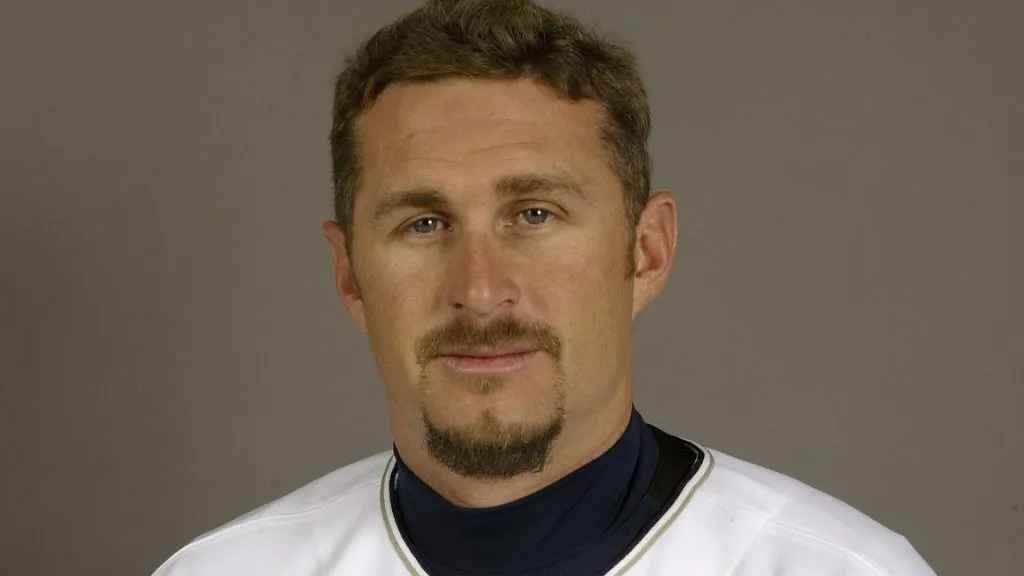
Phil Nevin (Source: Stephen Dunn/Getty Images)
When Phil Nevin joined the Padres in 1999, he was poised to fill a desperate power void in the lineup, and he delivered with explosive force. The former No. 1 overall draft pick’s seven seasons in San Diego were defined by career-best production and a fiery intensity at the plate.
He peaked during his 2001 All-Star season when he crushed 41 home runs and drove in a franchise single-season record 126 RBIs. His overall contributions are cemented in Padres history: he ranks third on the club’s all-time home run list with 156, putting him in the same elite tier as Nate Colbert and Adrián González.
Even as the team moved into the pitcher-friendly confines of Petco Park in 2004, he remained a major run producer. For fans of that era, he was the power bat, consistently stepping up in high-leverage situations, making him a cornerstone player during a period of transition.
Ken Caminiti
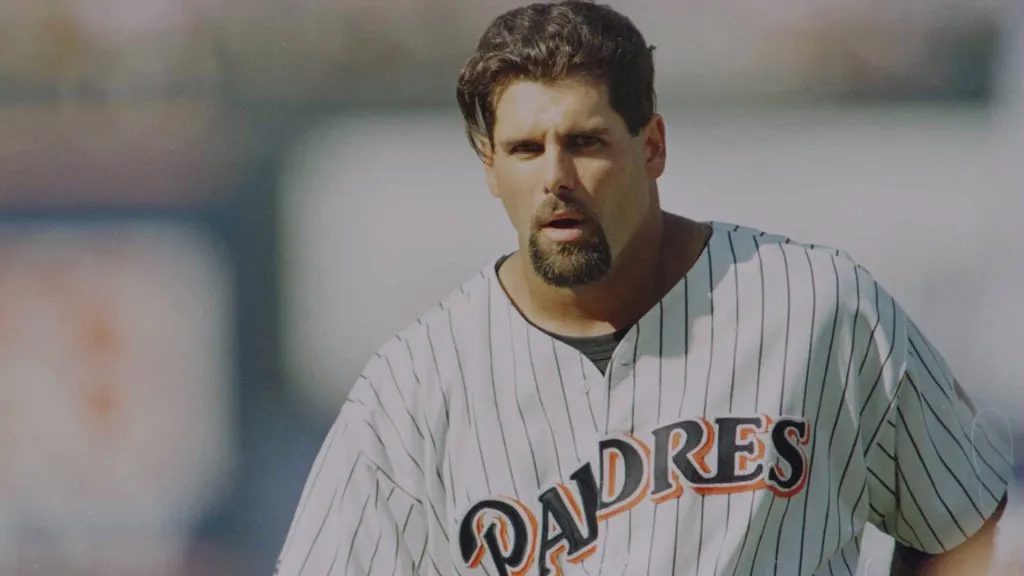
Ken Caminiti (Source: Getty Images)
Ken Caminiti‘s time in San Diego was a glorious, yet intense, four-year run that cemented him as one of the most dynamic third basemen in Padres history. Acquired in a blockbuster trade that also brought Steve Finley to San Diego, he was an immediate leader, known for his relentless effort and cannon arm at the hot corner.
His signature achievement came in 1996, when he became the third Padre to win the National League MVP Award—and the only one by unanimous vote. That season, the switch-hitter set a club record with 130 RBIs and launched 40 home runs while battling through a series of injuries.
He was a three-time Gold Glove winner in San Diego, and his slugging percentage and OPS remain franchise career bests. He wasn’t just a powerful hitter; he was the gritty heart of the team that reached the World Series two years later.
Brian Giles
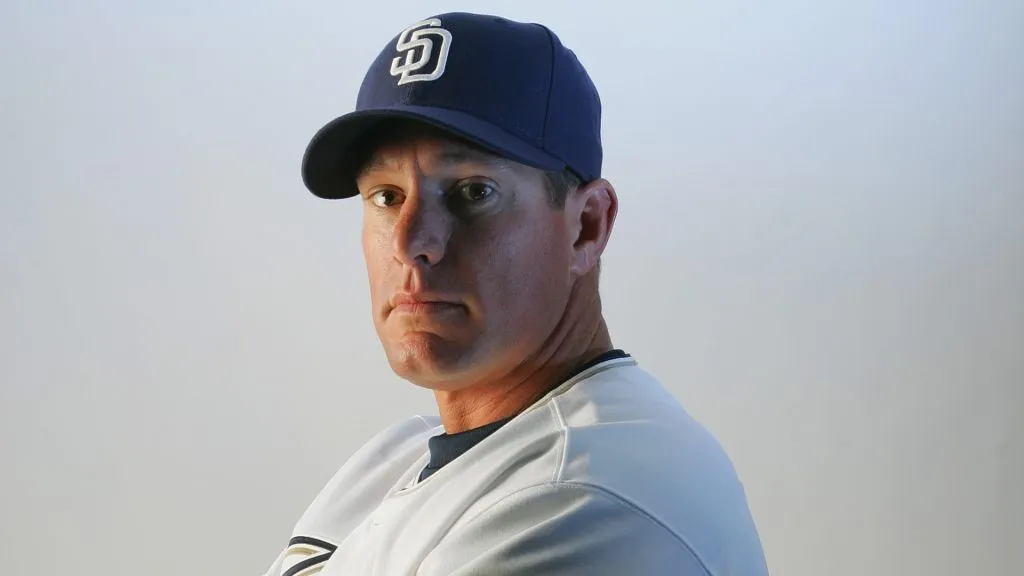
Brian Giles (Source: Jeff Gross/Getty Images)
Brian Giles, an El Cajon native, returned to his roots midway through the 2003 season and became the picture of patience and production for the Padres’ offense. A two-time All-Star, he distinguished himself not only with power but with an exceptional ability to work the count, making him a nightmare for opposing pitchers.
His mastery of the strike zone was evident when he led the Majors in walks with 119 in 2005, a hallmark of his approach. His discipline paid off, resulting in an elite .400 career on-base percentage in over 1,800 games.
During his six-year tenure with the club, he was a fixture in the outfield and a reliable source of offense, helping to power the Padres to consecutive NL West titles in 2005 and 2006. He perfectly exemplified the high-IQ, high-walk strategy that defined successful offensive clubs of his generation.
Nate Colbert
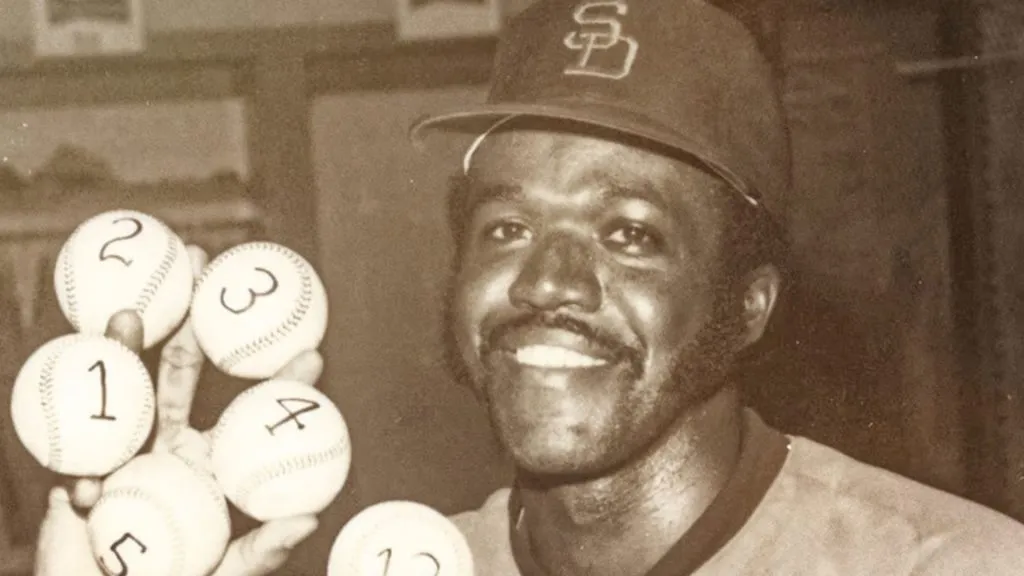
Nate Colbert (Source: MLB)
Nate Colbert is a towering figure in Padres lore, quite literally, as the team’s first true power hitter and star after joining the league in the 1969 expansion draft. Through the club’s difficult first few years, he was a source of excitement and record-breaking swings.
For over four decades, he was the franchise’s all-time home run king, a distinction he held until the modern era. The right-handed first baseman set a high standard for sluggers, launching 163 home runs in a Padres uniform and earning three All-Star selections.
His most astonishing performance came on August 1, 1972, when he tied an MLB record by hitting five home runs in a doubleheader while setting a new single-day RBI record with 13. He was an inaugural inductee into the Padres Hall of Fame, a fitting tribute to the original source of thunder in San Diego baseball.
Terry Kennedy
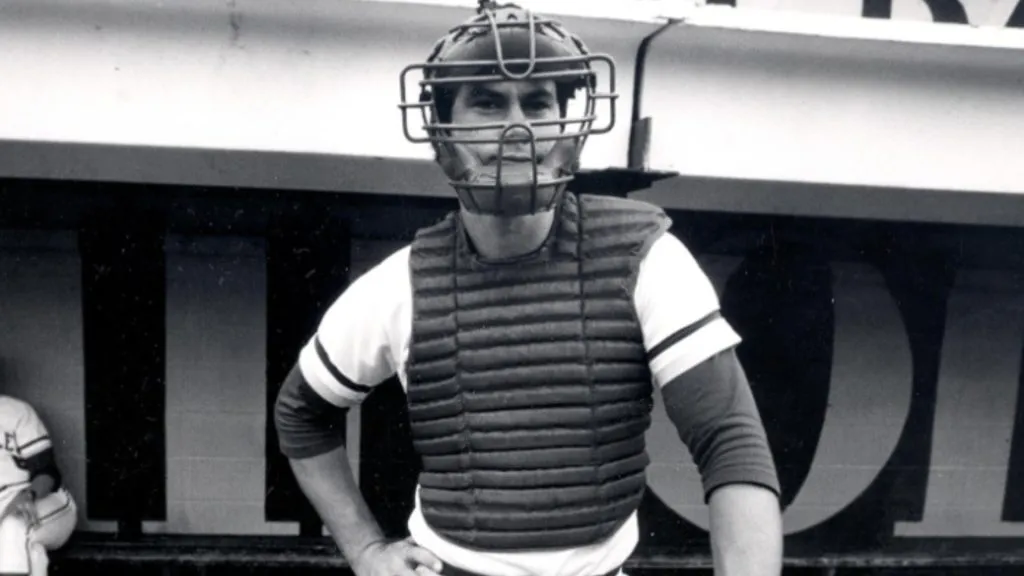
Terry Kennedy (Source: NoleFan.Org)
Terry Kennedy was the durable, left-handed-hitting backbone of the Padres throughout the early and mid-1980s, culminating in the franchise’s first-ever trip to the World Series in 1984. Acquired in 1981, he immediately established himself as a premier offensive catcher, earning three of his four All-Star selections while playing in San Diego.
In 1983, he earned the Silver Slugger Award after hitting a career-high 21 home runs and leading the team in RBIs. A year prior, he demonstrated rare power for his position by tying Hall of Famer Johnny Bench’s NL record with 40 doubles in a season by a catcher.
His leadership behind the plate was pivotal, guiding the pitching staff and driving the offense as the team matured into a pennant winner, providing the crucial veteran presence needed to navigate the postseason.
Eric Show
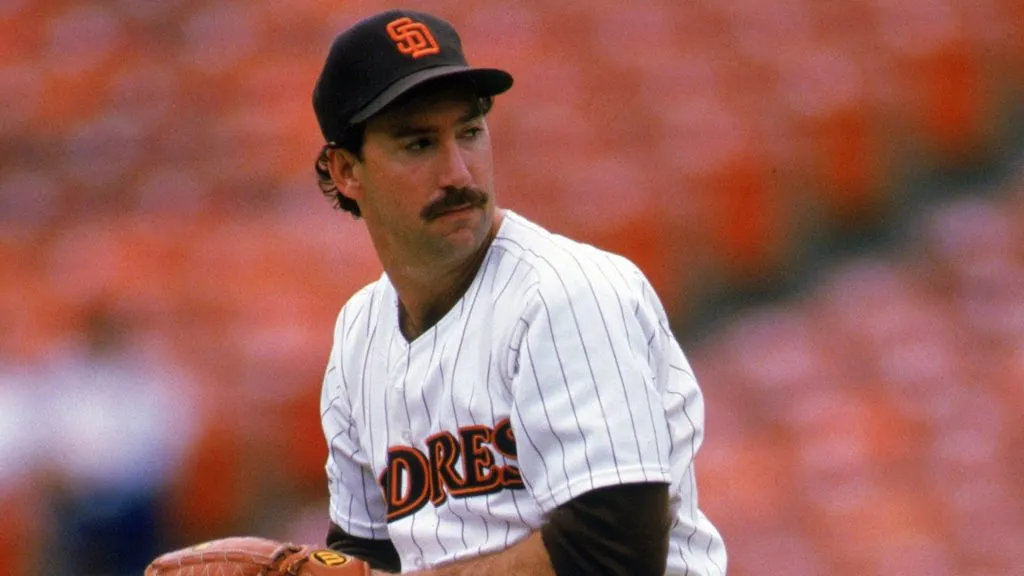
Eric Show (Source: Rick Stewart/Getty Images)
Eric Show‘s career with the Padres is an intricate narrative, defined by both his achievement and his unintended role in baseball history. Drafted in 1978, the right-hander pitched for the club from 1981 to 1990 and holds the significant distinction of being the Padres’ all-time career wins leader with 100 victories.
He was a key member of the 1984 Padres team that won the National League pennant. However, outside of San Diego, he is most famously known as the pitcher who surrendered Pete Rose’s record-breaking 4,192nd career hit on September 11, 1985.
Show, an intellectual and often misunderstood figure, openly expressed his detachment from the historic moment, which caused a memorable stir. Despite that off-field drama, his longevity and consistency on the mound secured his place as the most winning pitcher in franchise history.
Steve Finley
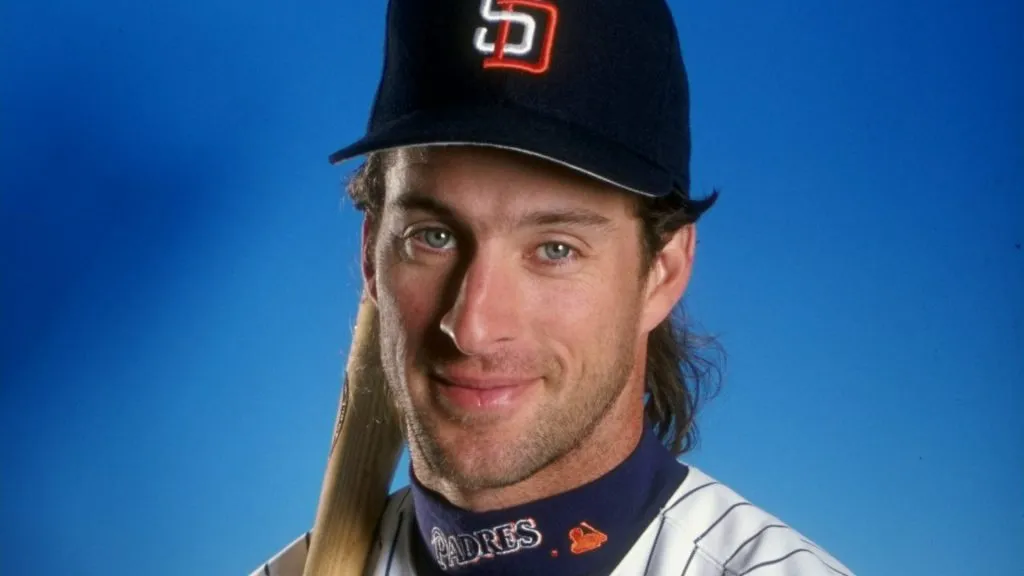
Steve Finley (Source: Otto Greule Jr. /Allsport)
Steve Finley was the definition of an elite center fielder, a player who offered five-tool excellence and Gold Glove defense during the Padres’ mid-90s resurgence. Acquired as part of the blockbuster trade that also brought Ken Caminiti to San Diego, he immediately anchored the outfield and set the tone for the team’s championship aspirations from 1995 to 1998.
His time in brown and gold was highly productive: he made the All-Star team in 1997 and earned two of his five career Gold Glove Awards with the Padres, validating his reputation as one of the best defensive center fielders in the game.
He was a consistent offensive threat, leading the team in runs, doubles, and triples in multiple seasons, and famously hit a game-ending grand slam in 1998. He was a vital, reliable presence at the heart of the lineup and the defensive core of the 1998 National League Championship squad.
Bruce Hurst
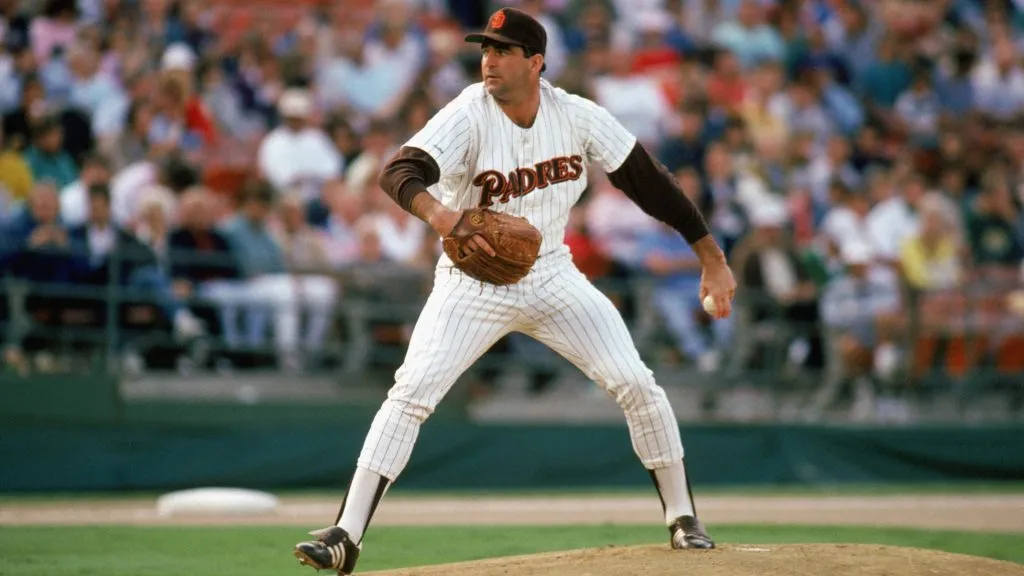
Bruce Hurst (Source: Stephen Dunn/Getty Images)
Bruce Hurst, a dependable left-handed starter, brought stability and a track record of winning to San Diego when he signed with the team as a high-profile free agent in 1989. Coming off an impressive World Series performance with the Red Sox, he gave the Padres the established ace they desperately sought, setting the stage for the pitching-focused teams of the early 1990s.
During his five-year tenure, he became one of the league’s most consistent lefties, known for his smart pitching and durable work ethic. He delivered several 200-plus inning seasons and was the Padres’ Opening Day starter on three separate occasions, showcasing the trust the organization had in his veteran leadership and composure. His consistent performance during his tenure provided a crucial foundation for the pitchers who followed him in the rotation.
Ryan Klesko
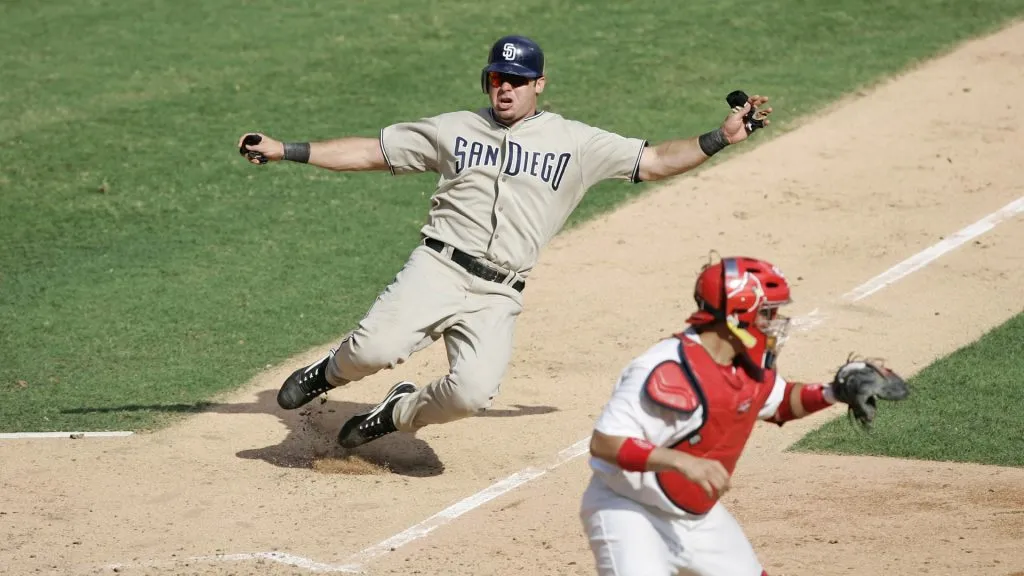
Ryan Klesko (Source: G. N. Lowrance/Getty Images)
Ryan Klesko was a powerful, left-handed slugger whose seven years with the Padres were marked by consistent pop and high on-base skills. Already a World Series champion with the Atlanta Braves, he was the perfect bat to build the team’s offense around as the millennium turned, offering a high-impact presence at first base and the corner outfield spots.
He earned an All-Star nod in 2001 after posting career highs in RBIs and home runs, while also showcasing his surprising speed with 23 stolen bases. Notably, he was an absolute nightmare for right-handed pitching throughout his career.
He hit .300 with 29 home runs in 2002 and is one of the franchise leaders in on-base plus slugging (OPS) during his era, solidifying his role as one of the most potent hitters of his time in San Diego.
Ed Whitson
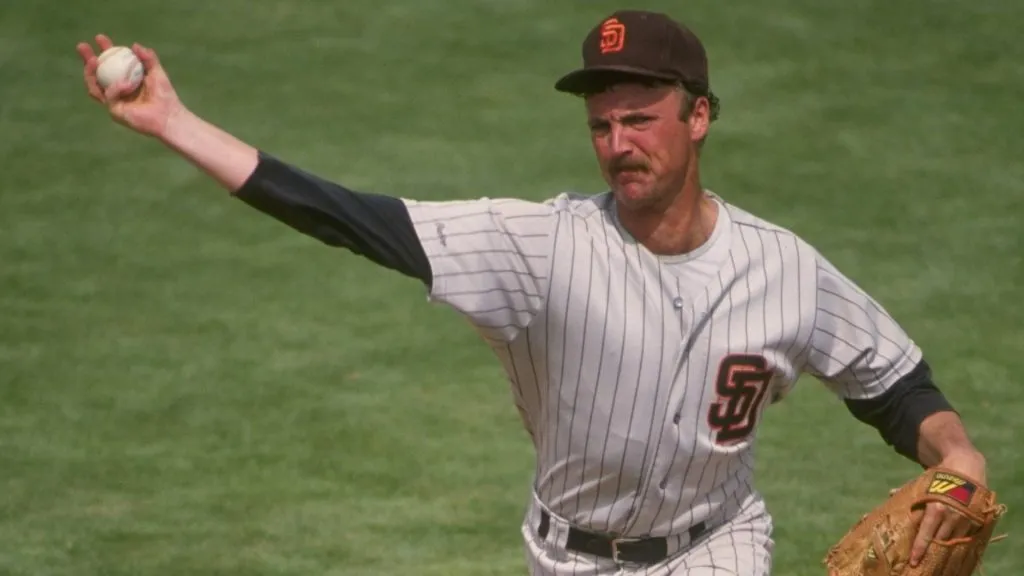
Ed Whitson (Source: Ken Levine /Allsport)
Ed Whitson’s Padres career spanned two distinct chapters, but his long tenure and consistency resulted in a significant achievement: he is the Padres’ all-time career wins leader with 100 victories. A durable right-handed starter, he was a critical member of the rotation that led the franchise to its first National League pennant in 1984.
During that memorable 1984 season, he finished 14-8 and famously delivered a strong performance in Game 3 of the NLCS against the Chicago Cubs, halting the Cubs’ momentum and jump-starting the Padres’ historic comeback.
Although he is sometimes remembered for an ill-fated stint with the Yankees between his Padres years, his workhorse mentality and loyalty to San Diego—where he finished his career—cemented his status as a franchise fixture.
Greg Harris
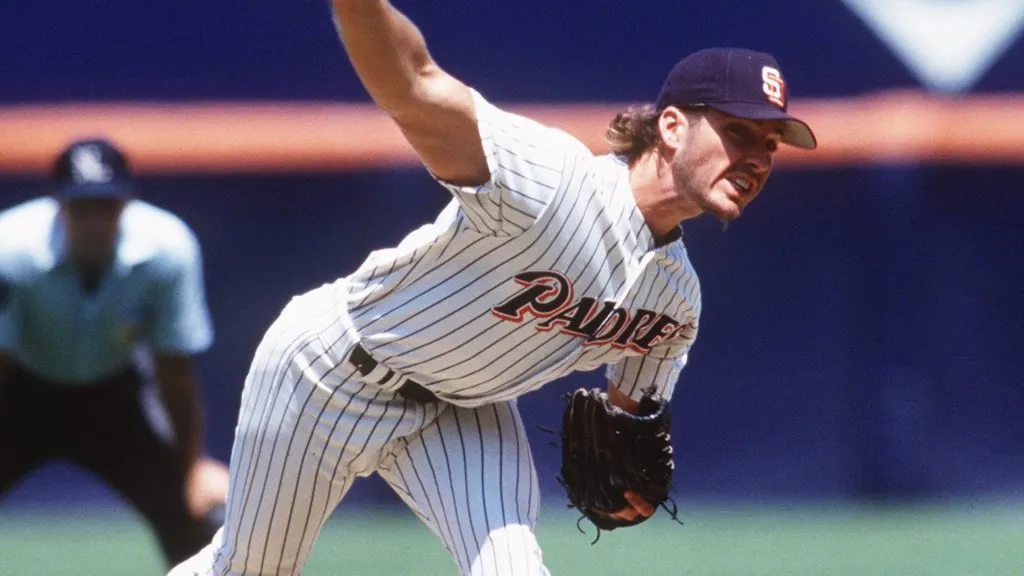
Greg Harris (Source: Stephen Dunn/Getty Images)
Greg Harris was a steady, durable force on the Padres’ pitching staff for six seasons, transitioning effectively between the bullpen and the starting rotation. Drafted by San Diego in 1985, he quickly developed into a reliable arm known for his big, sweeping curveball, which was considered one of the best in the National League at the time.
His longevity and effectiveness were remarkable, and his career 2.5 combined runs allowed average with the Padres is still among the lowest in team history, behind only Trevor Hoffman.
His best statistical seasons came in the early 1990s, where he showcased his versatility. While his time ended when he and Bruce Hurst were traded during the infamous 1993 “fire sale”, he was a highly valued, multi-talented pitcher who excelled during an era often starved for elite arms.
Joey Hamilton
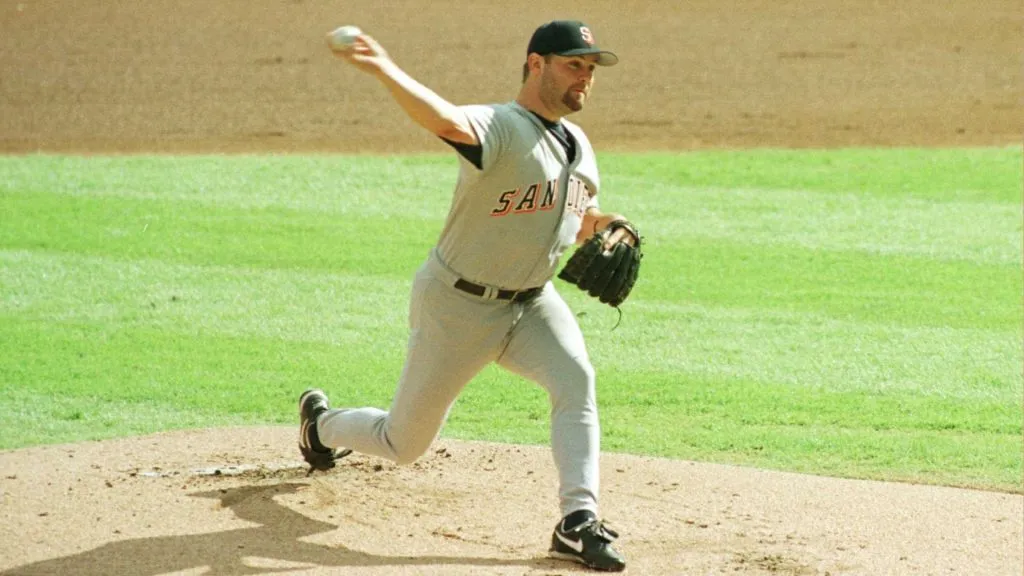
Joey Hamilton (Source: Jonathan Daniel/Allsport)
Joey Hamilton was the Padres’ homegrown pitching prospect, selected 8th overall in the 1991 draft, who matured into a key starter for the mid-to-late 1990s teams. Known for his high-velocity fastball, he joined the Major Leagues in 1994 and immediately proved his worth, finishing fifth in the NL Rookie of the Year voting.
His best stretch included a 15-win season in 1996, and he consistently logged over 200 innings in the rotation, showcasing his durability as a young ace. By 1998, he was part of a formidable pitching staff that included Kevin Brown, providing crucial depth and frontline talent that propelled the team to the World Series. Despite being passed over for the World Series rotation, he was a major force throughout that pennant-winning campaign, totaling 55 wins during his tenure in San Diego.