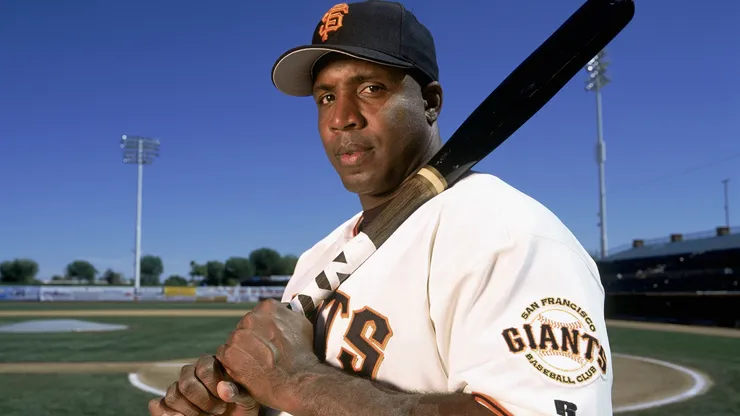
From the Polo Grounds to Oracle Park, the San Francisco Giants have carried a tradition built on iconic moments and unforgettable names. Each generation has had its own heroes who defined what it meant to wear orange and black.
The franchise’s story is written in power swings, brilliant gloves and pitchers who turned games into folklore. Some MLB players became legends instantly, others left their mark across steady, remarkable careers.
In tracing this legacy, a select 25 stand out as pillars of the Giants history. They are the icons who shaped the diamond, elevated the franchise, and built a legacy that remains as enduring as the team’s colors.
Willie Mays
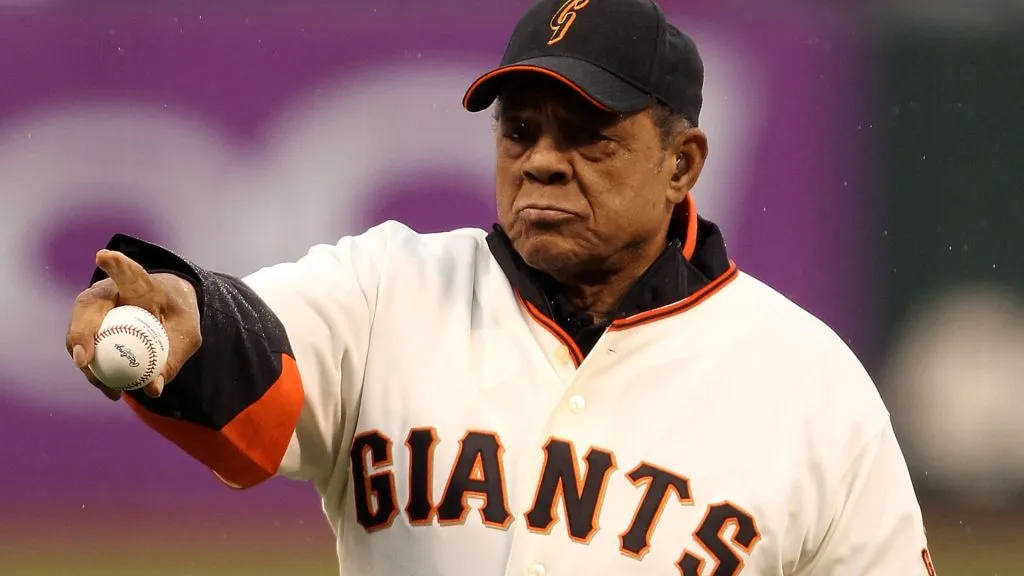
Willie Mays (Source: Ezra Shaw/Getty Images)
Few athletes transcend their sport the way Willie Mays did. Known simply as “The Say Hey Kid,” he was more than a five-tool player—he was baseball’s perfect storm of skill, charisma, and competitive fire. His over-the-shoulder grab in the 1954 World Series, forever remembered as “The Catch,” remains one of the most iconic defensive plays in history.
With 660 home runs, 12 Gold Gloves, 24 All-Star appearances, and two MVP awards, his numbers only tell part of the story. For generations, he embodied what it meant to wear orange and black: excellence, grace, and a legacy that still sets the standard for greatness in San Francisco.
Buster Posey
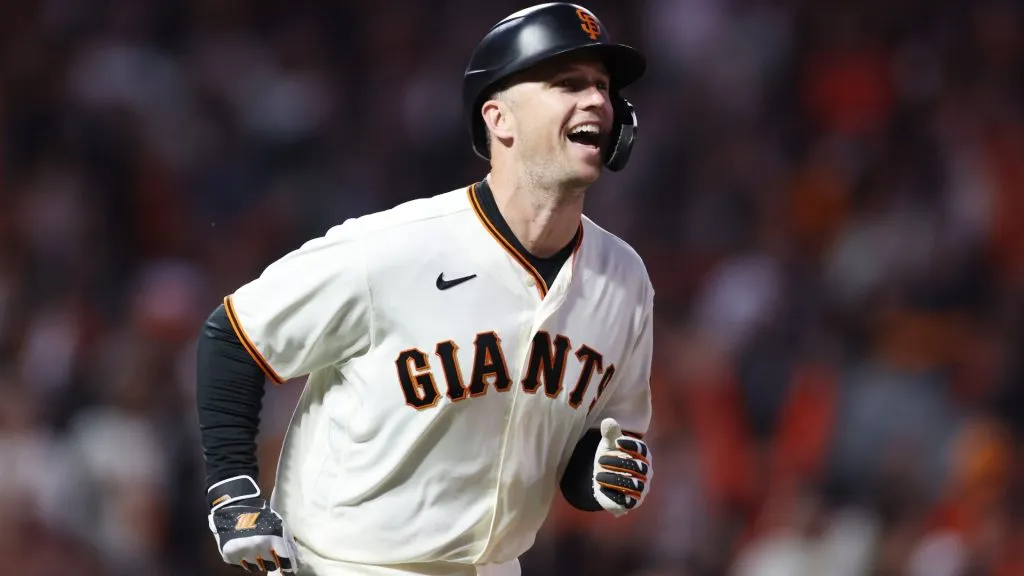
Buster Posey (Source: Harry How/Getty Images)
The quiet captain of a modern dynasty, Buster Posey became the heart of the Giants during their golden years of the 2010s. From winning Rookie of the Year in 2010 to an MVP award just two seasons later, his career was defined by poise behind the plate and a knack for clutch hitting.
He anchored three World Series titles (2010, 2012, 2014), guided pitching staffs with unshakable calm, and added a Gold Glove and four Silver Slugger awards to his résumé. Beyond the statistics, he symbolized leadership: a steady presence in the chaos of October and a franchise cornerstone whose retirement in 2021 closed a historic chapter.
Madison Bumgarner
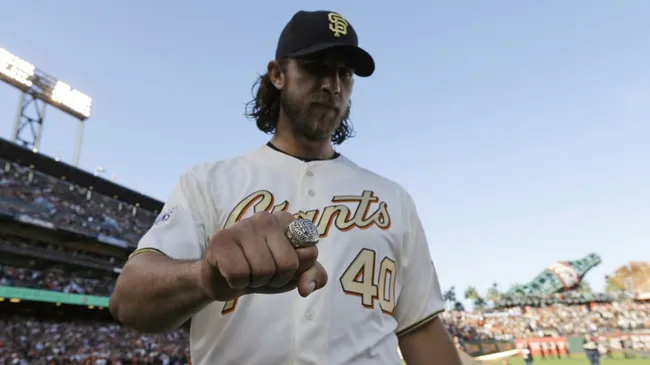
Madison Bumgarner (Source: Ben Margot – Pool/Getty Images)
October baseball has rarely seen a figure as commanding as Madison Bumgarner. The left-hander’s ordinary regular seasons transformed into legendary postseason runs, none greater than 2014, when he delivered one of the most heroic pitching performances in World Series history.
His five shutout innings in relief during Game 7 against Kansas City, on just two days’ rest, secured his place in baseball lore. That year, he earned World Series MVP honors and posted an ERA of 0.43 across 21 innings in the Fall Classic. His bulldog mentality, unflappable demeanor, and ability to rise under pressure made him the very definition of a postseason ace.
Mel Ott
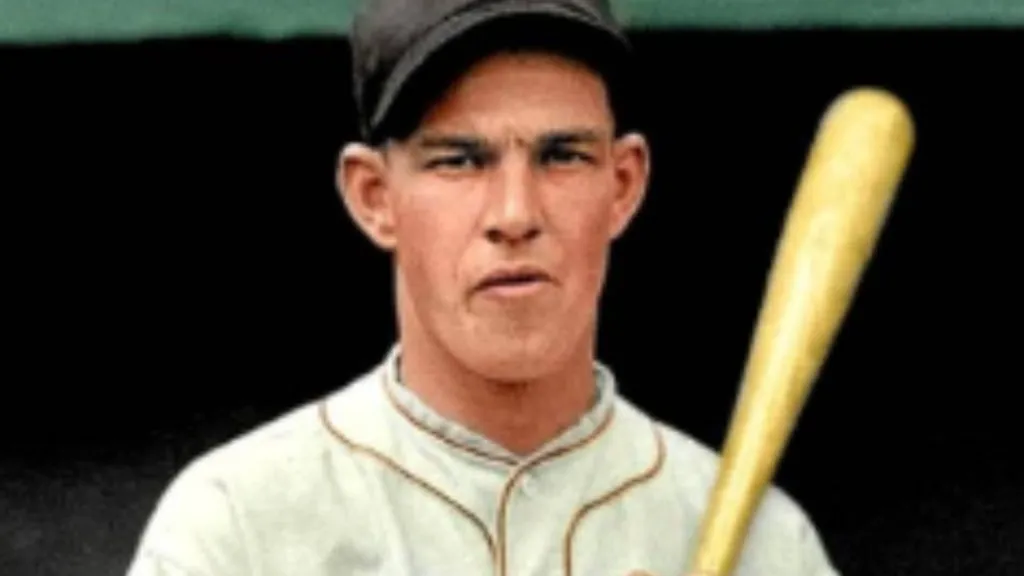
Mel Ott (Source: Louisiana Sports Hall of Fame)
Before Willie Mays and Barry Bonds, there was Mel Ott—the first true Giants superstar. Debuting as a 17-year-old, hebecame the face of the New York Giants through the 1930s and 40s, combining a compact swing with prodigious power.
He became the first National League player to reach 500 career home runs, a feat that placed him among baseball’s immortals long before power hitting became common.
His18 All-Star selections and six 100-RBI seasons were matched by his reputation as a leader who played the game with humility and consistency. In the Polo Grounds, his high-arcing homers became legend, cementing his place as the franchise’s cornerstone in its New York era.
Will Clark
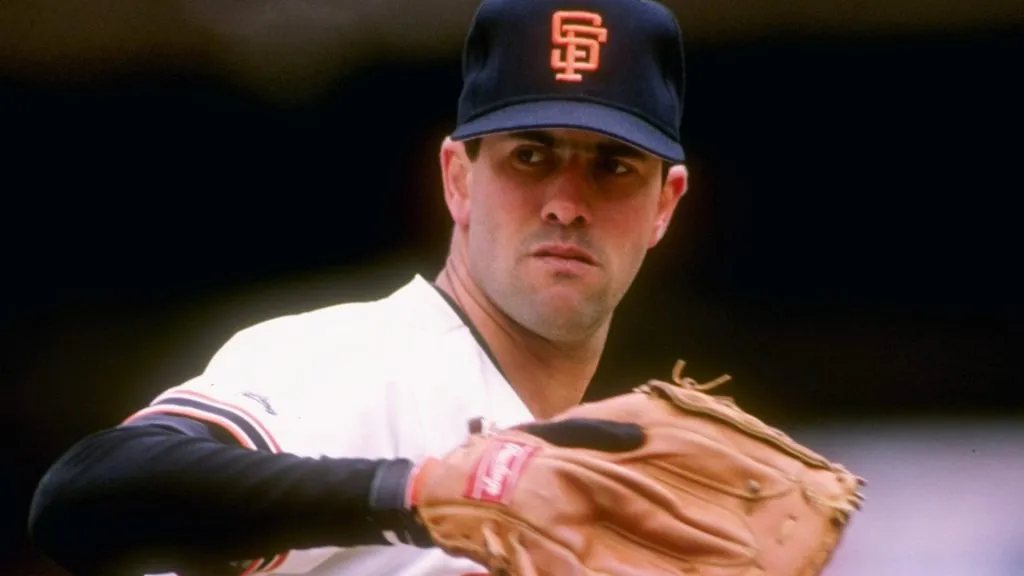
Will Clark (Source: Otto Greule /Allsport)
“Will the Thrill” brought swagger and fire to the Giants in the late 1980s, giving the team a personality as sharp as his swing. His rookie debut in 1986—homering off Nolan Ryan in his first at-bat—set the tone for a career of dramatic moments.
Will Clark became a six-time All-Star, Gold Glove first baseman, and the MVP of the 1989 NLCS, when he carried the Giants to their first World Series appearance in nearly three decades. Fans adored him for his fierce competitiveness and clutch performances, which made him a defining figure in bridging the Giants’ New York legacy to their modern San Francisco identity.
Juan Marichal
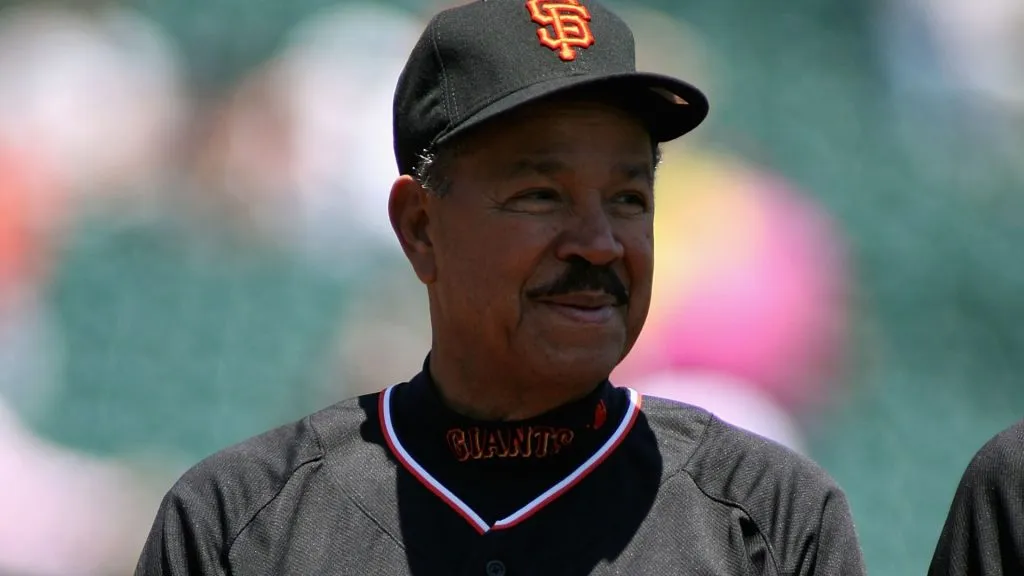
Juan Marichal (Source: Christian Petersen/Getty Images)
Nicknamed “The Dominican Dandy,” Juan Marichal dazzled with a high leg kick that became as famous as his pinpoint control. A workhorse of the 1960s, he authored six 20-win seasons, threw 244 complete games, and earned a spot in 10 All-Star Games. In 1963, he famously pitched a 16-inning shutout, a testament to his unmatched endurance and willpower.
His artistry on the mound was complemented by his trailblazing role as one of the first Dominican-born superstars in Major League Baseball, paving the way for countless others. His dominance and flair made him an unforgettable Giant.
Barry Bonds
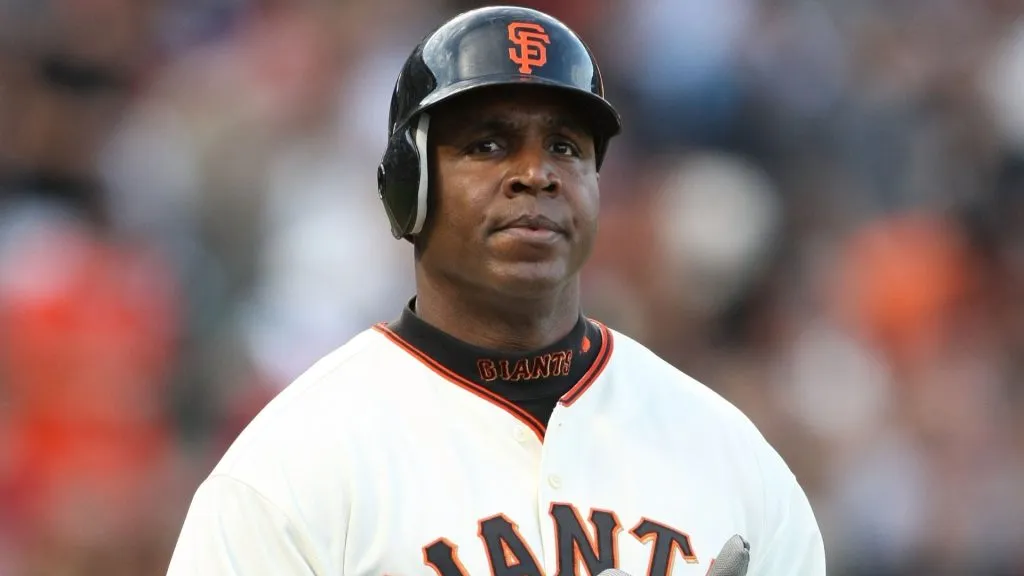
Barry Bonds (Source: Jed Jacobsohn/Getty Images)
Few players have redefined the sport like Barry Bonds, whose power, patience, and presence reshaped baseball in the late 1990s and early 2000s. His seven MVP awards remain unmatched, and his 762 career home runs stand as the all-time record.
He also holds the single-season home run mark with 73 in 2001, alongside records for career walks and intentional walks. While debates over performance-enhancing drugs cloud his Hall of Fame case, his impact on the Giants and the sport is undeniable. A feared hitter like no other, Bonds drew respect—even from those who wouldn’t pitch to him.
Willie McCovey
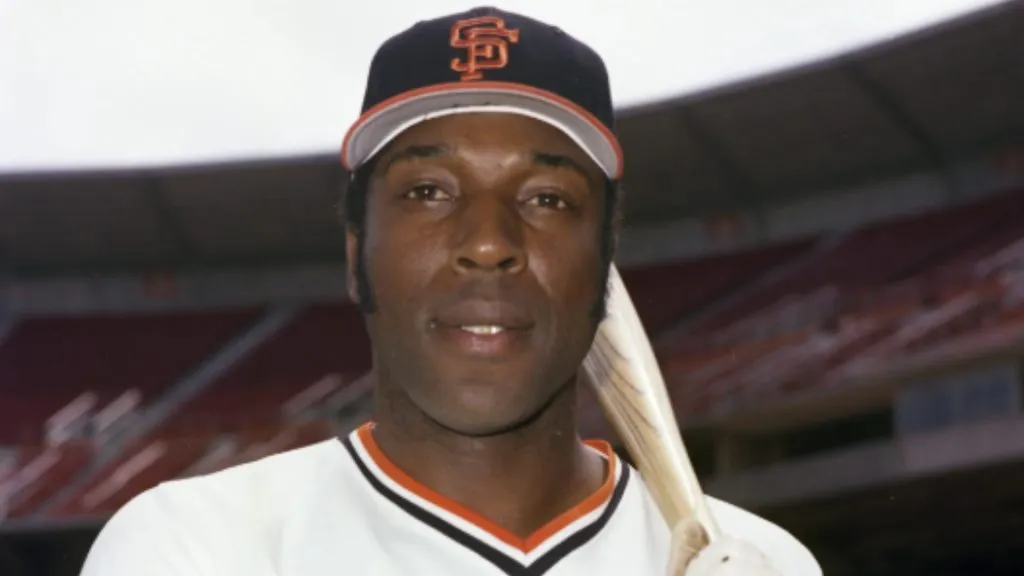
Willie McCovey (Source: Baseball Hall of Fame)
For nearly two decades, Willie McCovey’s bat defined power in San Francisco. “Stretch,” as he was known, launched 521 home runs during his career, including a then-record 18 grand slams. The left-handed slugger combined raw strength with elegance, becoming a fixture at first base and an icon to Giants fans.
Despite battling knee injuries, his presence at the plate was a constant threat, and his legacy endures not just in the numbers, but in the very geography of Oracle Park—where McCovey Cove immortalizes his name.
Christy Mathewson
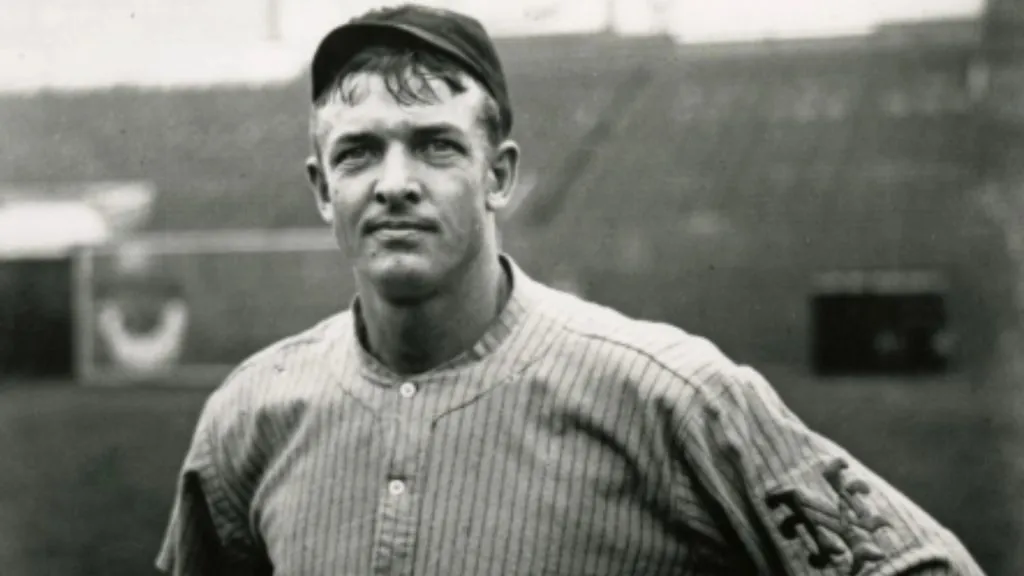
Christy Mathewson (Source: Baseball Hall of Fame)
Christy Mathewson emerged as the Giants’ first enduring legend, a studious presence who commanded the mound with cerebral precision. In the 1905 World Series, he delivered three complete-game shutouts in just six days to clinch the title—a feat still etched into baseball lore.
Known as “Big Six,” his elegant delivery and unshakeable control made him the archetype of early-20th-century pitching dominance; his career 373 wins place him among the game’s all-time elite.
Jeff Kent
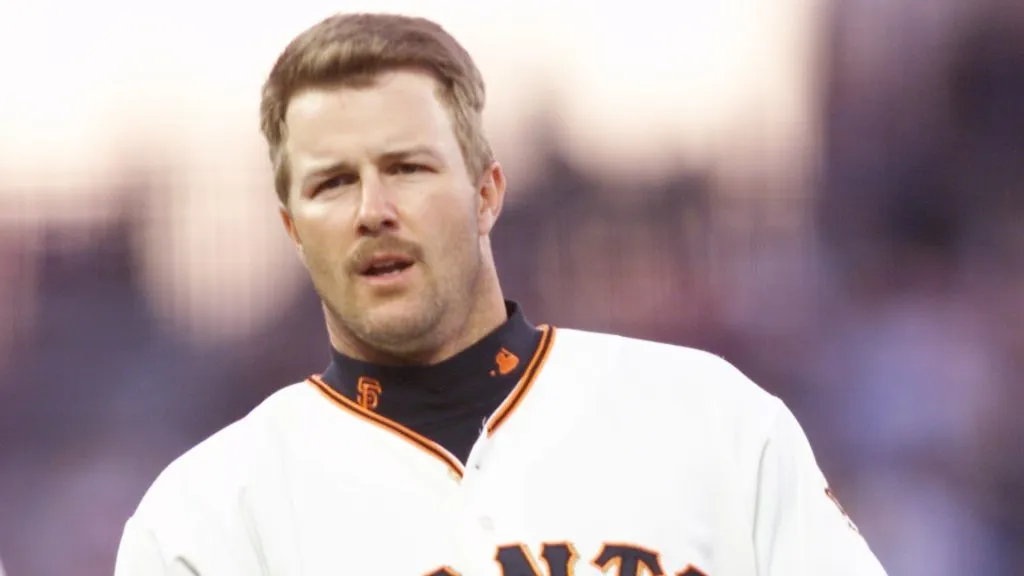
Jeff Kent (Source: Tom Hauck/Allsport)
He didn’t stride into San Francisco quietly—he roared. Arriving in 1997, Jeff Kent and Barry Bonds formed a power-packed middle lineup that redefined Giants offense. In 2000, he earned the NL MVP, becoming one of the most prolific second basemen ever—with more homers than any at his position. Even as debates swirl about Hall of Fame snubs, his consistency—six seasons with 90+ RBIs and a reliable .560+ career doubles tally—cements his case.
Orlando Cepeda
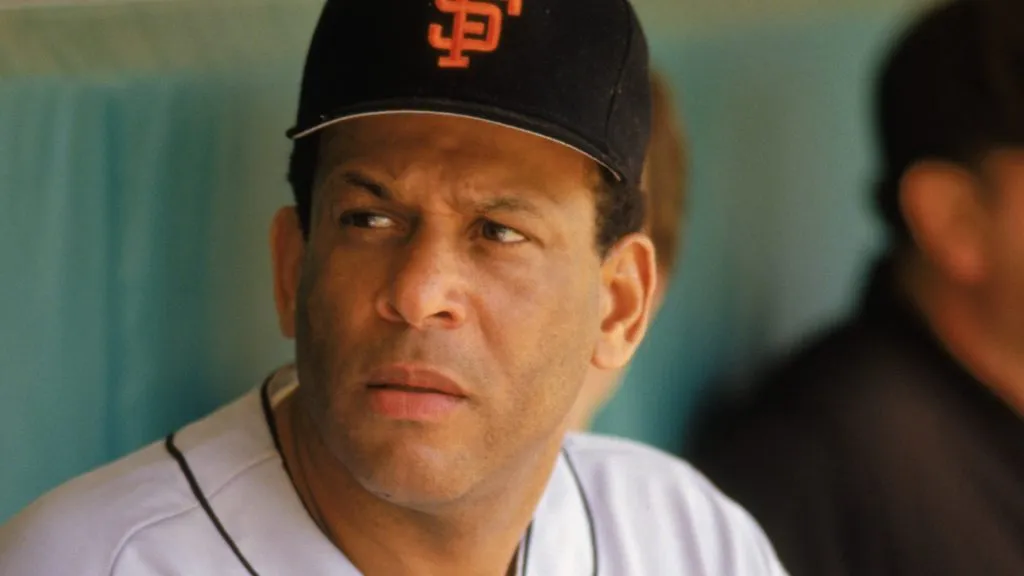
Orlando Cepeda (Source: Stephen Dunn/Getty Images)
Dubbed “The Baby Bull,” Orlando Cepeda arrived in 1958 and immediately asserted himself: .312 average, 25 homers, and NL Rookie of the Year honors. He wasn’t merely a rookie sensation—by 1961 he led the majors in RBIs (142) and the NL in home runs, signaling his departure from even the brightest expectations. An 11-time All-Star and Hall of Famer, he embodied the arrival of Latin American excellence in Giants lore.
Tim Lincecum
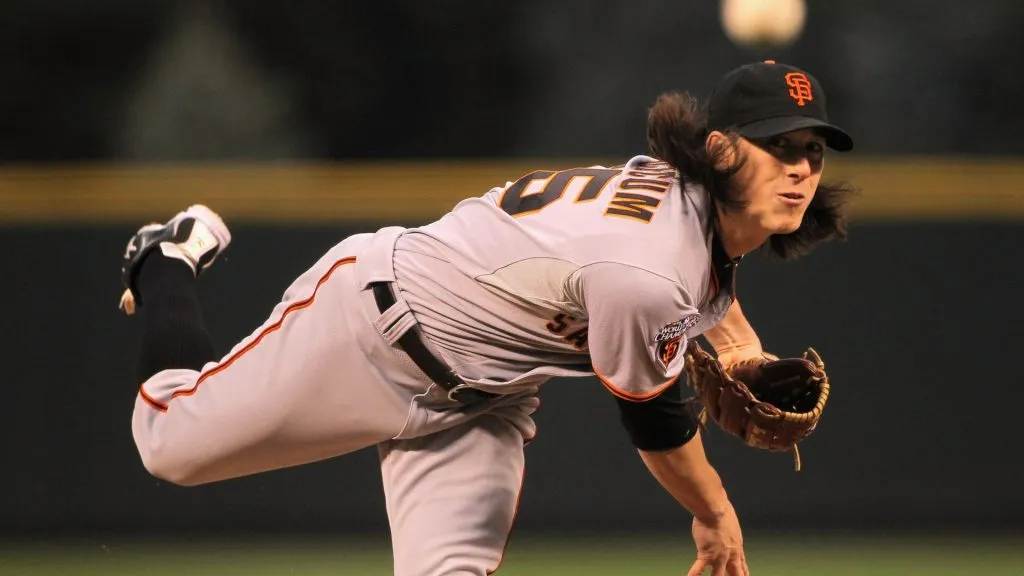
Tim Lincecum (Source: Doug Pensinger/Getty Images)
If “The Freak” redefined modern Giants pitching, it was on his own terms. Standing just 5’11”, he erupted from the mound with an unorthodox delivery and a ferocious fastball-curve combo that baffled hitters.
Tim Lincecum captured consecutive Cy Young Awards in ’08 and ’09, racking up strikeouts and leading the league as the Giants ignited a championship run. Years later, his 148-pitch no-hitter in 2013 became the stuff of legends—pure grit in an era of strict pitch counts.
Kevin Mitchell
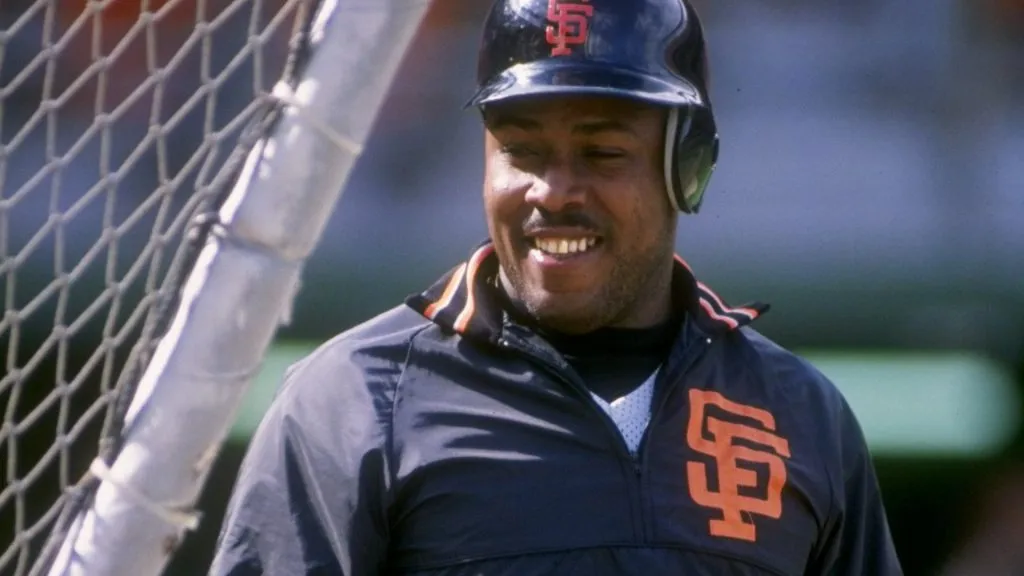
Kevin Mitchell (Source: Stephen Dunn /Allsport)
1989 was Kevin Mitchell’s year of eruption. Traded to the Giants midseason, he transformed into the NL MVP by leading the league in homers (47), RBIs (125), and slugging — all while anchoring the lineup’s spark.
His .284 career average, 234 homers, and 760 RBIs speak to a player who delivered repeated bursts of brilliance, even registering the franchise’s elite 40+ homer seasons alongside legends.
Matt Williams
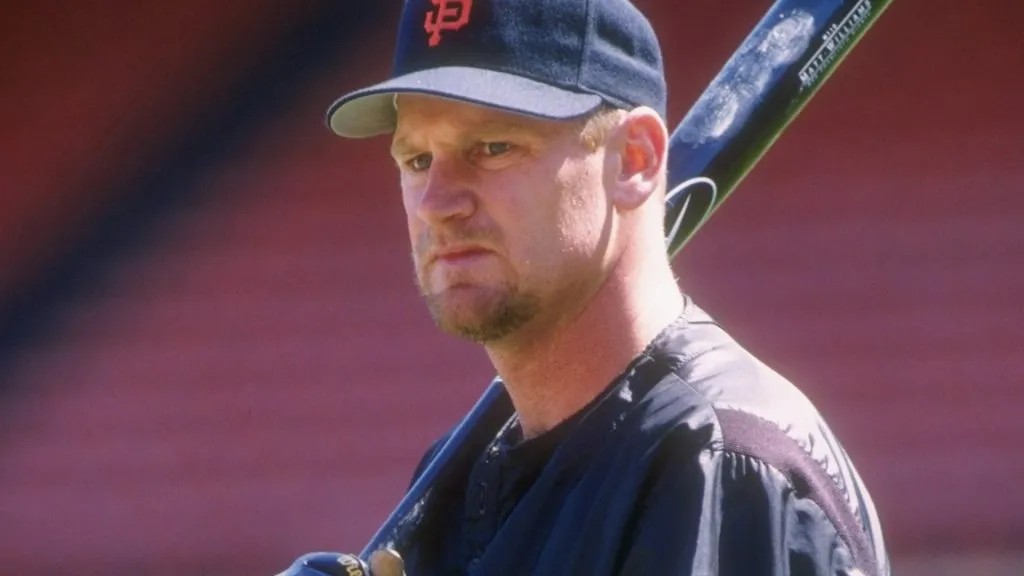
Matt Williams (Source: Getty Images)
A third baseman with power and polish, Matt Williams brought consistency to the hot corner. He hit 378 home runs and drove in over 1,200 runs, quietly delivering for multiple franchises—and uniquely, homered in the World Series for three different teams.
While gracefully aiding offense, he also filed four Gold Gloves and four Silver Sluggers, showcasing defensive and hitting excellence—especially defined by his 1993 surge after batting ahead of Barry Bonds.
Gaylord Perry
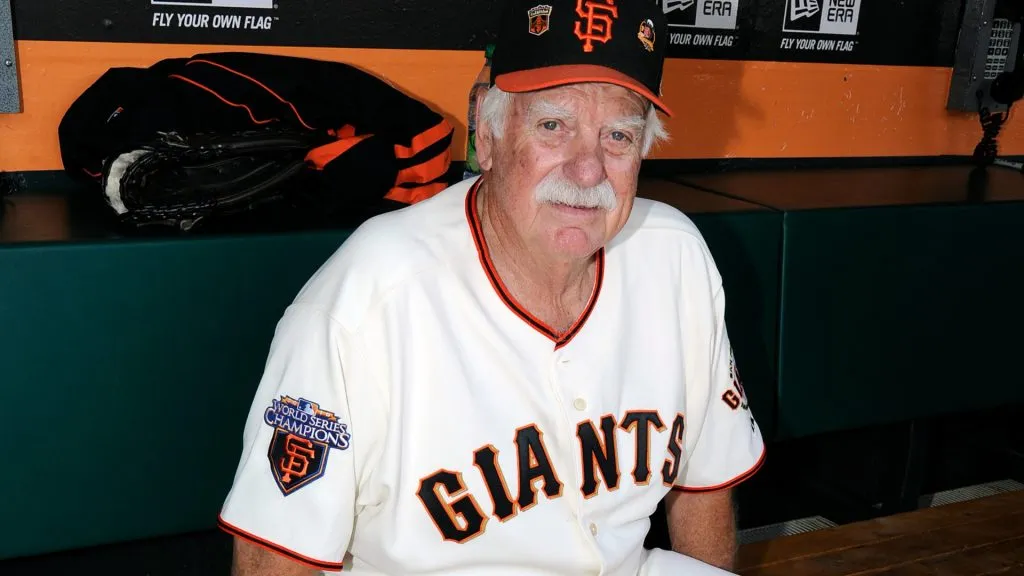
Gaylord Perry (Source: Thearon W. Henderson/Getty Images)
A crafty veteran with a signature twitch and sly grin, Gaylord Perry’s legacy with the Giants grew from both excellence and gamesmanship. Beginning in 1962, he and Juan Marichal formed one of baseball’s most imposing pitching tandems.
In 1966 he stormed to a 21-win season, and in ’68 even tossed a no-hitter against Bob Gibson at Candlestick Park. His durability is staggering—over 5,350 innings pitched, six 300-inning seasons—ultimately enshrining him among the era’s most enduring arms.
Carl Hubbell
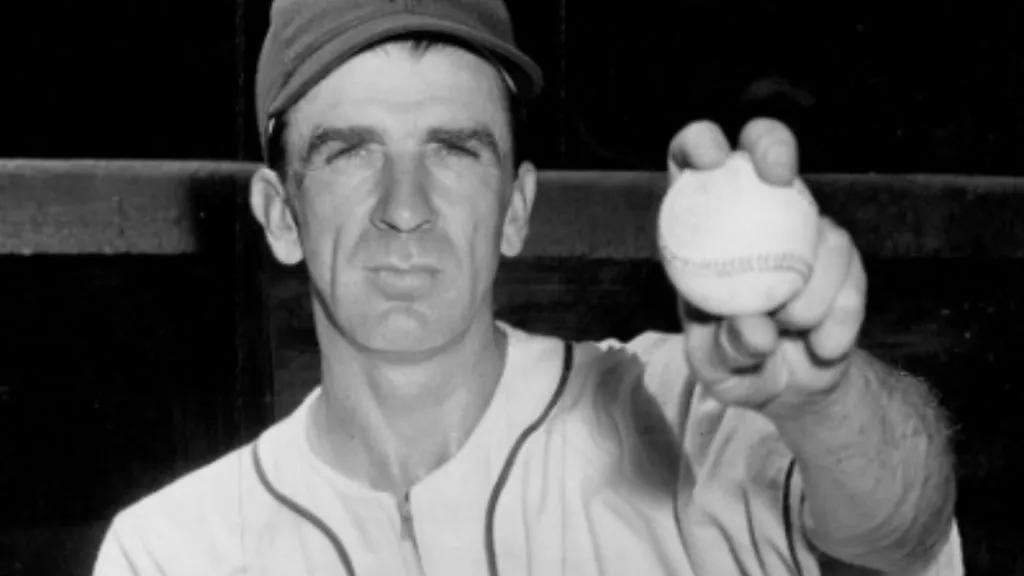
Carl Hubbell (Source: Missouri Sports Hall of Fame)
They called him “The Meal Ticket”—Carl Hubbell’s screwball was his signature dish. Anchoring the mound from 1928 to 1943 for the New York Giants, he dominated with finesse, earning MVP honors in 1933 and 1936 as baseball’s premier lefty.
His performance in the 1934 All-Star Game—striking out icons like Ruth, Gehrig, and Foxx in succession—remains one of the sport’s most legendary showings. After retirement, his devotion persisted: he served as Giants farm director and scout, weaving himself permanently into the franchise’s fabric.
Brandon Crawford
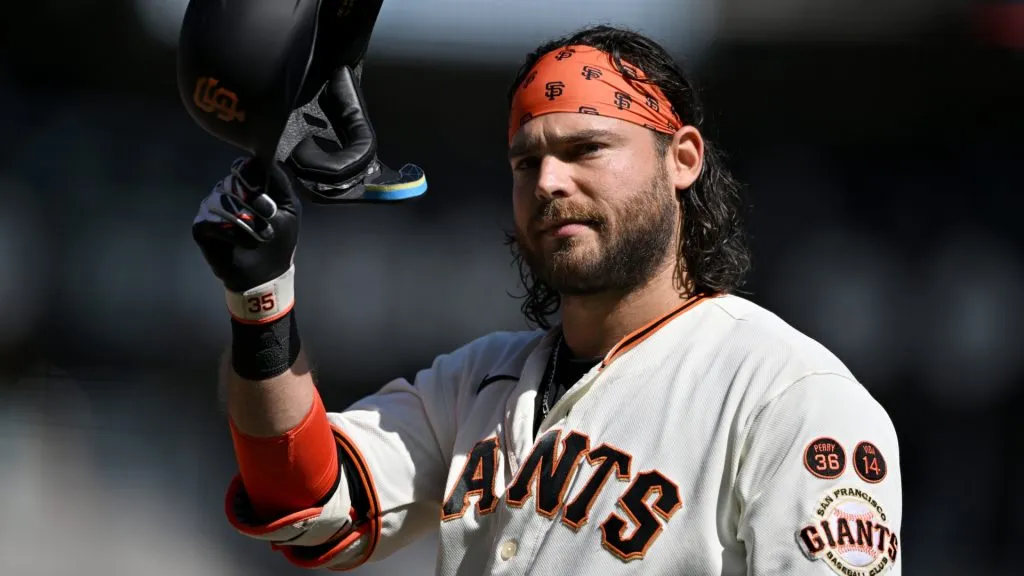
Brandon Crawford (Source: Brandon Vallance/Getty Images)
Few players embody the modern Giants era quite like Brandon Crawford. The Bay Area native grew from a fan in the Candlestick stands to the team’s defensive cornerstone at shortstop.
Across 13 seasons, he collected four Gold Gloves and two World Series rings, rewriting the definition of longevity at one of baseball’s most demanding positions. His 2021 campaign was a renaissance at age 34, when he posted career highs in OPS and MVP voting, reminding the game he was far more than just a glove.
His greatest contribution, however, might be stability. While rosters shifted and stars came and went, he remained the calm center of the diamond. In surpassing 1,600 games at shortstop, he passed Travis Jackson for the most in franchise history, securing his legacy not through flash but through relentless dependability.
Pablo Sandoval
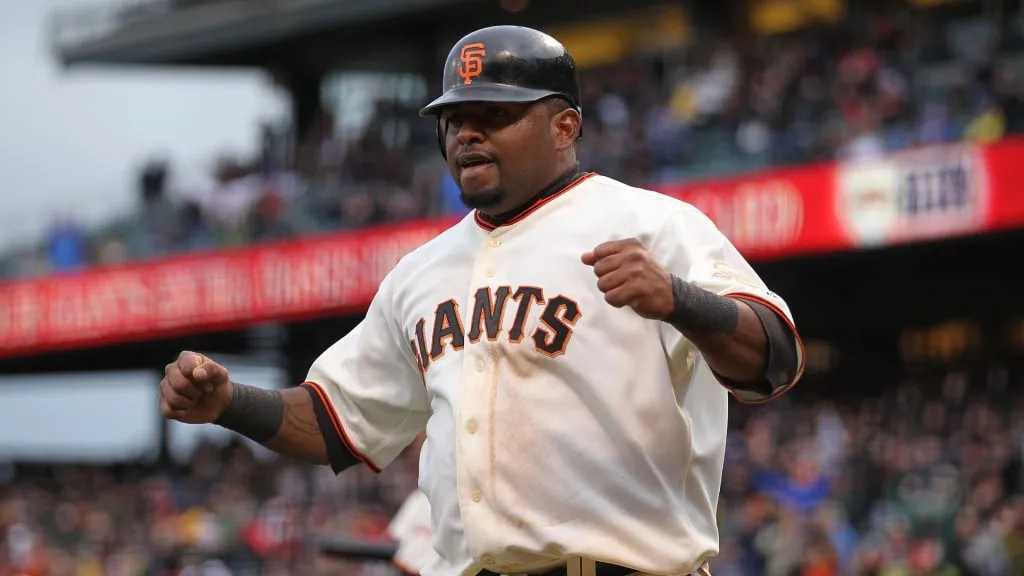
Pablo Sandoval (Source: Jed Jacobsohn/Getty Images)
When fans recall the championship decade, few images shine brighter than Pablo Sandoval’s wide grin and clutch swing. Nicknamed “Kung Fu Panda,” he embodied joy on the field, but his bat was all business. In Game 1 of the 2012 World Series, he etched his name alongside Ruth, Jackson, and Pujols by homering three times—an effort that delivered him the Series MVP and defined the Giants’ dynasty years.
Beyond that iconic night, he was a two-time All-Star and a postseason performer whose timing seemed almost mystical. His career later wavered, clouded by fitness struggles and uneven play, but his early contributions remain immortal. For Giants fans, he will always be the Panda who swung the franchise into history.
Sergio Romo
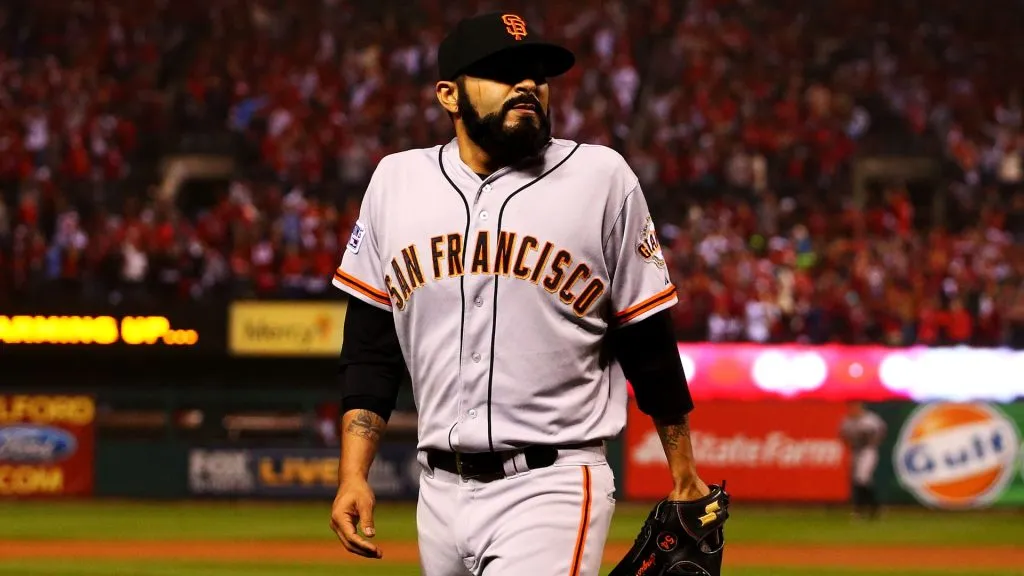
Sergio Romo (Source: Dilip Vishwanat/Getty Images)
Sergio Romo was never the most intimidating figure on the mound—until he started throwing. Armed with a slider that broke bats and hearts in equal measure, the right-hander carved out a reputation as one of the game’s most reliable relievers. From 2010 to 2016, he delivered sub-3 ERAs in six seasons, transitioning seamlessly from setup man to closer.
His crowning moment came on October 28, 2012, when he froze Miguel Cabrera with a perfectly placed fastball to seal the World Series. That snapshot—His fist in the air, Cabrera caught looking—epitomized his unassuming brilliance. He wasn’t flashy, but when the game was on the line, he was the Giants’ quiet closer of destiny.
Jason Schmidt
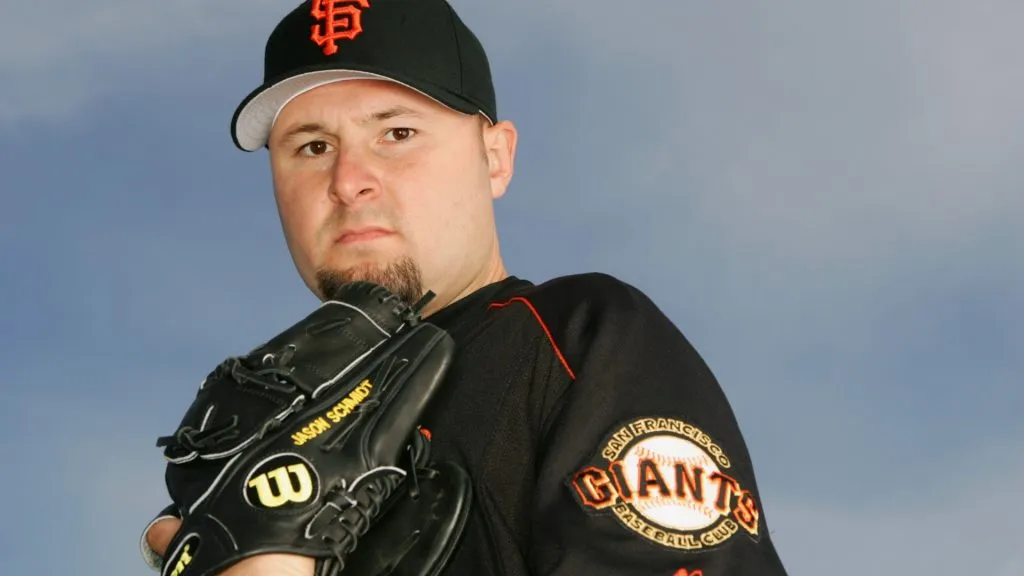
Jason Schmidt (Source: Lisa Blumenfeld/Getty Images)
Before Tim Lincecum and Madison Bumgarner, there was Jason Schmidt—a towering ace whose fastball made him the most feared pitcher in the National League. After arriving via trade in 2001, he blossomed into a three-time All-Star, posting a 2.34 ERA in 2003 and finishing second in Cy Young voting.
He gave the Giants a true workhorse, recording more than 200 strikeouts in three seasons and throwing a 16-strikeout gem in 2004 that remains a franchise record. Though his prime burned bright but brief, his dominance gave San Francisco a bona fide ace during a critical transitional era.
Brandon Belt
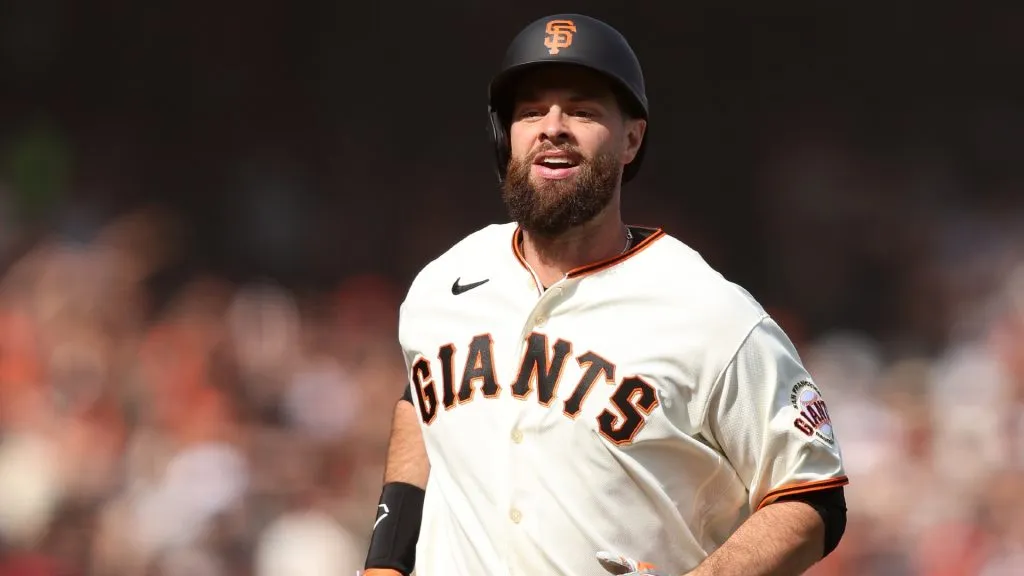
Brandon Belt (Source: Ezra Shaw/Getty Images)
Brandon Belt was never the loudest star, but he was the kind every contender needs. Nicknamed the “Baby Giraffe” for his lanky frame, he became a fixture at first base for over a decade, pairing elite defense with a disciplined eye at the plate. He collected more than 1,200 hits in orange and black, but it was his knack for dramatic timing that stands out.
Most memorably, his 18th-inning home run against Washington in the 2014 NLDS broke the longest game in postseason history and set the stage for another Giants title. He might not have sought the spotlight, but when the lights burned brightest, he had a way of finding it.
Rod Beck
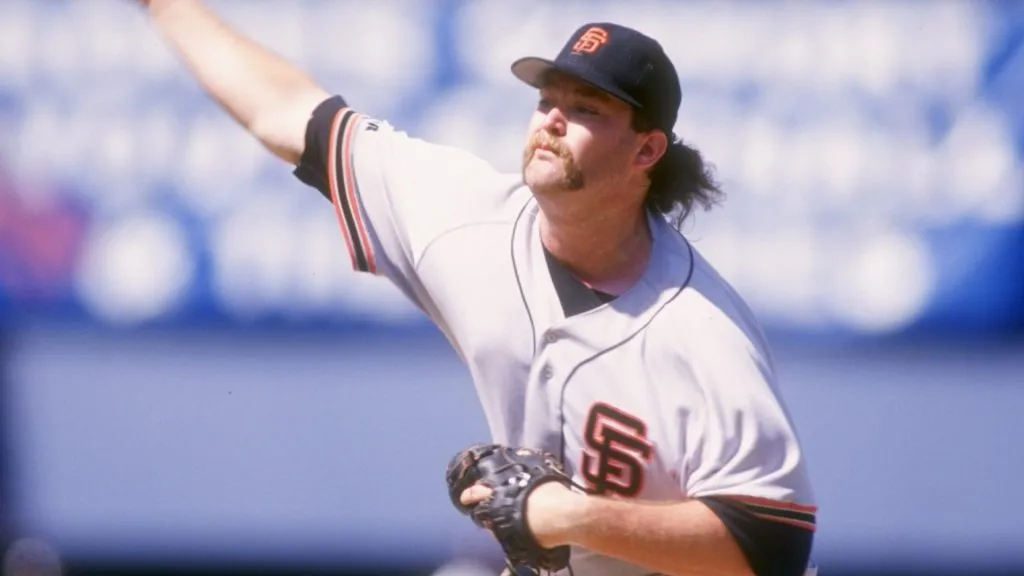
Rod Beck (Source: Jed Jacobsohn /Allsport)
Rod “Shooter” Beck looked like he belonged in a biker bar more than on a pitcher’s mound, but his mustache and fiery personality became staples of Giants baseball in the 1990s. A three-time All-Star, he racked up 48 saves in 1993 alone, tying the franchise record at the time.
Off the field, his impact was just as profound. He helped launch “Until There’s a Cure Day” at Candlestick Park, raising awareness and funds for AIDS research—a tradition that lives on decades later. His legacy is not only one of strikeouts and saves, but of compassion and connection.
Bobby Thomson
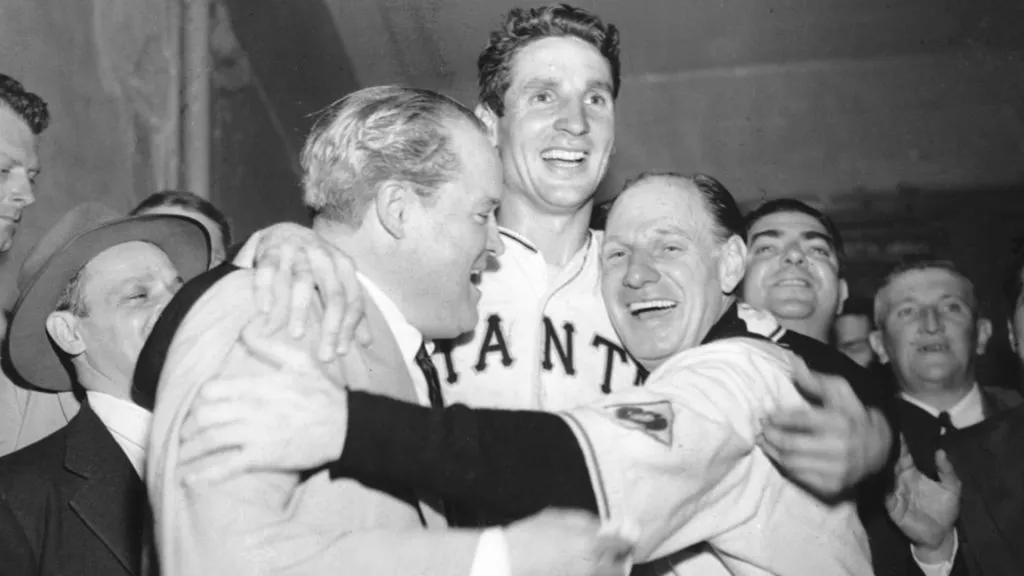
Bobby Thomson (Source: MLB)
For Giants fans, one swing in 1951 echoes louder than entire careers: Bobby Thomson’s “Shot Heard ’Round the World.” With one crack of the bat, he propelled the Giants past the Dodgers in the pennant playoff, producing perhaps the most famous home run in baseball history.
Though his career featured three All-Star nods and eight 20-homer seasons, that single moment immortalized him. He will forever be linked with Russ Hodges’ frantic radio call and the collective gasp of a baseball nation. In Giants history, he is proof that one swing can define eternity.
Johnny Mize
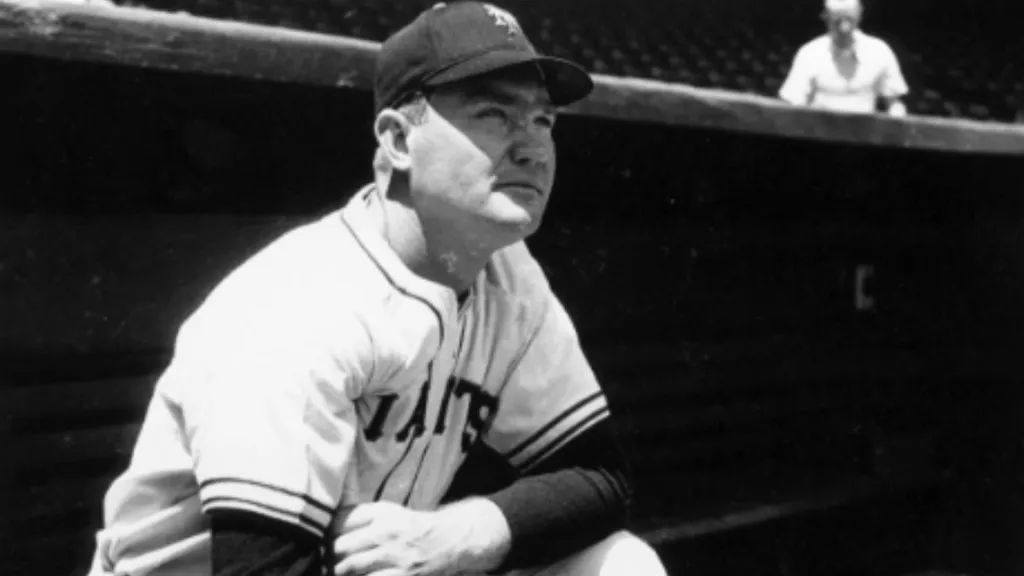
Johnny Mize (Source: Baseball Hall of Fame)
Johnny Mize, “The Big Cat,” was elegance and power in equal measure. Though his time with the Giants was shorter than with other clubs, he made an indelible mark, leading the National League in home runs in 1947 with 51—a franchise record at the time.
His left-handed swing was as smooth as it was deadly, and his ability to hit for both power and average made him one of the most complete hitters of his era. Later enshrined in Cooperstown, his years in New York bridged eras and reminded fans that artistry and strength could coexist in one swing.
Jim Ray Hart
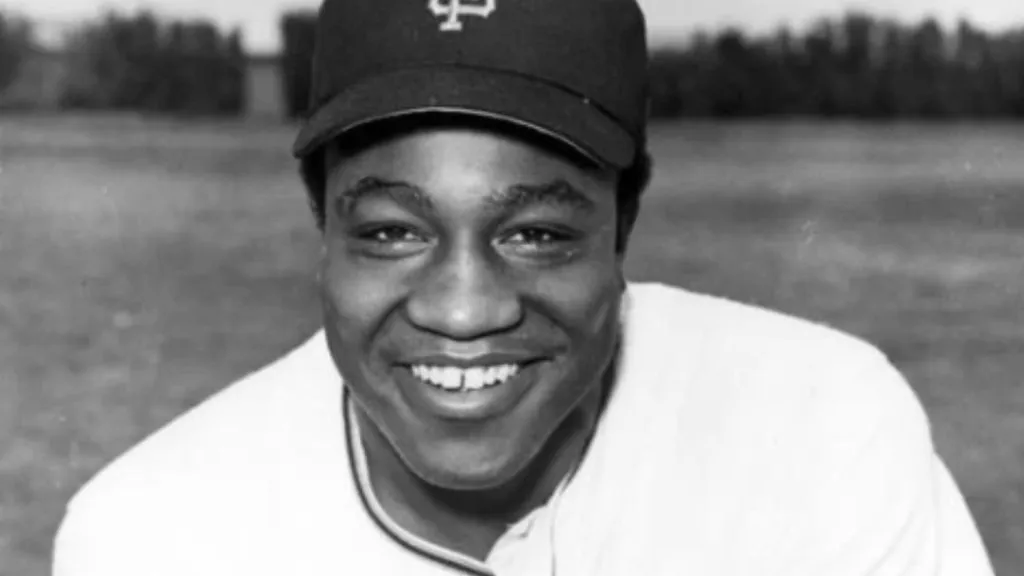
Jim Ray Hart (Source: Baseball Hall of Fame)
Often overshadowed by bigger names of his generation, Jim Ray Hart was a rare blend of raw power and steady production. Breaking in during the 1960s, he delivered 31 home runs and 81 RBIs in his rookie season of 1964, quickly becoming one of the Giants’ most dangerous bats.
His ability to consistently hit for power made him a feared cleanup presence in a lineup already crowded with stars like Willie Mays and Willie McCovey. Though injuries shortened his career, Hart’s offensive firepower shone brightly in its peak.
He finished with five seasons of 20-plus homers and brought a potent right-handed balance to the heart of the order. For a time, he was the overlooked slugger who gave the Giants their most complete batting order of the era.