The 2026 season unfolds with the New York Yankees still among baseball’s biggest spenders, their payroll reflecting decades of a spend-to-win ethos. Amid luxury tax scrutiny and roster balance questions, its highest salaries anchor a familiar core in pinstripes.
Contracts structured over years, with deferred money and MLB bonuses, have pushed certain figures to the top of their books. While the face of the franchise remains among the top earners, recently restructured deals have reshaped the internal salary hierarchy for 2026.
These financial commitments don’t happen in a vacuum. They influence roster flexibility, arbitration decisions and payroll strategy as New York chases postseason relevance in a league where long-term deals can define both opportunity and constraint.
Who are the highest-paid Yankees in 2026?
The New York Yankees enter 2026 once again positioned among baseball’s top spenders, with a payroll that reflects long-term bets on star power. The club’s salary commitments remain north of $250 million, as SNY reported.
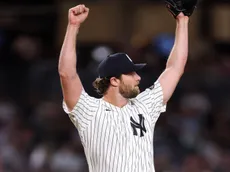
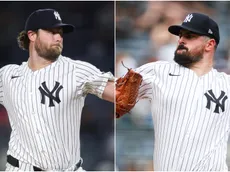
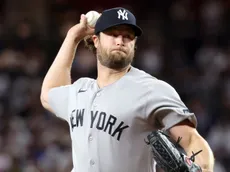
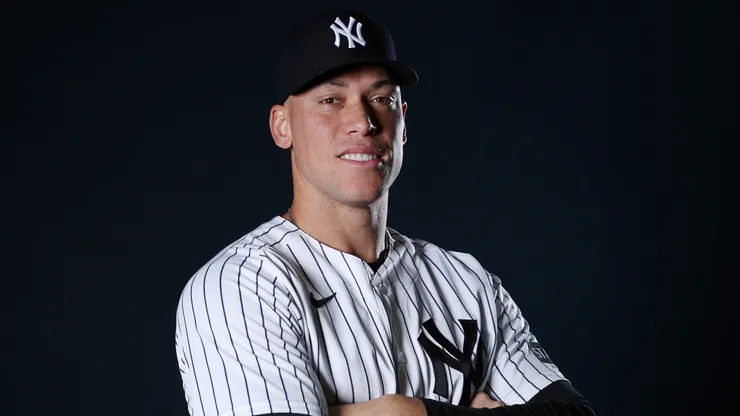
At the top of the structure is Aaron Judge, whose $40 million annual salary continues to headline the books, followed closely by ace Gerrit Cole with $36 million, according to Spotrac.
Veteran slugger Giancarlo Stanton and left-hander Carlos Rodon also account for significant portions of the payroll with $27–$27.8 million and $22–$29 million. These stars are followed by players such as Max Fried, with $14.5–$27.25 million.
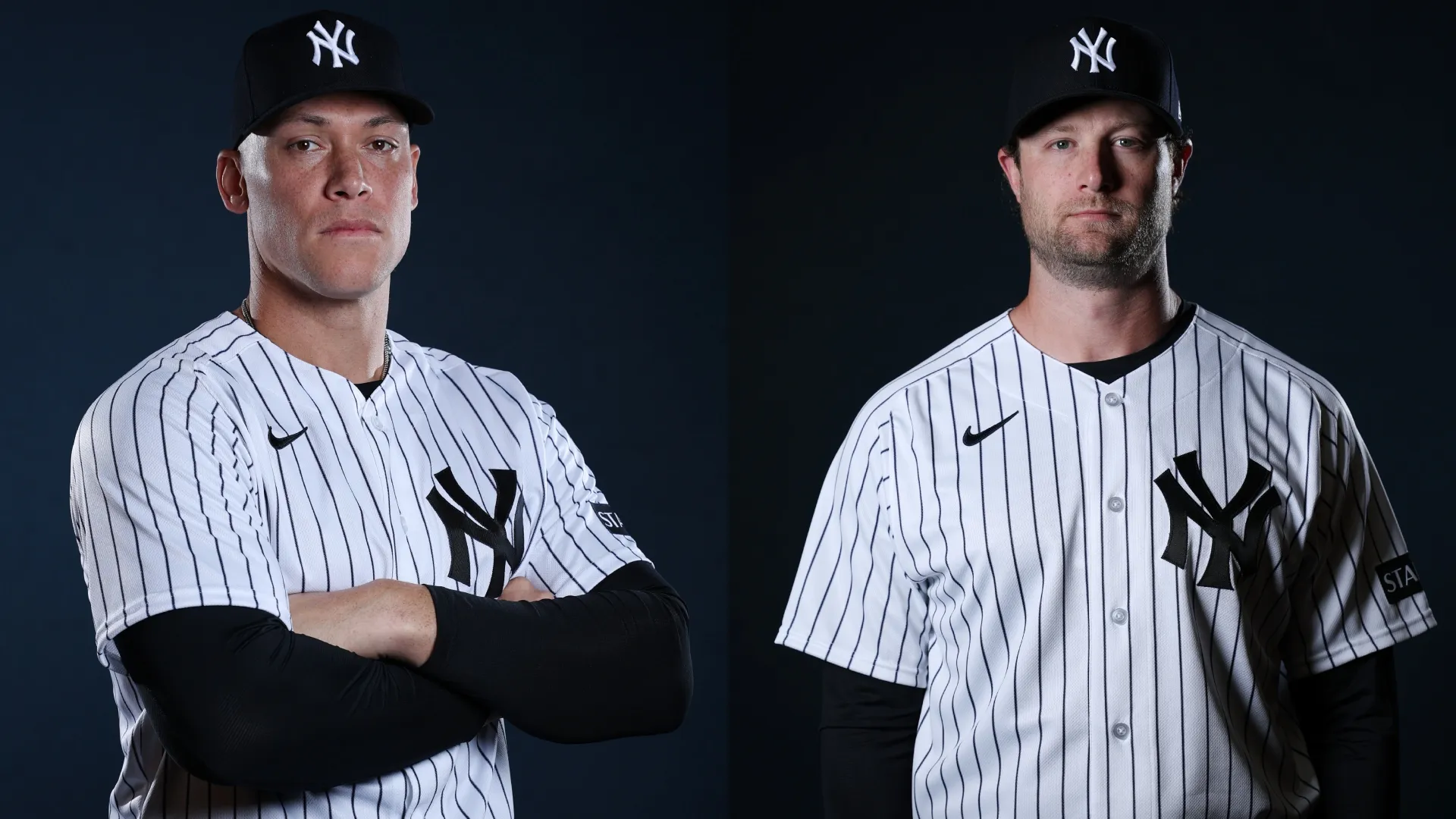
Aaron Judge and Gerrit Cole in 2026 (Source: Chris Graythen/Getty Images)
Those numbers have hovered in the background of offseason conversations. Earlier this winter, Judge publicly described the club’s quiet start in free agency as “frustrating”, prompting questions about how the roster would evolve around its highly paid core.
Giancarlo Stanton later addressed whether he shared that sentiment: “I was definitely checking to see if anything was going on. Interested. Frustrating? I wouldn’t say frustrating, you have all until through spring to make moves so just interested, curious“.
The exchange highlights the tension between expectation and patience in the Bronx. With so much money committed to cornerstone contracts, every additional move carries amplified scrutiny and every quiet stretch in the market feels louder than it might elsewhere.