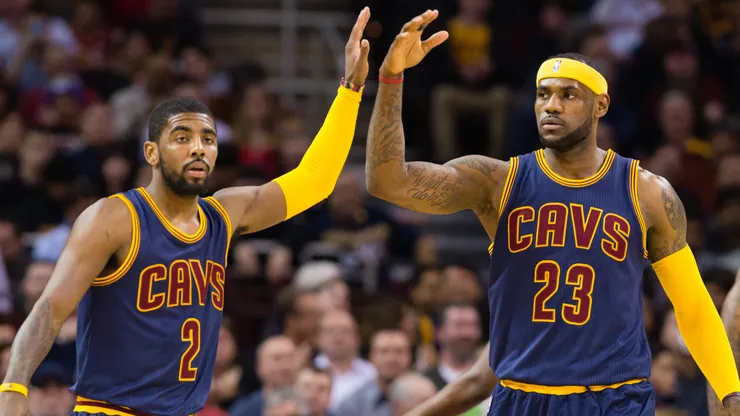
When LeBron James returned to the Cleveland Cavaliers in 2014, he led the franchise to their first-ever NBA championship. Teaming up with Kyrie Irving, the Cavaliers became one of the league’s most dangerous contenders until the star duo split in 2017.
Irving, the No. 1 overall pick in the 2011 NBA Draft, had been the face of the Cavaliers before James announced his return after four seasons with the Miami Heat.
Together, they guided the Cavaliers to three straight NBA Finals appearances from 2015 to 2017 against the Golden State Warriors, winning the title in 2016. That championship run was historic, as the Cavaliers became the first team in NBA history to overcome a 3–1 deficit in the Finals, clinching the series with a Game 7 road victory.
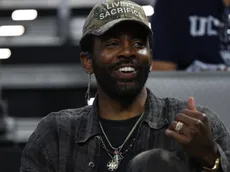
However, the partnership came to an end the following season when Irving requested a trade and was sent to the Boston Celtics, marking one of the most discussed player exits in recent NBA history. Speaking during a recent livestream, Irving described playing alongside LeBron as a unique experience — one that also came with heavy media scrutiny and ongoing public narratives.
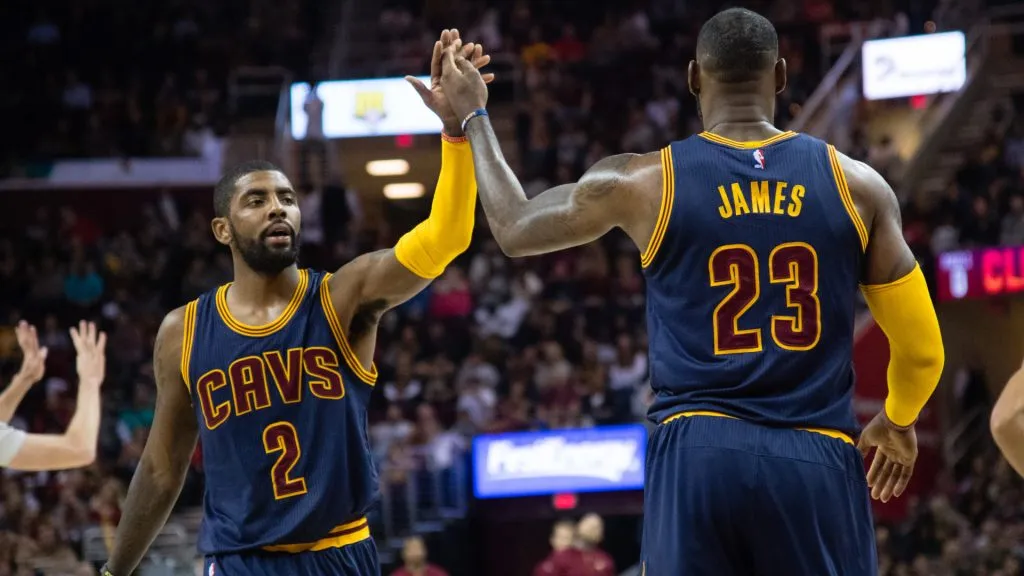
Kyrie Irving #2 and LeBron James #23 of the Cleveland Cavaliers celebrate after scoring during the first half against the Boston Celtics on 2016. (Jason Miller/Getty Images)
“But you’re playing with somebody like Bron or somebody that you guys like to compare him to is a different animal, it’s a different journey – you’re automatically expected to be at the top of the charts, top of the league every time you play with Bron,” Irving said.
“It’s going to be a lot of media attention, a lot of back and forth narratives, a lot of spun narrative, a lot of politics, a lot of s– people don’t see in front of the camera and for me I was just a young person trying to figure it out,” he continued.
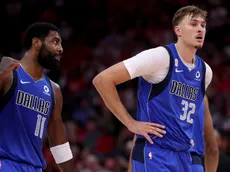
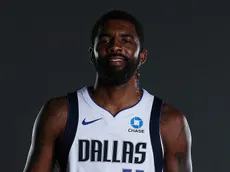
The current Dallas Mavericks guard clarified that his departure from Cleveland wasn’t about any personal issue with LeBron — it was simply time for him to move on and continue his career elsewhere.
“It’s not that I disliked playing with Bron at any time, it was just literally my time to move on and that’s what people gotta accept,” Irving said. “They want a deeper detail, dive in terms of what happened but it’s like it was my time to move on. I don’t care if I’m remembered as that person, it was my decision”.
In the end, Irving made it clear that his departure from the Cleveland Cavaliers was not about conflict with LeBron James, but rather a personal decision to seek a new chapter in his career—one made while navigating intense public attention and the pressures that came with it.