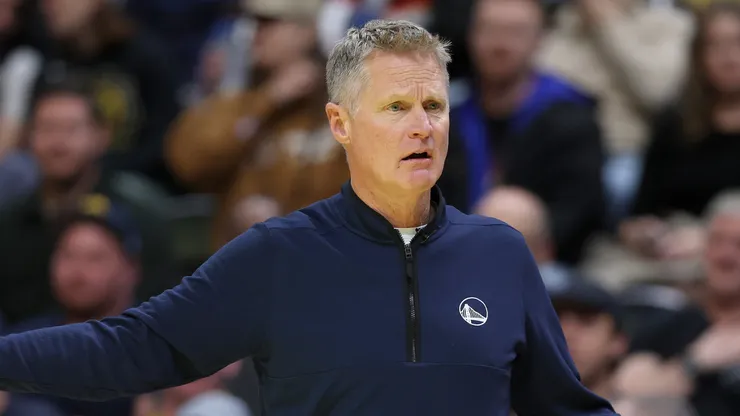
The Golden State Warriors have built one of the NBA’s most dominant dynasties, thanks in large part to head coach Steve Kerr, who implemented a style of play that revolutionized the league. His approach was tailored to the strengths of his roster — an adaptability rooted in the lessons he learned during his playing days with the Chicago Bulls alongside Michael Jordan.
Recently, Kerr shared stories from his career on the Glue Guys podcast, making a notable admission when discussing the time Jordan stepped away from basketball to pursue his childhood dream of playing professional baseball.
Kerr joined the Bulls in the same year Jordan left to play for the minor league affiliate of the Chicago White Sox. While that chapter marked a period of disappointment for the Bulls and the NBA league as a whole, it unexpectedly became a career-defining opportunity for Kerr.
“It actually was to my benefit in some ways that he went because it opened up a bunch of playing time,” Kerr admitted. “It was bad for the rest of the Bulls and their fanbase, but it was good for me. It’s kind of where I reestablished my career.”
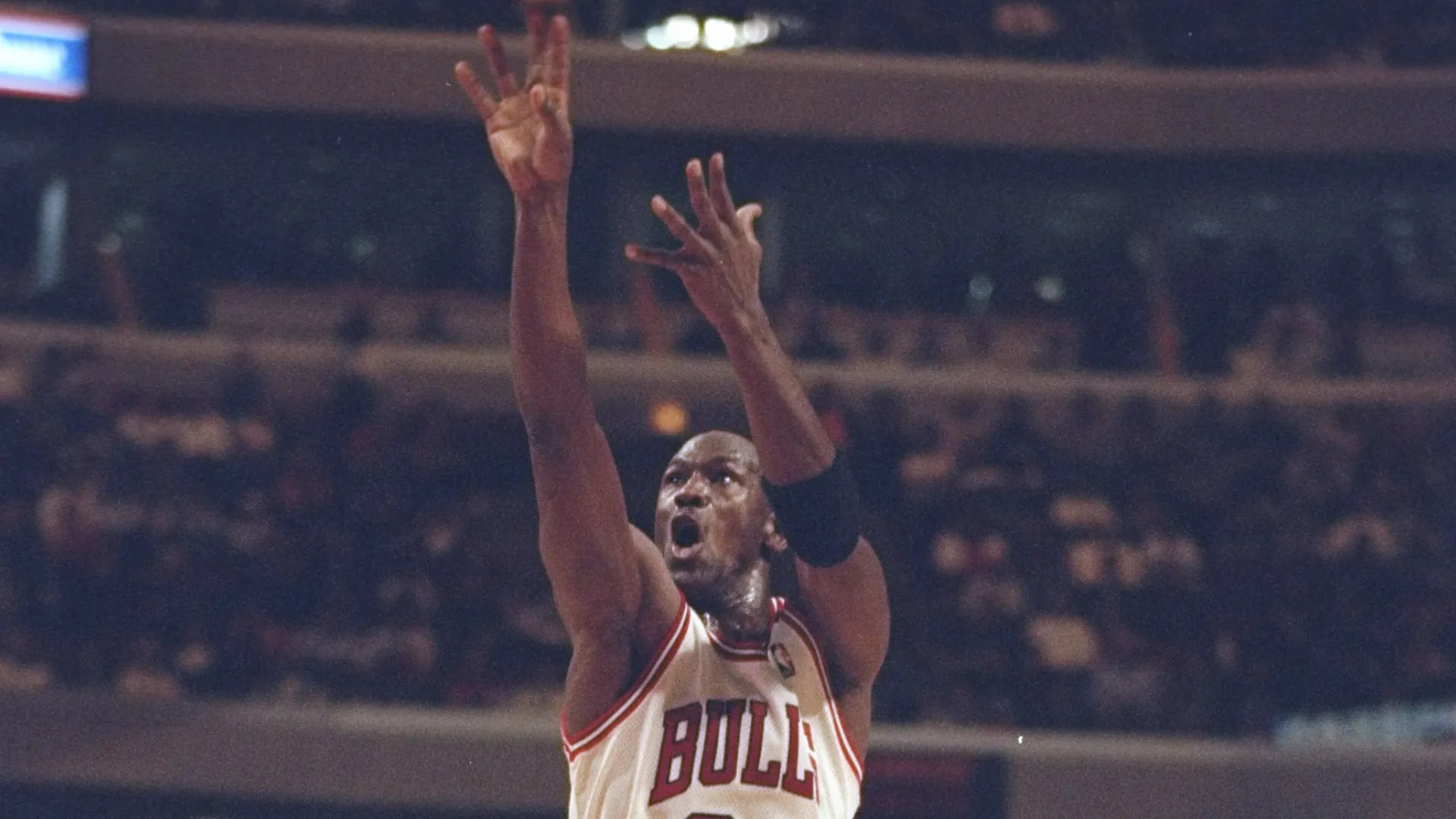
Guard Michael Jordan of the Chicago Bulls shoots the ball during a game against the Washington Bullets
“It was my fifth year, and I was probably on my way out of the league,” Kerr continued. “To step in there and learn from Phil (Jackson) and play with Scottie Pippen, Horace Grant, Bill Cartwright — these champions — changed my whole career. Of course, Michael came back two years later and we started winning again.”
Kerr signed with the Bulls ahead of the 1993–94 NBA season, stepping into a reserve role that leaned heavily on his sharp perimeter shooting. With Jordan temporarily retired after the 1992–93 campaign, the door opened for Kerr to see significantly more minutes and establish himself as one of the league’s premier 3-point specialists.
Over his five seasons in Chicago, Kerr became a trusted and valuable contributor off the bench. His elite accuracy from beyond the arc was a weapon for the Bulls’ offense, and during the 1994–95 season he set a single-season franchise record by shooting .524 from three-point range.
By the end of his Bulls tenure, Kerr had cemented his place in the team’s dynasty, boasting a remarkable .479 career three-point percentage in Chicago — a mark that remains one of the highest in franchise history and a testament to how a sudden career twist became a championship legacy.