
Jake Browning’s rise in the Cincinnati Bengals isn’t just about on-field performance. Behind the headlines, contracts define how quarterbacks like him are valued and how teams balance talent with the NFL’s financial playbook.
While stats and highlights capture attention, the numbers on paper often reveal another story. His deal reflects both his potential and the calculated risk teams take on emerging quarterbacks in today’s competitive league.
From base salary to incentives and bonuses, the details of a QB contract reveal more than just dollars. They show confidence, expectations, and the business side of football that shapes careers long before kickoff.
What is Jake Browning’s salary with the Cincinnati Bengals?
Jake Browning’s 2025 contract with the Bengals is valued at $1 million, making it his highest cash payment to date, as Spotrac reported. This salary places him second among the team’s quarterbacks, following Joe Burrow’s $46 million deal.
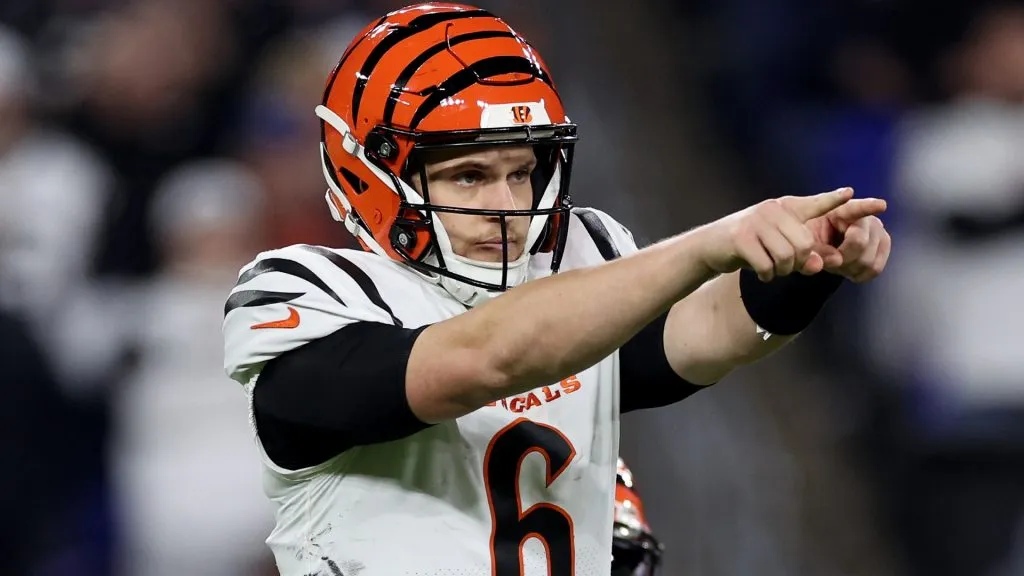
Jake Browning #6 of the Cincinnati Bengals in 2023. (Source: Patrick Smith/Getty Images)
The contract reflects his pivotal role as the team’s backup quarterback. His performance in the 2023 season, stepping in for the injured Burrow, showcased his capability and earned him a two-year extension.
How long will Jake Browning be with the Cincinnati Bengals?
In April 2024, Jake Browning signed a two-year contract extension with the Cincinnati Bengals, keeping him under team control through the 2025 season and trusting in him as a reliable backup.
His role has evolved since joining the Bengals. Initially signed to the practice squad, he gradually proved himself during preseason and emergency starts. His 2023 appearances, including stepping in for an injured Joe Burrow, were pivotal.
The two-year tenure allows the franchise to develop him without the immediate pressure of a long-term starter contract. It also gives him a platform to showcase his abilities, potentially positioning him for future starting opportunities either in Cincinnati or elsewhere.
His extended contract also highlights a broader NFL trend: teams increasingly value experienced backups who can seamlessly step in without disrupting the offense.