
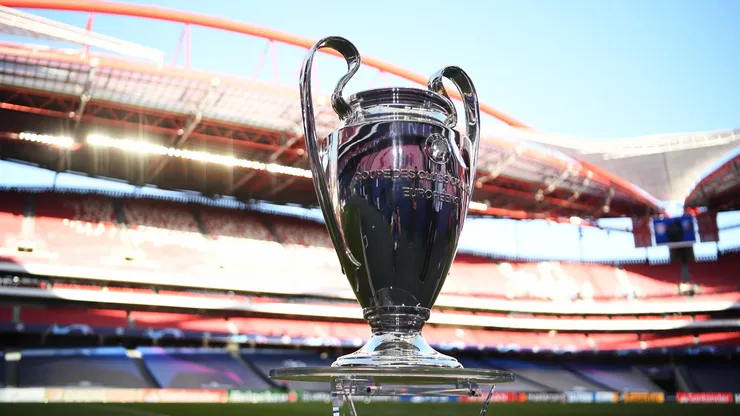
The Champions League trophy has long been a symbol of European supremacy, glimmering under stadium lights and in players’ dreams. From its debut in 1956, the trophy has evolved, but it still carries a weight of history and glory.
Crafted with striking details and a distinctive shape, the UEFA trophy’s design hides secrets and traditions that few truly know. It’s more than just metal, it’s a carefully forged emblem of triumph that tells stories beyond the pitch.
Each year, the cup rekindles memories of epic battles and legendary heroes, becoming a timeless symbol of ambition and glory. Behind its shine lies a rich soccer history that shapes the dreams of clubs and fans alike.
What are the dimensions of the Champions League trophy?
This illustrious trophy is awarded to teams who manage the impressive feat of either lifting the cup five times overall or achieving three consecutive victories. It stands at 73.5 cm tall—just under 29 inches—and weighs in at a solid 7.5 kg, approximately 16.5 pounds. Its impressive size only adds to its grandeur and the sense of achievement it represents.
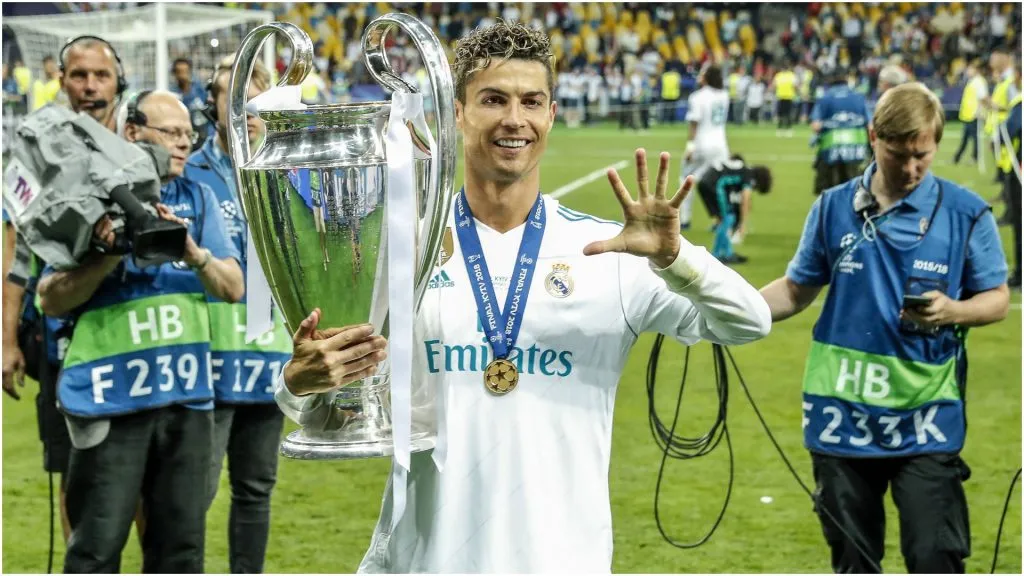
Cristiano Ronaldo with the trophy in Real Madrid – IMAGO / ANP
Beyond the numbers, its imposing presence on the field after a final whistle is a true symbol of European dominance. From the moment it’s hoisted aloft in celebration, the Champions League trophy becomes a part of soccer folklore, carrying with it a weight of expectation and the echo of decades of unforgettable moments.
What materials is the Champions League trophy made of and how is it designed?
As the prize for one of the most prestigious tournaments in the world, it’s only fitting that the trophy is made from a precious metal. True to its status, it is crafted from silver, which gives it both its shimmering glow and a timeless elegance.
The trophy’s signature “big ears” handles aren’t just for show—they’re part of what has made it one of the most iconic symbols in sport. In addition to its silver composition, the trophy’s craftsmanship is a testament to the artistry of skilled silversmiths who ensure every detail is perfectly formed.
How is the Champions League trophy manufactured?
The original iteration of the Champions League trophy was designed by Swiss jeweler Jürg Stadelmann in the 1960s. It was first presented to Real Madrid in 1966 after they secured their sixth title in the competition.
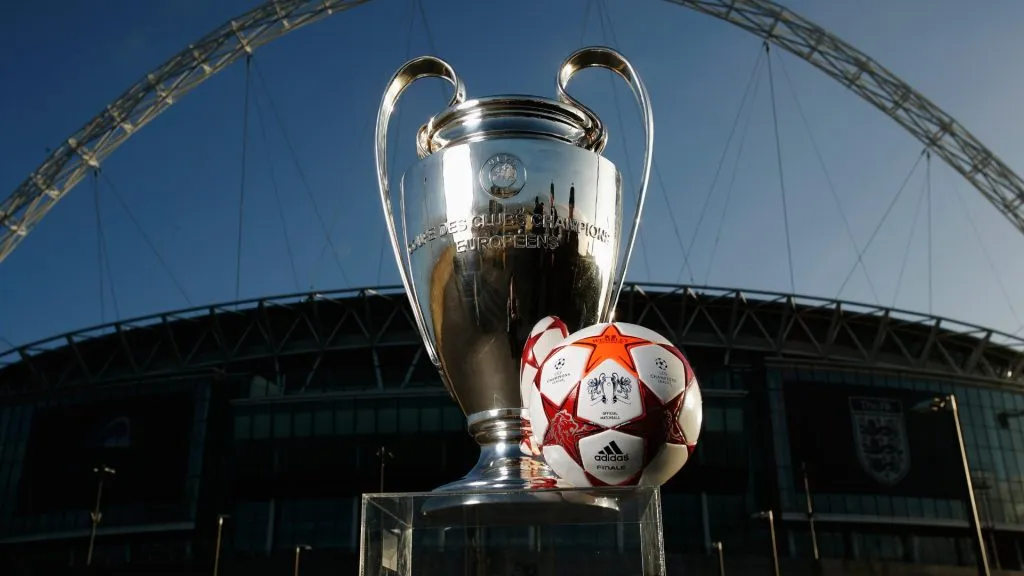
Adidas present the Official Match Ball for the 2011 UEFA Champions League Final at Wembley Stadium on March 3, 2011. (Source: Gary Prior/Getty Images for adidas)
Since its creation, new versions of the trophy have been carefully crafted, each one following the original design while also representing the changing eras of the competition.
Today, expert silversmiths continue the tradition, using meticulous techniques like hammering and polishing to produce the gleaming prize that fuels dreams across the continent.
What is the history of the Champions League trophy?
The original version of the trophy was eventually retired by the Real Madrid in recognition of their sixth title. In 1973, Ajax achieved the same honor by winning the tournament three years in a row, followed closely by Bayern Munich in 1976.
AC Milan joined this elite group in 1994 with their fifth European crown, while Liverpool claimed it in 2005 after their unforgettable comeback in Istanbul. However, in 2009, UEFA changed the rules to preserve the original trophy at their headquarters permanently.
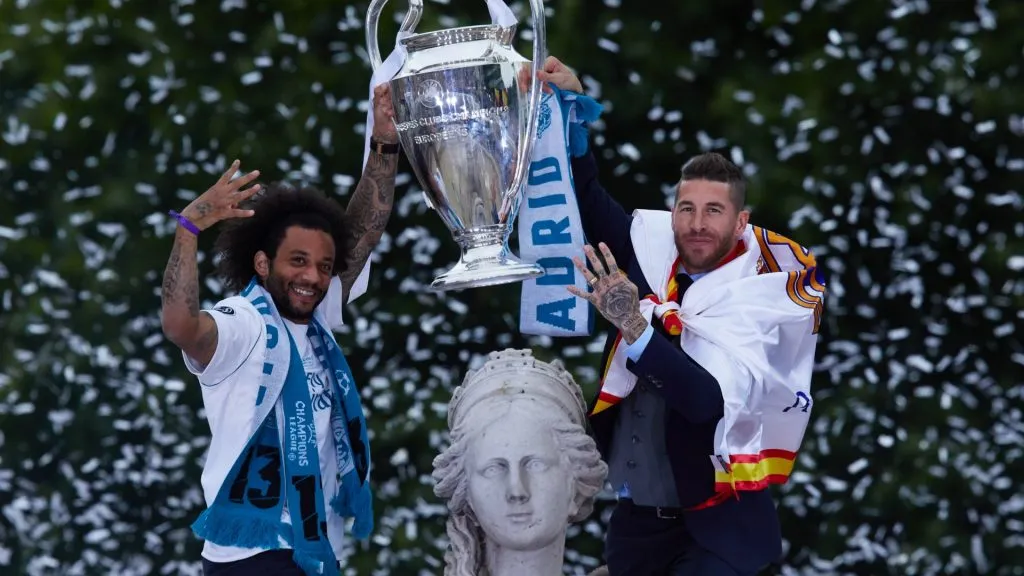
Sergio Ramos of Real Madrid holds up the Champions League trophy with his teammate Marcelo as they celebrate a day after winning their 13th European Cup and UEFA Champions League Final in 2018. (Source: Gonzalo Arroyo Moreno/Getty Images)
Now, champions receive an exact replica—no less striking or significant—while the real cup stands as a testament to the history and glory of past winners. Despite this change, the ambition to lift the original remains a powerful force driving the competition’s drama.
Fun facts about the Champions League trophy
This iconic prize has become known as “Big Ears” in many languages, thanks to the size and shape of its distinctive handles. In France, it’s “La Coupe aux grandes oreilles”; in Italy, “La Coppa dalle grandi orecchie”; in Spanish-speaking countries, simply “La orejona”.
From Russia to Vietnam to China, the trophy’s nickname has transcended borders, adding a layer of folklore to its legacy. Under the old rules, only teams winning five titles or three in a row could keep the trophy permanently.
Since the 2009 regulation change, only two clubs have reached that threshold: Barcelona in 2015, when they lifted their fifth, and Real Madrid, who won three consecutive finals between 2016 and 2018. The evolution of the rules reflects the ever-changing landscape while maintaining the allure of the trophy itself.