
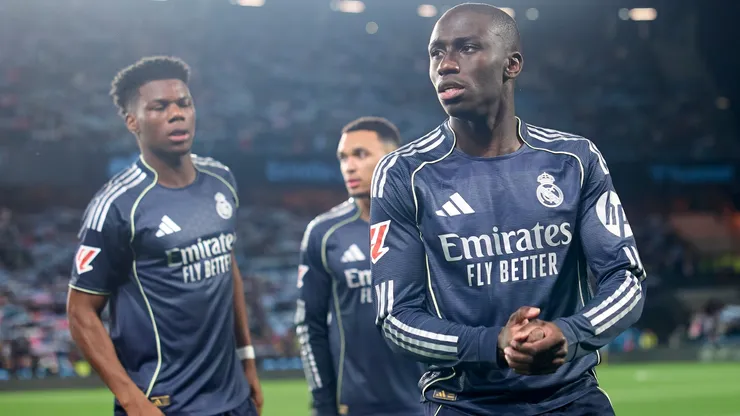
The 2026 UEFA Champions League Round of 16 brings another high-profile clash between Real Madrid and Manchester City, two clubs that have repeatedly crossed paths in the knockout stages in recent seasons. Follow Real Madrid vs Manchester City live with us!
The first leg of the tie between Madrid and City, to be broadcast in the USA by DAZN, is played at the Santiago Bernabeu, with the return match scheduled for the following week in Manchester as both teams begin their push toward the quarterfinals.
Although the opening game will not decide the series on its own, the result can significantly shape how the two teams approach the second leg. Champions League knockout rounds are decided over two matches on aggregate.
What happens if Real Madrid beat Manchester City today?
If Real Madrid beat Manchester City in the first leg, they would take a one-game aggregate lead into the second leg of the Round of 16. That advantage would put them in a stronger position before traveling to Manchester for the return match.

Vinicius Junior of Real Madrid in 2026 (Source: Jose Manuel Alvarez Rey/Getty Images)
In the UEFA Champions League knockout rounds, ties are decided over two legs using the aggregate score, meaning the total number of goals across both games determines which team advances.
If Real Madrid win the first leg at the Santiago Bernabéu, they would carry that goal advantage into the second leg at the Etihad Stadium, where Manchester City would need to overcome the deficit.
Because the away goals rule was abolished by UEFA, the margin of victory in the first leg matters more than where the goals are scored. For example, a 2–0 or 3–1 win would give Real Madrid more breathing room ahead of the return leg.
What happens if Real Madrid and Manchester City tie?
If Real Madrid and Manchester City draw the first leg, the tie would remain completely open heading into the second leg in Manchester. Neither team would gain an advantage in the aggregate score, meaning the decisive result would likely come in the return match.

Alvaro Arbeloa, head coach of Real Madrid CF, in 2026 (Source: Jose Manuel Alvarez Rey/Getty Images)
Under the current format, knockout ties are determined strictly by the total goals scored across both matches, not by away goals. That means a 0–0, 1–1, or 2–2 draw in Madrid would leave both teams level entering the second leg.
With the away goals rule no longer used, a scoring draw does not give the visiting team any special advantage. Instead, the second match becomes a straightforward decider: whichever team wins that game advances to the quarterfinals.
If the aggregate score is still tied after the second leg in Manchester, the match would go to 30 minutes of extra time, and if the tie remains level after that, the winner would be determined in a penalty shootout.
What happens if Real Madrid lose to Manchester City today?
If Real Madrid lose the first leg, they would enter the second leg trailing on aggregate and needing a comeback in Manchester to stay alive in the Champions League. The size of the deficit would determine how difficult that task becomes.

Federico Valverde of Real Madrid in 2026 (Source: Jose Manuel Alvarez Rey/Getty Images)
A loss would give Manchester City the advantage heading into the return leg at the Etihad Stadium. Real Madrid would then need to win the second match by enough goals to either overturn the aggregate score or at least level it.
If City win the first leg by one goal, Madrid could still force extra time by winning the second leg by the same margin. But if the English side wins by multiple goals in Madrid, the Spanish club would need a much stronger performance.
Because the away goals rule is no longer part of the competition, Real Madrid’s objective in the second leg would be simple: score enough goals to erase the aggregate deficit.