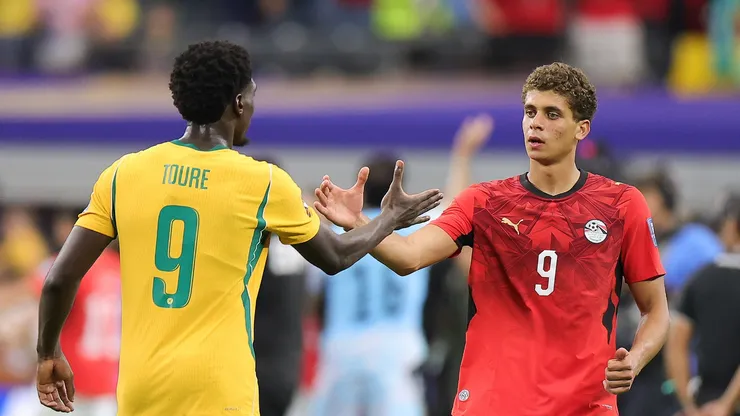
The tradition of exchanging jerseys after a 2026 World Cup match remains one of the ultimate displays of sportsmanship. When the final whistle blows, players from opposing sides regularly seek each other out to swap their match-worn shirts.
The earliest reports of the jersey exchange date back to 1931. It is said that the French started the very first swap after winning a match against England, keeping the jerseys as souvenirs of the victory.
Many players view these swaps as a unique way to build their personal archives of sporting history. Looking at a rival’s kit hanging in a private collection brings back specific memories of stadium atmospheres, crucial plays, and shared pressure.
Do players have a limitless supply of jerseys to swap?
While it might seem like professional athletes have access to endless gear, national teams do not actually carry an unlimited supply of jerseys. Kit managers travel with a specific, allocated number of shirts per player for each tournament stage to manage logistics and costs.
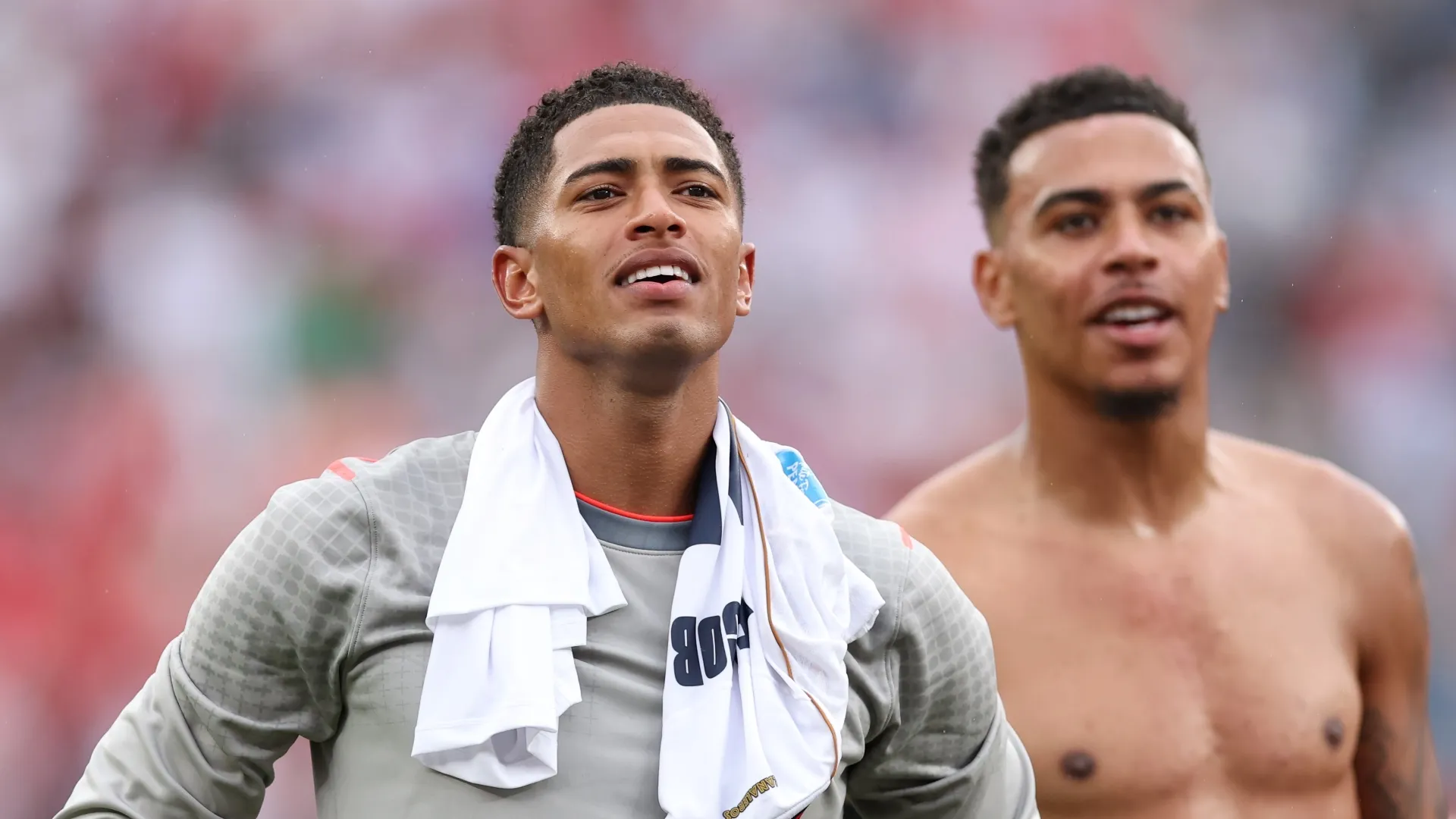
Bellingham after jersey exchange with Panama player in 2026 (Getty Images)
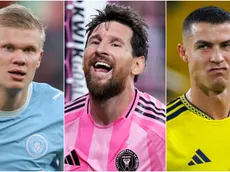
Because of these tight limitations, not every player on the pitch participates in a shirt swap after every single game. Superstars like Lionel Messi, Erling Haaland, Jude Bellingham, Cristiano Ronaldo, and Luka Modric are endlessly hounded for their iconic jerseys. Because their supply is strictly capped, these top players sometimes have to gently say “no” to opponents.
The financial value of World Cup jerseys
A match-worn shirt from a historic 2026 World Cup fixture holds an immense amount of sentimental and cultural value for sports collectors worldwide. As the years pass, the market demand for authentic, player-issued tournament gear continues to skyrocket exponentially.
If a lucky player manages to secure a shirt from a legend like Messi, that fabric essentially becomes a goldmine for the future. The financial value of these specific jerseys appreciates dramatically the moment an iconic superstar officially retires from active duty.