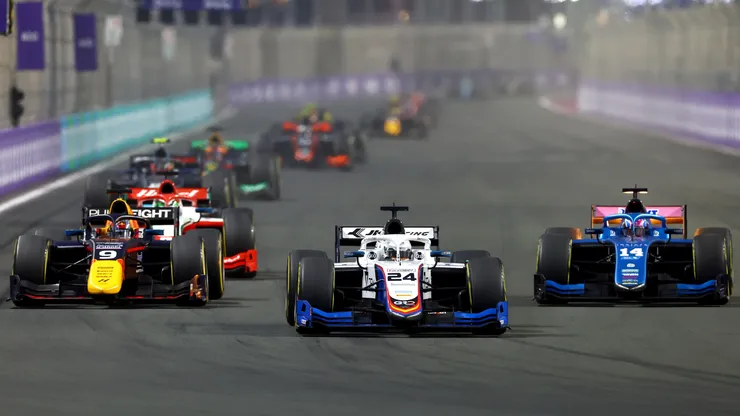
F1 sprint races add a refreshing twist to race weekends, offering a shorter, more intense competition that breaks away from the traditional Grand Prix structure. From the very first lap, both drivers and fans experience a different kind of pressure.
Created to enhance excitement, sprints condense high-stakes action into a single day. They influence starting grid positions and award valuable points, pushing teams to rethink their strategies. The condensed format demands quick decisions that can dramatically impact the outcome of the weekend.
Reactions to sprint races are still mixed. Many enjoy the fast-paced drama and strategic shake-up, while others, more attached to tradition, worry about altering the essence of the sport. Still, there’s no denying that this format injects new energy into every Formula 1 event.
Race length
Since its introduction, the Formula 1 sprint race format has brought a jolt of adrenaline to race weekends—and it’s here to stay. These shorter races are designed to shake up the rhythm of a traditional Grand Prix and add an extra layer of unpredictability to the competition. Unlike Sunday’s main event, sprint races are capped at 100 kilometers and typically last around 30 minutes, depending on the circuit.
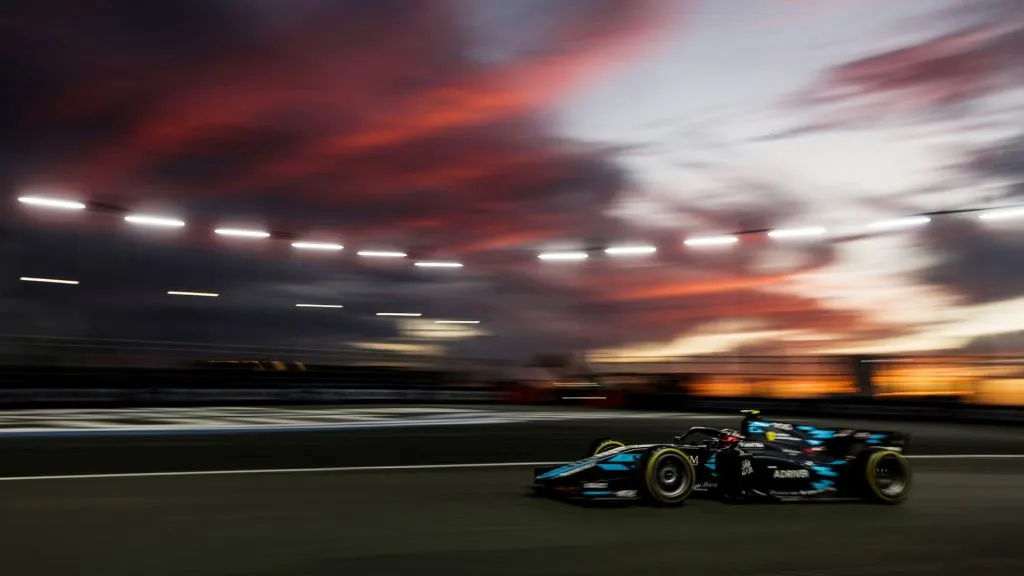
Arthur Leclerc of Monaco and DAMS (12) drives on track during the Round 2: Jeddah Sprint race of the Formula 2 Championship at Jeddah Corniche Circuit on March 18, 2023. (Source: Lars Baron/Getty Images)
This compressed format allows little room for error. With no mandatory pit stops and fewer laps, drivers must find the balance between aggression and control from the moment the lights go out.
The time constraints intensify every overtaking move and every defensive line. While the Grand Prix remains the centerpiece, the sprint injects a thrilling mid-weekend crescendo that fans and commentators alike have come to anticipate.
Grid implications
One of the most significant tweaks in the format is the way sprint weekends are structured. Instead of having the sprint race determine the starting grid for the Grand Prix—as it did in its early days—the sport has now clearly separated both events.
On Fridays, teams take part in a single practice session, followed by traditional qualifying that sets the grid for Sunday’s Grand Prix. Saturday opens with a “Sprint Shootout”, a shorter qualifying session specifically for the sprint race.
This ensures that each race, Saturday’s sprint and Sunday’s main event, has its own dedicated qualifying run. This format not only doubles the excitement but also gives drivers a clean slate for each race.
A poor sprint result no longer ruins your Sunday. But it does demand smart strategy management across two high-stakes events, each with different rewards and risks.
Points
The sprint races continue to offer valuable championship points, a decision that has cemented their importance beyond mere spectacle. The top eight finishers in the sprint earn points, ranging from 8 points for the winner to 1 point for eighth place.
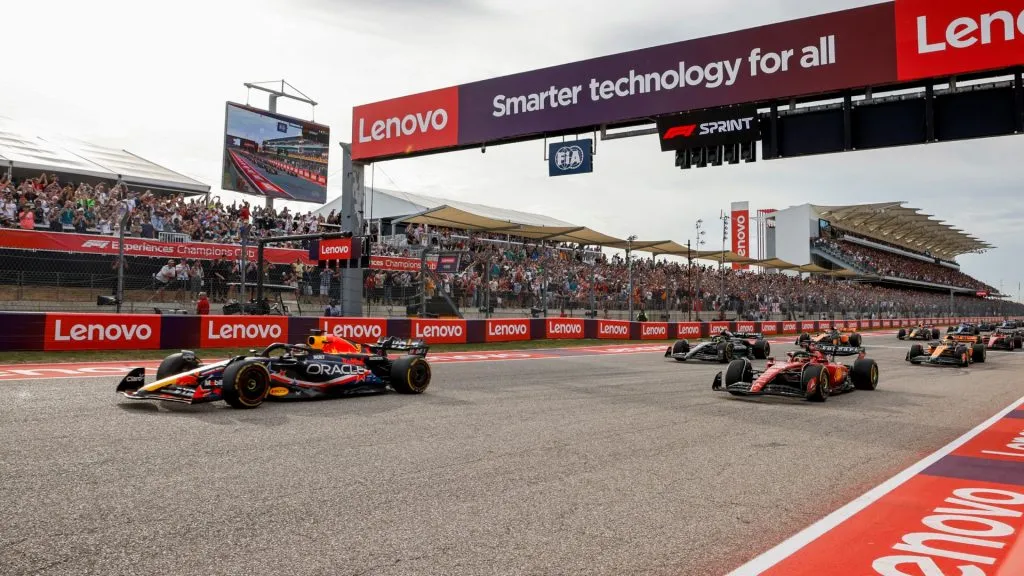
Max Verstappen driving the Oracle Red Bull Racing RB19 leads Charles Leclerc and the rest of the field at the start of the race during the Sprint ahead of the F1 Grand Prix of United States. (Source: Chris Graythen/Getty Images)
What makes this more impactful is a subtle but crucial rule change: the fastest lap point—previously awarded in Sunday’s Grand Prix—has been scrapped. This elevates the sprint to the only session outside the Grand Prix where drivers can collect bonus points.
For championship contenders, this adds strategic weight to Saturday’s showdown. Securing a handful of extra points in the sprint could make a decisive difference in a tight title fight by season’s end. Even for midfield teams, sprint races provide an opening to make gains without relying solely on the results.
2025 schedule
The sprint format is no longer experimental—it’s become a highlight of the F1 season. For 2025, six Grands Prix will host sprint races, carefully selected to maximize drama and competitiveness.
The year kicked off with the first sprint of the season at the Chinese Grand Prix in Shanghai (March 21–23), marking the return of the sprint to this technically demanding circuit. It continues in the United States with the Miami Grand Prix (May 2–4), known for its showbiz atmosphere and tricky track layout.
The European summer includes a sprint at Spa-Francorchamps for the Belgian Grand Prix (July 25–27), a classic circuit that often delivers rain-soaked chaos and iconic overtakes. Austin’s Circuit of the Americas (October 17–19) hosts another, followed by the Brazilian Grand Prix in São Paulo (November 7–9), a fan favorite for its unpredictable weather and passionate crowds.
The final sprint of the year takes place at the Qatar Grand Prix (November 28–30), at the high-speed Lusail International Circuit, setting the stage for a high-stakes season finale.