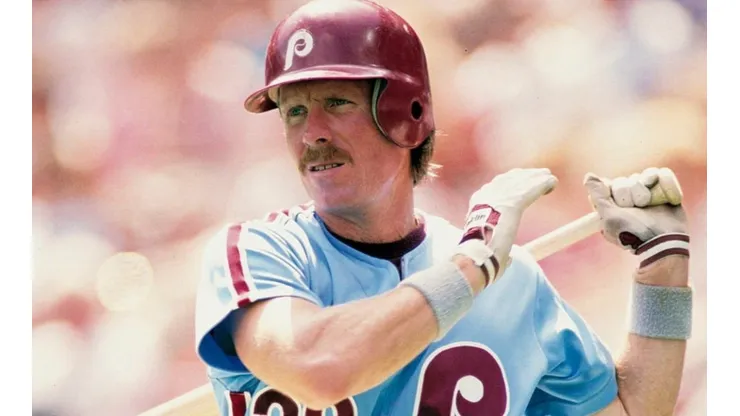
From the crack of the bat at Shibe Park to the roars inside Citizens Bank Park, the Philadelphia Phillies have carried generations of baseball stories. Their history is stitched together by names that defined eras and changed the team’s destiny.
Some wore the uniform in times of struggle, becoming bright spots in lean years. Others rose in championship moments, forever linked with the city’s proudest celebrations. Together, they built a legacy that reflects both grit and greatness.
Ranking the greatest Phillies is more than a list; it’s a journey through the franchise’s heart. Each player left a mark beyond the box score, shaping Philadelphia’s identity in MLB and carving their place in the Fightin’ Phils’ lore.
25. Lenny Dykstra – CF
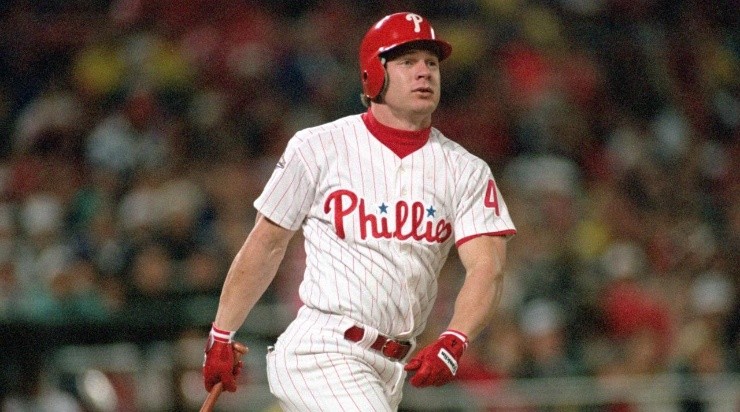
Lenny Dykstra, known as “Nails,” was the embodiment of grit and determination. Acquired from the Mets in 1989, he quickly became the heart and soul of the Phillies’ lineup. In 1990, he led the National League in hits and finished fourth in batting average, hitting over .400 as late as June.
His relentless hustle and fiery demeanor made him a fan favorite. His contributions were instrumental in the team’s success during the early 1990s, including their 1993 World Series appearance.
24. Curt Simmons – P
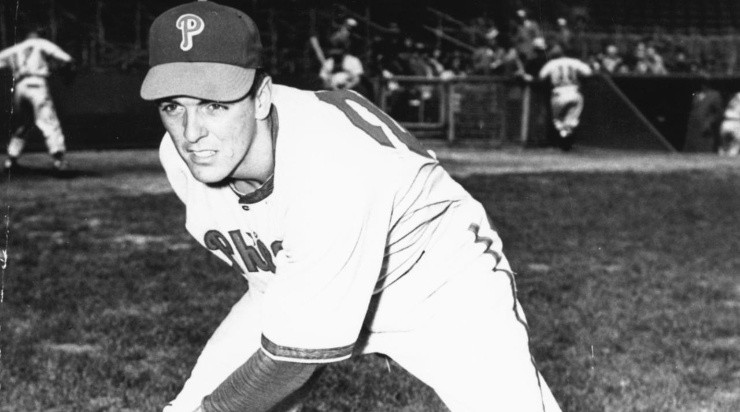
Curt Simmons was a key figure in the Phillies’ pitching staff for over two decades. A three-time All-Star, he played a pivotal role in the team’s success during the 1950s, including their 1950 National League pennant.
His consistency and durability were evident as he pitched over 200 innings in multiple seasons. His contributions on the mound helped solidify the Phillies’ reputation as a formidable team during his tenure.
23. Dick Allen – 3B
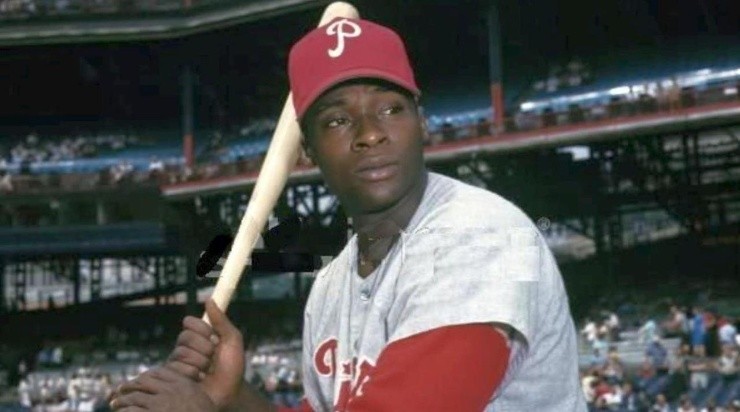
Dick Allen, nicknamed “Crash,” was one of the most feared hitters of his era. A seven-time All-Star and 1972 American League MVP, his power and presence in the lineup were unmatched.
His 351 career home runs and 1,119 RBIs speak to his offensive prowess. His impact on the Phillies was profound, as he brought a level of intensity and skill that elevated the team’s performance during his time in Philadelphia.
22. Bobby Abreu – RF
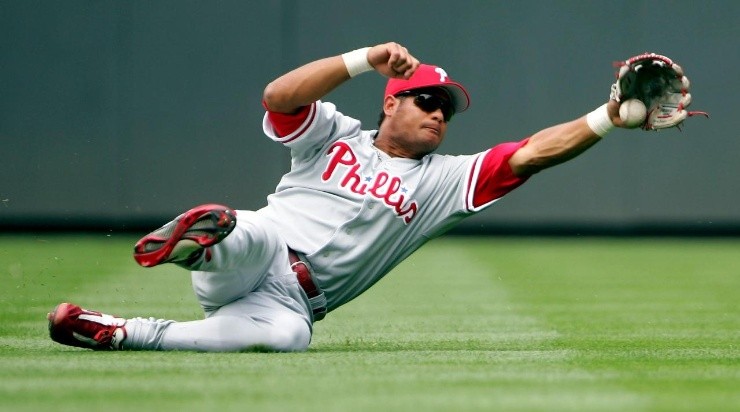
Bobby Abreu was a model of consistency and versatility. A two-time All-Star and three-time Gold Glove winner, his ability to hit for average, power, and his keen eye at the plate made him a formidable presence in the lineup.
His 2004 season, where he led the league in runs and walks, showcased his all-around skills. Beyond the statistics, his approach to the game, characterized by his patient batting eye and solid defense, left an indelible mark on the franchise.
21. Mitch Williams – P
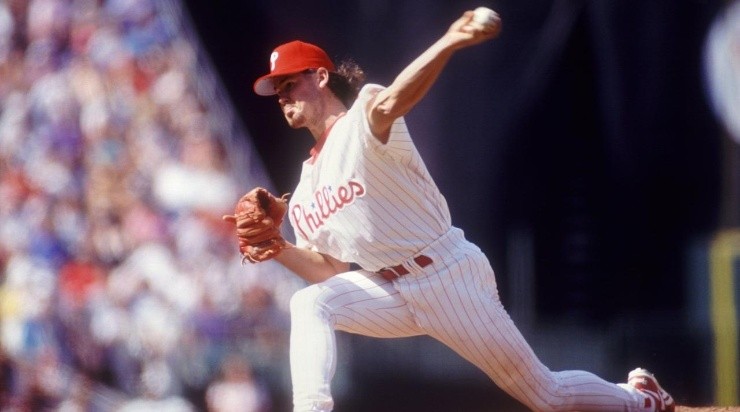
Mitch Williams, affectionately known as “Wild Thing,” brought an electrifying presence to the mound. His fiery demeanor and unpredictable pitching style made him a fan favorite. In the 1993 season, he notched 43 saves, leading the National League.
Despite the heart-wrenching Game 6 loss in the World Series, his contributions during the regular season were instrumental in the Phillies’ postseason run. His legacy is a testament to his resilience and passion for the game.
20. Bob Boone – C
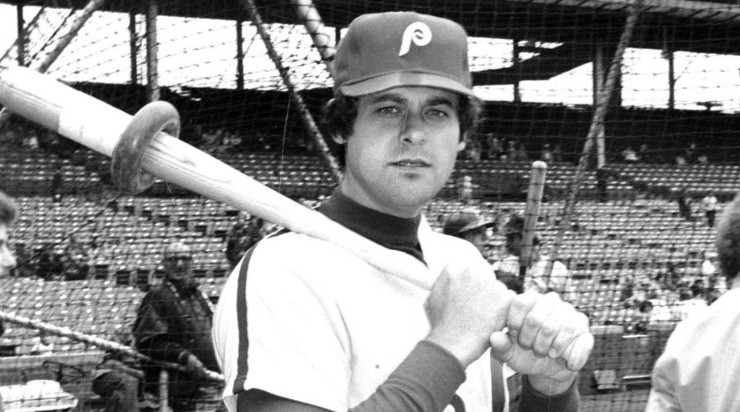
Bob Boone was the backbone of the Phillies’ defense during the 1970s. A three-time Gold Glove winner, his leadership behind the plate was unparalleled. His ability to manage pitchers and control the running game made him a vital component of the team’s success. His steady bat and clutch performances in critical moments further solidified his status as one of the franchise’s all-time greats.
19. Pat Burrell – LF
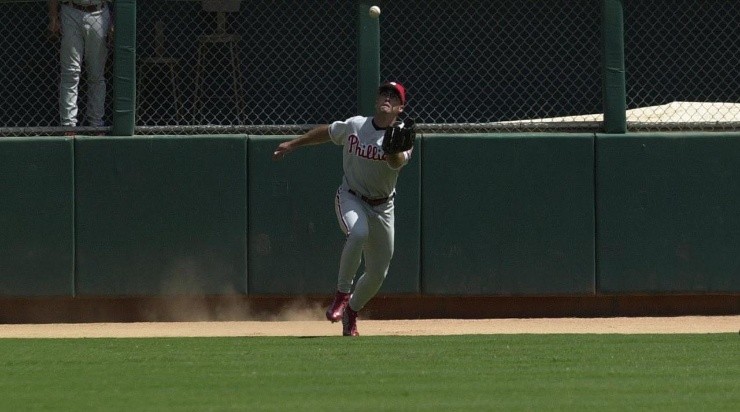
Pat Burrell, known as “Pat the Bat,” was a cornerstone of the Phillies’ offense in the early 2000s. His powerful left-handed swing produced consistent home run totals, and his presence in the middle of the lineup provided protection for other hitters. His pivotal role in the 2008 World Series, where he delivered key hits, including a crucial home run in Game 5, earned him a cherished place in Phillies lore.
18. Jim Bunning – P
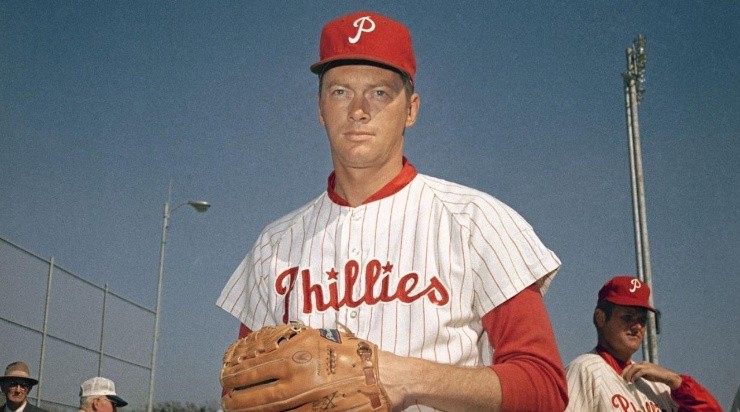
Jim Bunning‘s impact on the Phillies was profound. A Hall of Famer, Bunning’s 1964 season, where he led the league in strikeouts and innings pitched, was a testament to his dominance.
His perfect game against the New York Mets in 1964 was the first in the National League in modern times. Beyond his pitching prowess, his leadership and work ethic set a standard for future generations of Phillies pitchers.
17. Greg Luzinski – LF
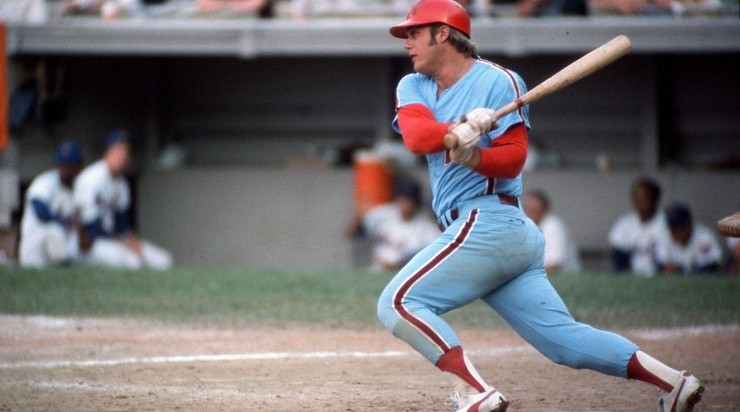
Greg Luzinski, affectionately known as “The Bull,” was a powerful force in the Phillies’ lineup during the 1970s. His imposing presence and ability to drive the ball to all fields made him a feared hitter.
His contributions were pivotal in the team’s success, including their 1980 World Series championship. His legacy endures as one of the most formidable power hitters in Phillies history.
16. Johnny Callison – RF
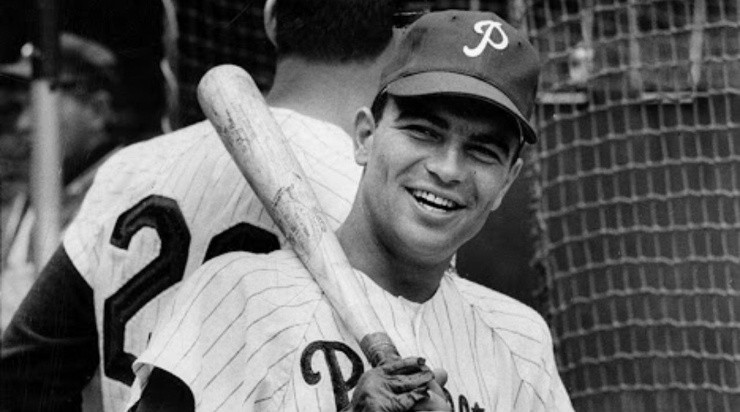
Johnny Callison was a consistent and reliable presence in the Phillies’ lineup during the late 1950s and 1960s. Known for his defensive prowess and timely hitting, he earned three All-Star selections. His walk-off home run in the 1964 All-Star Game remains one of the most memorable moments in Phillies history. His dedication to the game and his contributions to the team have cemented his place among the franchise’s greats.
15. Larry Bowa – SS
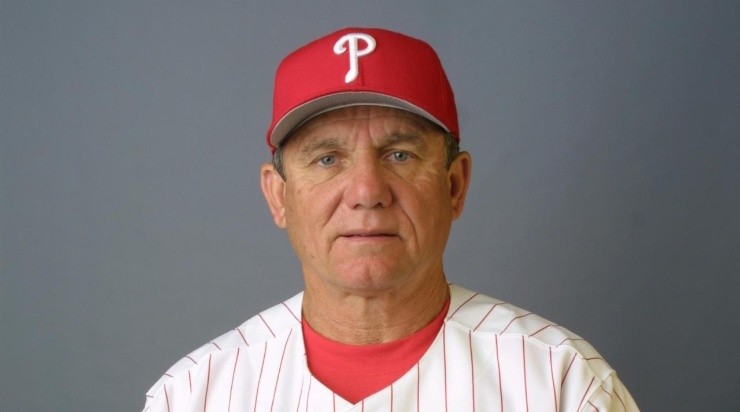
Larry Bowa was the embodiment of grit and determination. A two-time Gold Glove winner, his defensive skills at shortstop were exceptional. His fiery competitiveness and leadership on the field inspired his teammates.
His contributions were instrumental in the Phillies’ success during the 1970s, including their 1980 World Series championship. His legacy is defined by his relentless pursuit of excellence and his unwavering commitment to the team.
14. Robin Roberts – P
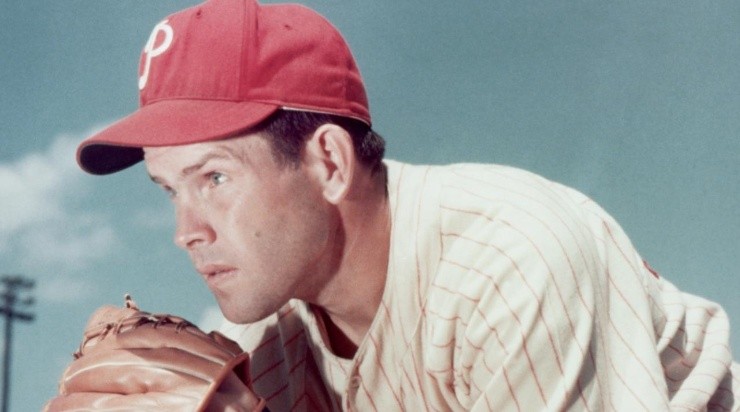
Robin Roberts was the ace of the Phillies’ pitching staff for over a decade. A six-time All-Star, he led the league in wins four times and was known for his durability and consistency.
His 1952 season, where he won 28 games, remains one of the most impressive pitching feats in franchise history. His leadership and contributions were instrumental in the team’s success during the 1950s.
13. Darren Daulton – C
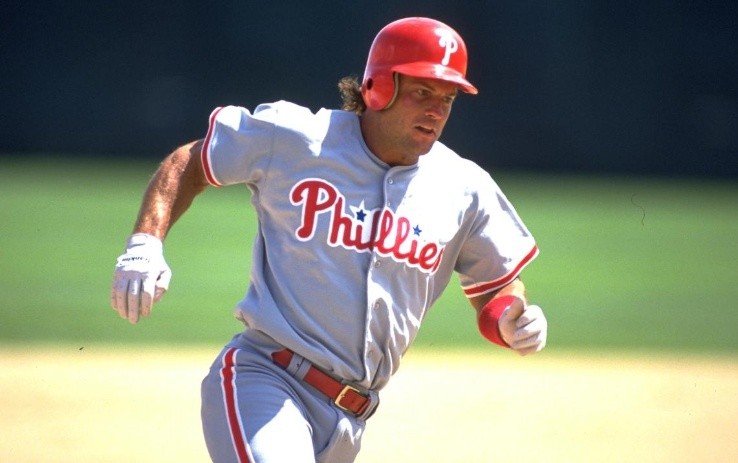
Darren Daulton was the emotional leader of the Phillies during the early 1990s. Known for his leadership qualities and ability to handle pitchers, his contributions behind the plate were invaluable.
His offensive prowess, highlighted by his 1992 season where he hit 27 home runs and drove in 109 RBIs, added another dimension to his game. His leadership and performance were key factors in the team’s success during his tenure.
12. Curt Schilling – P
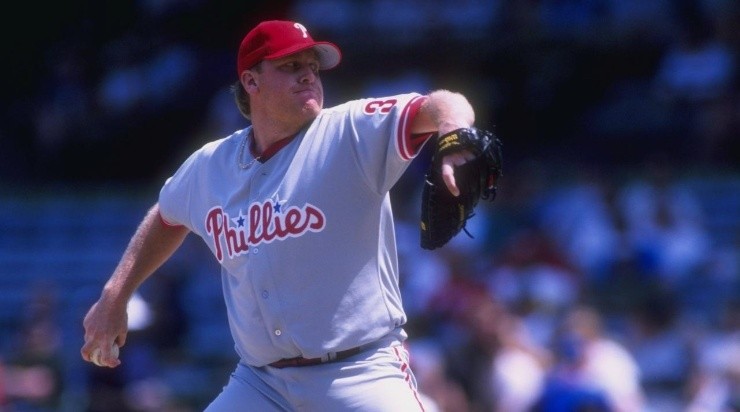
Curt Schilling, nicknamed “The Bulldog,” left an indelible mark on Phillies history. With a blazing fastball and fierce mentality, he was a key figure in the 1990s rotation. In 1997, he led the National League with 319 strikeouts, showcasing his dominance. His most memorable performance came in Game 5 of the 1993 World Series, where he pitched a complete-game shutout, keeping the team alive for a sixth game.
11. Cole Hamels – P
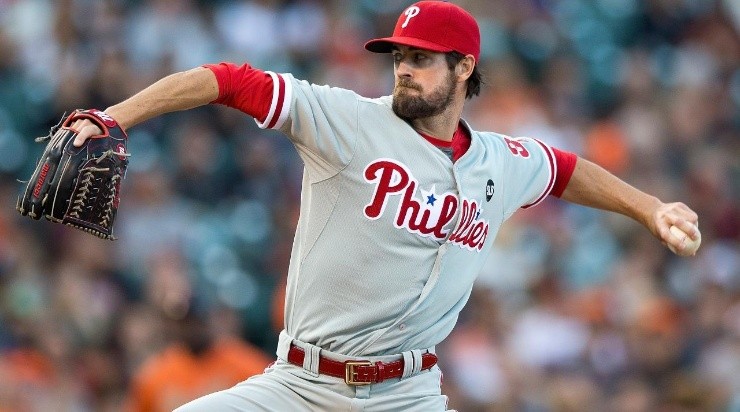
Cole Hamels, known as “Hollywood,” anchored the Phillies’ rotation during the mid-2000s. His standout moment was in the 2008 World Series, where he was named World Series MVP after outstanding performances on the mound. Over his Phillies career, he compiled 114 wins and a 3.30 ERA, cementing his place among the franchise’s elite pitchers.
10. John Kruk – Outfielder
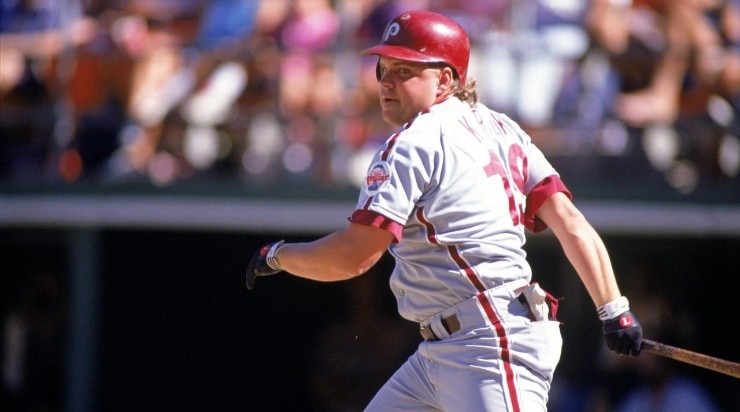
John Kruk, with his relaxed style and timely hitting, became an icon for the Phillies in the 1990s. He hit .309 in 1991, his career-best, and his ability to get on base made him a key part of the lineup. Beyond his skills, his charisma and passion for the game made him a fan favorite and a memorable figure in Phillies lore.
9. Del Ennis – Outfielder
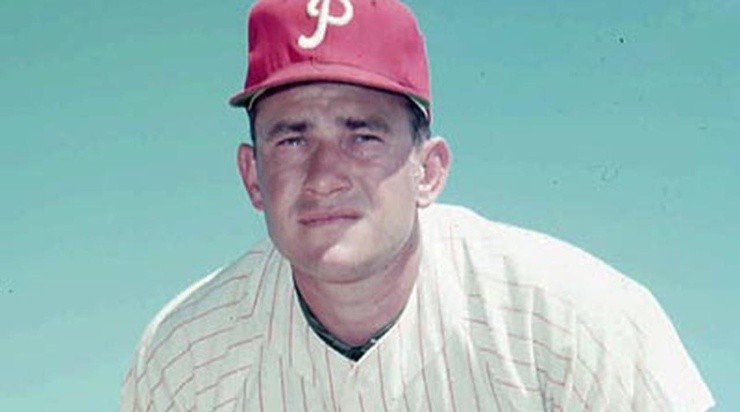
Philadelphia native Del Ennis was one of the Phillies’ standout figures in the 1940s and 1950s. In 1950, he led the National League with 126 RBIs, playing a crucial role in the team’s first modern-era championship. With 1,284 career RBIs, he left a lasting mark on the franchise as one of its most productive hitters.
8. Pete Rose – Various Positions
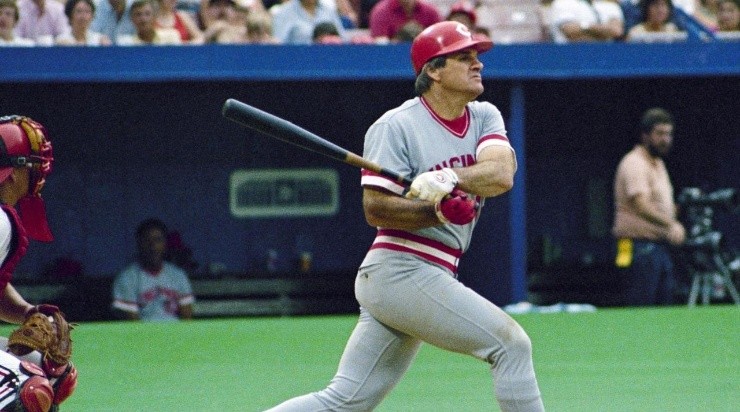
Pete Rose, nicknamed “Charlie Hustle,” is MLB’s all-time leader in hits. Though his time with the Phillies was brief, he brought veteran leadership and energy to the team.
In 1981, he led the National League with a .325 batting average, proving his skills remained top-tier. His tenure in Philadelphia is remembered for his dedication and relentless passion for the game.
7. Ryan Howard – FB
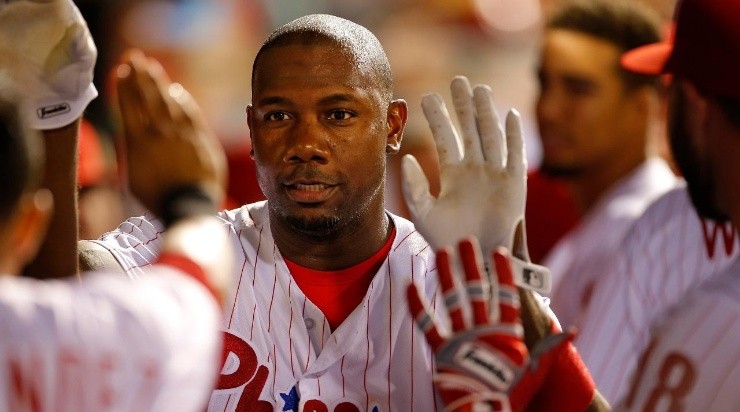
Ryan Howard, nicknamed “The Big Piece,” was the cornerstone of the Phillies’ power-hitting lineup for over a decade. He won the 2005 National League Rookie of the Year and the 2006 MVP, blasting 58 home runs that season.
His presence in the middle of the order provided protection for fellow sluggers, and his clutch performances in postseason play, especially during the 2008 World Series championship run, cemented his legacy as one of Philadelphia’s most formidable hitters.
6. Chase Utley – 2B
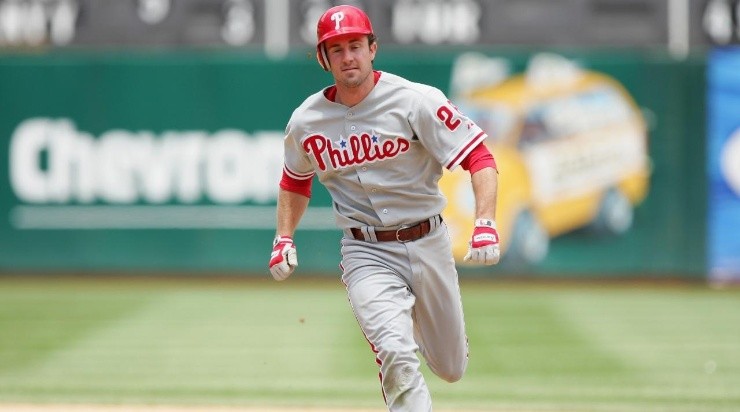
Chase Utley, known as “The Man,” brought toughness, consistency, and leadership to the Phillies’ infield. A six-time All-Star and five-time Silver Slugger, he combined defensive brilliance with a potent bat, producing over 1,000 RBIs in his Phillies career.
He was instrumental in the team’s 2008 World Series victory, earning recognition for his postseason heroics and ability to deliver in critical moments, embodying the relentless spirit of Philadelphia baseball.
5. Tug McGraw – P
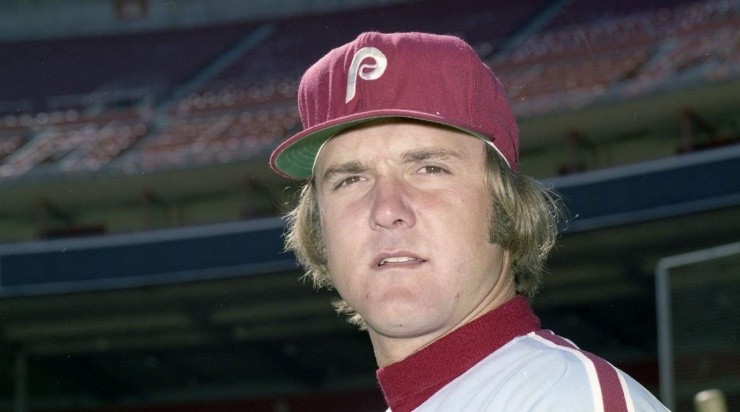
Tug McGraw, remembered for his iconic phrase “Ya Gotta Believe,” was a beloved Phillies closer who combined charisma with dominance on the mound. A key figure in the 1980 World Series championship, his spirited leadership energized the clubhouse.
His curveball and poise in high-pressure situations made him a reliable closer, and his role in ending Philadelphia’s long championship drought immortalized him as a franchise legend.
4. Richie Ashburn – CF
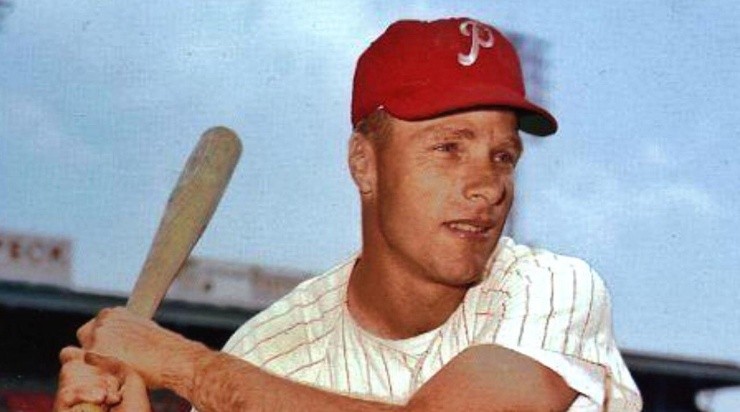
Richie Ashburn was the quintessential leadoff hitter and defensive wizard in center field. A seven-time All-Star and Hall of Famer, his speed, contact hitting, and instinctive fielding made him one of the most complete players of his era.
His .308 career batting average with the Phillies exemplifies his consistency, and his impact extended beyond statistics, as he was a model of professionalism and sportsmanship, shaping the team’s identity in the 1950s.
3. Jimmy Rollins – SS
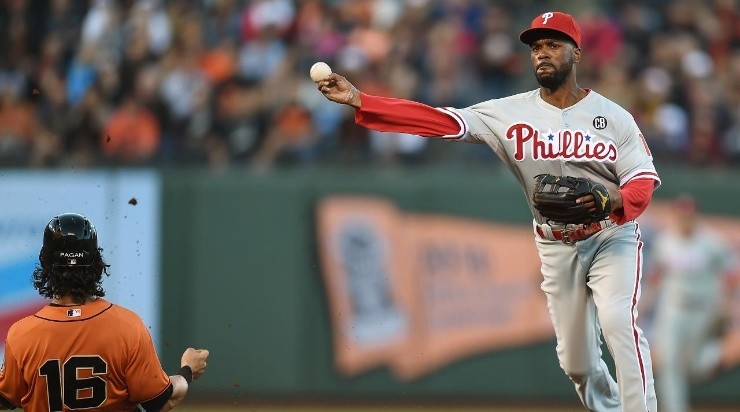
Jimmy Rollins, known as “J-Roll,” was a dynamic and electrifying leader at shortstop. A four-time All-Star and 2007 National League MVP, he combined power, speed, and clutch hitting.
His leadership was pivotal during the Phillies’ 2008 World Series championship and their sustained success in the late 2000s. His ability to impact the game both offensively and defensively cemented his status as one of the franchise’s all-time greats.
2. Steve Carlton – P
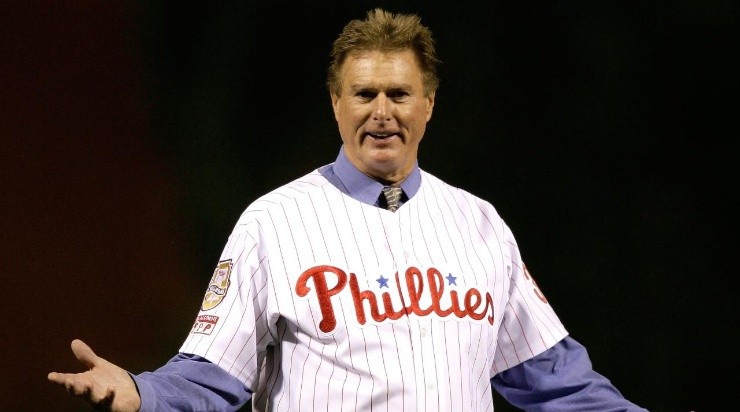
Steve Carlton, nicknamed “Lefty,” was one of the most dominant pitchers in Phillies history. A ten-time All-Star and four-time Cy Young Award winner, he amassed 329 wins and 4,000+ strikeouts during his career.
His 1972 season, where he won 27 games with a 1.97 ERA, remains legendary. His electric fastball and devastating slider made him nearly unhittable, and his long tenure with the Phillies left an enduring mark on the franchise’s pitching legacy.
1. Mike Schmidt – 3B
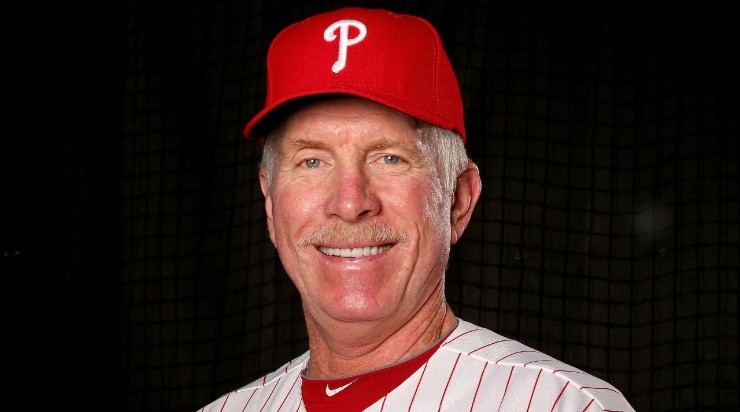
Mike Schmidt, arguably the greatest Phillie of all time, redefined excellence at third base. A 12-time All-Star, 10-time Gold Glove winner, and three-time MVP, he was a powerhouse with a .267 career batting average and 548 home runs.
He was the cornerstone of the Phillies’ 1980 World Series championship, delivering clutch hitting and leadership. His combination of power, defense, and charisma made him not just a franchise legend but one of the most respected figures in baseball history.