The mascots of Major League Baseball not only energize the stadiums with their antics and enthusiasm, but they have also become beloved symbols of their respective teams.
Some of these figures have such unique appearances that they stand out in the crowd, capturing the attention of fans and curious onlookers alike. In addition to their role in entertainment, these mascots play a crucial role in promotion.
When it comes to compensation, the salaries vary considerably depending on the popularity of the individual mascot, as there is a significant difference between what Mr. Met and Wally the Green Monster earn compared to others.
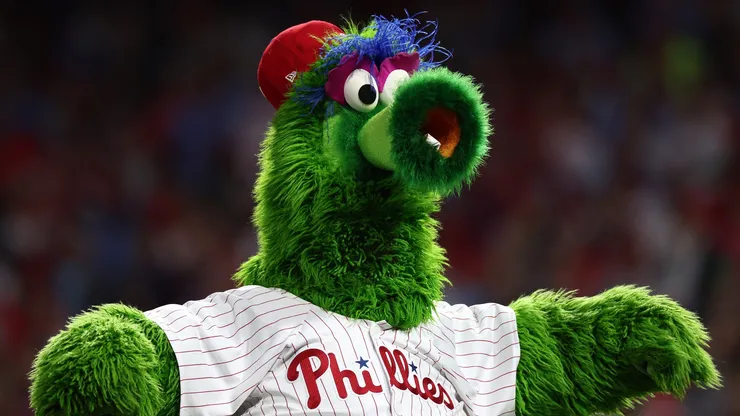
Phillie Phanatic (Philadelphia Phillies)
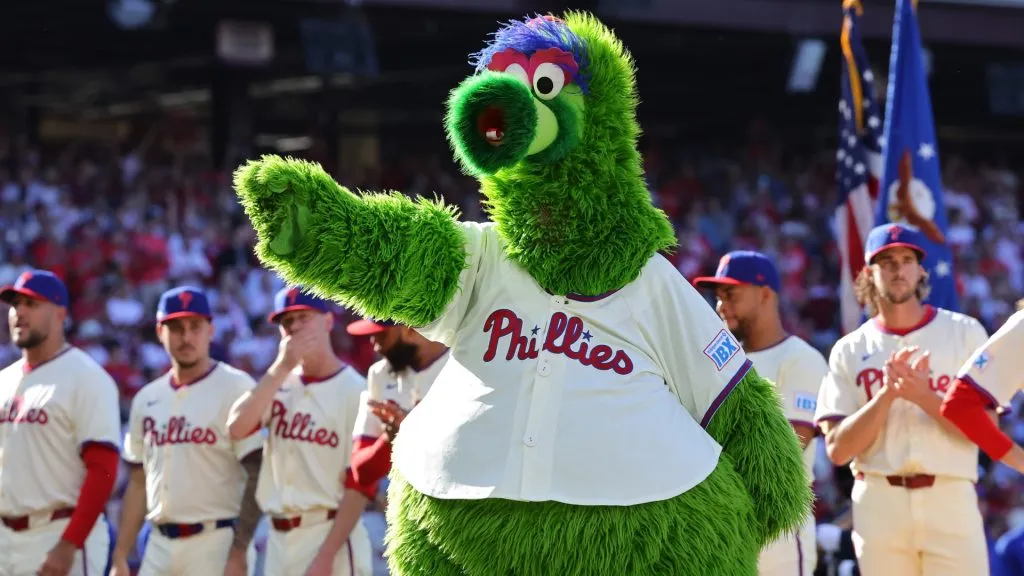
Mascot Phillie Phanatic of the Philadelphia Phillies reacts on the field prior to Game One of the Division Series against the New York Mets at Citizens Bank Park on October 05, 2024. (Source: Hunter Martin/Getty Images)
The Phillie Phanatic made its debut on April 25, 1978, created by the design agency Harrison/Erickson. Its look was inspired by the idea of a friendly and comedic creature that would stand out at games.
With its bright green fur, yellow beak, and large eyes, the Phillie Phanatic has been a key part of the Phillies’ identity. Over the years, it has been involved in countless antics that have made it a fan favorite both inside and outside the stadium.
It is one of the most valued mascots in baseball. Due to its significance and popularity, it is estimated that it earns around $200,000 annually, reflecting the importance of its presence both on the field and in the team’s marketing and promotional activities, as Fox 29 reported.
Slider (Cleveland Indians)
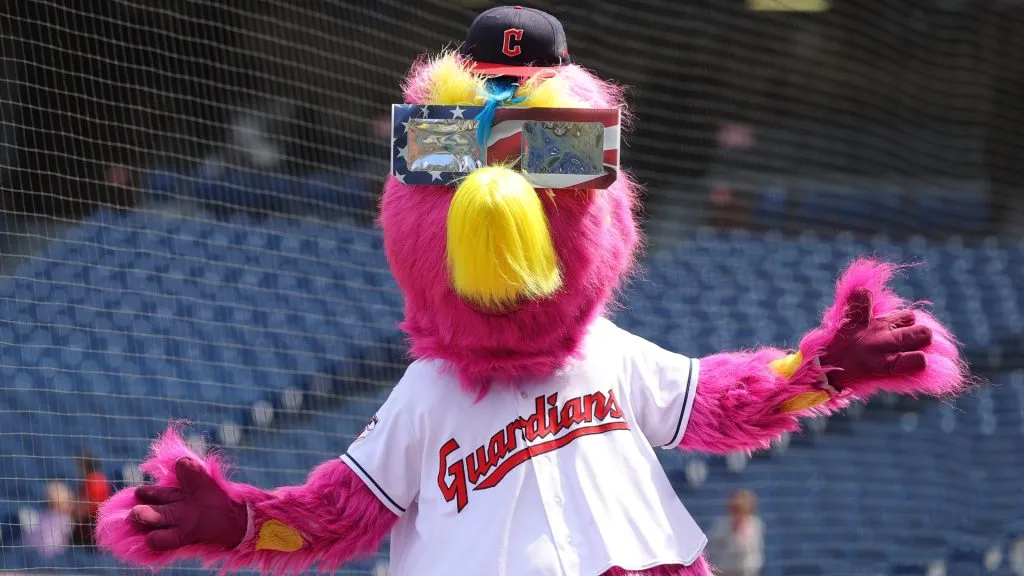
Cleveland Guardians mascot Slider poses while wearing eclipse glasses before the home opener against the Chicago White Sox at Progressive Field on April 08, 2024. (Source: Mike Lawrie/Getty Images)
Slider debuted in 1990 as part of an effort to revitalize the team’s image during the 90s. With its purple fur and mischievous grin, this anthropomorphic figure quickly won over fans. Slider’s appearance is a blend of animal and human features, making it unique and strangely endearing.
While exact salary details are not publicly known, it’s reasonable to estimate that Slider earns between $50,000 and $70,000 annually. This figure is typical for mascots of high-profile teams like the Cleveland Indians, as they generate a great deal of fan interaction and support the team’s image.
Mr. Redlegs (Cincinnati Reds)
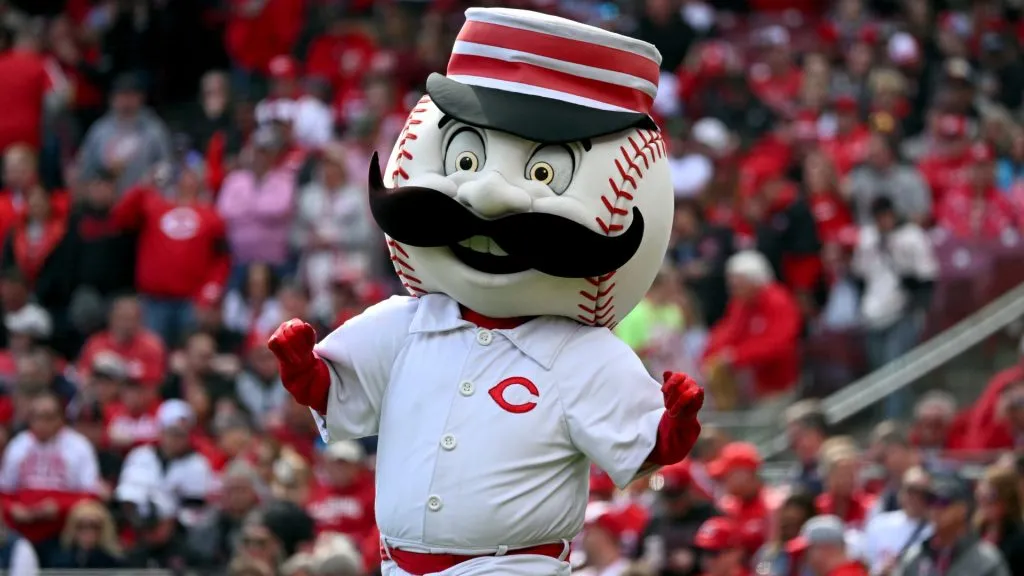
Cincinnati Reds mascot Mr. Redlegs pumps up the crowd prior to the start of a game between the Cincinnati Reds and the Washington Nationals in 2024. (Source: Ben Jackson/Getty Images)
Mr. Redlegs was introduced in 1950, although the “Redlegs” image had been used as a logo long before. Its design is inspired by the early baseball players of the franchise, with a style reminiscent of teams from the 1860s. It is a friendly figure with a large mustache, a symbol of the early days of baseball, and is closely associated with the rich tradition of the Cincinnati Reds.
While the exact compensation details are not known, it is understood that mascots from teams like the Reds typically receive salaries comparable to other prominent figures in the MLB. It is estimated that Mr. Redlegs’ annual salary may range between $50,000 and $75,000, a common range for mascots from well-known teams.
San Diego Chicken (San Diego Padres)
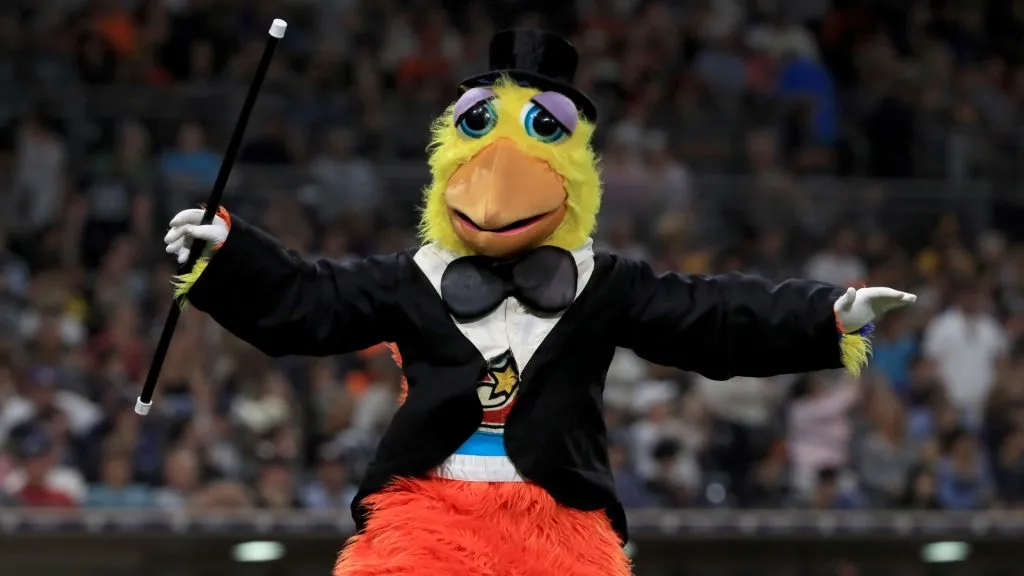
The San Diego Chicken entertains fans during a game between the San Diego Padres and the San Francisco Giants at PETCO Park on July 27, 2019. (Source: Sean M. Haffey/Getty Images)
The San Diego Chicken, originally known as “The Famous Chicken”, began gaining notoriety in the late 1970s. Its creation was largely driven by a promotional effort by the franchise, and it quickly became a phenomenon both inside and outside the stadium.
The San Diego Chicken, with its iconic status, has been one of the most financially successful mascots in MLB history. At its peak, it is estimated to have earned nearly $500,000 annually.
Although its appearances at games have diminished in recent years, it is believed to remain one of the highest-paid characters, with earnings ranging between $200,000 and $300,000 annually due to its fame.
Homer the Brave (Atlanta Braves)
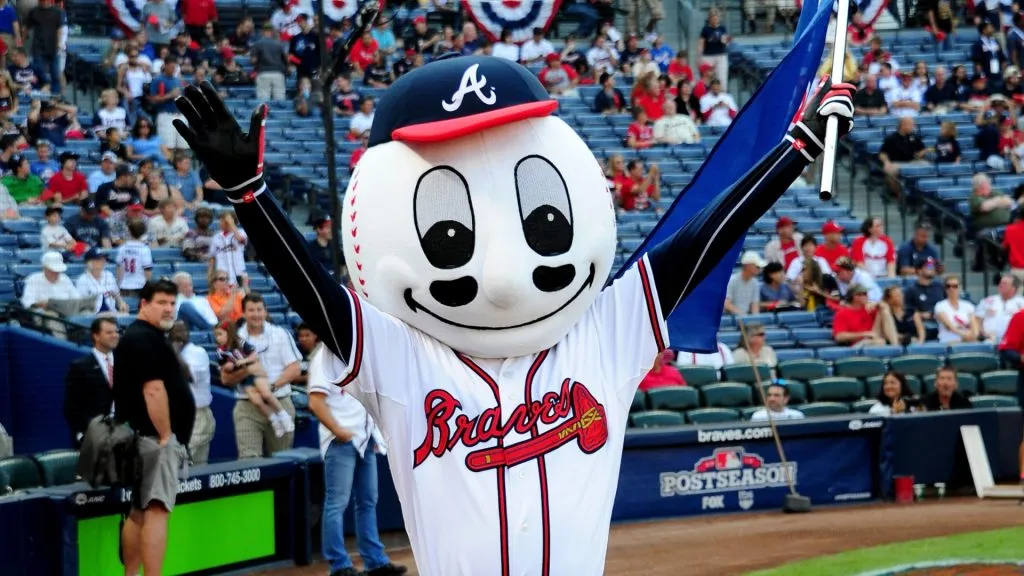
Homer the Brave poses before the Braves take on the St. Louis Cardinals during the National League Wild Card playoff game at Turner Field on October 5, 2012. (Source: Scott Cunningham/Getty Images)
Homer the Brave is one of the newer MLB mascots, debuting in 1986. Its design is inspired by the traditional style of baseball mascots, but what sets it apart is its large red nose and exuberant facial expression. With boundless energy and overwhelming charisma, Homer quickly won the hearts of fans, especially during the team’s victories in the 90s.
Homer’s salary is estimated to be between $50,000 and $70,000 annually, placing it within the common range for mascots from teams with large fan followings. Although it is not as well-known as other figures like the Phillie Phanatic, its presence remains essential to the team’s atmosphere.
The Oriole Bird (Baltimore Orioles)
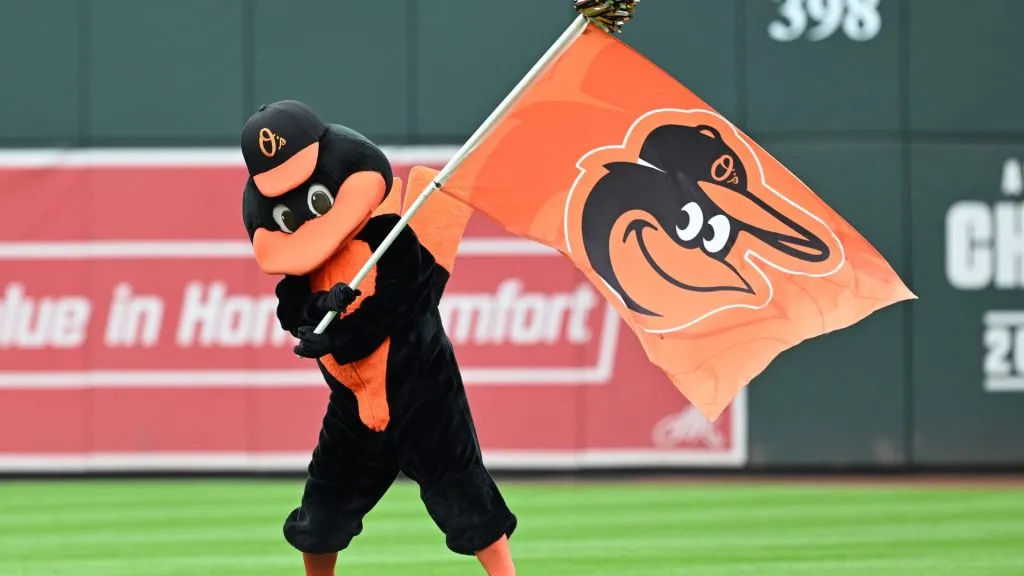
Mascot of the Baltimore Orioles, The Oriole Bird, performs prior to Game Two of the Wild Card Series against the Kansas City Royals at Oriole Park at Camden Yards on October 02, 2024. (Source: Greg Fiume/Getty Images)
Introduced in 1979, The Oriole Bird is the living symbol of the Baltimore Orioles team. Its design, a mix of orange and black colors, reflects both the team’s colors and the identity of the oriole bird, which is native to the region.
Although it has remained relatively consistent over the years, its presence continues to be crucial in the stadium, where it keeps fans entertained with its pranks and comedic acts.
The Bird enjoys a compensation similar to other mascots, with an estimated annual salary between $50,000 and $60,000. This figure is justified by the important role it plays in creating a unique atmosphere at the Orioles’ stadium.
Orbit (Houston Astros)
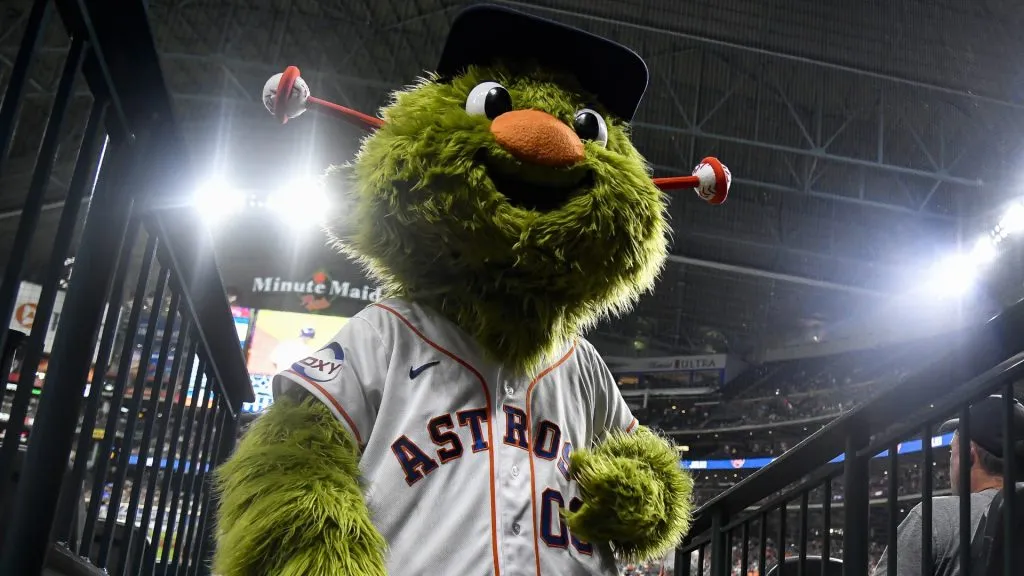
Houston Astros mascot Orbit walks through the stands during the game against the Toronto Blue Jays at Minute Maid Park on April 18, 2023. (Source: Logan Riely/Getty Images)
Orbit made its debut in 1990 as part of the Houston Astros’ effort to add a more friendly and fun figure to their identity. Its extraterrestrial appearance, with a green body and large eyes, sets it apart from other MLB mascots. Its creation was aimed at making the Astros a more accessible team for young fans.
It is one of the most recognized mascots in MLB, and it is estimated that its salary is near $60,000 annually. This amount reflects both the importance of Orbit in fan interaction and in the team’s marketing efforts.
T.C. Bear (Minnesota Twins)
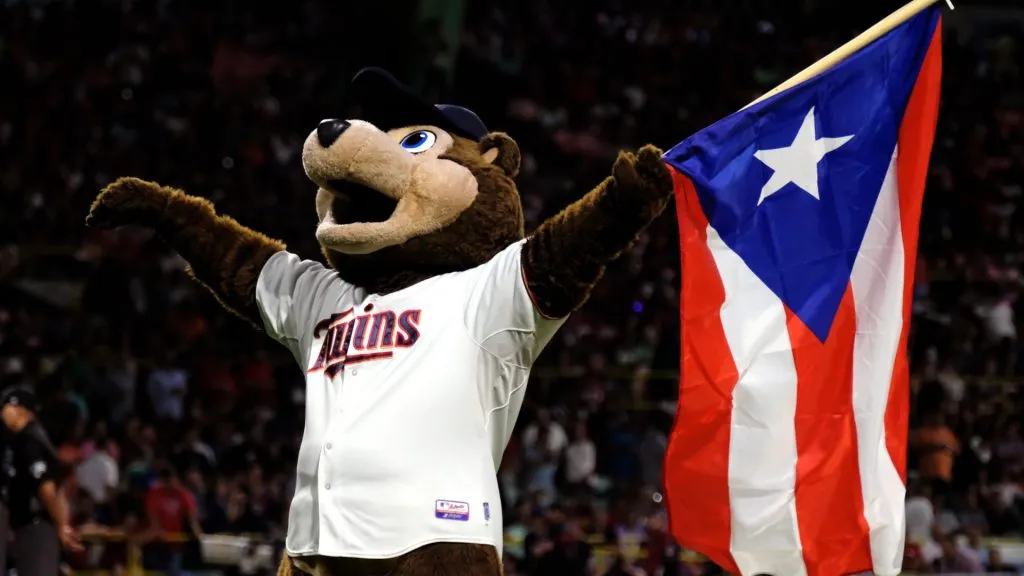
Minnesota Twins mascot TC Bear carries the Puerto Rican flag before the start of a game against the Cleveland Indians at Hiram Bithorn Stadium on April 18, 2018. (Source: Ricardo Arduengo/Getty Images)
T.C. Bear is the mascot of the Minnesota Twins, debuting in 2000. Its cute and friendly appearance, with a large brown teddy bear, was created to give fans a warm and approachable figure. The mascot is known for its hugs and its willingness to interact with children, making it a fan favorite at Target Field in Minneapolis.
Bear’s salary, like many mascots, is difficult to determine precisely, but it is estimated to be in the range of $50,000 to $60,000 annually, a common figure for figures who may not have the international fame of other mascots but are still essential to the local atmosphere.
Dinger (Colorado Rockies)
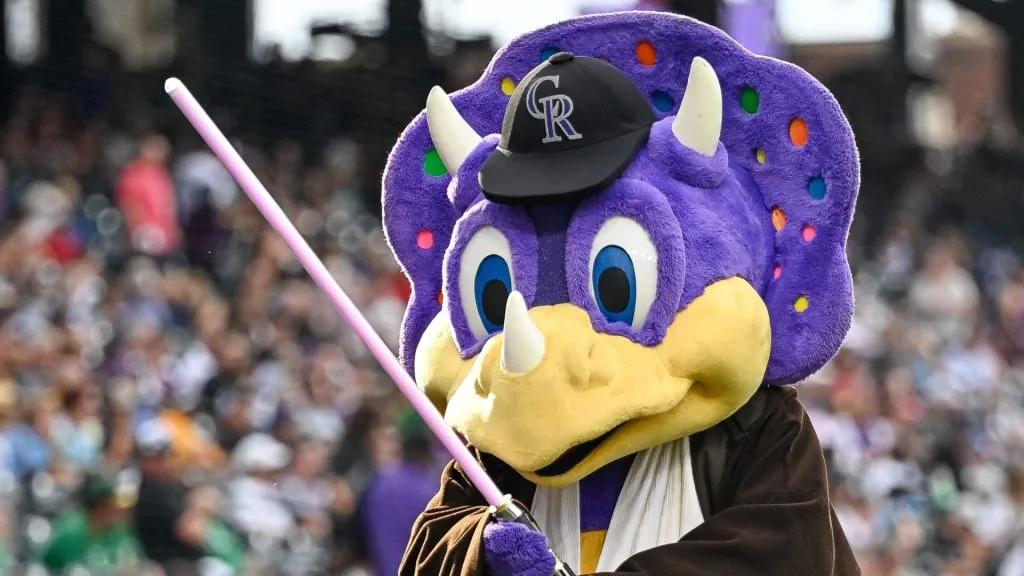
Colorado Rockies mascot Dinger performs in a Star Wars-themed robe on Star Wars Night before a game between the Colorado Rockies and the Oakland Athletics in 2023. (Source: Dustin Bradford/Getty Images)
Dinger made his debut in 1994 and quickly became the friendly face of the Colorado Rockies. His design, inspired by a dinosaur, reflects the prehistoric theme that accompanies the Rockies’ stadium, Coors Field, especially in relation to dinosaur fossils found in the area. Dinger’s mascot has won fans over with its fun and energetic personality.
Dinger’s salary is estimated to be between $40,000 and $60,000 annually, reflecting the mascot’s role in a team that has grown in popularity in recent years. For sure, it is a crucial figure in the team’s marketing efforts.
Mr. Met (New York Mets)
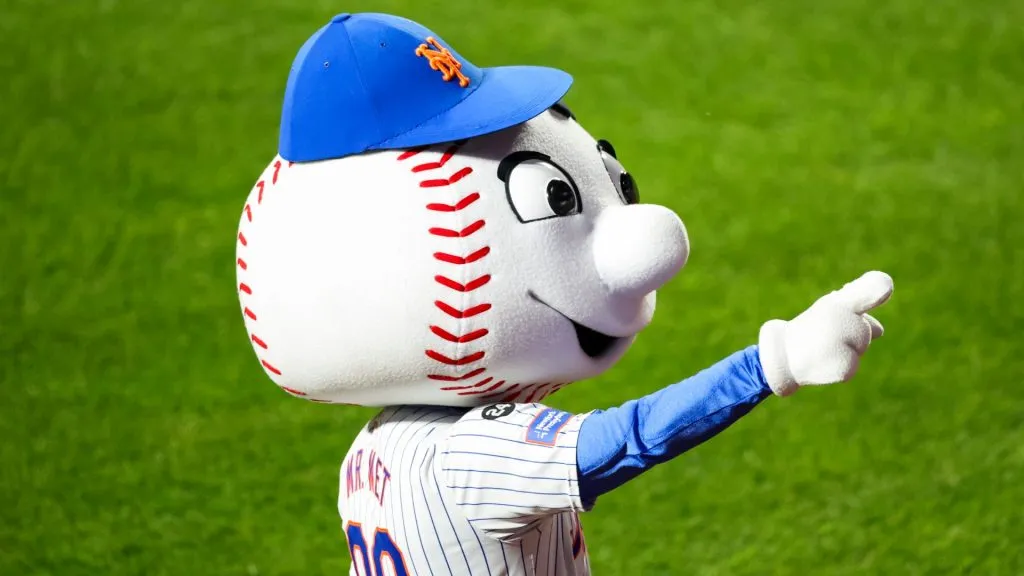
New York Mets. mascot Mr. Met reacts after the Mets defeated the Los Angeles Dodgers, 12-6, in Game Five of the National League Championship Series at Citi Field on October 18, 2024. (Source: Luke Hales/Getty Images)
Mr. Met debuted in 1963, becoming one of the oldest and most beloved mascots in MLB. Its simple design, with a large baseball head and a smiling face, has endured for over 50 years. He is a symbol of the Mets team and is known for its interactions with fans and its ever-cheerful demeanor.
Met’s salary is one of the highest in MLB. It is estimated that he earns around $600,000 annually, a figure that reflects his longevity, popularity and the role he plays in marketing and promoting the Mets, according to ESPN.
Wally the Green Monster (Boston Red Sox)
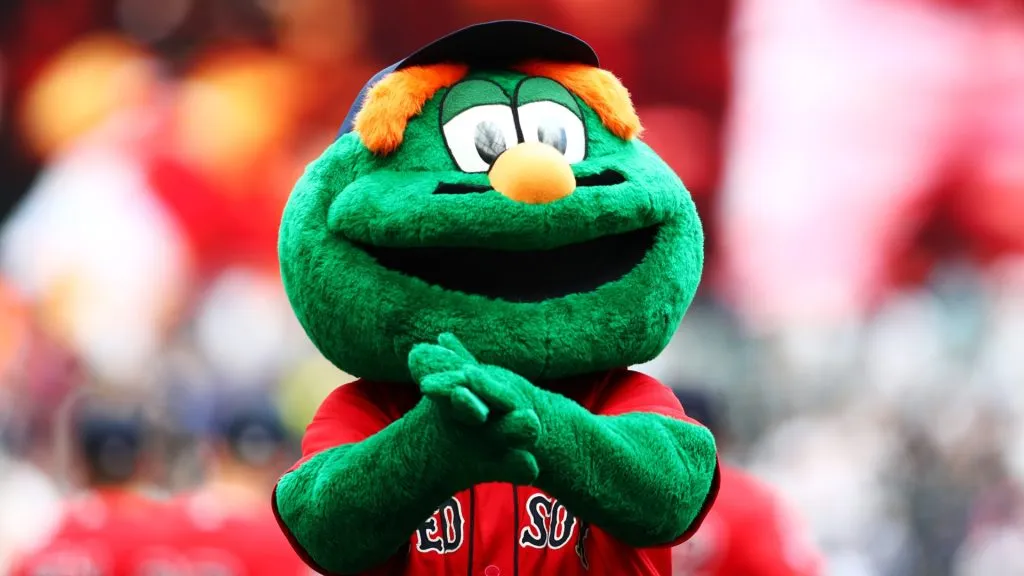
Wally the Green Monster, the mascot of the Boston Red Sox applauds the fans before the MLB London Series game between Boston Red Sox and New York Yankees in 2019. (Source: Dan Istitene/Getty Images)
Introduced in 1997, Wally the Green Monster is one of the most beloved and unique figures in MLB. Representing the iconic “Green Monster”, the famous wall at Fenway Park, Wally has a bright green appearance with big eyes and a friendly smile.
Despite his simple design, Wally has won the hearts of Red Sox fans and has become a symbol of the city of Boston. His annual salary is impressive, reaching $250,000, reflecting his popularity both at the stadium and in community events and Red Sox promotions.
In addition to his work on the field, Wally makes countless appearances on television shows and advertising campaigns, solidifying his status as one of the most profitable and beloved mascots in MLB.