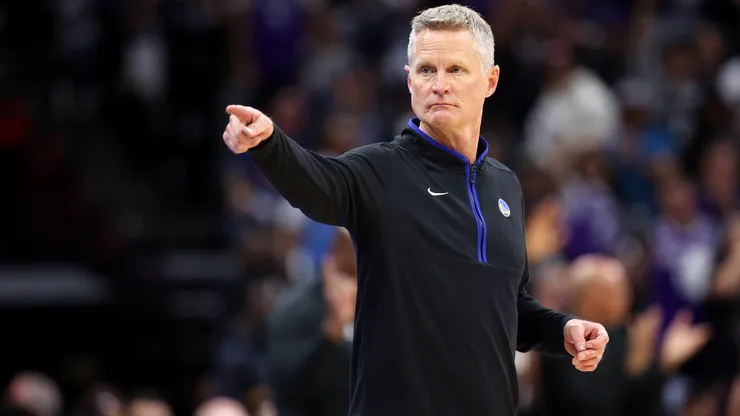
The NBA finds itself at a crossroads, juggling the need to protect player health while maintaining the financial structures that fuel the league’s global success. The recent discussion sparked by Commissioner Adam Silver’s proposal to reduce the length of NBA games from 48 to 40 minutes highlights this delicate balance. While voices like Golden State Warriors coach Steve Kerr have publicly supported the idea, citing player fatigue and modern consumption habits, the financial implications of any adjustment are far-reaching.
Player load management and injury prevention have become hot topics in recent years. The grueling 82-game schedule, combined with the physical demands of back-to-back games and cross-country travel, has led to an increase in star players missing regular-season games. This has frustrated fans, impacted team performance, and raised concerns about the long-term health of athletes. Shortening games could potentially reduce wear and tear on players, offering a compromise in a league unwilling to cut down the number of games due to revenue concerns.
Steve Kerr echoed this sentiment in a recent interview, stating, “One thing we know, the league isn’t going to cut games out of the schedule. I wish they would, but they’re not going to. I don’t think any of the constituents are going to agree to that just because of the revenue loss. If we’re not going to do that, shortening the games, lengthening the calendar season so the players get more rest—I’m all for that.”
Revenue streams at stake
At the heart of this debate lies the NBA’s revenue model, heavily reliant on TV deals, sponsorships, and ticket sales. The league’s lucrative broadcasting agreements are structured around the current game format, and any changes could have ripple effects on ad revenue and viewer engagement. While shortening games might align better with modern television habits, as Silver suggested, there’s a risk of alienating traditional fans and disrupting established revenue streams.
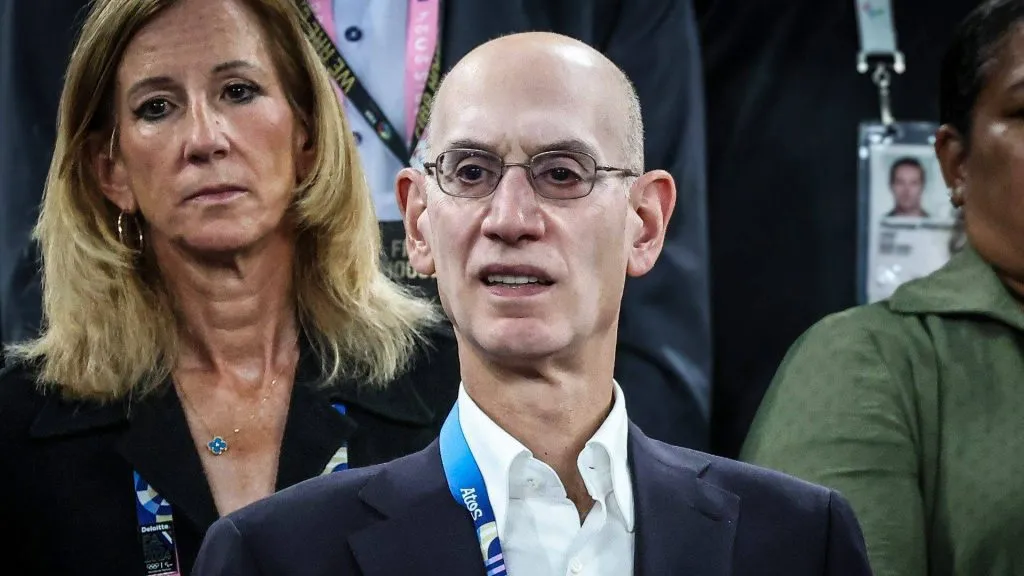
Arena Bercy Finale de Basketball Hommes France – USA Adam Silver.
“Something else that I’m a fan of—and I’m probably in a minority—as we get more involved in global basketball, the NBA is the only league that plays 48 minutes,” Silver mentioned. “I am a fan of four 10-minute quarters… I think that a two-hour format for a game is more consistent with modern television habits.” This perspective acknowledges the shifting landscape of media consumption, where shorter, more digestible content often attracts higher engagement, particularly from younger audiences.
However, in-arena experiences may not demand the same adjustments. Fans attending games in person are less concerned with the length of the game and more focused on the overall entertainment experience, which includes halftime shows, timeouts, and fan engagement activities. Thus, any change to game duration would need to consider both the in-person and at-home audiences.
A delicate balancing act
The NBA’s challenge is to find a middle ground where player health is prioritized without compromising the financial ecosystem that sustains the league. Shortening games might be a step in the right direction, but it’s unlikely to be a silver bullet. Expanding the season calendar to allow more rest days, investing in player recovery technologies, and adjusting travel schedules are additional avenues the league could explore.
Ultimately, the debate over game length is a microcosm of a larger conversation about the future of professional sports—a future where player well-being, fan engagement, and financial viability must coexist in harmony. As the NBA continues to evolve, the decisions made today will shape not just the league’s business model but also the longevity and health of its most valuable asset: the players.