The Buffalo Bills has always been defined by resilience, passion, and figures who embodied the city’s relentless spirit. From frozen fields to comeback triumphs, their story is as much about its people as its victories.
Over the years, certain NFL icons rose above the game, not just as athletes or coaches, but as symbols of grit. Their legacies shaped how Buffalo stood tall, win or lose, leaving memories that stretched far beyond the scoreboard.
Some became legends through dominance, others through moments etched in heartbreak or glory. Together, they created the heartbeat of a franchise and a city—an identity forged in loyalty and perseverance.
Jim Kelly
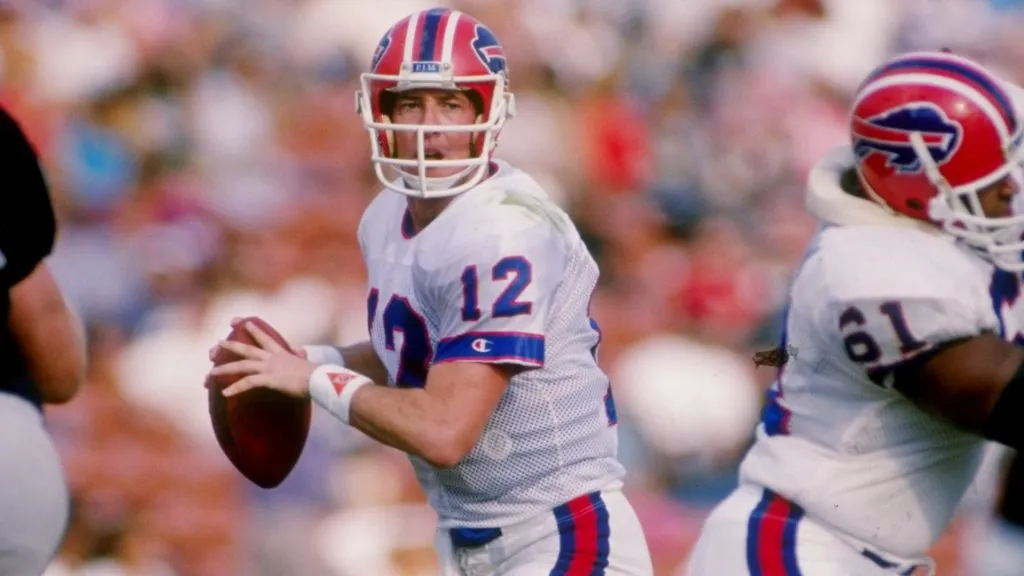
Jim Kelly of the Buffalo Bills prepares to pass the ball during a game against the Los Angeles Raiders in 1991. (Source: Getty Images)
Jim Kelly was more than a quarterback; he was the embodiment of Buffalo’s resilience and ambition. Drafted in the first round of the 1983 NFL Draft, he transformed the Bills into perennial contenders, leading them to four consecutive Super Bowls—a feat unmatched in NFL history.
His quick release and sharp football IQ made him a formidable force on the field. Off the field, his leadership and community involvement solidified his status as a Buffalo icon. Even as records fell to newer stars like Josh Allen, his legacy remained untarnished, serving as a mentor and symbol of enduring excellence.
Bruce Smith
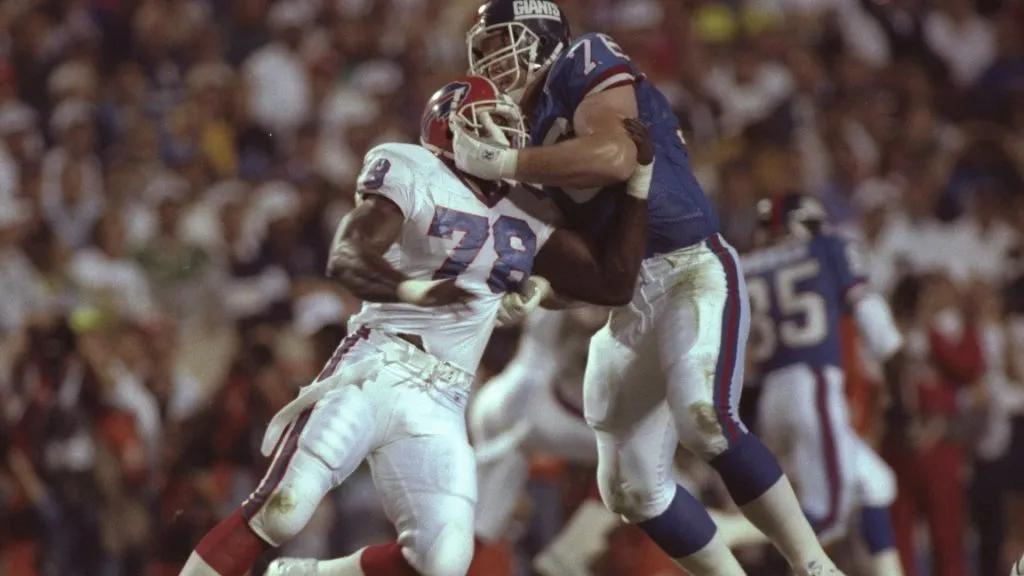
Bruce Smith (Source: Getty Images)
Bruce Smith‘s presence on the defensive line was nothing short of intimidating. With a career total of 200 sacks, he holds the NFL record for most career sacks, a testament to his relentless pursuit of quarterbacks.
His combination of size, speed, and technique made him a nightmare for opposing offenses. Beyond his on-field prowess, his leadership and dedication to the game set a standard for future generations. His number 78 jersey was retired by the Bills, honoring his indelible impact on the franchise.
Thurman Thomas
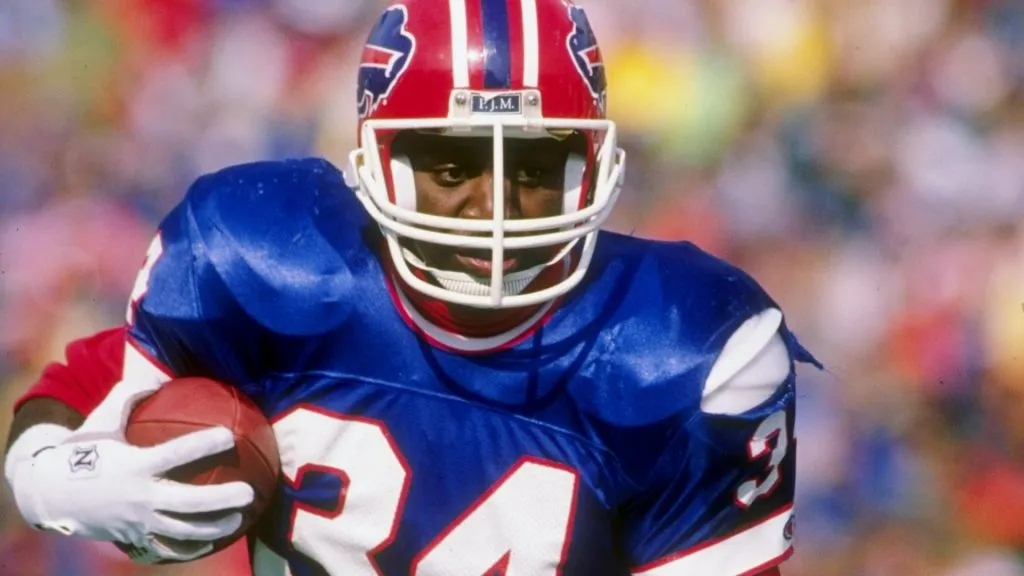
Thurman Thomas (Source: Rick Stewart /Allsport)
Thurman Thomas redefined the role of a running back in the NFL. With 12,074 rushing yards and 65 touchdowns, he was a consistent offensive powerhouse. His ability to contribute both on the ground and as a receiver made him a versatile weapon in the Bills’ high-powered offense.
Beyond his statistics, his leadership and work ethic were pivotal in the Bills’ success during the 1990s. Even after retirement, he remains actively involved in the Buffalo community, contributing to the development of the new Highmark Stadium, ensuring his legacy continues to shape the city’s future.
Darryl Talley
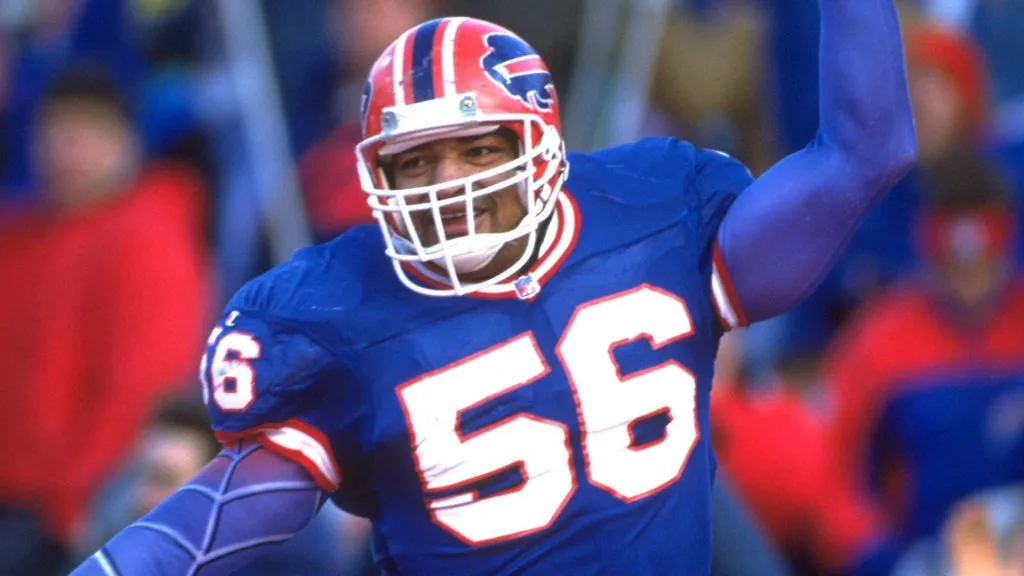
Darryl Talley (Source: Getty Images)
Darryl Talley‘s impact on the Buffalo Bills was profound, yet often understated. As the franchise’s all-time leading tackler with 1,137 tackles, his consistency and reliability were cornerstones of the team’s defense.
His versatility allowed him to excel in various defensive schemes, making him a valuable asset throughout his career. Known for his fiery passion and leadership, he was a driving force in the Bills’ four consecutive Super Bowl appearances, earning him a place among the franchise’s elite.
LeSean McCoy
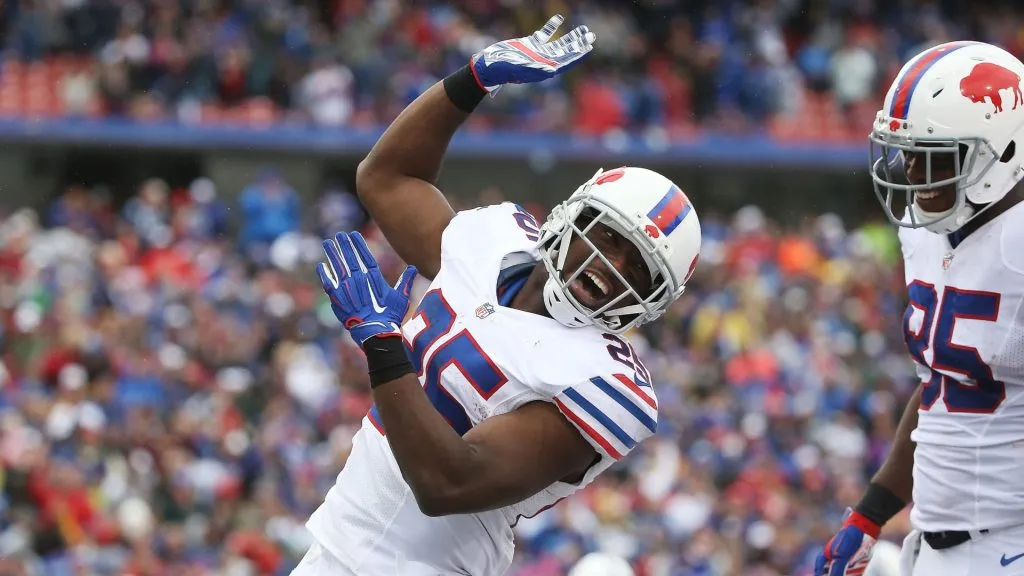
LeSean McCoy (Source: Tom Szczerbowski/Getty Images)
LeSean McCoy brought a fresh dynamic to the Buffalo Bills’ offense. With 11,102 rushing yards and 89 touchdowns, his agility and vision made him a standout performer. His contributions were instrumental in revitalizing the team’s offensive strategies.
Off the field, he has continued to make a positive impact, leading community development projects such as the JMB Gardens in Harrisburg, Pennsylvania, demonstrating his commitment to giving back to the community.
Andre Reed
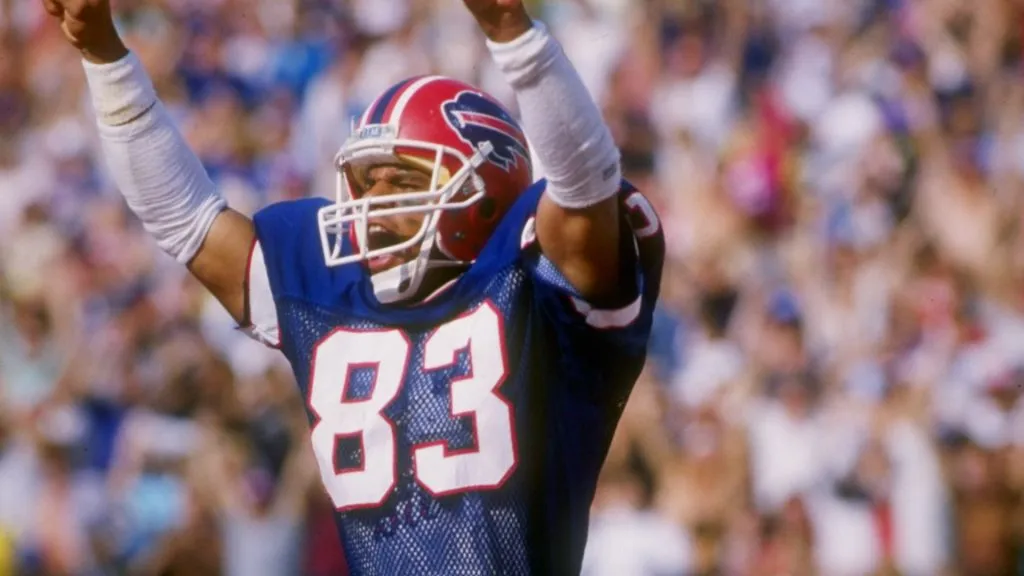
Andre Reed (Source: Getty Images)
Andre Reed‘s reliability and consistency made him a cornerstone of the Bills’ offense. With 951 receptions and 13,198 receiving yards, he was a favorite target for quarterbacks, consistently delivering clutch performances.
His ability to perform under pressure and his leadership on and off the field were instrumental in the Bills’ success during the 1990s. His legacy continues to inspire future generations, solidifying his place among the franchise’s greats.
Jack Kemp
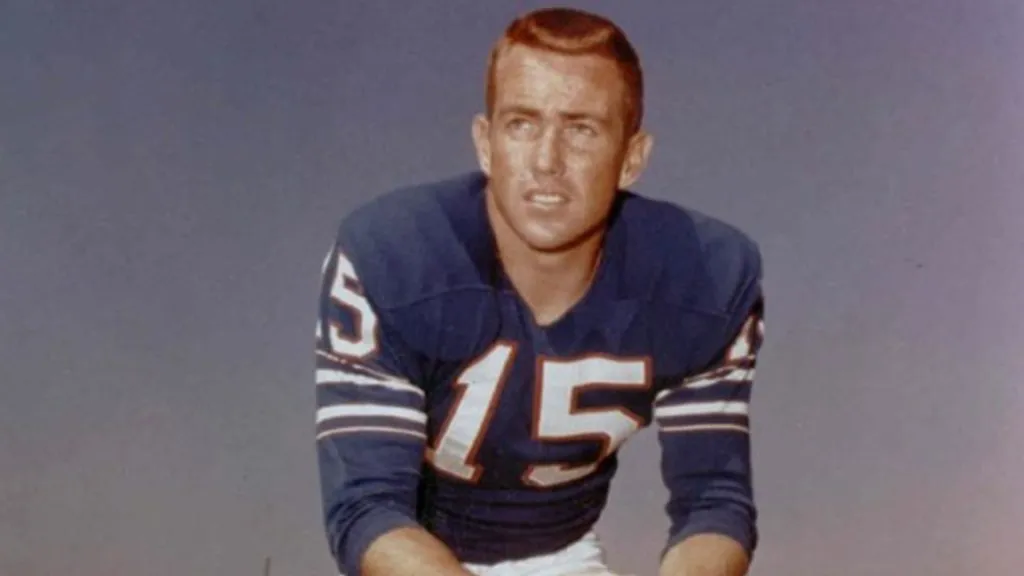
Jack Kemp (Source: Buffalo Bills)
Jack Kemp‘s influence extended beyond his impressive statistics. With 21,218 passing yards and 114 touchdowns, Kemp was a formidable quarterback in the AFL, leading the Bills to two championships.
His leadership and vision on the field set the foundation for the team’s future success. Off the field, his contributions to public service and politics showcased his commitment to making a positive impact, further cementing his legacy as a true pioneer.
Eric Moulds
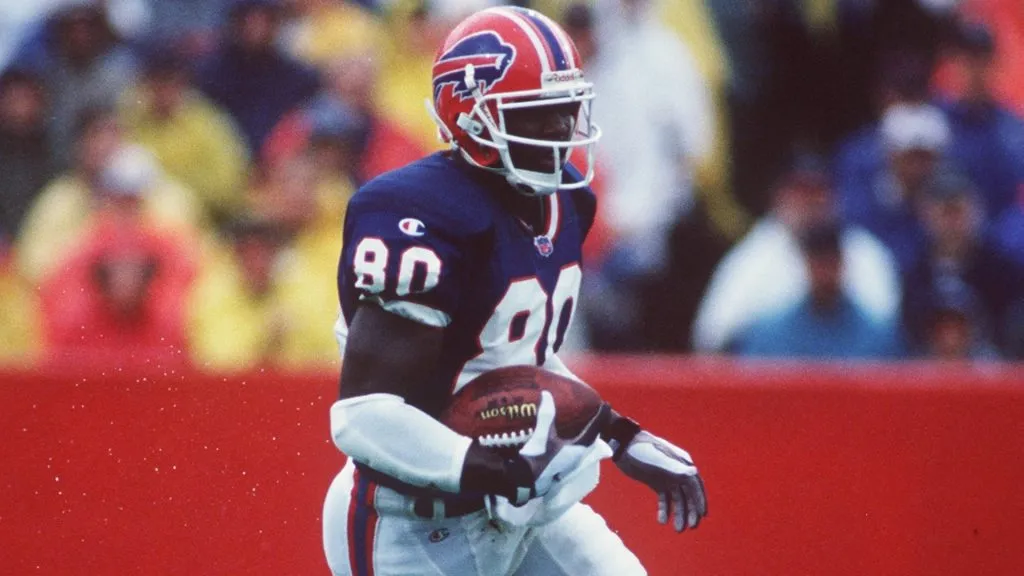
Eric Moulds (Source:Rick Stewart/ALLSPORT)
Eric Moulds was the heartbeat of the Bills’ aerial attack during the late 1990s and early 2000s. Drafted in the first round of the 1996 NFL Draft, he quickly became a go-to target for quarterbacks, amassing 764 receptions for 9,995 yards and 49 touchdowns over his career.
His explosive speed and precise route-running made him a constant deep threat. His impact extended beyond the field; he was a community leader and a symbol of Buffalo’s resilience. Even after his playing days, he remained involved in the Buffalo community, participating in events and supporting local initiatives.
Drew Bledsoe
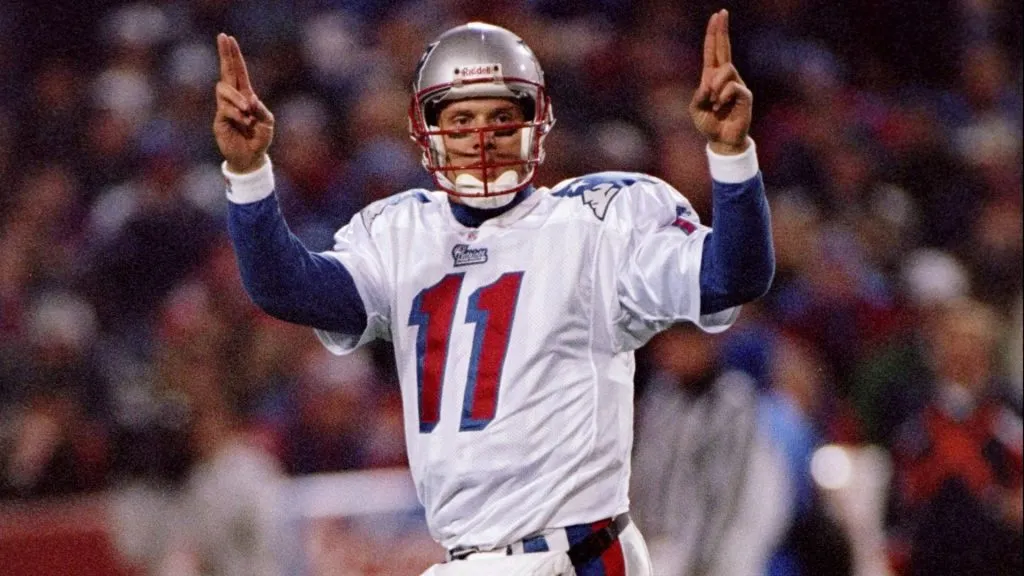
Drew Bledsoe (Source: Rick Stewart /Allsport)
In 2002, Drew Bledsoe brought a wealth of experience to the Bills, having previously led the New England Patriots before Tom Brady took over. His strong arm and leadership qualities were instrumental in rejuvenating Buffalo’s offense.
His tenure with the Bills was marked by his ability to mentor younger players and his resilience on the field. Though his time in Buffalo was relatively short, his impact was lasting, and he remains a respected figure in the franchise’s history.
Steve Christie
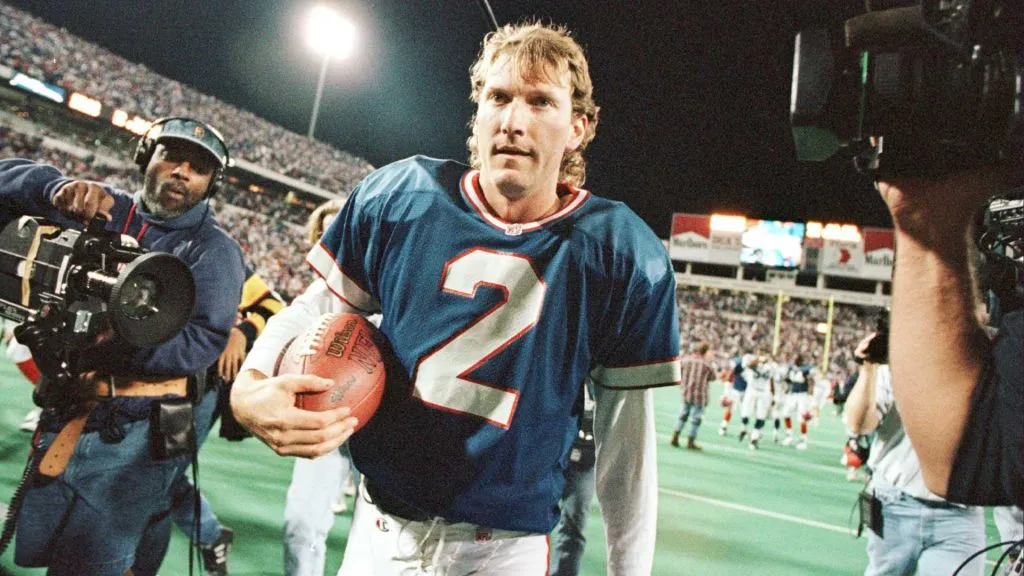
Steve Christie (Source: Getty Images)
Steve Christie was the epitome of reliability for the Bills during his tenure. As a placekicker, he played 229 games over his career, amassing 1,476 points. His ability to perform under pressure made him a trusted asset in critical moments. His consistency and composure in high-stakes situations solidified his place as one of the most dependable kickers in NFL history.
Ryan Fitzpatrick
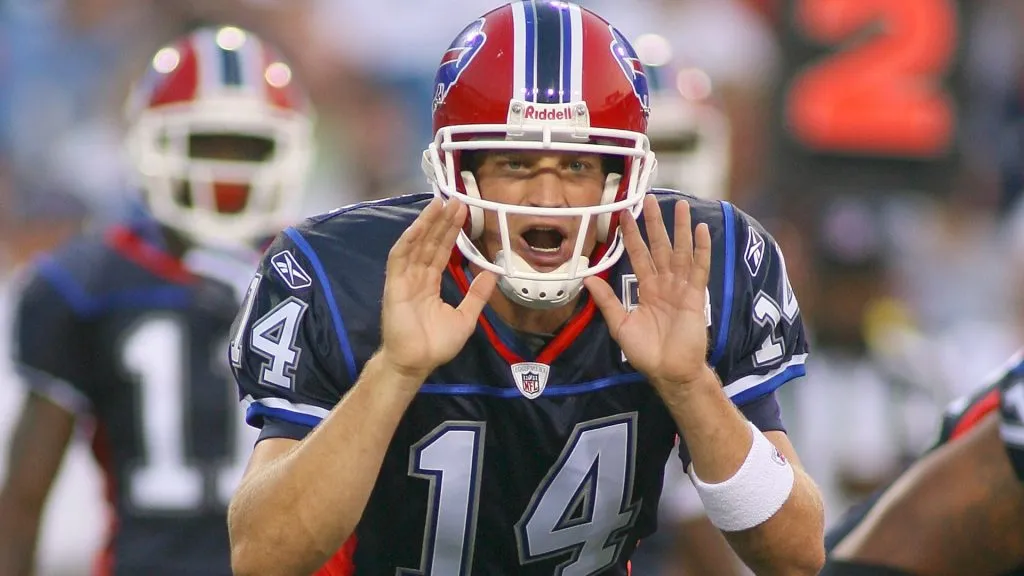
Ryan Fitzpatrick (Source: Rick Stewart/Getty Images)
Ryan Fitzpatrick, affectionately known as “Fitzmagic,” brought an infectious energy to Buffalo. Despite being a journeyman quarterback, his time with the Bills was marked by his charismatic leadership and memorable performances.
His connection with the fans was undeniable, and he remains a beloved figure in Buffalo’s football lore. Even after his playing days, his bond with the city endures, with his appearances at games continuing to energize the fanbase.
Joe Cribbs
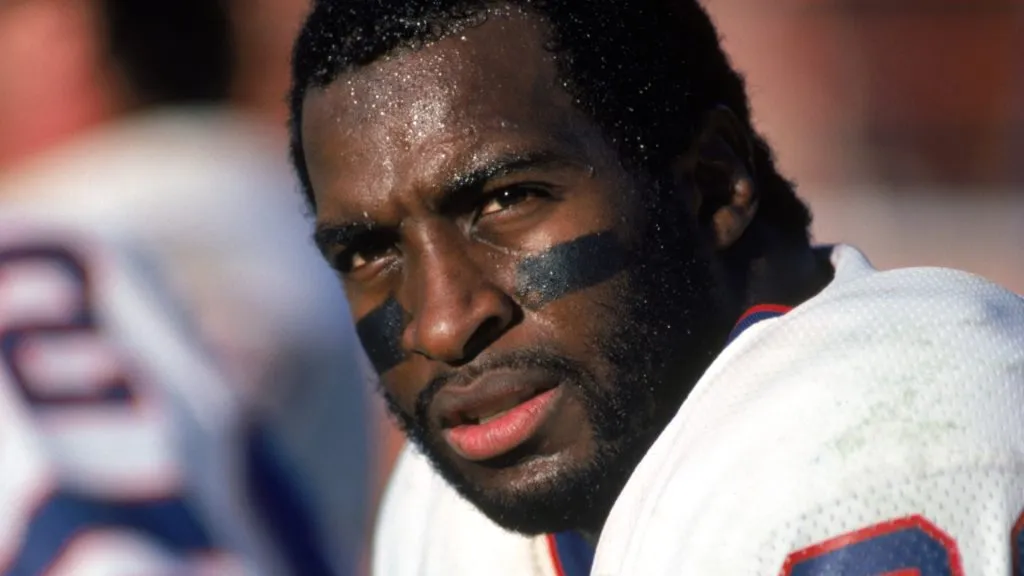
Joe Cribbs (Source: George Rose/Getty Images)
Joe Cribbs was a versatile weapon for the Bills in the early 1980s. With 1,309 rushing attempts for 5,356 yards and 224 receptions for 2,199 yards, he showcased his ability to impact the game both on the ground and through the air. His dynamic playmaking ability earned him three Pro Bowl selections and solidified his status as one of the most electrifying players in franchise history.
Doug Flutie
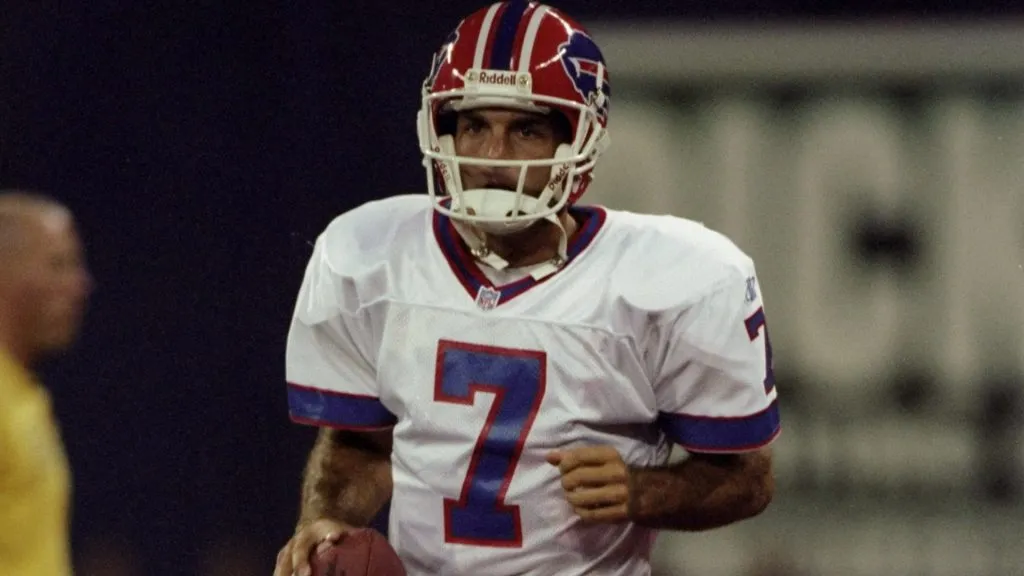
Doug Flutie (Source: Andy Lyons/Getty Images)
Doug Flutie brought a unique flair to Buffalo’s offense. Standing at just 5’10”, his size was often seen as a disadvantage, but his playmaking ability proved otherwise. Leading the Bills to a playoff victory in 1999, his time in Buffalo was marked by his resilience and ability to perform in clutch situations. His connection with the fans and his underdog story endeared him to the Buffalo faithful.
Nate Clements
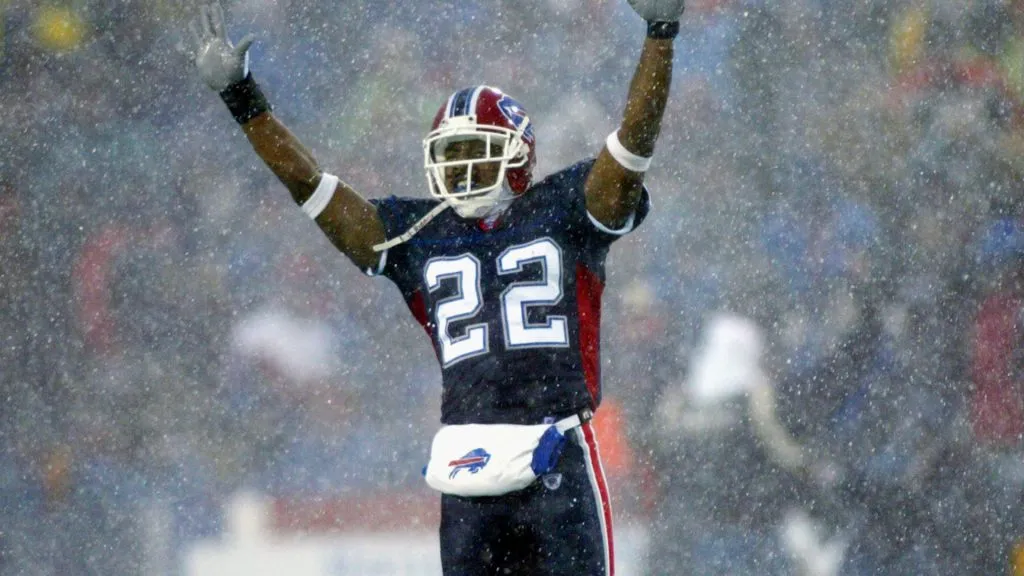
Nate Clements (Source: Rick Stewart/Getty Images)
Nate Clements was a cornerstone of Buffalo’s defense in the early 2000s. Drafted in the first round of the 2001 NFL Draft, he quickly established himself as one of the league’s top cornerbacks. His ability to shut down top receivers and his knack for making game-changing plays were instrumental in Buffalo’s defensive success during his tenure. His legacy continues to influence the team’s defensive philosophy.
Scott Norwood
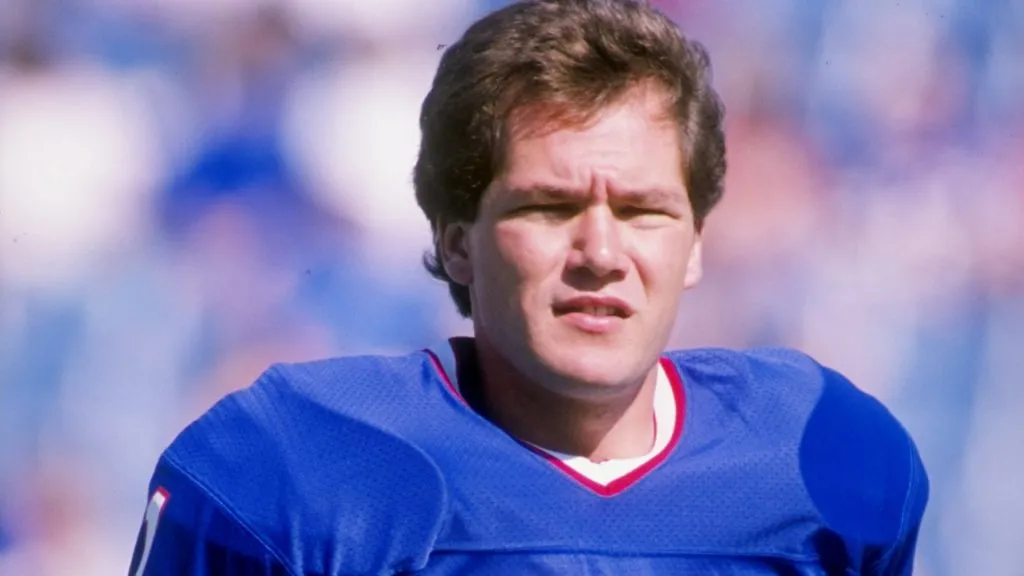
Scott Norwood (Source: Rick Stewart /Allsport)
Scott Norwood‘s career with the Bills is often remembered for his missed field goal in Super Bowl XXV, but his contributions to the team went far beyond that moment. Over seven seasons, he became the franchise’s all-time leading scorer, amassing 670 points. His consistency and ability to perform under pressure made him a valuable asset to the team. While that one miss became iconic, it doesn’t overshadow the many clutch kicks he made throughout his career.
Travis Henry
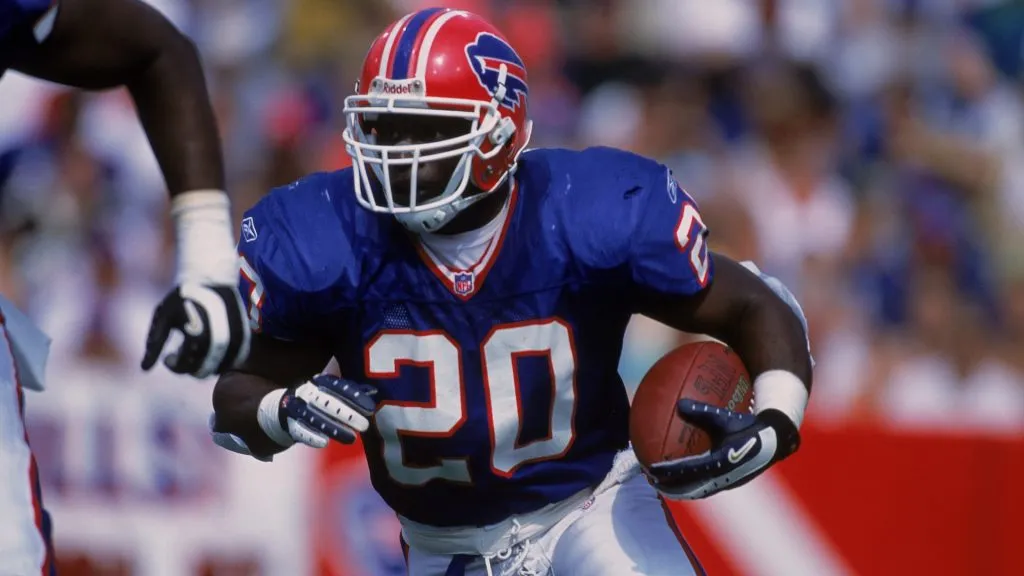
Travis Henry (Source: Rick Stewart /Allsport)
Travis Henry‘s time with the Bills was marked by his explosive running ability. In 2002, he rushed for 1,438 yards, earning a Pro Bowl selection and establishing himself as one of the league’s top running backs.
However, his career was marred by off-field issues, including legal troubles and financial difficulties. Despite his promising start, his time in the NFL was short-lived, and he remains a cautionary tale of potential unfulfilled.
Marv Levy
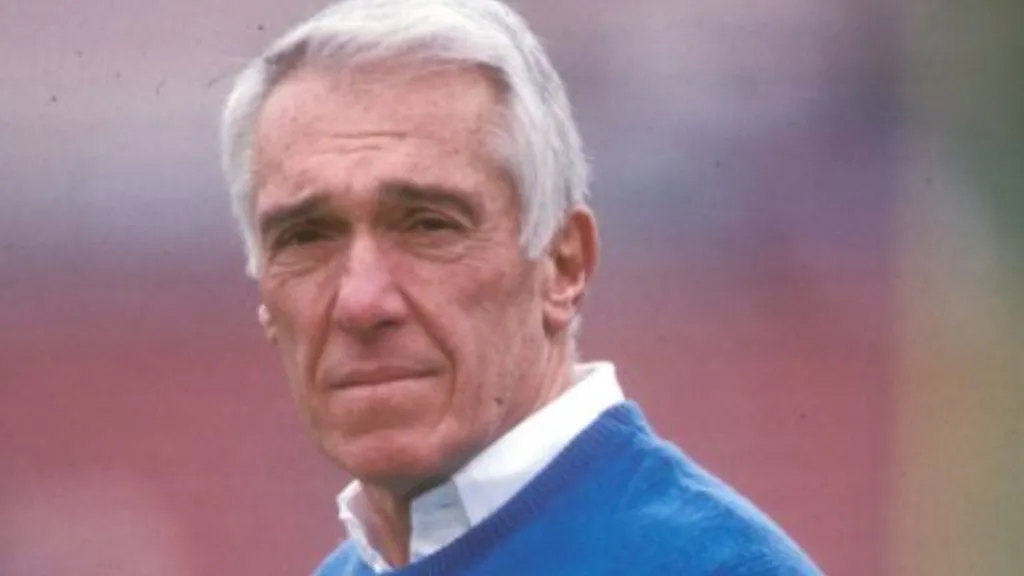
Marv Levy (Source: NFL)
Marv Levy was more than a coach; he was the strategist who restored Buffalo’s pride. Over 11 seasons, he led the Bills to four straight Super Bowl appearances and six AFC East titles.
His innovative “no-huddle” offense redefined play-calling expectations and his mantra—”Where else would you rather be than right here, right now?”—still echoes in Buffalo’s psyche.
O.J. Simpson
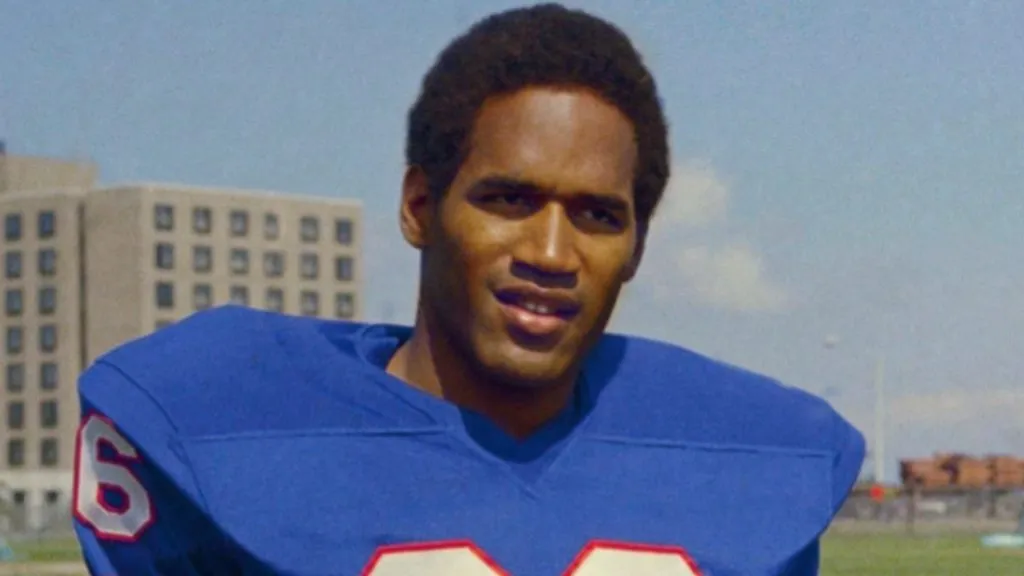
O.J. Simpson (Source: NFL)
Before Josh Allen and Jim Kelly, there was O.J. Simpson—the player who gave Buffalo its first taste of superstardom. Drafted first overall in 1969, he quickly became the face of the franchise. His 1973 season, where he became the first NFL player to rush for over 2,000 yards in a 14-game schedule, remains one of the most iconic single-season performances in league history.
Nicknamed “The Juice,” his blend of speed, vision, and elegance on the field elevated the Bills from an afterthought to a must-watch team. Despite later controversies away from football, within the lines of the gridiron he was a trailblazer, reshaping how running backs were perceived and cementing Buffalo’s place on the NFL map.
Josh Allen
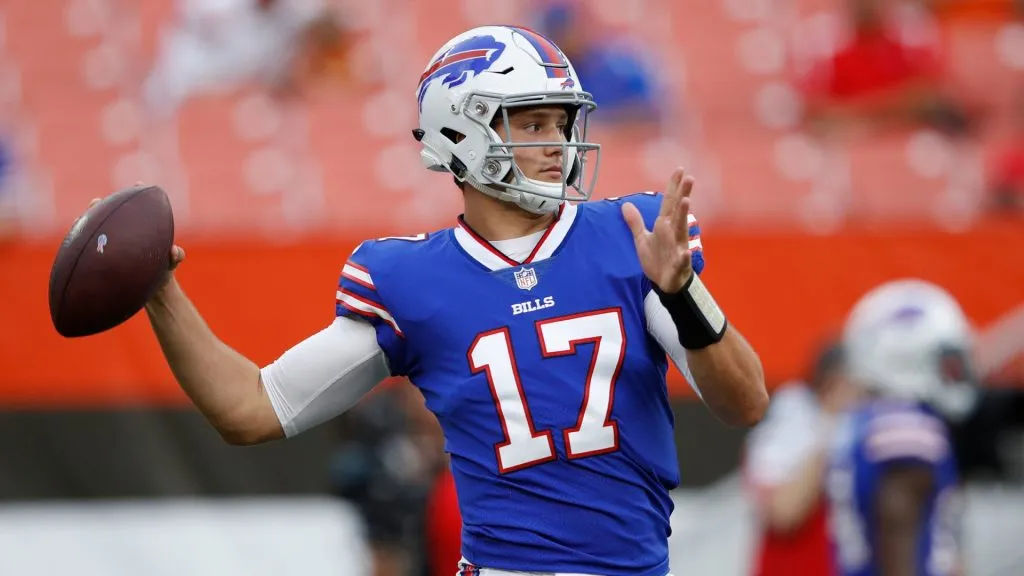
Josh Allen (Source: Joe Robbins/Getty Images)
Few players have redefined a franchise the way Josh Allen has. Drafted in 2018, Allen entered the league with raw potential, a massive arm, and questions about accuracy. Today, he is the unquestioned leader of the Bills, one of the NFL’s most dangerous dual-threat quarterbacks, and the heartbeat of Buffalo’s Super Bowl aspirations.
He has shattered franchise records, including most rushing touchdowns by a quarterback, while also establishing himself as a perennial MVP contender. But beyond numbers, he has become Buffalo’s cultural symbol—embracing the city, its fans, and its gritty identity. His passion, visible in every leap over defenders or fiery sideline moment, embodies exactly what Bills Mafia loves: toughness, loyalty, and heart.
Steve Tasker
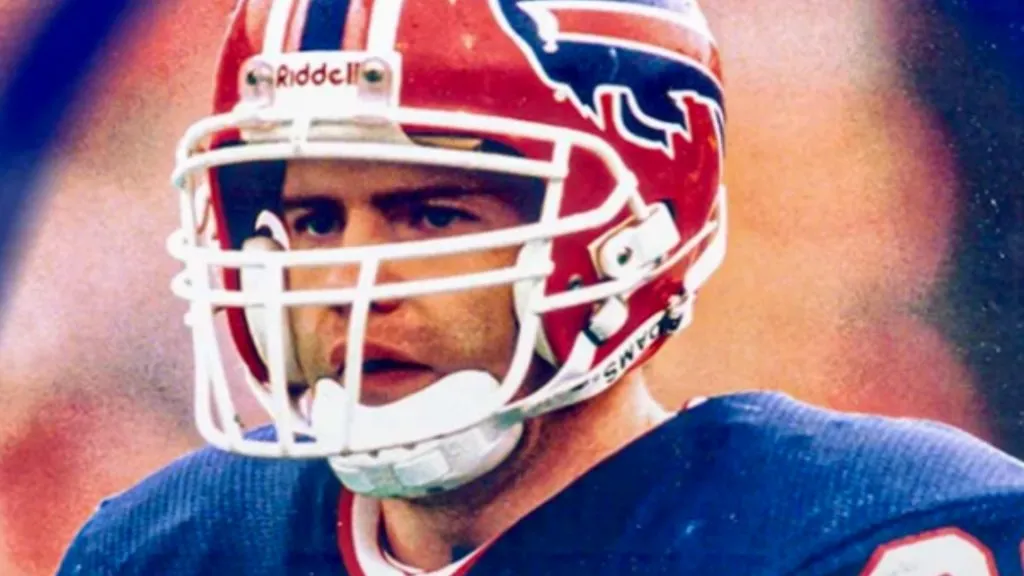
Steve Tasker (Source: Buffalo Bills)
Special teams rarely produce legends, but Steve Tasker is the exception that proves the rule. Joining Buffalo in 1986, he turned the overlooked role of gunner into an art form. Over 12 seasons, he recorded 204 special teams tackles, blocked seven punts, and became a seven-time Pro Bowl selection—a staggering feat for a player who wasn’t a kicker or returner.
His relentless energy, fearlessness, and knack for game-changing plays made him a fan favorite and a locker room leader. Many teammates and coaches argue he deserves a place in the Pro Football Hall of Fame, not just the Bills Wall of Fame. For Buffalo fans, his career epitomizes the blue-collar resilience that defines both the city and the franchise.
Tyrod Taylor
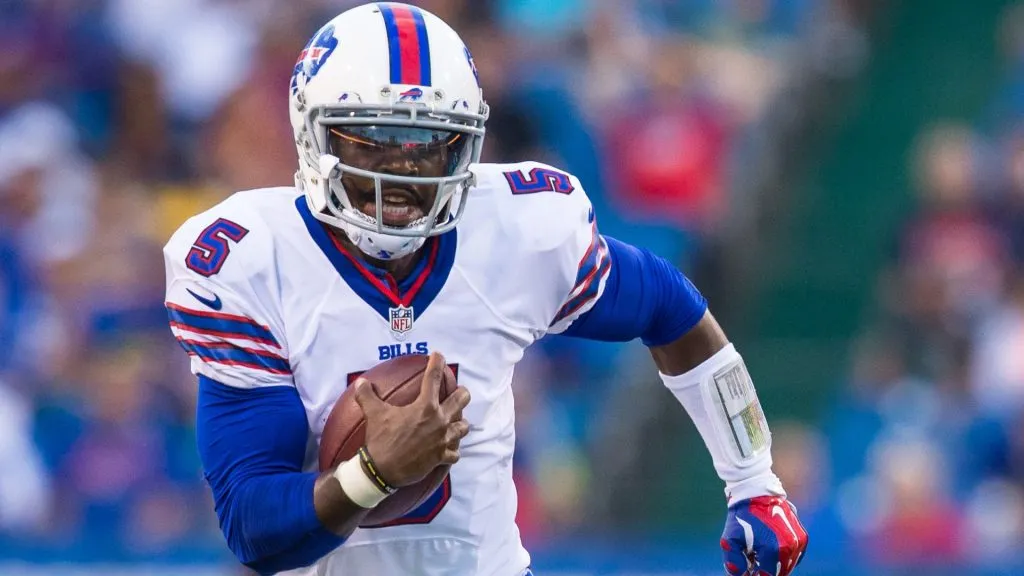
Tyrod Taylor (Source: Brett Carlsen/Getty Images)
Before Josh Allen took the reins, Tyrod Taylor provided stability during a turbulent era for the Bills. Arriving in 2015, Taylor brought mobility, smart decision-making, and a steady presence under center. In 2017, he guided Buffalo to its first playoff berth in 17 years, breaking the franchise’s longest postseason drought.
While not a record-breaking quarterback, his discipline and ability to extend plays gave the Bills credibility again, serving as a bridge between the franchise’s past struggles and its modern resurgence.
Jordan Poyer
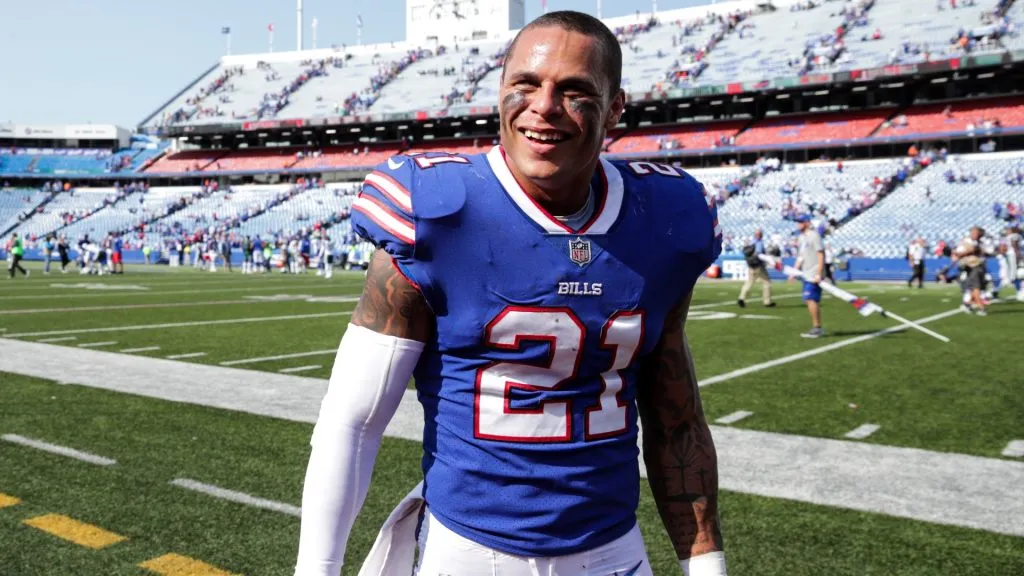
Jordan Poyer (Source: Brett Carlsen/Getty Images)
Since arriving in 2017, Jordan Poyer has been a cornerstone of Buffalo’s defense. A hard-hitting safety with elite instincts, he transformed the secondary alongside Micah Hyde, turning the Bills into one of the most feared defensive units in the NFL.
His leadership extends off the field too—an outspoken voice in the locker room and a consistent presence in the community. In a league that often overlooks safeties, he has earned Pro Bowl and All-Pro honors by embodying Buffalo’s defensive grit and resilience.
Marshawn Lynch
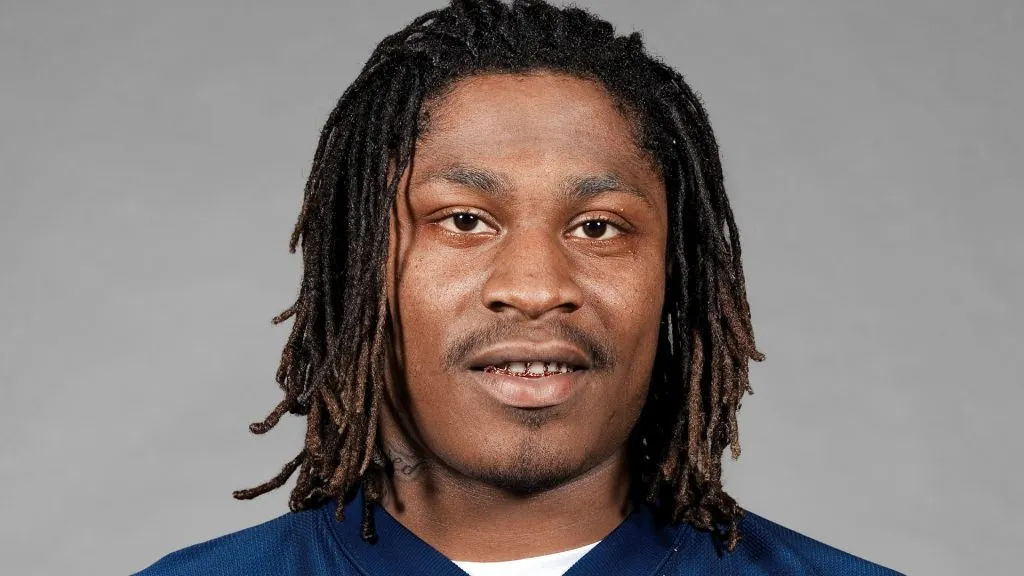
Marshawn Lynch (Source: Getty Images)
Before he became a legend in Seattle, Marshawn Lynch’s “Beast Mode” began in Buffalo. Drafted in 2007, Lynch’s punishing running style immediately energized the offense. Though his tenure with the Bills was shorter than fans might have liked, he left unforgettable highlights—like breaking through piles of defenders with sheer willpower.
His time in Buffalo set the stage for the Hall of Fame-worthy career he’d later build, but for Bills fans, he was the spark of toughness and individuality that fit the city’s spirit perfectly.
Sammy Watkins
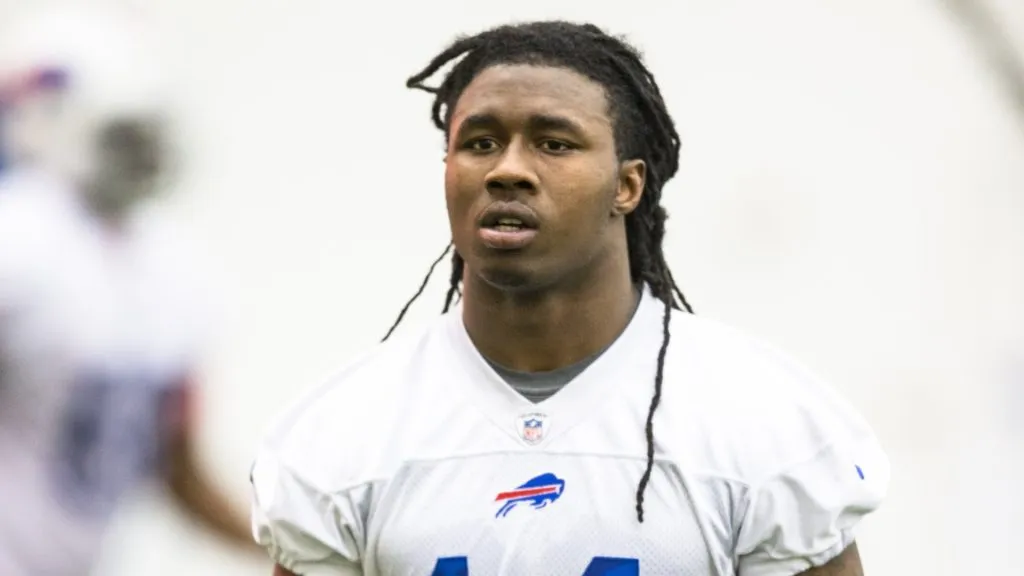
Sammy Watkins (Source: Brett Carlsen/Getty Images)
Drafted fourth overall in 2014, Sammy Watkins arrived in Buffalo with sky-high expectations. His time with the Bills was marked by flashes of brilliance: long touchdown grabs, game-breaking speed, and moments where he looked like one of the most dangerous receivers in the league.
Injuries prevented him from reaching his full potential in Buffalo, but his explosiveness and knack for big plays kept fans hopeful during challenging seasons. He symbolized the Bills’ search for an offensive star in the years before their modern resurgence.
Sean McDermott
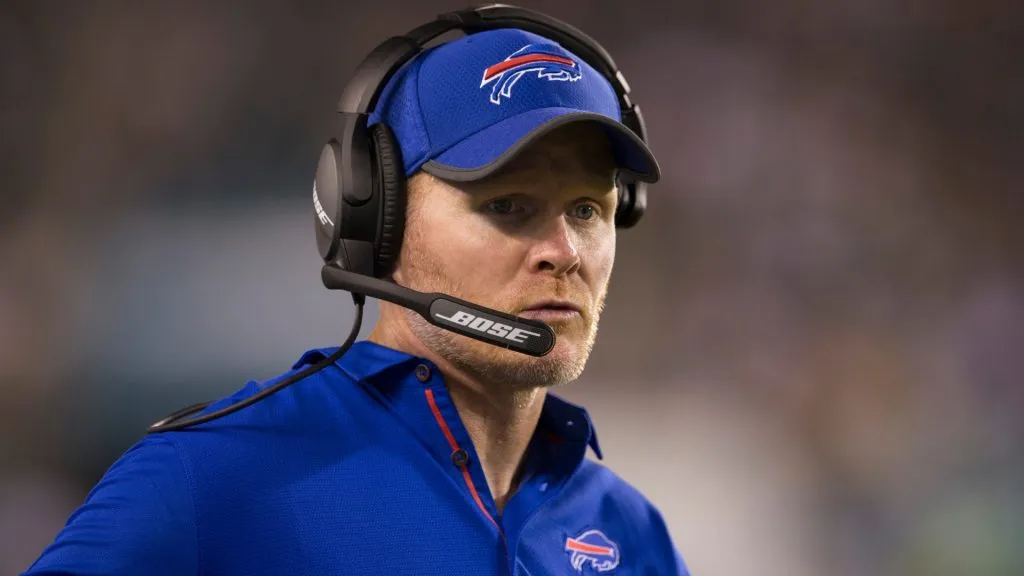
Sean McDermott (Source: Mitchell Leff/Getty Images)
When Sean McDermott was hired as head coach in 2017, the Bills were still haunted by years of inconsistency. He instilled a new culture built on accountability, discipline, and trust. Under his leadership, Buffalo ended its playoff drought and has since become a consistent contender in the AFC.
Known for his defensive mind and steady demeanor, he has overseen the rise of Josh Allen and the team’s transformation into a modern powerhouse. More than a coach, he is the culture-setter who gave Buffalo back its winning identity.