
For one Sunday in February, a city becomes the center of the NFL universe. Fireworks, cameras and packed stadiums suggest pure celebration, yet behind the spectacle sits a quieter question measured not in cheers, but in dollars.
Hosting the Super Bowl means far more than opening the gates on game day. Preparations stretch for months, sometimes years, weaving together security plans, temporary stages, private events and unseen logistics.
The numbers attached to that transformation can feel almost unreal, shifting with every promise of tourism, exposure and prestige. Somewhere between glittering opportunity and staggering expense lies the true price of football’s biggest night.
The cost of hosting a Super Bowl
Hosting a Super Bowl is a major financial undertaking, with costs varying based on location, infrastructure and agreements with the NFL. On average, cities spend between $50 million and $60 million to host the event.
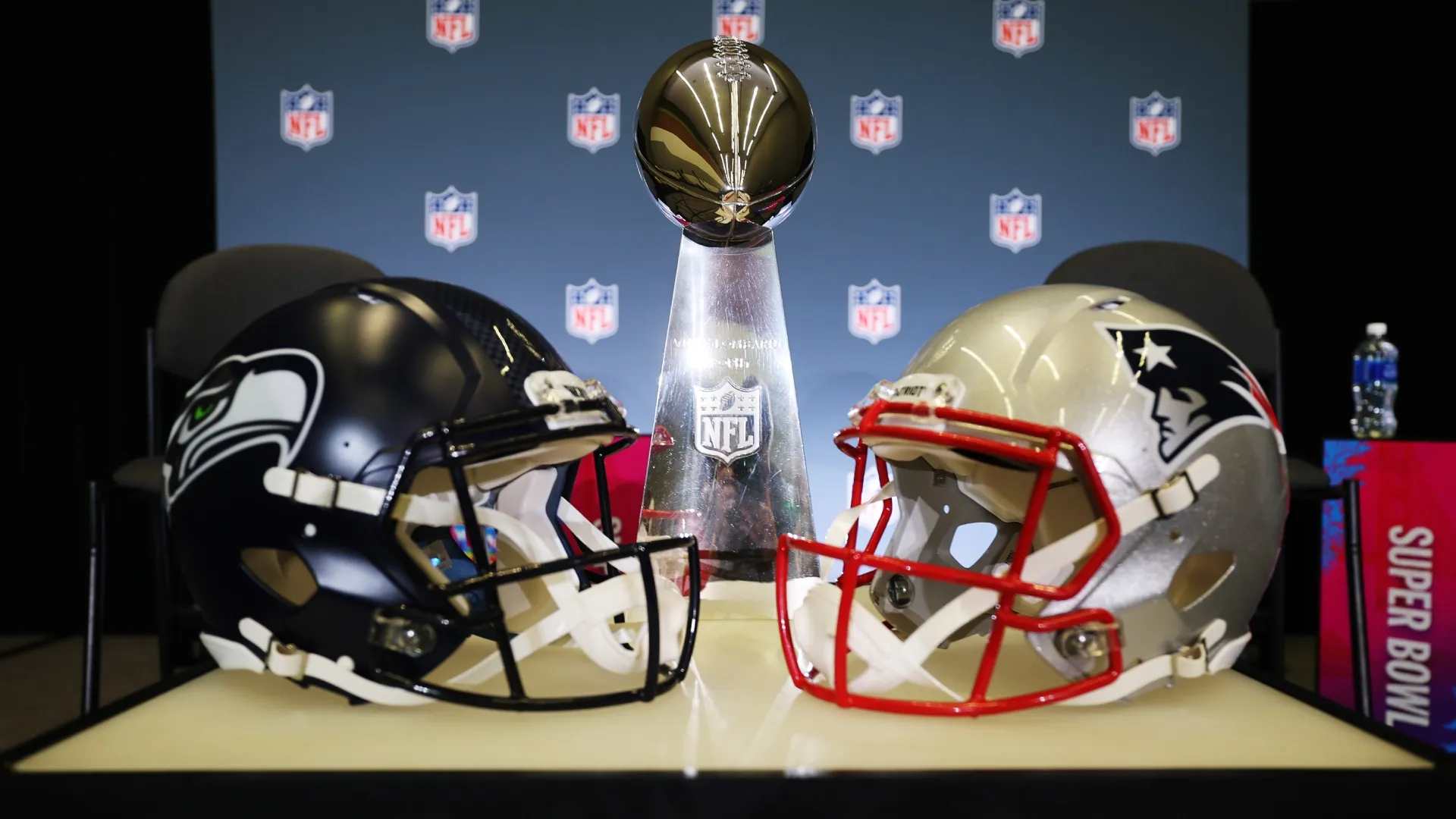
The Vince Lombardi Trophy is framed by the Seahawks and Patriots helmets (Source: Chris Graythen/Getty Images)
In contrast, Glendale, Arizona, reported spending between $579,000 and $1.2 million for the 2015 Super Bowl. For Super Bowl LIII in 2019, Atlanta allocated approximately $46 million to cover various expenses.
These included administrative costs, tax reimbursements, volunteer programs, stadium services and staff and tickets for the host committee, reflecting the commitment required to host an event of this magnitude.
Teams must also be provided with accommodations, which often represent a significant additional expense added to the long list. According to The Atlanta Journal-Constitution, in 2020, the funds were distributed as follows:
- Administrative and general costs: $1.5 million
- Estimated tax reimbursement (excluding game tickets): $2 million
- Volunteer program: $1.2 million
- Stadium services and staff: $5.4 million
- Tickets for the host committee: $981,250
- Team hotels: $1.1 million
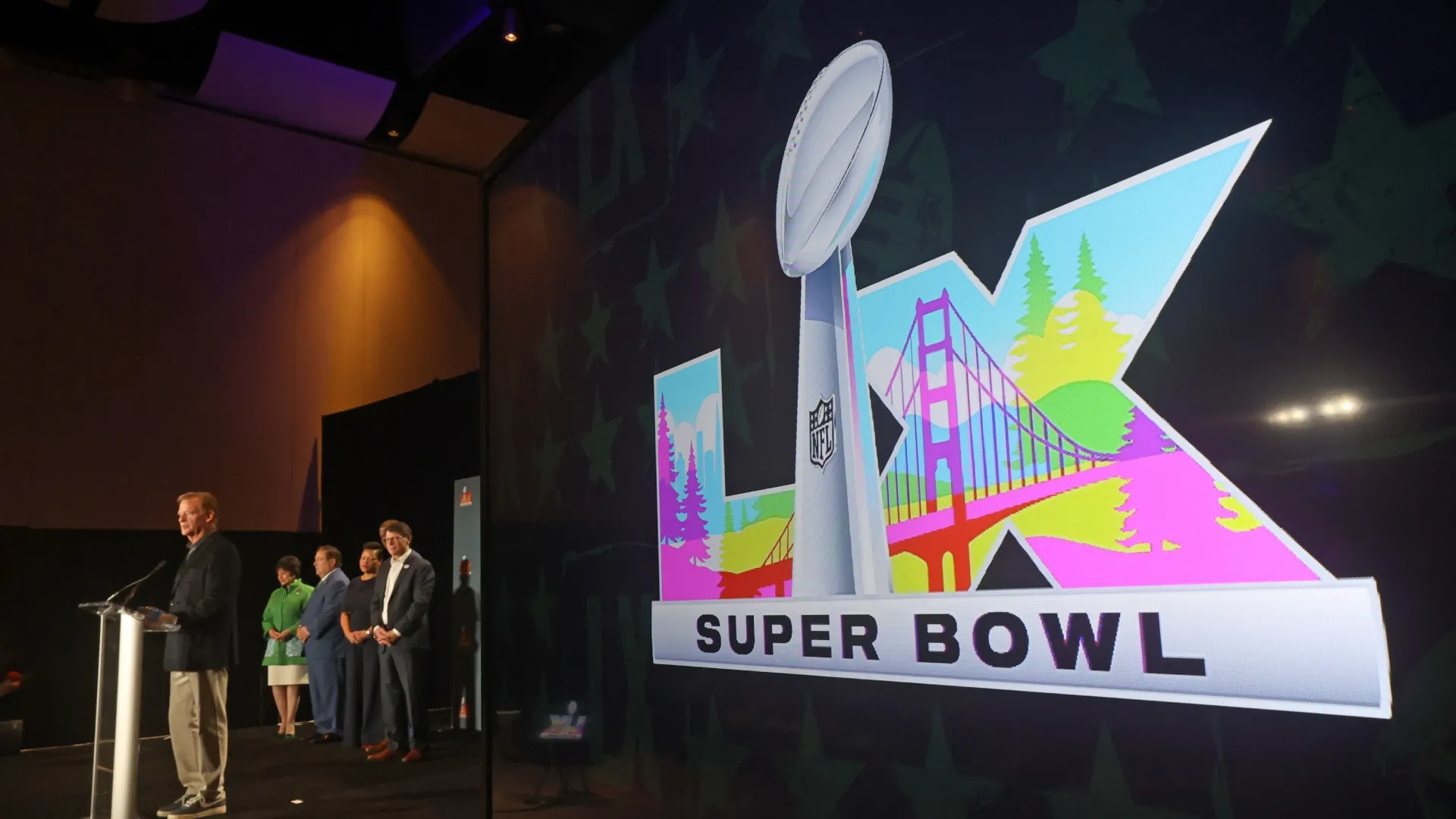
The Super Bowl LX logo is unveiled as NFL Commissioner Roger Goodell speaks in 2026. (Source: Michael DeMocker/Getty Images)
In the case of Las Vegas, host of Super Bowl LVIII in 2024, a total budget of $60 million was established. Of this amount, $40 million was contributed by the Las Vegas Convention and Visitors Authority (LVCVA), while the remaining $20 million came from the Las Vegas Super Bowl Host Committee.
Beyond the costs assumed by the host city, the production of the event itself entails significant expenses. In 2020, it was estimated that staging the Super Bowl cost approximately $100 million.
While the NFL claims that the economic impact can range between $300 million and $500 million for the host city, some economists argue that these figures may be exaggerated, estimating the real benefit to be between $30 million and $130 million.
Ultimately, while hosting a Super Bowl can bring recognition and boost the local economy, the cost of organizing the event is high and carries financial risks that each city must carefully evaluate before submitting a bid.
Cities that have hosted the Super Bowl the most times
Miami (11 times)
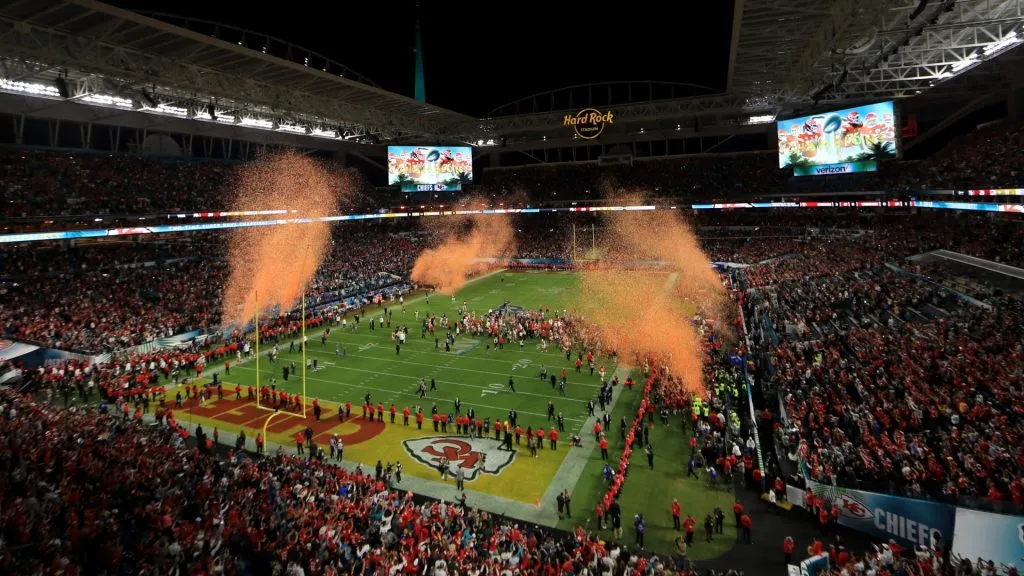
Kansas City Chiefs players celebrate after defeating San Francisco 49ers by 31 – 20 in Super Bowl LIV at Hard Rock Stadium on February 02, 2020 in Miami. (Source: Mike Ehrmann/Getty Images)
Miami has hosted the Super Bowl 11 times, with the most recent being in 2020 (Super Bowl LIV). While several locations have been used over the years, Hard Rock Stadium (formerly known as Sun Life Stadium and Dolphin Stadium) has been the primary venue since 1995.
This stadium has hosted the event multiple times and is a favorite for the NFL due to its location and modern facilities. Before that, Super Bowls in Miami were also held at the Orange Bowl, especially during the early editions of the event.
New Orleans (11 times)
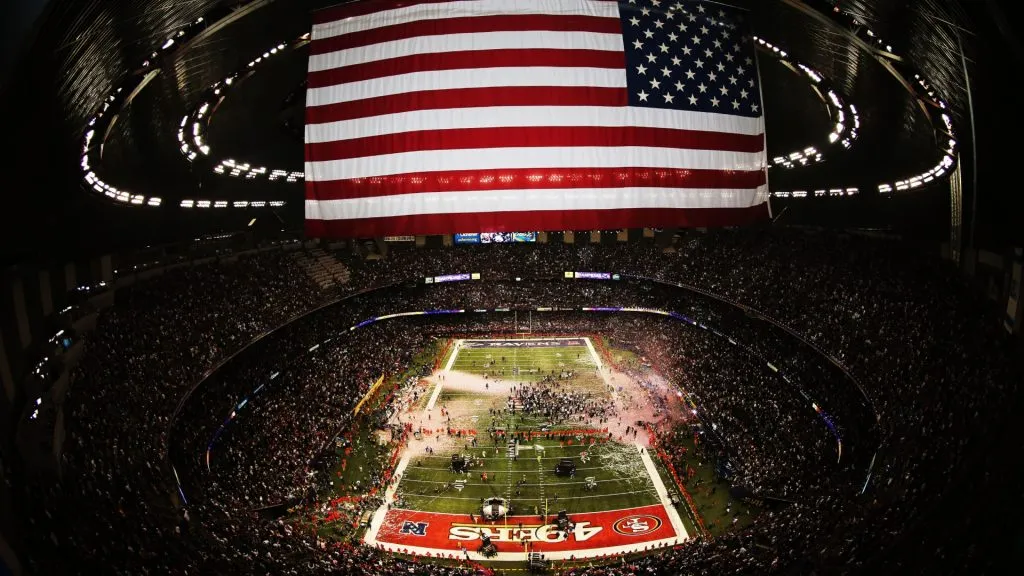
Celebration of the Baltimore Ravens 34-31 win against the San Francisco 49ers during Super Bowl XLVII at the Mercedes-Benz Superdome on February 3, 2013 in New Orleans. (Source: Chris Graythen/Getty Images)
New Orleans has also hosted the Super Bowl 11 times, with the Caesars Superdome being the main venue since 1978. This stadium has hosted the Super Bowl numerous times, becoming an iconic location for the event.
Only twice (Super Bowl IX in 1975 and Super Bowl XXXI in 1997) was the event held elsewhere, at the Louisiana Superdome. New Orleans is known for its festive atmosphere and hospitality, making it one of the most popular cities to host the Super Bowl.
Los Angeles (8 times)
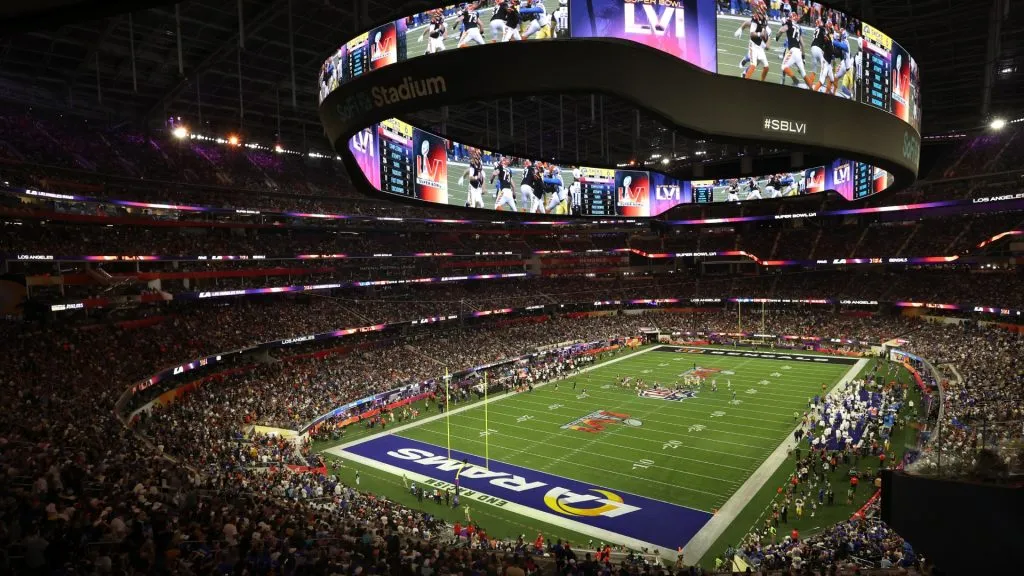
A general view of the action between the Cincinnati Bengals and the Los Angeles Rams during Super Bowl LVI at SoFi Stadium on February 13, 2022 in California. (Source: Katelyn Mulcahy/Getty Images)
Los Angeles has hosted the Super Bowl 8 times, but not always in the same stadium. The first Super Bowl editions in Los Angeles (Super Bowls I, VI, VII, XI, XIV) took place at the Los Angeles Memorial Coliseum, a historic stadium that has been renovated and updated several times.
More recently, the Super Bowl has been played at SoFi Stadium, one of the newest and most modern venues, which opened in 2020. Super Bowl LVI was held at this new stadium, marking it as the epicenter of major sports events.
Tampa (5 times)
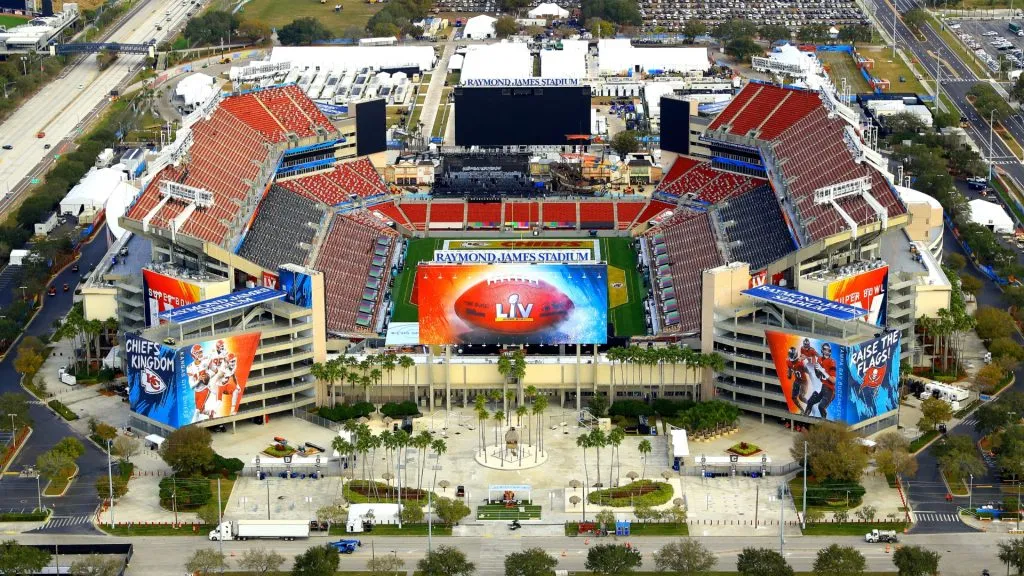
An aerial view of Raymond James Stadium ahead of Super Bowl LV on January 31, 2021 in Tampa, Florida. (Source: Mike Ehrmann/Getty Images)
Tampa has hosted the Super Bowl 5 times, with Raymond James Stadium as its main venue since 2001. This stadium has hosted the event multiple times, including the most recent edition in 2021 (Super Bowl LV), which was especially notable as the Tampa Bay Buccaneers won the championship in their home stadium. Before the Raymond James Stadium was built, they also hosted the Super Bowl at the Florida Citrus Bowl in 1991 and Tampa Stadium in 1984.
Houston (3 times)
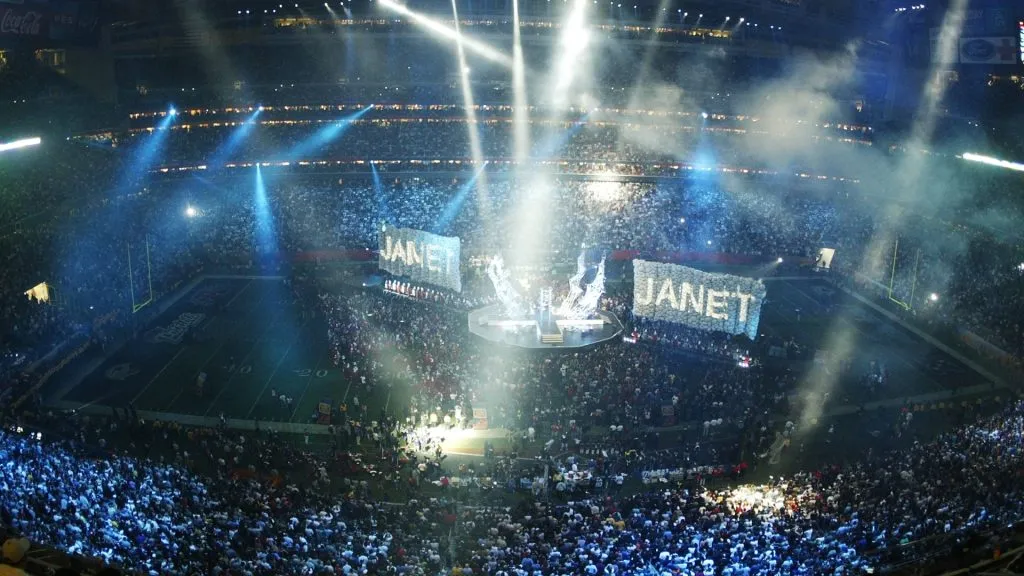
Janet Jackson performs during the halftime show at Super Bowl XXXVIII between the New England Patriots and the Carolina Panthers at Reliant Stadium on February 1, 2004 in Houston, Texas. (Source: Ronald Martinez/Getty Images)
Houston has hosted the Super Bowl 3 times, with NRG Stadium as the main venue since 2004. This modern stadium has been the location for Super Bowls in Houston, including Super Bowl LI in 2017.
Before the NRG Stadium, AstroDome hosted the Super Bowls in 1974 (Super Bowl VIII) and 1975 (Super Bowl IX). NRG Stadium has become popular for its facilities and capacity to accommodate large crowds, making it a prominent venue for major events.