As the lights dimmed on the first half and the scoreboard reset for the night’s biggest spectacle, attention quickly shifted from the NFL field to the stage. The question of who might appear beside Bad Bunny had hovered for weeks, fed by whispers, clues and restless anticipation.
The singer leaned into that mystery until the final moments, guarding the surprise with the same precision that shaped the show’s visual and musical rhythm. When the reveal finally arrived, it felt less like a cameo and more like a statement about reach, influence and shared spotlight.
Halftime has long been a place where pop mythology is written in real time, and Super Bowl LX proved no different. One entrance, carefully timed and loudly received, reshaped the performance’s narrative and sealed its place in the event’s evolving history.
Which artists joined Bad Bunny on the halftime show?
Bad Bunny’s Super Bowl LX halftime show unfolded as a tightly paced celebration of global pop, built on visual spectacle, rapid transitions and a sense of controlled surprise. From the opening moments, the performance hinted that the headliner would not command the stage alone.
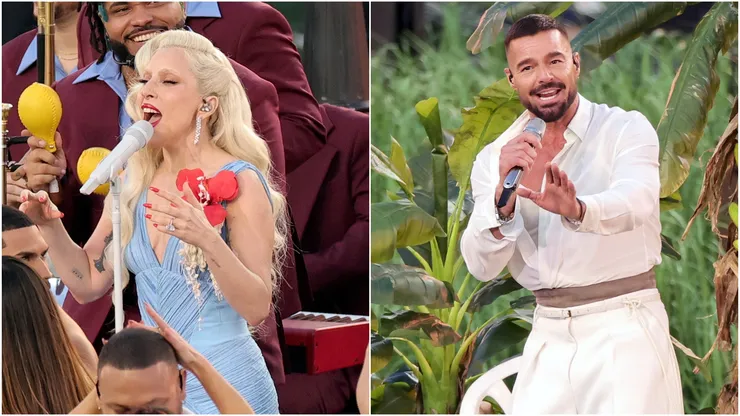
Midway through the set, Lady Gaga emerged, instantly shifting the energy inside the stadium and expanding the musical palette of the show. The reaction marked one of the loudest moments of the night, signaling the scale of collaboration behind the performance.
Soon after, Ricky Martin followed with a new transition in sound and staging, layering genres and eras in a way that reflected Bad Bunny’s reach across the industry.
Rather than feeling like brief cameos, each appearance was woven into the show’s narrative arc, with choreography, staging and song choices designed to keep momentum rising toward the finale.
By the closing moments, the collection of voices onstage had transformed the performance into something larger than an individual set. Super Bowl LX’s halftime ultimately leaned on chemistry, timing and surprise—elements that continue to define how the event writes its pop-culture history.