Some tennis stories don’t end on the player’s terms. Injuries intervene, careers are cut short, and greatness is only partially realized. Magnus Norman’s playing career ended too early—yet what followed may have been even more impactful. The Swede, once on the brink of World No. 1, turned his career’s frustrations into fuel and became one of the game’s most respected coaches.
Before any of that, Norman was just a powerful teenager with a big backswing and a relentless baseline game. He turned pro in 1995 at age 19 and quickly rose up the ranks, following the steps of Swedish players before him, such as Bjorn Borg, Stefan Edberg, and Matts Wilander.
The early signs of success were there: a Masters title in Rome, Davis Cup victories, and a steady climb into the ATP’s upper tier. But it was in 2000, when he had his best season of his career.
His best season: World No. 2 and French Open final
The year 2000 was when everything clicked. Norman reached the semifinals of the Australian Open, won five titles including the Rome Masters, and capped it off with a run to the Roland Garros final, where he pushed Gustavo Kuerten before falling in four sets. By June, he was ranked World No. 2 and breathing down the neck of the top spot.
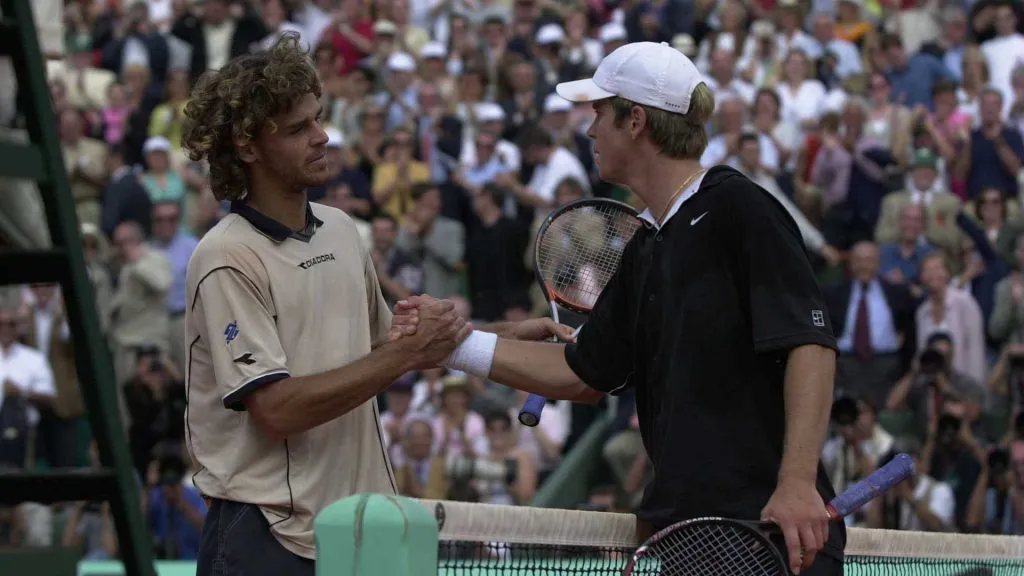
Norman and Gustavo Kuerten during the 2000 Roland Garros final (Clive Brunskill/ALLSPORT)
Norman’s game was built around his strong forehand, delivered with an unusually long backswing, a solid two-hander on the backhand side, and dogged movement. He wasn’t flashy, but he was efficient and gritty.
“My highest ranking was number two in the world. I guess I should be proud about that,” he admitted to reallifetennis.com in 2016. “But I can’t help to feel disappointed. I was close to being number one and close to winning a Grand Slam. I failed on both.”
Injuries and retirement
The unraveling started not long after that breakout year. Hip issues, knee problems, and eventually a heart valve surgery slowed his momentum. By the time he was 26, Norman was barely holding his career together. His last official match came in 2003, and he formally retired in 2004.
“I didn’t watch any tennis, didn’t pick up a racket,” he said about that time, cited in The New York Times in 2014. “I was really in a bad place mentally after being forced to quit,” he admitted. “You always want to end on your own terms, and I didn’t get that chance.”
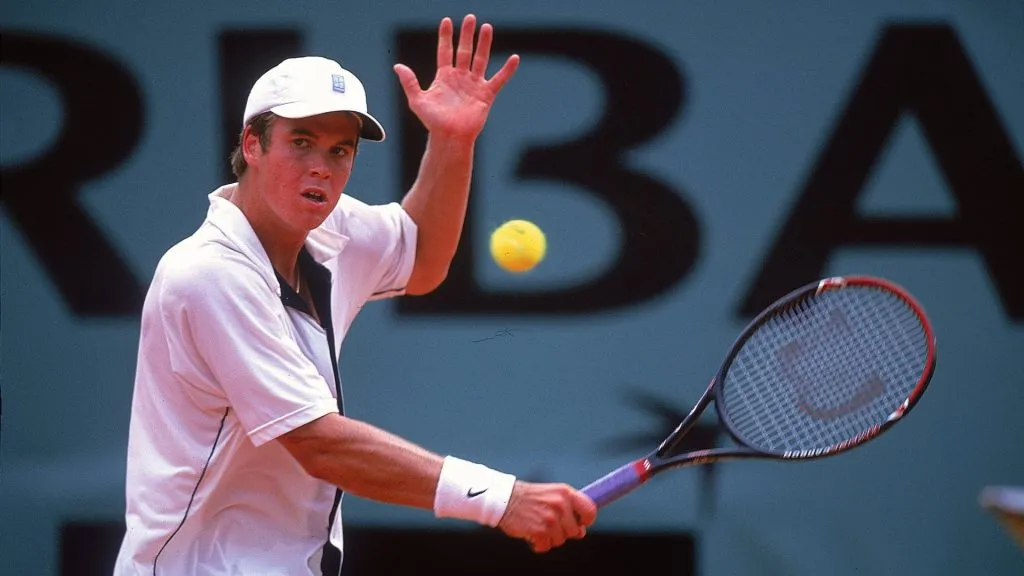
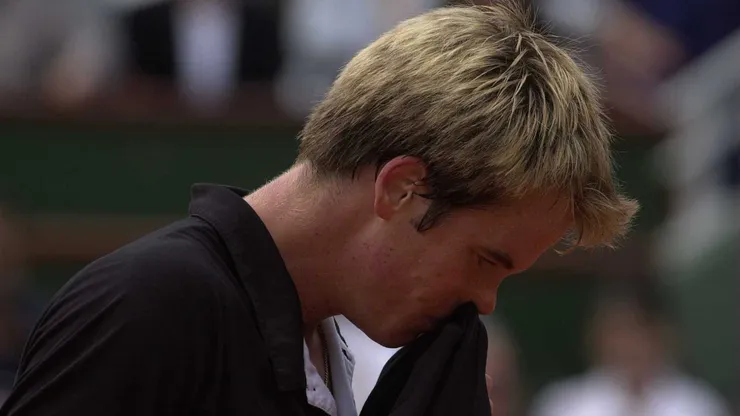
Magnus Norman in action (Clive Brunskill /Allsport)
Coaching and finding purpose
That opportunity came through a phone call from his former doubles partner, Thomas Johansson. Norman agreed to help out for a week and joined him at the Memphis Open. It turned into a full-time return. “From that moment I said, Wow. This is what I love to do. This is my life. This is Magnus Norman,” he said on the Inside-In podcast.
His coaching résumé speaks for itself. He led Robin Soderling to back-to-back French Open finals and a career-high No. 4 ranking. He helped Stan Wawrinka win three Grand Slam titles, break through against the Big Three, and become a top-three player. For his efforts, Norman was named the ATP Coach of the Year in 2016.
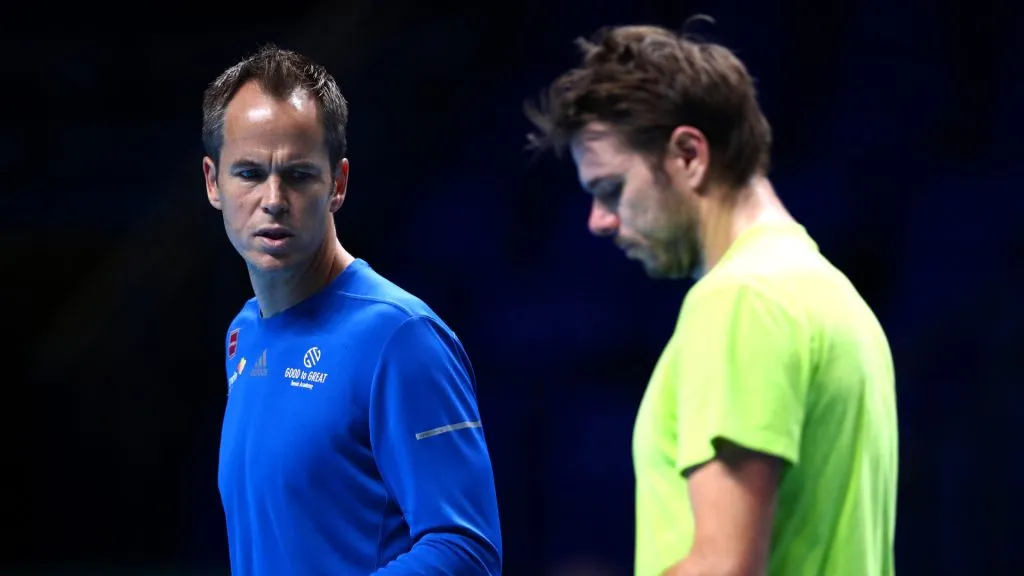
Norman and Stan Wawrinka in 2017 (Clive Brunskill/Getty Images)
Now, through the Good to Great Tennis Academy, he’s shaping the next generation. “I think my personality is better suited to be a coach than a player,” he reflected. “I loved competing and training, but I never really liked or felt comfortable in front of cameras.”
While his tennis career couldn’t reach the heights he envisioned, as a coach, Norman has even entered the GOAT conversation, helping other stars such as Gael Monfils and Grigor Dimitrov.