
In Formula 1, not all battles are won on the track. Behind the roar of engines, teams race for something else: money. Even the slowest cars can bring in millions. The secret? A game of strategy far from the starting grid.
Think F1 is just about speed? Think again. Behind the glamour and podiums, teams hustle for every dollar. From selling caps to sealing mega deals—this is the financial race you don’t see on Sundays.
While fans watch for overtakes and pit stops, team bosses chase a different prize: profit. In a sport where seconds matter, so do sponsorships, bonuses and branding. Welcome to the business behind the speed…
Prize distribution
The distribution of prize money in Formula 1 is a meticulously structured process that rewards teams based on their performance and participation. The revenue generated from broadcasting rights, sponsorships and other commercial activities is pooled together and then allocated among the teams.
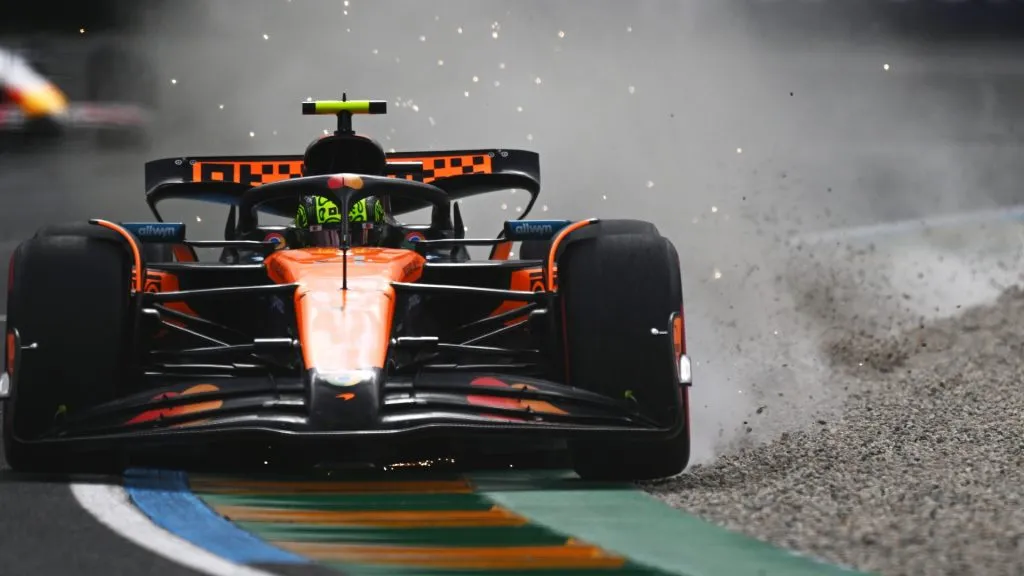
Lando Norris of Great Britain driving the (4) McLaren MCL39 Mercedes on track during qualifying ahead of the F1 Grand Prix of Australia at Albert Park Grand Prix Circuit on March 15, 2025. (Source: Clive Mason/Getty Images)
This allocation is primarily determined by the teams’ standings in the Constructors’ Championship, ensuring that higher-performing teams receive a larger share of the prize fund.
However, the exact figures and distribution mechanisms are often kept confidential, leading to much speculation and analysis within the F1 community, according to sources like Planet F1.
Concorde agreement
Central to the governance and financial distribution in Formula 1 is the Concorde Agreement. This pivotal contract is an accord between the Fédération Internationale de l’Automobile, the Formula One Group and the participating teams.
It delineates the terms under which teams compete, how revenues are shared and sets the regulatory framework for the sport. Since its inception in 1981, there have been multiple iterations of the Concorde Agreement, each tailored to address the evolving dynamics of the sport.
The most recent agreement, signed in 2021, extends until the end of the 2025 season, aiming to promote a more equitable distribution of revenues and ensure the sport’s sustainable growth.
Sponsorship
Sponsorship deals constitute a significant portion of a Formula 1 team’s revenue stream. Teams forge partnerships with global brands, leveraging the sport’s vast viewership to provide sponsors with extensive exposure.
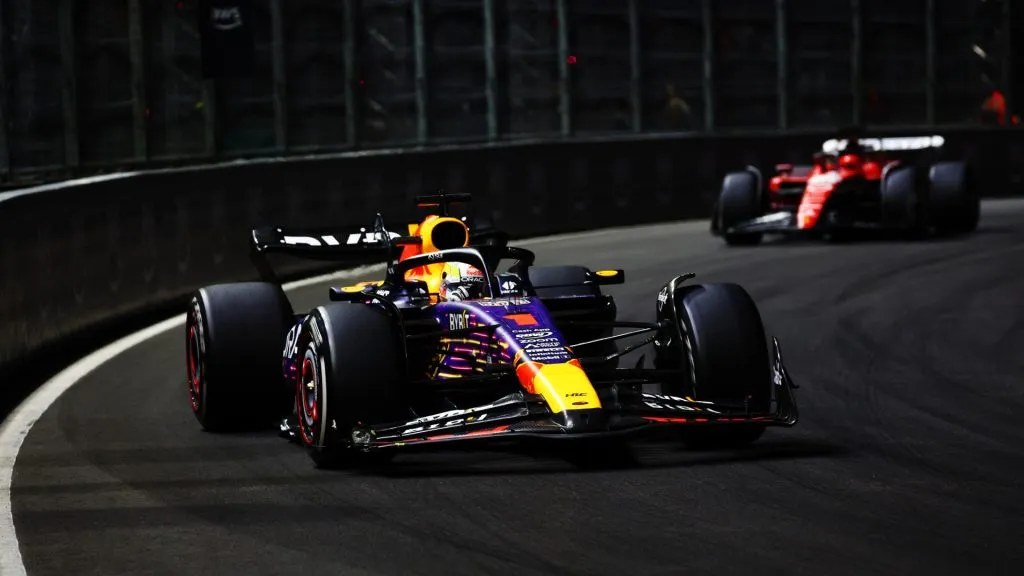
Max Verstappen driving the Oracle Red Bull Racing RB19 leads Charles Leclerc driving the Ferrari SF-23 during the F1 Grand Prix of Las Vegas at Las Vegas Strip Circuit in 2023. (Source: Mark Thompson/Getty Images)
For instance, Red Bull Racing‘s partnership with Oracle is valued at approximately $100 million annually, reflecting the immense value brands place on association with top-performing teams.
Similarly, Ferrari’s collaboration with HP matches this figure, underscoring the competitive nature of sponsorships in the sport. Other notable deals include Aston Martin’s association with Aramco and Mercedes’ long-standing partnership with Petronas, highlighting the diverse industries invested in Formula 1.
Historical bonuses
Beyond standard prize money and sponsorships, certain teams receive additional financial incentives known as historical bonuses. These bonuses are awarded to teams with a longstanding presence and significant contributions to the sport’s heritage.
Ferrari, the only team to have competed in every season since Formula 1’s inception in 1950, has been a primary beneficiary of such bonuses. These payments acknowledge the team’s enduring legacy and its role in shaping the sport’s history.
However, the allocation of historical bonuses has been a topic of debate, with discussions centered around fairness and the financial disparities they may exacerbate among teams.
In essence, the financial landscape of Formula 1 is as intricate and strategic as the on-track action. The interplay of prize money distribution, foundational agreements like the Concorde Agreement, lucrative sponsorships and historical bonuses collectively underpin the operations and competitiveness of the teams.