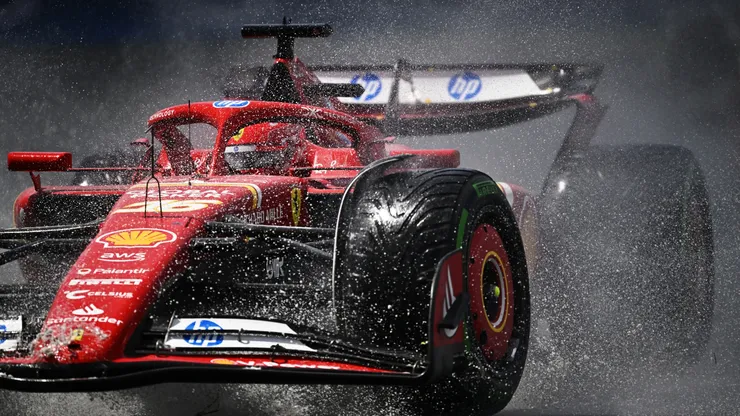
Formula 1 is a high-octane world where every millisecond counts. DRS emerges as a subtle yet potent tool, trimming aerodynamic drag and boosting speed on straights, subtly reshaping the art of overtaking.
The Drag Reduction System is more than technical wizardry—it’s a strategic masterpiece. Teams fine-tune its application, balancing risk and reward, as drivers seize fleeting moments to edge past their rivals.
While DRS delivers bursts of raw speed, it also deepens race tactics. Its innovative design challenges traditional strategies, hinting at the unpredictable twists that make every race a pulse-pounding spectacle.
What is DRS?
In the high-stakes world of Formula 1, every fraction of a second counts. To facilitate overtaking and enhance the spectacle, the Drag Reduction System was introduced in 2011. This ingenious device allows drivers to adjust a section of the rear wing, reducing aerodynamic drag and boosting straight-line speed.
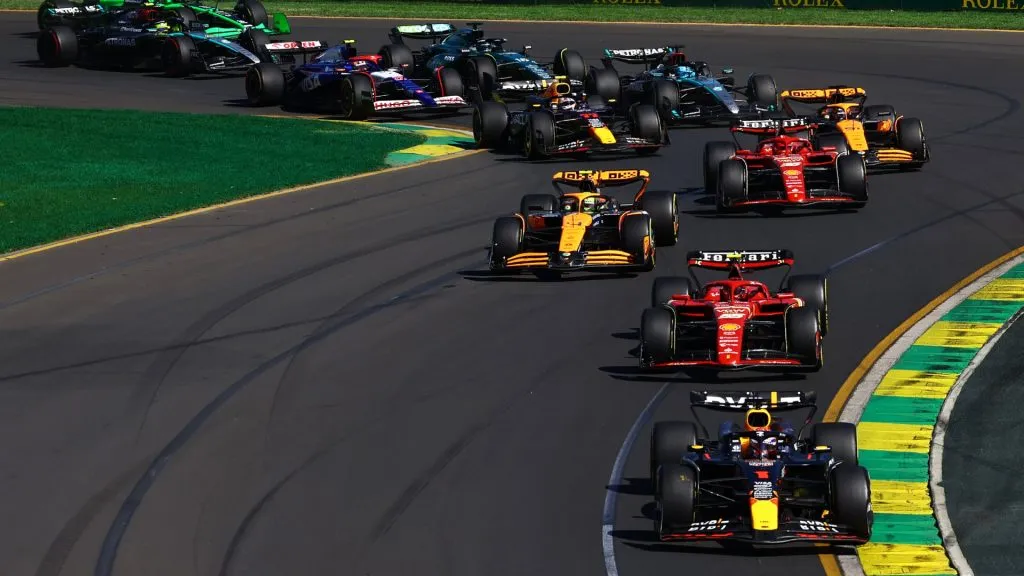
Max Verstappen driving the Oracle Red Bull Racing RB20 leads Carlos Sainz driving the Ferrari SF-24 and the rest of the field at the start of the race during the F1 Grand Prix in 2024. (Source: Mark Thompson/Getty Images)
By opening a flap in the rear wing, DRS decreases downforce, enabling cars to accelerate more rapidly on straights. However, this comes at the cost of reduced grip, making its use strategic and calculated.
Activation zones
DRS isn’t available for use anywhere on the track; it’s confined to specific activation zones designated by the FIA. These zones are typically positioned on long straights where overtaking opportunities are optimal.
For a driver to activate DRS, they must be within one second of the car ahead at a predetermined detection point. Once this criterion is met, the driver can deploy DRS in the activation zone, gaining a speed advantage that can be pivotal for executing overtakes. The system automatically deactivates when the driver applies the brakes or closes the flap manually.
Strategic usage
Beyond its mechanical function, DRS adds a layer of tactical depth to racing. Teams meticulously plan when and where to utilize it, considering factors like track layout, tire conditions, and the positions of competitors.
Effective use of DRS can help a driver recover from a poor start, undercut rivals during pit stops, or defend against challengers. However, over-reliance or misjudgment can leave a driver vulnerable, especially if it is deployed in zones leading into heavy braking areas or complex corners.
Controversies
Since its inception, it has been a topic of contention among fans and drivers alike. Proponents argue that it enhances the excitement of races by increasing overtaking opportunities.
Critics, however, contend that it makes passing too easy, diminishing the skill and strategy traditionally required for overtaking. Notably, some drivers have expressed concerns that DRS-assisted overtakes lack the authenticity of traditional maneuvers, leading to debates about its impact on the sport’s integrity.
As Formula 1 continues to evolve, the balance between technological innovation and preserving the essence of racing remains a delicate one. The future of DRS is part of this ongoing conversation, as stakeholders assess its role in the ever-changing landscape of motorsport.