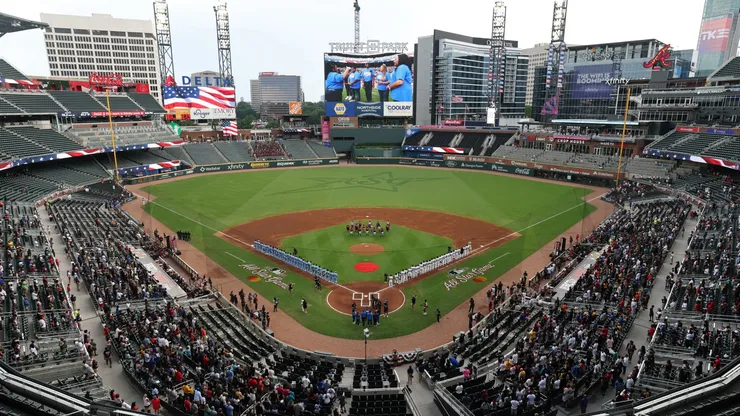
The 2025 Home Run Derby returns with more than just star power—it brings a fresh twist to the format. At Truist Park, timing, precision, and raw strength will matter more than ever in a contest built for spectacle.
Eight sluggers enter round one, but not all will survive the bracket. With each swing measured not just by power but by pace, the updated rules are set to push even the most seasoned hitters to their limits.
Bonus time, swing limits and tie-breaking blasts—all part of a structure designed to reward consistency and drama. As the format evolves, so does the pressure. One misstep could end a title dream before it begins.
How does the 2025 Home Run Derby format work?
The 2025 Home Run Derby kicks off with eight participants, each given three minutes or a maximum of 40 pitches in the opening round—whichever comes first. Once that timed session ends, a bonus period begins where players continue to swing until they record three outs.
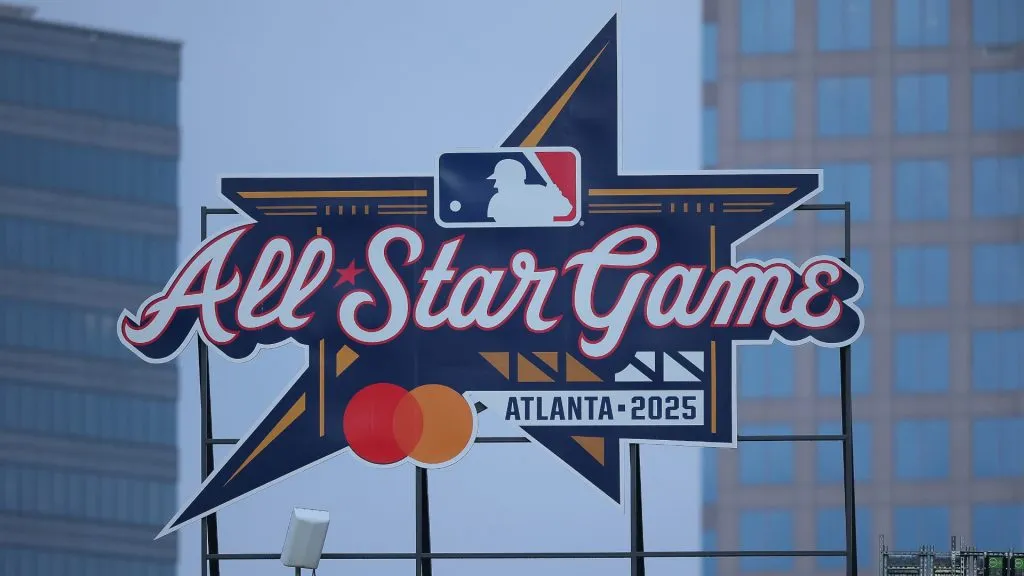
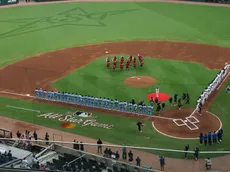
A detailed view of the All-Star Game sign located in the outfield during the game between the Atlanta Braves and the Arizona Diamondbacks at Truist Park on June 04, 2025. (Source: Kevin C. Cox/Getty Images)
In this context, any swing that doesn’t result in a home run counts as an out. However, there’s an added twist: if a player manages to hit a ball over 425 feet during the bonus time, they earn a fourth out, buying themselves a crucial extra chance.
Only the top four home run hitters from the first round move on to the semifinals, where they’re seeded based on their totals: the highest scorer faces the fourth, and the second goes up against the third. In these matchups, each player gets two minutes or up to 27 pitches. Importantly, home runs from the first round do not carry over—every round is a fresh start.
The final round follows the same rules as the semis: two minutes or 27 pitches per hitter. The competitor with the most home runs in the final takes home the crown. Each batter is also allowed a single 45-second timeout during their round, though this can’t be used during the bonus period or in tiebreakers. If a semifinal or final ends in a tie, it’s settled through a three-swing “swing-off”, repeated until a winner emerges.
What’s at stake for the winner?
Beyond the glory and highlight reels, the 2025 Home Run Derby winner takes home more than just bragging rights. Major League Baseball has continued its tradition of rewarding the champion with a $1 million prize, making it one of the most lucrative single-night payouts in the sport.
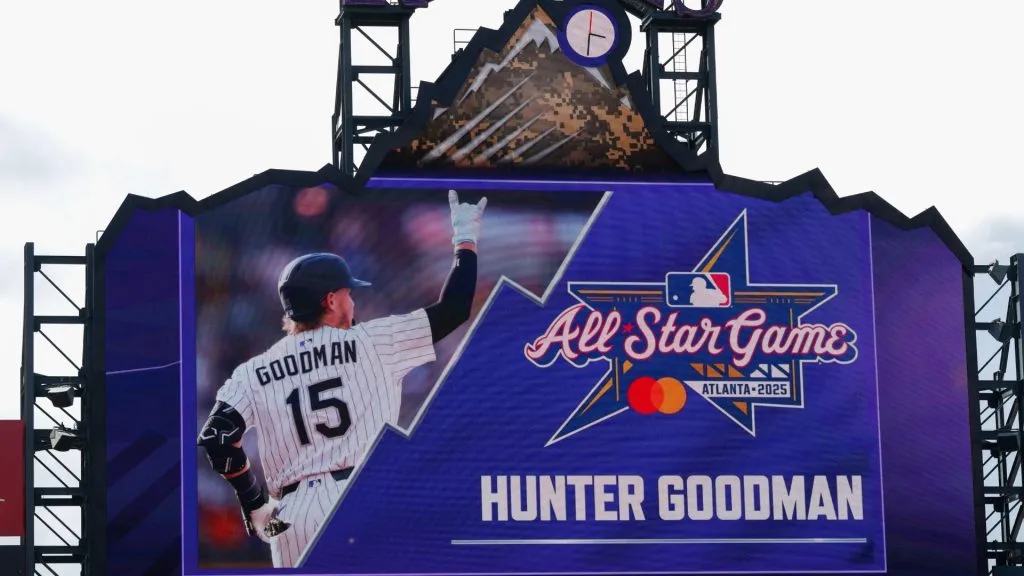
Hunter Goodman #15 of the Colorado Rockies is acknowledged on the scoreboard after being selected for the 2025 All-Star Game during a break in the action in the eighth inning. (Source: Justin Edmonds/Getty Images)
But for many players, the stakes are also legacy-defining. Past Derby wins have elevated careers, boosted marketability, and turned rising stars into household names. It’s a high-profile spotlight in the middle of the baseball calendar—a stage where a single night can reshape how a player is perceived league-wide.
In front of a packed crowd at Truist Park and a national television audience, the winner walks away not only richer, but immortalized in Derby lore. From Ken Griffey Jr. to Pete Alonso, the list of champions reads like a roll call of sluggers who left a mark. This year’s victor will soon join that elite company.