The debate over who stands as the greatest NBA player of all time is one that will never go away. It evolves with each generation, shifting depending on standards, metrics, and interpretations of greatness. For decades, championship rings have been used as a core measuring stick, but both LeBron James and Michael Jordan have voiced concerns over how heavily that single factor is weighted in modern discussions.
LeBron James recently reignited the conversation during an episode of his Mind the Game podcast, where he challenged the validity of “ring culture” in determining NBA greatness. The Los Angeles Lakers star questioned why the number of championships won is often considered the definitive mark of a player’s legacy—especially in a league shaped by eras, context, and team construction.
“I do not know the answer,” James said. “I wish I had the answer to this, but I’m not sure. … I don’t know why it’s discussed so much in our sport, and why it’s the end-all, be-all of everything. It’s like saying Peyton Manning can’t be in the same room with [Tom] Brady or [Patrick] Mahomes because he only has [two rings].”
James continued by using examples from other sports, noting how legacy debates in football or baseball don’t hinge entirely on titles. “Did Barry Bonds win a World Series? I don’t think so. But you can’t sit here and tell me he’s not the greatest baseball player to ever touch a bat.” His larger point: greatness is not solely defined by rings, and players should be appreciated for their full body of work, not only their trophy cases.
Ring culture has changed the way people talk about basketball.
— Mind the Game (@mindthegamepod) June 17, 2025
Full mailbag episode out now. Watch on our YouTube, @primevideo or listen wherever you get your podcasts: https://t.co/dhAdWMKyni pic.twitter.com/S0GKVkhJ86
James also referenced NBA legends who are often unfairly minimized in historical conversations. “Jerry West went to nine straight NBA Finals and only won one. He’s the logo of our league. You can’t sit here and say he doesn’t belong in the room with people who won more.”

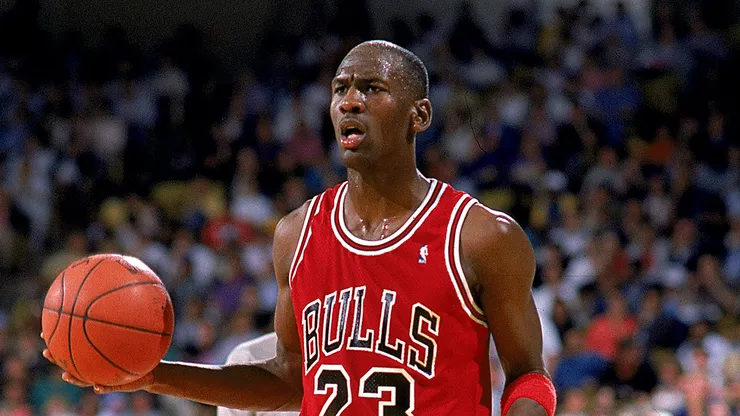
The Bulls legend, often the centerpiece of GOAT discussions, once shared a similar sentiment. In a now-famous interview with Cigar Aficionado, Jordan reflected on his six championships and how they compare to the 11 won by Bill Russell. “Does that make Bill Russell better than me? Or make me better than him? No. Because we played in different eras.” His response echoed the idea that context matters, and that basketball greatness can’t be reduced to hardware alone.
If championships were the sole criteria for GOAT consideration, players like Russell and his Celtics teammates would dominate the debate. Russell won an unprecedented 11 NBA titles in 13 seasons, while his teammate Sam Jones captured 10. Their accomplishments define the very concept of winning in team sports, yet they are often overshadowed in contemporary conversations due to the era in which they played.
Then there’s Robert Horry—winner of seven championships with the Rockets, Lakers, and Spurs. Known for his clutch performances in big moments, Horry’s impact on multiple dynasties is undeniable. While his individual accolades fall short of other legends, his championship pedigree adds a fascinating wrinkle to the debate. Similarly, Kareem Abdul-Jabbar’s six rings, combined with his decades-long dominance and scoring records, make him a perennial NBA GOAT candidate.
In the end, both LeBron James and Michael Jordan seem to agree: greatness cannot be boiled down to a single stat. While rings undoubtedly matter, they are just one part of a much larger equation—one that includes longevity, impact, versatility, leadership, and the ever-evolving nature of the game itself.