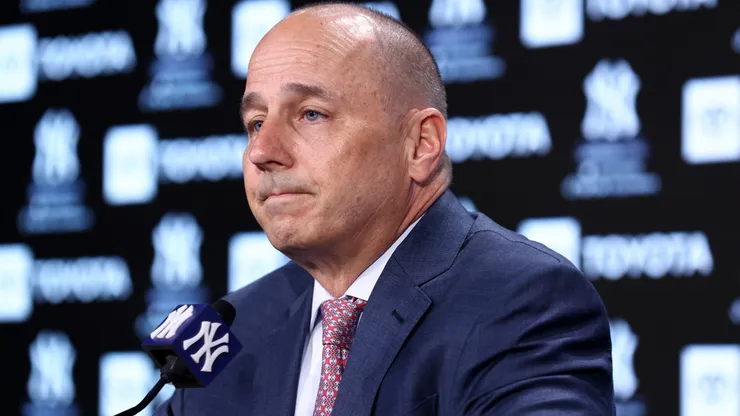
The New York Yankees are preparing for major changes in 2025. In addition to new players on the roster and the removal of the facial hair rule, the team is also expected to stop using Frank Sinatra’s iconic song New York, New York after losses.
The team itself confirmed the decision to reporters present at their Spring Training game, where the Yankees lost 4-0 to the Tigers. Going forward, New York, New York will no longer be played after defeats. Instead, the Yankees will use another Sinatra classic, That’s Life.
According to information shared by the team, the Yankees not only plan to replace their post-loss song with another Sinatra track but also intend to rotate different songs throughout the MLB season. However, it remains unclear if all of them will be from the same artist.
During the 2024 season, the Yankees suffered 37 home game losses. This tally doesn’t even account for the painful World Series defeats against the Dodgers at their home stadium. It marked the end of a long season for them, where they could do nothing to stop the humiliations on their own turf.
Frank Sinatra relationship with the Yankees
The Yankees and Frank Sinatra share a deep and storied connection, rooted in the era when George Steinbrenner ran the team. Steinbrenner first fell in love with Sinatra’s rendition of “New York, New York” at Le Club, a Manhattan hotspot where he was a board member. This love led to the song becoming an iconic part of the Yankees’ home games, with Sinatra himself giving his blessing. This relationship wasn’t just about the music; it was a symbol of Steinbrenner’s determination and influence, making “New York, New York” a rallying cry for Yankees fans even after a loss.
Sinatra’s ties to the Yankees were further solidified during the “Bronx Zoo” era, when he performed the song live just as the Yankees were clinching their second consecutive World Series title in 1978. Despite his allegiance to the Dodgers, Sinatra accepted special box seats from Yankees manager Billy Martin during the 1977 World Series, adding a layer of gamesmanship and drama. Over time, the Yankees experimented with different versions of the song, but it was Sinatra’s timeless rendition that endured, embodying the spirit of resilience and hope that characterizes the Yankees’ legacy.